REVIEW · COLLINGWOOD VICTORIA AUSTRALIA
Private Melbourne: Fitzroy Collingwood Culture & History
Book on GetYourGuide →Operated by Intrepid Urban Adventures - Australia · Bookable on GetYourGuide
Street art tells Melbourne’s real story. This private 2-hour walk through Fitzroy/Ngár-go and Collingwood/Yálla-birrang mixes street art, local history, and real-neighborhood coffee culture in a way you just can’t get from the big sights. You’ll start at Fitzroy Town Hall, wander through some of the city’s best-known streets and backstreets, and end in Fitzroy with a refreshment that feels like the area.
I really like two parts: first, the coffee stop at STREAT, where you can try a brew made fresh from their in-house roastery. Second, the street-art focus is serious, including the Keith Haring mural and plenty of work you’d otherwise speed past. It’s a tour where the visuals come with context.
One thing to plan for: it’s a walking tour and it runs rain, hail, or shine. If you’re not into being on your feet for about two hours, you’ll want to bring comfortable shoes and keep your expectations realistic.
In This Review
- Key highlights you’ll care about
- Fitzroy Town Hall: the calm start before Smith Street gets loud
- Smith Street and backstreets: where the neighborhood really changes
- STREAT café stop: coffee with a purpose (and it’s not just a break)
- Collingwood Yards Arts Precinct: where modern craft gets room to breathe
- Keith Haring mural and nearby landmarks: art that signals a bigger story
- Napier Hotel stop: the pub-world reference point for Fitzroy
- How the neighborhood became what it is: brewing sites, factories, and adaptive reuse
- Price, timing, and how to get the most out of two hours
- Should you book this Fitzroy and Collingwood culture walk?
- FAQ
- Where does the tour start?
- How long is the experience?
- What’s included in the price?
- Is this a private tour?
- Does it run in bad weather?
- Can the tour accommodate dietary restrictions and special needs?
Key highlights you’ll care about
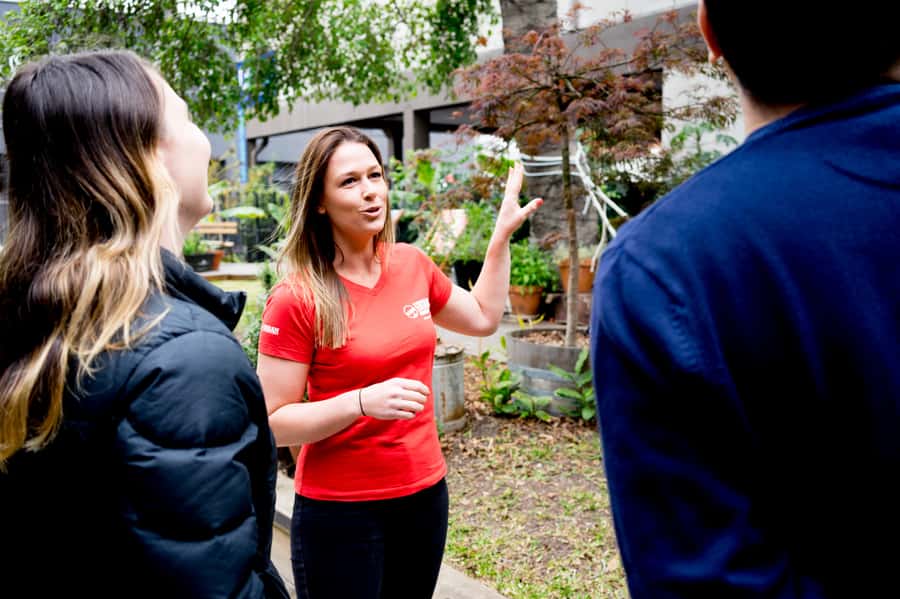
- In-house roastery coffee at STREAT with a mission to employ and support disadvantaged youth
- Street art across Smith Street, Brunswick St, Gertrude St, and backstreets with plenty of time to actually look
- Collingwood Yards Arts Precinct stop that blends arts, trades, and community energy
- Keith Haring mural visit plus nearby landmark art that ties the neighborhood story together
- A final drinks stop in Fitzroy that varies by day and fits local habits
Fitzroy Town Hall: the calm start before Smith Street gets loud
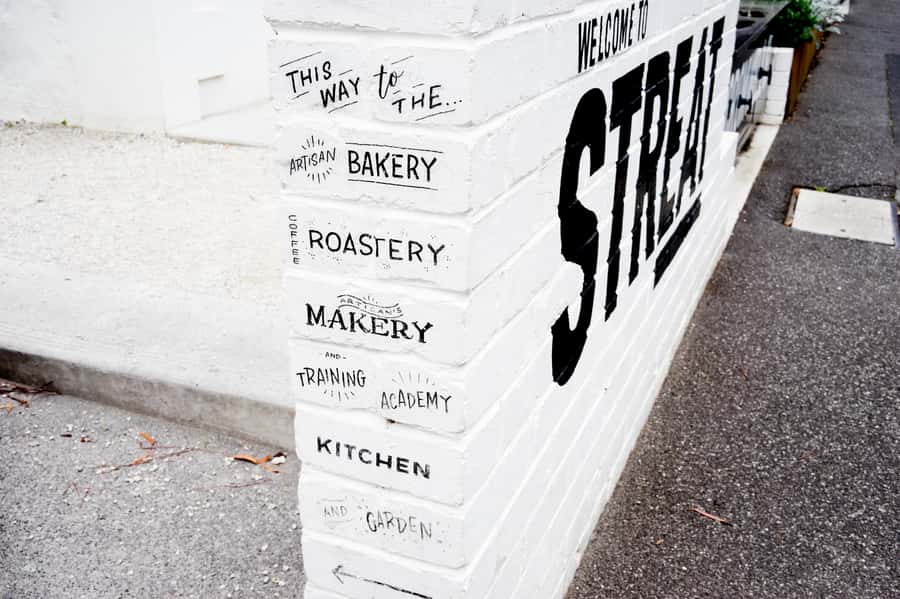
The tour kicks off outside Fitzroy Town Hall (main entrance under the clocktower), which is a good choice. It’s easy to find, and it sets you up for the shift you’ll feel all day: from civic and historic Melbourne into the inner-city streets where style, culture, and community collide.
From the start, you’re guided through the area as two connected neighborhoods: Fitzroy/Ngár-go and Collingwood/Yálla-birrang. That matters because it keeps the story grounded. You’re not just chasing murals for the photo. You’re learning how this part of Melbourne grew, changed, and attracted different communities over time.
The first major block is Smith Street, where you’ll have about 45 minutes of guided sightseeing and walking. Smith Street is one of those streets you think you know—shops, cafes, people moving fast—until a local guide slows you down and points out what’s actually going on. The advantage of doing it privately is simple: you can keep pace without getting swallowed by a larger group.
A possible drawback: Smith Street can feel busy depending on the day and time. With a guide, you won’t feel lost, but if you get overwhelmed in crowds, you may want to arrive ready to move at street level, not as a long scenic stroll.
Smith Street and backstreets: where the neighborhood really changes
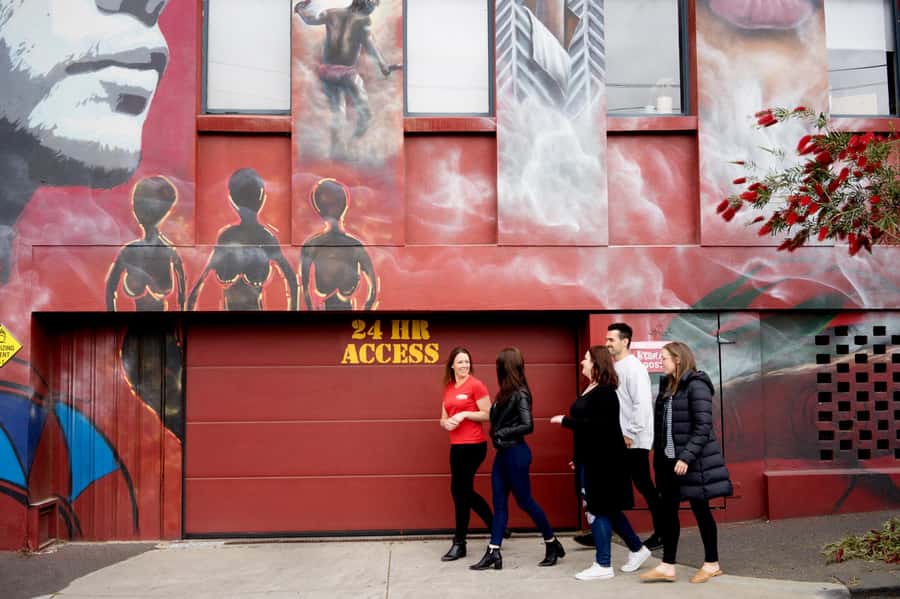
This is where you start to see the contrast that makes Fitzroy and Collingwood worth walking. The route is designed to show the transition from leafy, charming streets to industrial-chic backstreets. That shift doesn’t just look cool—it tells you how the area evolved.
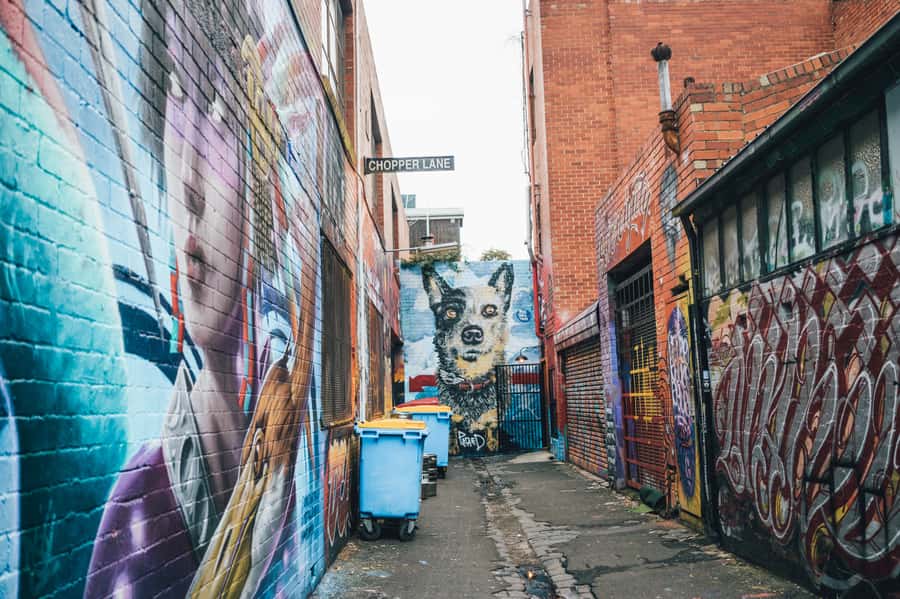
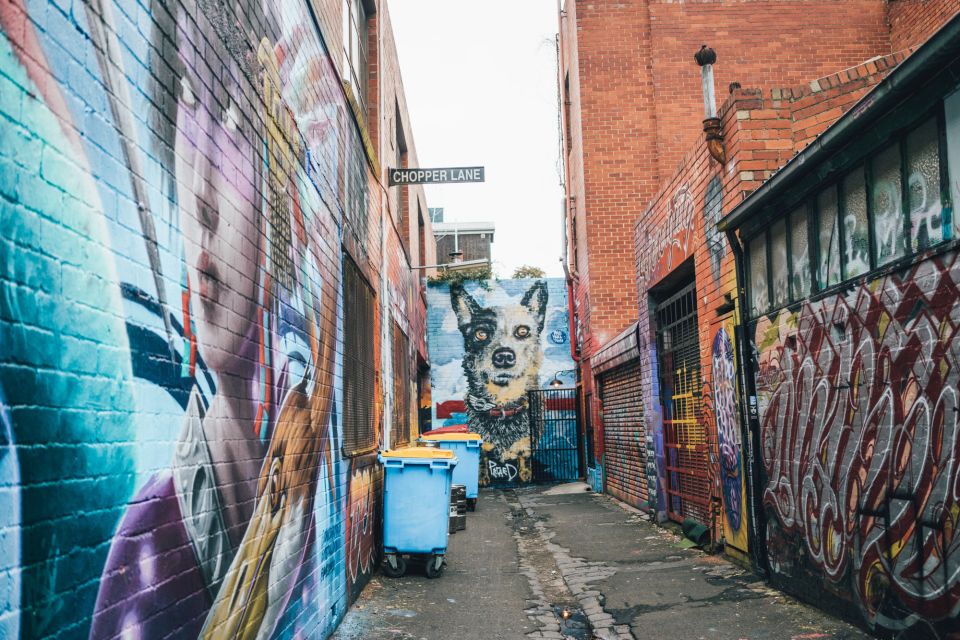
As you walk, you’ll cover streets that are famous for being among the best-known in Melbourne: Brunswick St, Smith St, and Gertrude St. You’ll also spend time in the backstreets, which is where the street art story gets more interesting. Some walls are loud and obvious. Others are smaller, more layered, and you only catch them when someone points your attention the right way.
The tour’s street-art focus isn’t random. It’s tied to what the buildings became over time—old industrial and brewing spaces changing roles for modern life. That’s why the murals and the restored structures land harder. You start connecting what you’re seeing on the wall to what used to be there.
This part of the tour is also why comfortable shoes matter. It’s not a sit-and-watch experience. You’ll be walking enough that your feet should be ready. If you’re the type who loves to stop and look closely, you’ll appreciate the pacing.
STREAT café stop: coffee with a purpose (and it’s not just a break)
At some point mid-walk, you’ll make your way to STREAT, a social enterprise café that employs and supports disadvantaged youth. This stop is more than a caffeine moment. It’s one of the ways this tour shows you Melbourne’s idea of community: not as a slogan, but as something built into daily life.
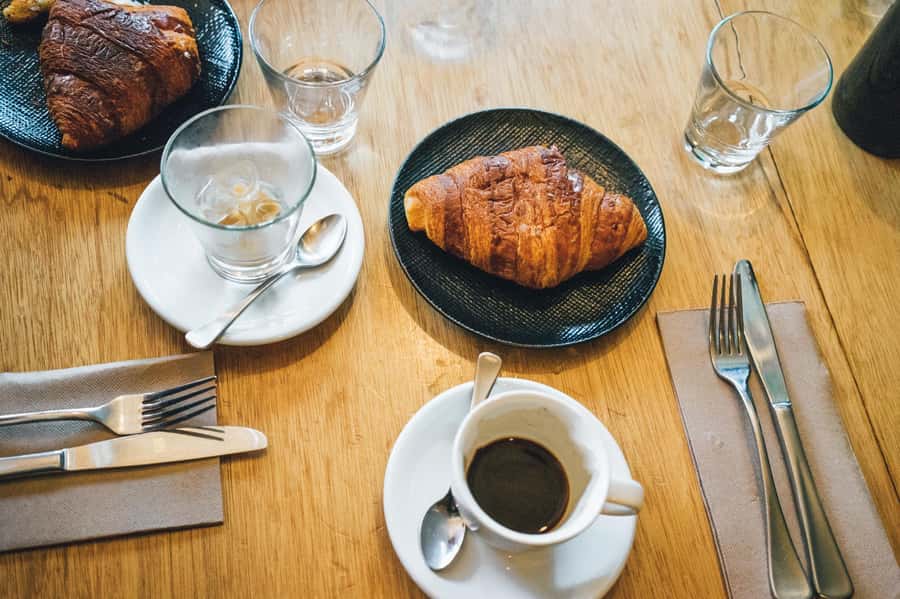
The coffee is a real highlight. You’ll get to try a famous Melbourne coffee brewed fresh from their in-house roastery. In other words, it’s not a generic café stop. It’s a place where the neighborhood’s coffee culture is tied to local production and a clear mission.
What I like about this kind of pause is that it changes your pace. Walking tours can turn into a blur—stop, photo, move on. Here, you slow down and reset. You also get to talk to staff and feel the café as a working part of the neighborhood, not just a photo stop with a menu.
You’ll also get your first included drink option here: the tour includes coffee (or a similar alternative drink). If you have dietary needs, the tour can accommodate special dietary restrictions if you notify at booking.
A practical note: if you’re caffeine-sensitive or want something more than coffee, remember the tour includes coffee or an alternative drink, and later you’ll also have options like beer/cider/wine or soft drink at the end. Plan what you want early so you’re not scrambling later.
Collingwood Yards Arts Precinct: where modern craft gets room to breathe
Next up is Collingwood Yards, with about 20 minutes set aside for visiting and sightseeing, plus time that can include an arts and crafts market visit depending on the day. This is the kind of stop that helps the tour feel current. It’s not only about murals and old buildings—it’s about how the area continues to reinvent itself.
What you’re looking for here is the “today” side of Collingwood. The broader neighborhood story includes Collingwood’s transformation into a hub of modern craft beer and alternative fashion. Collingwood Yards fits that shift because it operates as a space for making, selling, and showing work—very much the same energy as the street art you saw earlier, just in a different format.
This is also a good time to slow down and catch the texture of the area: the mix of people coming in for art, the kind of community vibe you can’t fake from the outside. If you enjoy markets and small creative spaces, this is where you’ll probably feel most at home.
Possible drawback: markets and arts spaces can vary day to day. The tour time is fixed, but what’s happening inside that time depends on what’s on offer. If you’re visiting specifically for a market atmosphere, keep your expectations flexible and treat it as a bonus.
Keith Haring mural and nearby landmarks: art that signals a bigger story
You’ll have a short, focused stop for the Keith Haring mural (about 10 minutes). Ten minutes sounds quick until you realize what you’re actually doing. This isn’t about racing through a photo. It’s about letting the mural sit in context—so you understand why it’s there and what it represents in the neighborhood’s visual language.
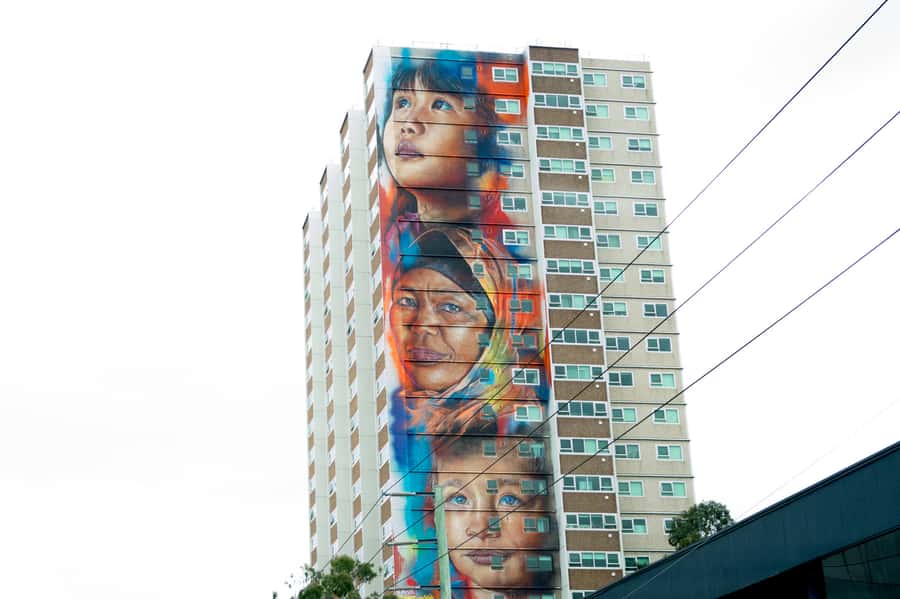
The area also includes other standout artwork connected to public housing and large-scale murals. The tour route is designed so you can see a major mural on nearby housing commission towers—described as one of the largest of its kind in the world—and then connect that with the iconic Keith Haring work nearby. That’s a powerful pairing: one piece ties into local public space and community identity, and the other adds global pop-art visibility.
And right near this zone, you’ll learn about the neighborhood’s live music scene—there’s an iconic live music venue in the area with a Keith Haring mural nearby. That live music angle matters because it helps explain why street art belongs here. It’s part of the same culture that turns neighborhoods into stages and walls into public storytelling.
Possible drawback: if you’re expecting the tour to be mostly inside cafés and galleries, this section will be mostly outside. If the weather is harsh, bring what you need. The tour runs rain, hail, or shine, so you’ll be standing and walking even if the sky isn’t cooperating.
Napier Hotel stop: the pub-world reference point for Fitzroy
After Collingwood’s art stops, the tour shifts back toward Fitzroy with a visit to the Napier Hotel. You’ll spend about 15 minutes there for guided sightseeing.
Why this matters: historic pubs and hotels in inner-city Melbourne often act like community anchors. They’re where locals gather, where neighborhood rhythms show up, and where you can feel how a place keeps its identity even as the surrounding streets change.
This is also a good waypoint because it reminds you that the story isn’t only “street art and architecture.” It’s people. The tour includes the idea that migrants shaped these areas into some of the most diverse parts of Melbourne. When you stop at a recognizable local venue, it’s easier to imagine that lived-in diversity rather than only reading about it on a plaque.
As with any landmark-style stop, the drawback is time. Fifteen minutes is plenty for photos and context, but it won’t be a long hang. You’re meant to keep moving so the story stays connected.
How the neighborhood became what it is: brewing sites, factories, and adaptive reuse
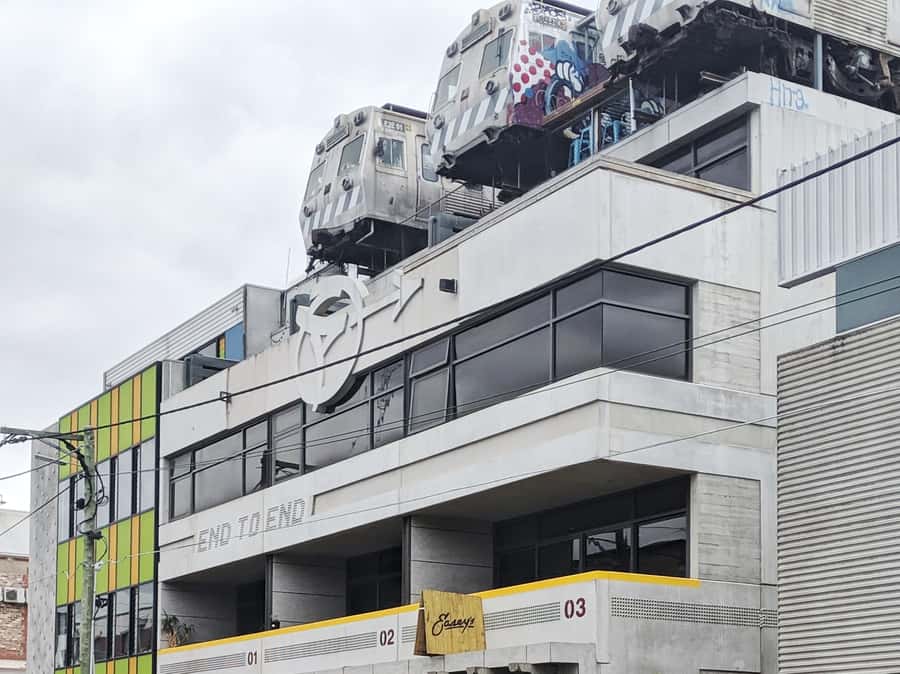
One of the best parts of this tour is the way it explains change over time. You’ll walk through historic brewing sites and factory complexes and learn how they’ve been transformed for sustainable contemporary uses. That’s the backbone of why these streets feel different from generic shopping areas.
Old industrial spaces don’t just become “new buildings.” They become new opportunities: workshops, hospitality, creative businesses, and community spaces. So when you see street art layered onto restored structures, you can read it as part of a larger process. The walls are telling you what the community values now, while the buildings hint at what used to power the area.
The tour also ties in Collingwood’s shift into craft beer and alternative fashion, which is helpful because it gives you categories for what you see. When you’re standing on a street corner wondering why everyone looks like they dressed for style and comfort, this kind of explanation makes it feel less random.
And the migrant angle matters, too. The neighborhood is portrayed as diverse because of how people made new lives here, adding culture, food, and community connections. You’ll likely notice that in the mix of what you pass—cafés, bars, and creative spaces—without needing a formal lesson.
This is the part you’ll remember when you’re done. The street art fades from your camera, but the “why it looks like this” sticks.
Price, timing, and how to get the most out of two hours
At $120 per person for a 2-hour private walking tour, the value depends on what you want from your Melbourne time. If you love street art and neighborhood history, this price can make sense because you’re paying for two things that are hard to replicate on your own: a guided route with context, and included drinks that keep the experience from feeling like a checklist.
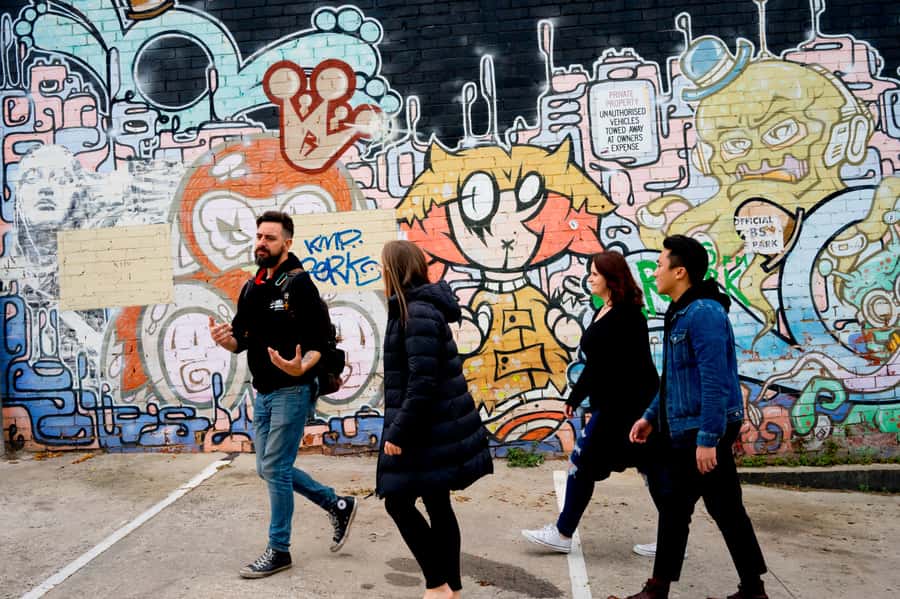
It’s also private, meaning your group stays together and the guide can keep the pacing aligned to you. That’s a big deal on walking tours. With a larger group, you lose the flow. Here, the whole point is to keep attention on details: murals, restored buildings, and the story behind the changes.
Timing-wise, you’ll be on your feet for most of the tour. That’s why the basics matter:
- Comfortable shoes
- Water bottle
- Weather-ready layers (since it runs rain, hail, or shine)
Included along the way:
- Coffee (or similar alternative drink)
- A later included drink option: beer/cider/wine or soft drink
- A local English-speaking guide
Dietary restrictions can be accommodated if you notify when booking, which is worth taking seriously if you’re food-inclined.
Who I think this suits best: first-timers who want to go beyond central Melbourne, art lovers who want context (not just photos), and couples or small groups who like a guided walk with built-in breaks. It’s also child-friendly, and children under 6 can join free if you let the provider know.
Should you book this Fitzroy and Collingwood culture walk?
I’d book it if you want a street-art-and-culture Melbourne experience that actually explains itself. This tour is built around the streets and buildings you’ll walk through anyway—Brunswick St, Smith St, Gertrude St, plus backstreets—and it adds the missing ingredient: why the area looks the way it does and how it got there.
Skip it only if you hate walking, dislike street-level exploring, or you’re mainly looking for big-ticket indoor attractions. This is a neighborhood story. It’s meant to be seen on foot.
If you’re deciding between doing this solo versus with a guide, go with the guided option. You’ll get the route focus, the meaningful stops, and included food-and-drink moments that make the two hours feel complete rather than rushed.
FAQ
Where does the tour start?
The meeting point is outside Fitzroy Town Hall (main entrance under the clocktower), at 201 Napier St, Fitzroy VIC 3065.
How long is the experience?
The tour lasts 2 hours.
What’s included in the price?
The tour includes a local English-speaking guide, coffee (or a similar alternative drink), and beer/cider/wine or soft drink.
Is this a private tour?
Yes. It’s a private group tour, so only your group participates.
Does it run in bad weather?
Yes. The tour will run in rain, hail, or shine.
Can the tour accommodate dietary restrictions and special needs?
You can request special dietary restrictions at booking. The tour is also listed as wheelchair accessible.