REVIEW · PORT FAIRY
Melbourne: Wilsons Promontory Morning Wilderness Cruise
Book on GetYourGuide →Operated by Wanderer Adventures · Bookable on GetYourGuide
That boat ride feels like an ocean adventure. I love the world’s largest custom-built amphibious boat—part thrill, part real-world wildlife viewing from close to the Skull Rock area. The guides (including Damo and Nash on some departures) keep it practical and story-led, so you’re not just staring at scenery—you’re understanding it.
Two things I’m especially glad I booked: the big marine-national-park coastline viewpoints, and the chance to spot wildlife like seals, dolphins, and even migrating whales when conditions cooperate. The main thing to consider is motion: wind and waves can get strong, and you may feel it most if you’re sensitive to seasickness.
In This Review
- Key Highlights Before You Go
- Why Wilsons Promontory Looks Different by Boat
- The Amphibious Boat Ride: What It Feels Like on the Water
- The Guided Stops You’ll Actually Care About
- South Point: Mainland Australia’s Southern Edge
- The Glennies and Surrounding Islands
- Mount Oberon and Norman Beach’s Quartz Sands
- Skull Rock: The Monolith That Looks Different as You Approach
- Wildlife Viewing: How to Improve Your Chances
- What’s Included (and What You’ll Need to Plan)
- Meeting Point and Check-In: Don’t Cut It Close
- Guide Style: What You’ll Learn Beyond the Photos
- Price and Value: Is It Worth $109?
- Who This Tour Fits Best
- Should You Book This Morning Wilderness Cruise?
- FAQ
- Where is the meeting point for the cruise?
- How long is the Wilsons Promontory Morning Wilderness Cruise?
- What’s included in the price?
- Is food or drinks included?
- What should I bring?
- What’s the check-in timing?
- Is the tour dependent on weather?
- Do you provide anything for motion sickness?
- Are service animals allowed?
- What are the cancellation rules?
Key Highlights Before You Go
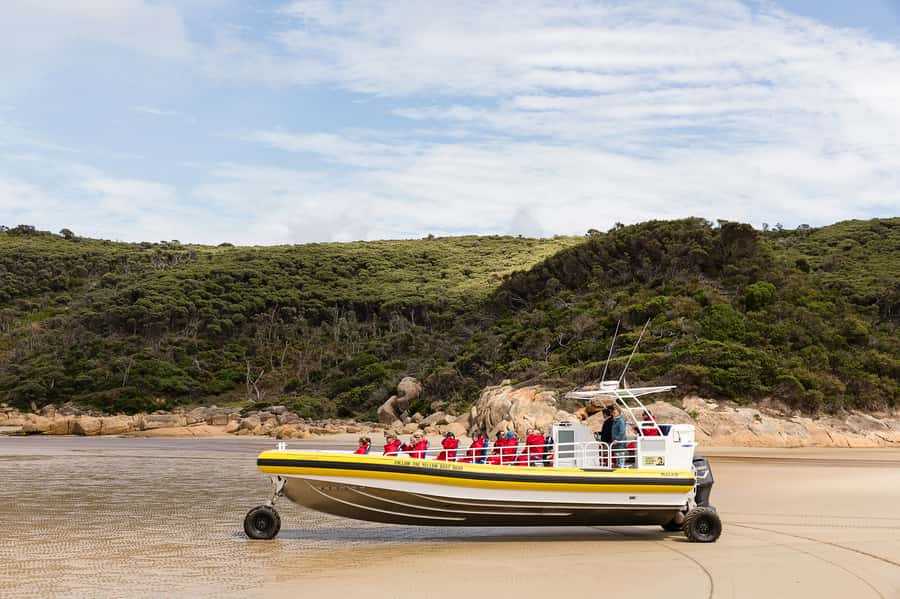
- Amphibious-boat experience: cruise from Melbourne aboard a purpose-built vessel made for water-and-shore exploration.
- South Point views: see the southernmost tip of mainland Australia during your route.
- Skull Rock approach: the granite monolith’s “faces” become more obvious the closer you get.
- Marine life odds: you’ll look for seals, dolphins, and migrating whales in Bass Strait waters.
- Stop-by-stop narration: guides explain wildlife, geology, and local history as you pass each landmark.
- Weather-ready gear included: a waterproof and windproof jacket is provided for the ride.
Why Wilsons Promontory Looks Different by Boat
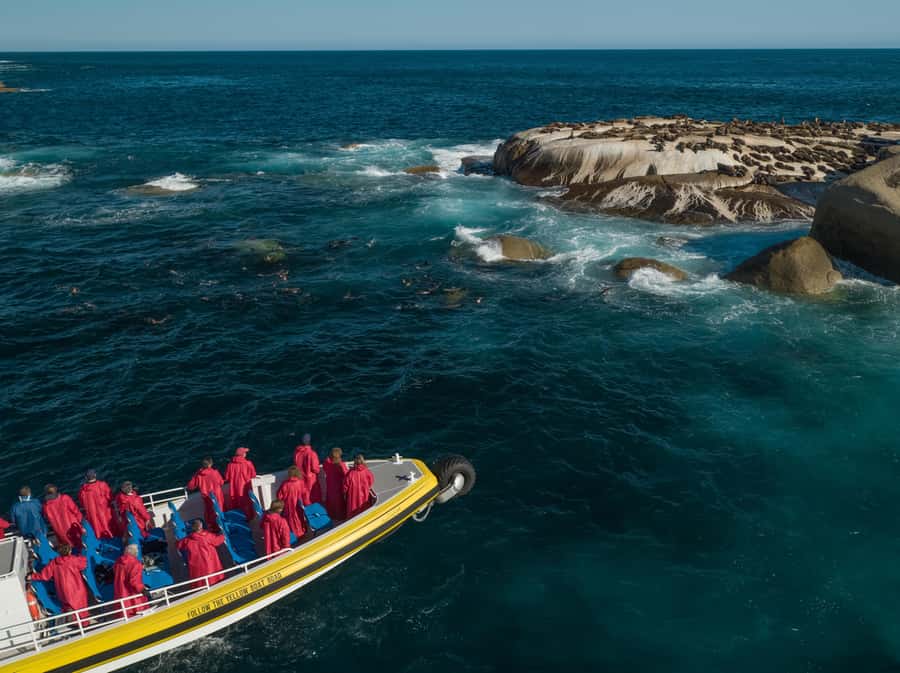
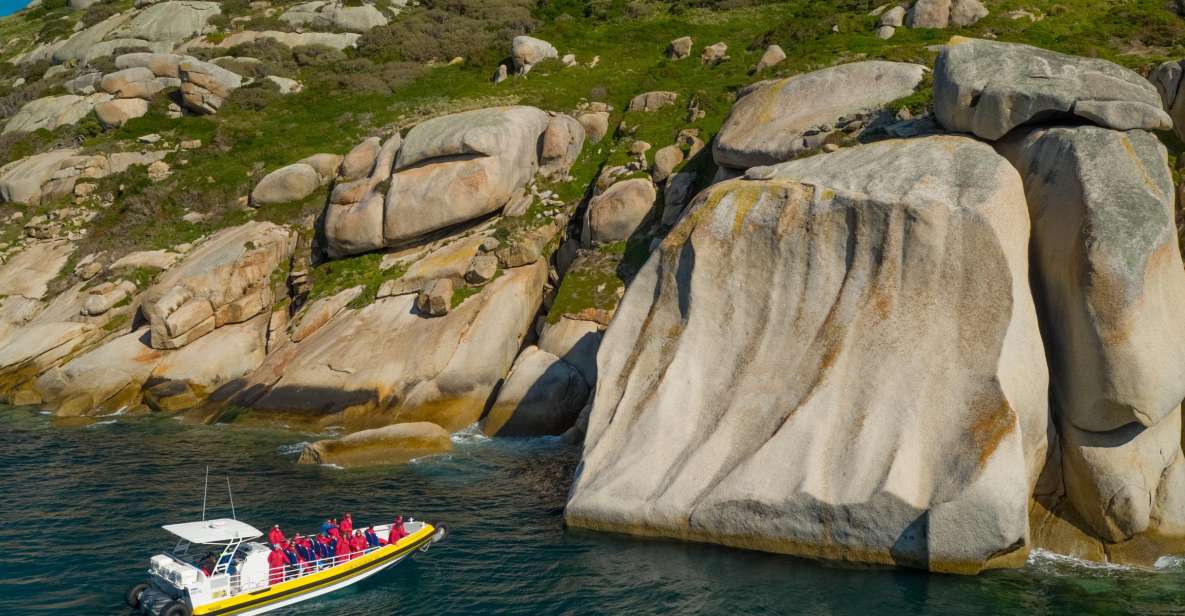
Wilsons Promontory is the kind of place that works in stages. From land, you get views and trails. From the water, you get scale—granite cliffs, quartz beaches, and islands that look close enough to touch until you realize how the water shapes the coastline.
This is also one of the more fun ways to see the Prom without cramming your day with driving and multiple stops. The cruise runs about 150 minutes (roughly two and a half hours), so it’s short enough to fit into a busy trip from Melbourne while still giving you time to hit the key spots around South Point and the marine park areas.
And yes, the boat matters. This is a world-class amphibious vessel, and you feel that in the ride and the way the crew handles changing water conditions. Even when the sea gets choppy, the setup is built for getting you out there and keeping everyone safe.
The Amphibious Boat Ride: What It Feels Like on the Water
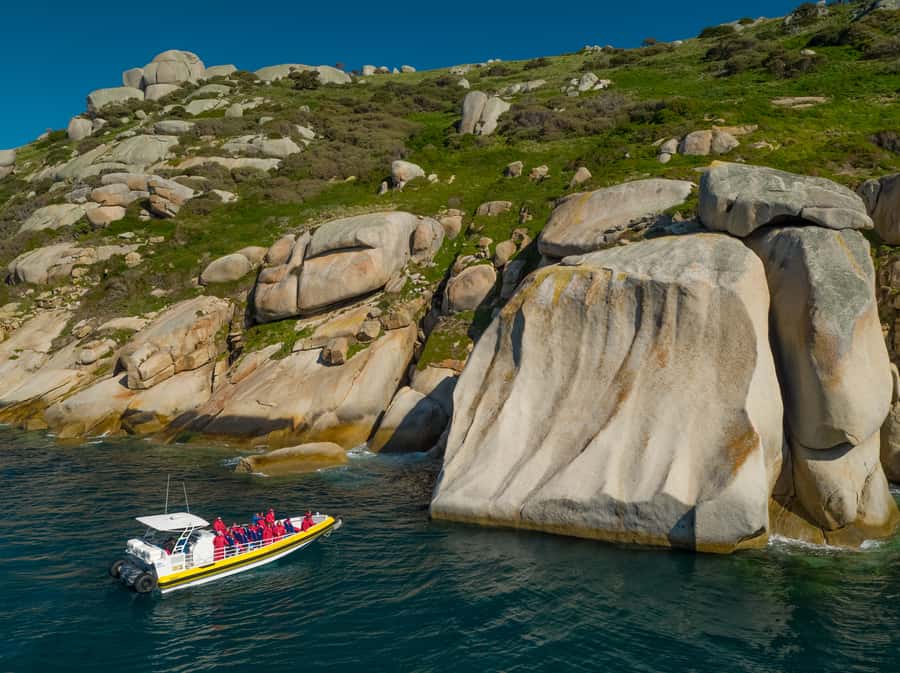
The big idea behind the Wilsons Promontory morning wilderness cruise is simple: you get a guided view of the coastline and islands in Bass Strait while looking for wildlife in one of Australia’s marine national park areas.
You board in Melbourne, then head out toward the southern end of mainland Australia. Along the way, the guide points out landmarks and the kind of wildlife that tends to show up in that environment. The experience is hands-on in the sense that you’re constantly adjusting where you look—toward seal colonies on rocks, toward surface activity for dolphins, and toward the longer “wait and scan” pattern that sometimes pays off for whales.
A few practical notes based on real-world conditions people reported:
- On rougher mornings, the ride can be intense. If you’re prone to nausea, plan for it rather than hoping for calm water.
- Warm clothing is a must. Even when the day starts mild, the wind on the water can cut fast.
- The jacket helps a lot. It’s waterproof and windproof, so you can stay comfortable if spray picks up.
The Guided Stops You’ll Actually Care About
The cruise runs as a route with several standout coastline and island moments. You’re not just doing one sightseeing point—you’re moving through multiple micro-areas of the Prom that each feel different.
South Point: Mainland Australia’s Southern Edge
You’ll pass by the iconic South Point, the southernmost tip of mainland Australia. This is one of those places where the scale of your location suddenly clicks. You’re seeing how far south the Australian coastline runs, and it changes how you read the water—open, exposed, and shaped by weather systems.
For me, this moment is less about taking one perfect photo and more about mentally zooming out. You start to understand why Wilsons Promontory is so dramatic: the geography is built to face the sea.
The Glennies and Surrounding Islands
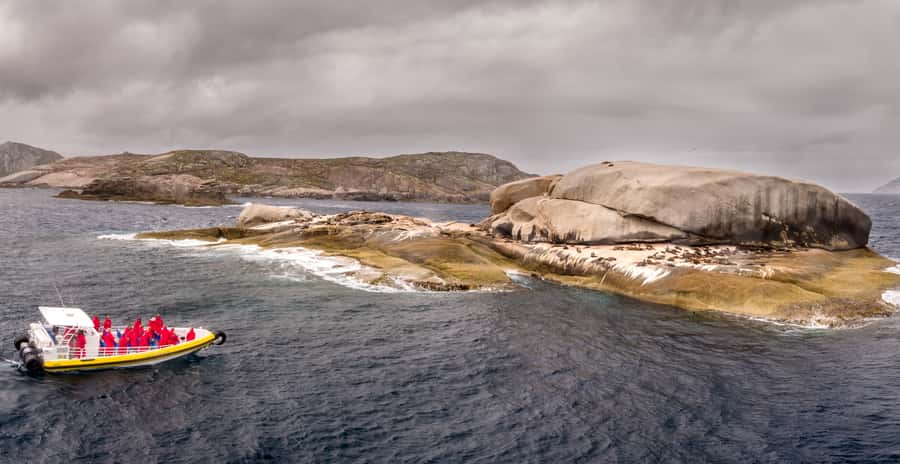
As you continue, you’ll cruise along The Glennies and around islands such as Anderson Islets and Anser Island. These areas matter because they’re where the ocean and geology do most of their “work”—carving, breaking, and leaving behind the rock platforms that wildlife uses.
This is also where you’ll likely spend time scanning. Depending on the day, seals can be active, and you may spot dolphins traveling along the route. The guide’s narration is useful here because it helps you know what to look for and where.
A good mindset for these stretches: don’t stare at the horizon only. Watch the rock edges and areas where wildlife can surface quickly.
Mount Oberon and Norman Beach’s Quartz Sands
One of the geology-focused highlights is Mount Oberon—described as prehistoric boulders—and the nearby Norman Beach, known for its white quartz sands. The contrast is what makes this stop memorable: dark rock masses and pale sand, all shaped by wave action over long time spans.
Even if you’re not a geology person, you’ll get it fast because the guide ties the look of the rocks to what you’re seeing on the water—how waves sculpt, how coastlines evolve, and why the Prom’s granite character shows up so clearly.
Skull Rock: The Monolith That Looks Different as You Approach
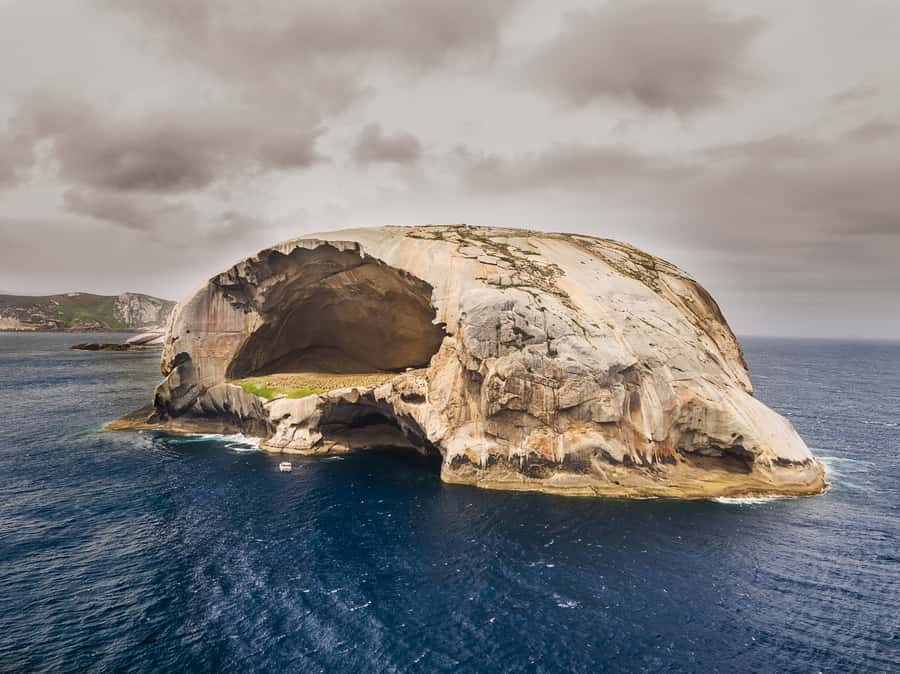
Then comes the signature. You’ll reach Skull Rock and see why people talk about it. The monolith is a granite feature sculpted by waves, and the eerie effect becomes more noticeable as you get closer—more “skull shapes” show themselves.
This is one of those spots where slow looking beats rapid photo-taking. Give yourself a minute to just watch the contours change as the boat adjusts. If you’re with kids, it’s also a hit because it turns geology into a story you can actually visualize.
Wildlife Viewing: How to Improve Your Chances
This cruise is a wildlife route, but it’s also a reality-check route. You can’t guarantee whales on a specific morning. What you can do is set yourself up to notice wildlife when it appears.
Here’s how to think about it:
- Seals: they’re often the easiest wildlife to detect because they hang out on visible rock areas.
- Dolphins: watch for quick surface activity and movement patterns; the guide will usually cue your eyes.
- Migrating whales: you’re often in a “watch and scan” situation. Conditions matter. When wind and waves are strong, spotting is harder and some sightings may not be as clear.
If motion affects you, don’t ignore it. One review detail that’s worth taking seriously: ginger tablets were offered to help with seasickness, and at least one person said they also had sunscreen available as part of the pre-departure prep. Even if you don’t usually get sea sick, it’s smart to consider a preventative approach.
What’s Included (and What You’ll Need to Plan)
Included:
- Boat trip
- Guide
- Waterproof and windproof jacket
Not included:
- Food and drinks
That last point matters more than it sounds. The cruise is only 150 minutes, but if you’re out in the cold/wind, you’ll feel it more if you’re hungry. Plan your timing so you’ve eaten before you go, or bring along snacks outside of what’s provided (only if the operator allows it—this data doesn’t spell out a policy). The safest assumption from the information given is: don’t count on meals being part of the cruise.
What to bring:
- Warm clothing (this is not a summer-only ride)
- Dress in layers, because wind makes everything feel colder than it looks.
Meeting Point and Check-In: Don’t Cut It Close
You’ll find the ticketing office in the same building as Tidal River Open Air Cinema. Check-in is 30 minutes before departure.
This buffer isn’t just bureaucracy—it’s where you get the safety briefing and the time to get sorted in gear. When water and wind are involved, a calm pre-boarding routine helps everyone.
Guide Style: What You’ll Learn Beyond the Photos
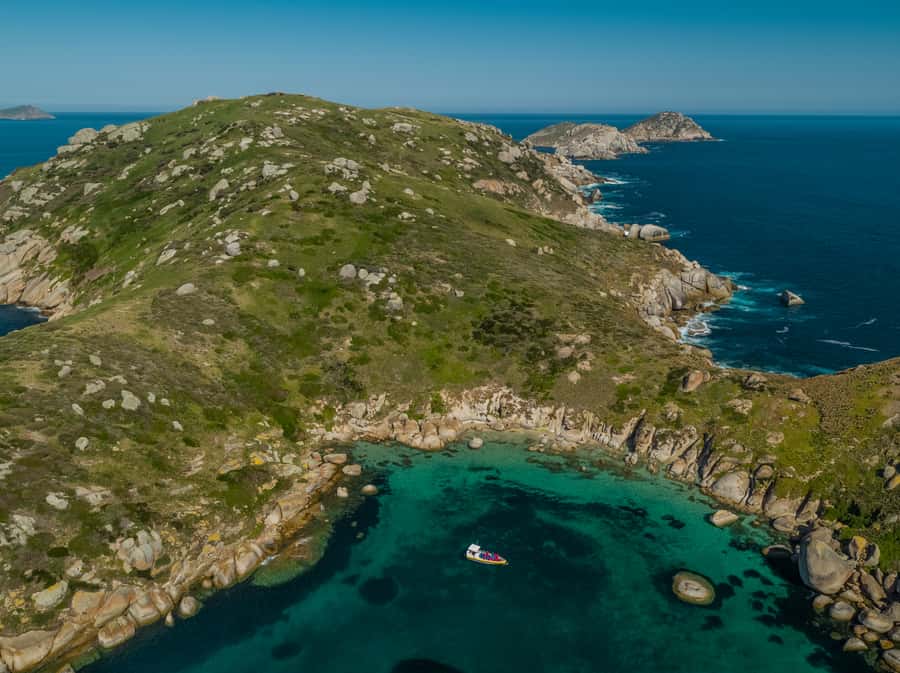
A lot of nature tours are either too lecture-y or too vague. This one lands somewhere more useful: it’s a live guide explaining what you’re seeing as the boat passes it.
Names you may encounter from past departures include Damo and Nash, and in other groups Matt and Nash also show up, plus Dave and Gareth were mentioned on separate occasions. While guide assignments can vary, the pattern is consistent: people describe the hosts as friendly, professional, and genuinely excited about the Prom.
Expect the narration to cover:
- local wildlife patterns (what’s likely and where)
- the character of the granite coastline and wave-sculpted features
- practical safety and comfort reminders as conditions change
Price and Value: Is It Worth $109?
At $109 per person for a 150-minute morning cruise, the price sits in the “experiences that save you time” category.
You’re paying for a few things at once:
- access to a marine national park viewing route you wouldn’t get from a simple scenic pull-off
- a specialist amphibious-boat setup that can handle the coastal conditions better than a basic tour boat
- a live guide who translates what you’re seeing into something you’ll remember
Is it the cheapest thing you can do around Wilsons Promontory? No. But it’s also not just a ride. When the weather is right, the combination of geology (Skull Rock, granite coastline, Mount Oberon) plus real wildlife odds (seals, dolphins, possible whales) makes it feel like high-impact sightseeing per hour.
If your priority is to cover the Prom’s key highlights in one guided outing—this tends to feel like good value.
Who This Tour Fits Best
You’ll likely enjoy this cruise most if you:
- want a guided way to see the Prom’s iconic spots without juggling multiple days of land driving
- like wildlife viewing and don’t mind scanning for it
- enjoy learning while you travel, not just at the stops
- can handle wind and waves (or are willing to take steps to manage seasickness)
It’s also a strong pick for families if everyone is prepared for the ride. One account mentioned a 9-year-old loving the cruise, and another described an older birthday celebration where care and assistance made the experience work for the group.
Should You Book This Morning Wilderness Cruise?
I’d book it if you want a short, high-reward morning that combines South Point, island passes like Anderson Islets and Anser Island, and the big signature moment at Skull Rock—all while searching for seals and dolphins along the way.
The decision should hinge on two things:
1) Weather tolerance. The cruise needs good weather, and when it’s rough you’ll feel it.
2) Your expectations. If you go for the experience and the storytelling of the coastline (not a guaranteed whale sighting), you’re set up to be happy even on imperfect mornings.
If you get sea sick easily, consider going only when conditions look calm—or bring whatever preventative plan you’re comfortable with and dress very warm.
If this sounds like your style of travel—nature first, guided viewing, and real places seen from a boat—this is a solid way to spend a morning in the Wilsons Promontory orbit.
FAQ
Where is the meeting point for the cruise?
You’ll find the ticketing office in the same building as Tidal River Open Air Cinema.
How long is the Wilsons Promontory Morning Wilderness Cruise?
The duration is 150 minutes.
What’s included in the price?
The price includes the boat trip, a guide, and a waterproof and windproof jacket.
Is food or drinks included?
No. Food and drinks are not included.
What should I bring?
Bring warm clothing. The weather can feel colder on the water, and the jacket helps but doesn’t replace layered warmth.
What’s the check-in timing?
Check in 30 minutes before the departure time. This allows for check-in, a safety briefing, and getting to the vessel.
Is the tour dependent on weather?
Yes. The experience requires good weather. If it’s canceled due to poor weather, you’ll be offered a different date or a full refund.
Do you provide anything for motion sickness?
A guide or crew may offer seasickness support such as ginger tablets, depending on conditions and what’s available at the time. (You may also want to plan based on how you usually react to choppy water.)
Are service animals allowed?
Yes, service animals are permitted on board.
What are the cancellation rules?
You can cancel up to 24 hours in advance for a full refund.