REVIEW · MELBOURNE
Melbourne Historical Walking Tour: Crime, Gangsters & Lolly Shops
Book on Viator →Operated by Melbourne Historical Crime Tours · Bookable on Viator
Some cities hide their past in plain sight. Melbourne’s gangster trail is right on the sidewalks. You’ll walk the CBD with a tight 2-hour format, hearing stories that connect 1870s to 1930s crime to buildings you can still see, plus the lolly-shop angle that makes the whole saga feel oddly modern. I especially liked the well-paced storytelling and the fact that the guide brings real documents into the mix. One heads-up: the subject matter is gritty, and there’s no food or drink stop built in—so bring what you’ll need.
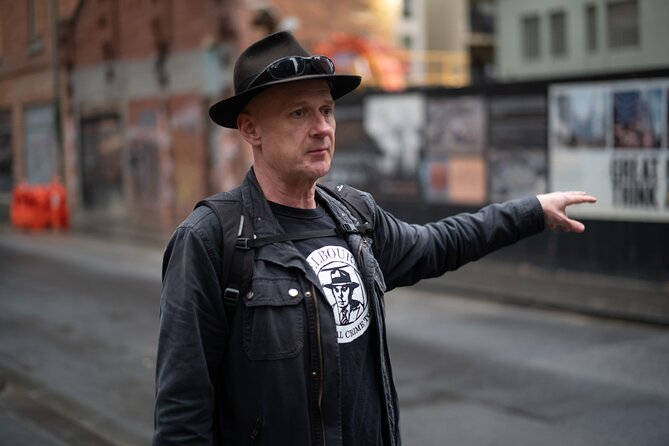
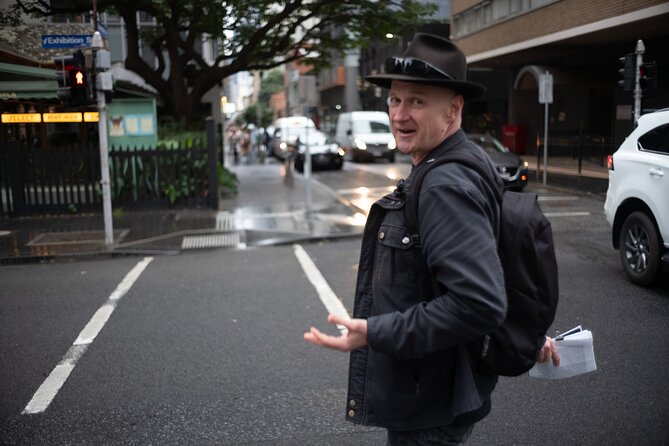
I really like the human approach here. Guide Michael Shelford runs the tour with clear structure, answers questions, and clearly invests time in research—old police files, not just repeatable folklore. I also love the included tour booklet with photos. It’s handy when you want to remember names like Squizzy Taylor after you’ve finished the walk.
The main drawback is simple: this is a walking and storytelling tour, not a slow museum-style visit. If you want more time to explore inside each historic spot, you may feel a bit limited by the pace.
In This Review
- Key things that make this tour worth your time
- A 2-hour walk where Melbourne’s crime story is still written in stone
- Price and value: what you’re really paying for
- Where you meet and how the route flows (Exhibition St to Lonsdale St)
- Stop 1 at Little Lon Distilling Co: the surviving cottage with a past
- Lonsdale Street’s brothel and speakeasy era: seeing the 1870s to 1930s shift
- Squizzy Taylor legends, gang myths, and why stories survive
- Little Lon: the slum story that changes how you understand the CBD
- Lolly shops as drug fronts: the detail that surprised me
- The booklet: why it matters after the walk ends
- Is this tour for you? Who will enjoy it most
- My quick “should you book it” verdict
- FAQ
- How long is the Melbourne Historical Walking Tour?
- How much does the tour cost?
- Where does the tour start and where does it end?
- What’s included in the price?
- Is food or drink included?
- Do I need a printed ticket?
- What’s the group size limit?
- Are children allowed?
- Is there a cancellation option?
Key things that make this tour worth your time
- Gangster stories tied to buildings you can actually point at in Melbourne’s CBD, not just abstract history
- Michael Shelford’s research-led narration, grounded in old police records and names you’ll recognize
- Little Lon Distilling Co as the standout stop: a surviving single-story cottage with a notorious past
- Lonsdale Street’s layered past from brothels and hubs of crime to speakeasy-style life (1870s–1930s)
- Squizzy Taylor myths and legend placed into a clearer, street-level context
- Lolly shops as fronts: you’ll see candy storefronts in a whole new light
A 2-hour walk where Melbourne’s crime story is still written in stone
Melbourne’s CBD looks clean and confident today. The trick of this tour is that it teaches you to notice what’s underneath. You start in the grid of modern streets, then the story pulls you backward: gangsters, crime mobs, and the street ecosystem that supported them from the late 1800s through the early 1900s.
What makes this kind of tour work is that it doesn’t just toss out names. It explains why certain places mattered—how businesses and back rooms fit into the bigger picture of control, money, and survival. You’re not just learning that crime happened. You’re learning how the city’s layout helped it function.
I also liked the tone. It’s historical and vivid, but it isn’t a shock-fest. Still, you should know what you’re signing up for: the tour deals with brothels, illegal activity, and the rough side of neighborhood life.
You can also read our reviews of more walking tours in Melbourne



Price and value: what you’re really paying for
At $35.86 per person for about 2 hours, this sits in the “short but strong” category. You get a walking route through the CBD, a tour booklet with photos, and at least one specific location where the entry component is handled for you (the first stop includes a free admission ticket).
In practical terms, the value is in the guide. The group size is capped at 20 travelers, which helps keep the tour conversational and keeps the pace from feeling like a cattle line. When a guide has a lot of detail and the route is tight, the money tends to translate into something you can feel on your feet: you don’t just hear facts—you get a story you can track as you move.
Two more value notes that matter:
- The tour is mobile ticket based, which makes it easier to show up and get started without extra hassle.
- You walk through areas you might otherwise rush past, especially around Little Lon and Lonsdale Street.
The trade-off is that you won’t get included snacks or a sit-down experience. The tour asks you to bring your own food and drinks, so you’ll want to think ahead if you’re doing this on a full-day outing.
Where you meet and how the route flows (Exhibition St to Lonsdale St)
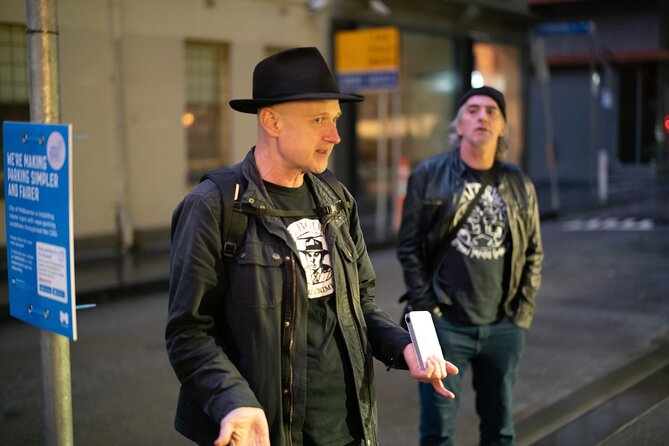
The start point is 282 Exhibition St. It’s an easy anchor in the CBD, and since the tour is near public transportation, you’re not locked into one commute style.
You end at 36 Lonsdale St, finishing at the corner of Lonsdale Street and Madame Brussels Lane. That ending matters because it helps you stitch the walk into your later plans. You finish in a still-central spot where you can keep exploring without backtracking across town.
The overall flow is what you’d expect from a CBD walking tour: you’ll move steadily, hear the next chapter, then connect it to the next cluster of buildings. Expect the time to be used for storytelling and observations, not long breaks.
Also, the tour is confirmed at booking time and runs on schedule. One theme that comes up clearly with this tour style: it starts promptly and stays on track, so if you’re the type who hates waiting, you’ll probably like the structure.
Stop 1 at Little Lon Distilling Co: the surviving cottage with a past
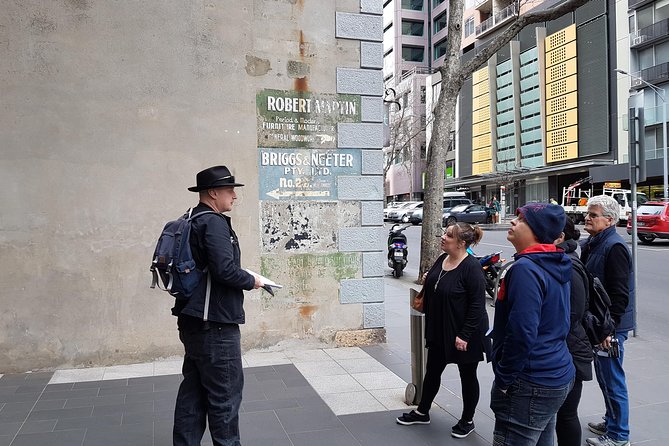
The first stop is Little Lon Distilling Co. The headline you’ll hear here is that it operates from Melbourne CBD’s only surviving single-story cottage. That alone turns the building into a time machine. But the tour goes further.
You’ll learn that the cottage was once a house of ill repute. Rather than relying on vague rumor, the stories are presented as coming from original police files—the kind of sourcing that helps explain why certain details stuck around while other stories changed.
There’s also a practical win: this stop notes 10 minutes and free admission ticket. So you’re not paying extra at the door or wondering how much time you’ll get inside. You get a brief, focused visit tied directly to the larger underworld story.
Why I think this stop is important for your experience: it sets the tone for the whole tour. After hearing about a single building with a known past, you’ll start noticing the rest of the route differently. The tour teaches you how to read street corners and storefronts like clues.
Lonsdale Street’s brothel and speakeasy era: seeing the 1870s to 1930s shift
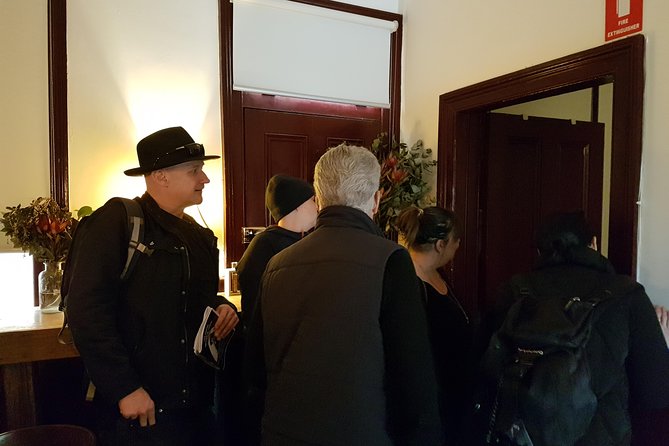
The heart of the route is the story along Lonsdale Street. This is where the tour’s theme becomes most concrete: you’ll walk past buildings that were once associated with brothels and hubs for crime, with the timeline running roughly from the 1870s to the 1930s.
You won’t just hear that these things existed. You’ll hear how they fit into day-to-day life—who used these spaces, how they were connected to bigger criminal networks, and how the city’s changing decades shaped the crime world.
A good historical walking tour does something subtle: it makes you understand that the city is layered, not replaced. Melbourne didn’t wipe the slate clean. Buildings and business fronts kept getting reused, reshaped, and rebranded. That’s the mindset this part encourages.
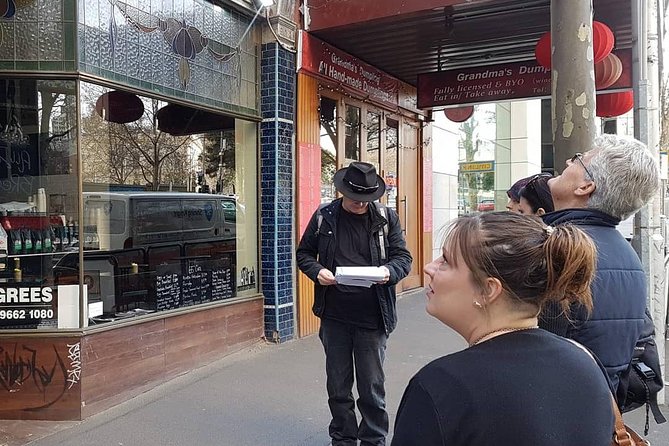
Potential drawback here: since it’s a walking tour, you may get less time than you want to linger and inspect each site at a slow pace. One practical way to handle that is simple: bring comfortable shoes, and if a particular building catches your eye, take a photo right away. You’ll want a visual reference when the story moves on.
You can also read our reviews of more historical tours in Melbourne

Squizzy Taylor legends, gang myths, and why stories survive
The tour brings in famous gangster lore—especially Squizzy Taylor—but the stronger value is how the guide uses legend as a doorway into history. You’ll hear myths and legends, yes. But you’ll also get context for why certain stories spread and what they likely reflected about the era.
That matters because street-level criminal reputations often operate like folklore. People repeat the version that sounds right, the version that sells, the version that makes sense to the listener. A research-focused guide helps you separate what’s just dramatic from what points to real patterns.
I also appreciated how the tour frames the idea of “mobs” and gang activity as something that wasn’t random. It was tied to infrastructure—meeting points, repeat customers, and businesses that could keep the money flowing.
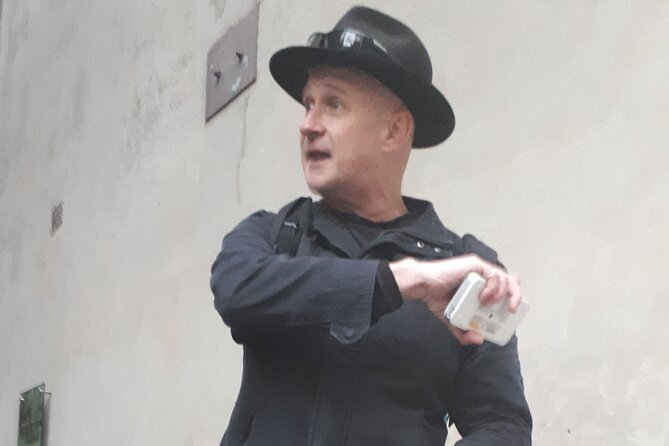
This is also where you’ll feel the guide’s energy. Michael Shelford is repeatedly praised for how engaging he is and how well he keeps the narrative moving. It helps that he’s easy to follow when the subject matter gets dense.
Little Lon: the slum story that changes how you understand the CBD
One of the tour’s big concepts is Little Lon, often described as a slum. Even if you don’t know much about it going in, the walk gives you a way to interpret what you’re seeing.
The key shift is this: you stop thinking of the city as a set of attractions and start thinking of it as a living machine that includes the rougher gears too. Little Lon becomes more than a label. It becomes a geography of opportunity and exploitation.
When the tour ties Little Lon to real buildings and nearby streets, the story stops feeling like a distant crime documentary. It becomes local. It’s one thing to read about underworld neighborhoods; it’s another to stand near the modern CBD and hear how the same streets once functioned in a completely different social economy.
If you like history that feels street-level, this is a strong part of the experience. If you prefer polished, only-positive history, you might find the tone heavy. But it’s handled in a way that keeps the tour thoughtful rather than grim.
Lolly shops as drug fronts: the detail that surprised me
This tour’s title does a clever thing: it sets you up to look at lolly shops—candy stores—as something more than a quirky detail. In this story, those shops become fronts used by gangs for major drug operations.
That’s not just a creepy fun fact. It changes how you look at commercial spaces. The tour highlights how legitimate-seeming retail could hide illegal supply chains. It also shows how a neighborhood’s small businesses could become part of bigger criminal systems.
I love this kind of framing because it takes the past seriously. It doesn’t reduce the era to one-dimensional villains. It treats crime like an industry built on branding, disguise, and customer routines—exactly the sort of thing that can feel uncomfortably relevant, even decades later.
You’ll likely leave with an odd new appreciation for how often public-facing storefronts can conceal private deals. It’s a history lesson, but it’s also a street-sense lesson.
The booklet: why it matters after the walk ends
One included item that punches above its weight is the tour booklet with photos. At the end of a 2-hour walk, names can blur. Photos help you keep track of faces, aliases, and the key characters tied to locations.
It also makes the tour easier to re-walk mentally. You can match what you saw with the written version, rather than relying on memory alone. This is especially useful for stories involving multiple characters, because the tour timeline covers several decades.
If you’re the kind of traveler who likes to keep notes for later or tell friends what you learned, the booklet gives you something concrete to take with you.
Is this tour for you? Who will enjoy it most
You’ll probably enjoy this tour if you like:
- City walks that connect story to buildings
- Crime history with clear structure and names
- A guide who’s good at answering questions and keeping momentum
This also works well for locals who want a fresh angle. Melbourne is full of repeat-visited streets. This tour gives you a reason to look slower and notice details you’d otherwise ignore.
On the other hand, consider skipping or choosing something else if:
- You want a family-friendly outing that avoids heavy subject matter.
- You dislike walking-and-talking formats.
- You expect time to browse inside multiple sites rather than hear stories on the move.
Children can go, but must be accompanied by an adult. Since the themes are adult and gritty, it’s worth judging your group’s comfort level first.
My quick “should you book it” verdict
If you want a short, focused way to understand Melbourne’s underworld past—without it turning into either a cheesy ghost story or a dry lecture—this tour is a strong pick. I’d book it for the combination of street-level storytelling, the small group size, and the fact that the guide uses police-file research rather than just repeating legends.
Book it if you love when a city’s present helps explain its past. Skip it if you need lots of food breaks or a purely uplifting history fix.
If you’re planning your day, plan to eat before or after, and wear comfortable shoes. Then show up ready to think of lollies, lanes, and storefronts as clues. That’s when this walk really clicks.
FAQ
How long is the Melbourne Historical Walking Tour?
It’s about 2 hours.
How much does the tour cost?
The price is $35.86 per person.
Where does the tour start and where does it end?
It starts at 282 Exhibition St, Melbourne VIC 3000 and finishes at 36 Lonsdale St, at the corner of Lonsdale Street and Madame Brussels Lane.
What’s included in the price?
You get a tour booklet featuring photos. Admission ticket is free for the first stop (Little Lon Distilling Co).
Is food or drink included?
No. You’re asked to bring your own food and drinks.
Do I need a printed ticket?
No, it uses a mobile ticket.
What’s the group size limit?
The tour has a maximum of 20 travelers.
Are children allowed?
Yes, but children must be accompanied by an adult.
Is there a cancellation option?
Yes, there’s free cancellation. You can cancel up to 24 hours in advance for a full refund. If you cancel less than 24 hours before the start time, the amount paid is not refunded.