REVIEW · APOLLO BAY
Apollo Bay: Dusk Discovery Great Ocean Road Wildlife Tour
Book on GetYourGuide →Operated by Wildlife Wonders · Bookable on GetYourGuide
Dusk makes wildlife feel like magic. This Apollo Bay Great Ocean Road tour times it right, so you’re out when animals switch from daytime routines to nighttime habits. I like that it’s built around a conservation-minded guide and a small group, not a big cattle-call.
I also like the practical setup: binoculars and headsets help you actually see and hear what the guide is pointing out, even when the light drops fast. And the tour wraps up with local produce mezze plus a beer, wine, or soft drink.
One drawback to keep in mind: it’s still the wild. Even with great odds, you can’t guarantee every animal on your wish list, and that’s why timing matters so much.
In This Review
- Key things to know before you go
- Dusk on the Great Ocean Road: why this timing matters
- The small-group format: your chance to see and hear more
- Mezze and a drink before the dusk walk: make the evening feel complete
- The 90-minute wildlife tour: how the sanctuary experience typically unfolds
- Spotting strategy at dusk: what to watch for when animals are near
- The guide’s role: bush secrets you can carry home
- Which animals you might see (and what to do with expectations)
- Conservation and the feel-good factor: your evening has a purpose
- Price and value: is $67 worth a 90-minute guide-led dusk tour?
- Getting ready: how to plan your evening in Apollo Bay
- Walk distance and comfort: who can handle this kind of dusk outing?
- What I’d pair with this on your Great Ocean Road trip
- Should you book the Apollo Bay Dusk Discovery Wildlife Tour?
- FAQ
- What’s the total duration of the Apollo Bay Dusk Discovery Great Ocean Road Wildlife Tour?
- Where do I meet for the tour?
- What’s included in the ticket price?
- Do I get hotel pickup or drop-offs?
- Is the tour suitable if I use a wheelchair?
- How big is the group?
- What happens if the weather is bad?
Key things to know before you go
- Small group (up to 10) means you’re not lost in the back row when the guide spots something.
- Headsets and binoculars help you track movement and make the most of low light.
- A wildlife sanctuary visit at dusk shifts the action from shy daytime species to creatures that actually show up at night.
- Photo-friendly timing gives you a better chance to capture what you see as the sky fades.
- Conservation focus with 100% of profits supports local protection and research efforts.
- Mezze plus a drink before the walk turns the evening into something more than just wildlife spotting.
Dusk on the Great Ocean Road: why this timing matters
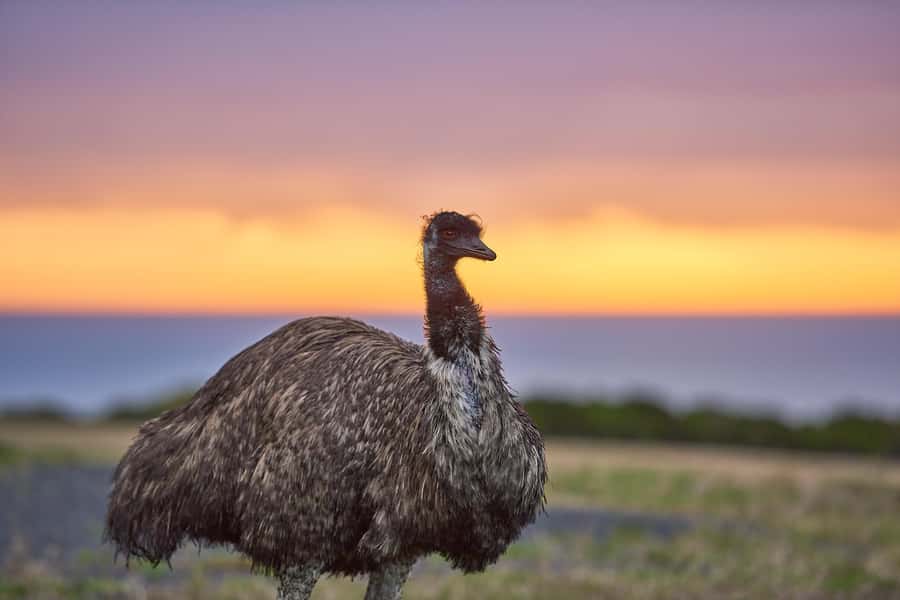
Dusk isn’t just pretty. It changes the whole tempo of the bush. As the sun sets, many animals that were active in daylight ease off, while other creatures start moving and feeding. That’s the sweet spot this tour is designed for.
From Apollo Bay, you’re working with the rhythms of the Otways region. The landscape is the star, but it’s also a clue: you’ll be looking for movement near cover—bush edges, open pockets, and places where animals can stay out of sight.
If you’re someone who’s heard the Great Ocean Road wildlife stories but worries you’ll miss the best part, this is the fix. You’re not trying to cram wildlife into a daytime stop. You’re planning around how wildlife actually behaves.
You can also read our reviews of more tours and experiences in Apollo Bay

The small-group format: your chance to see and hear more
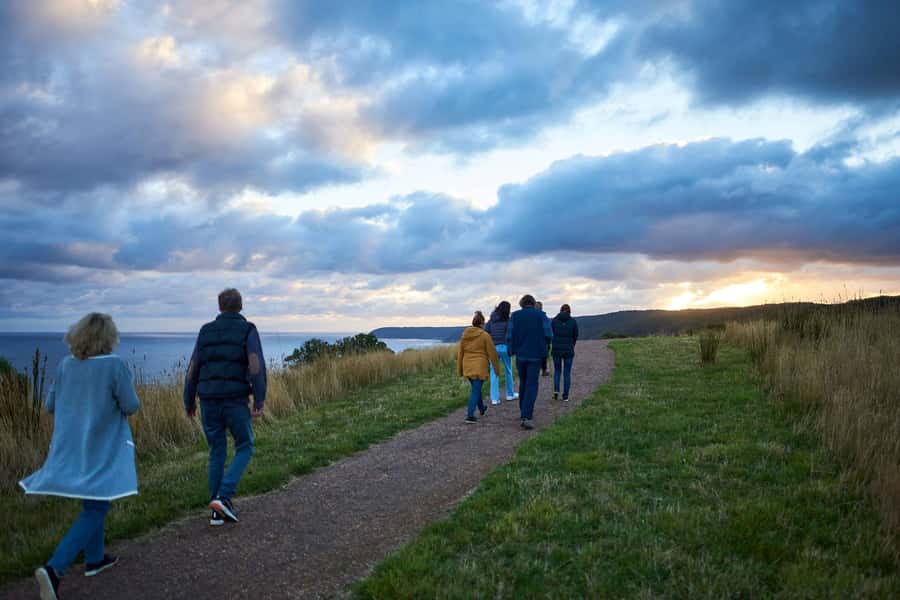
This is a small group tour limited to 10 participants. That matters because wildlife spotting is messy work. One person spots something late, another person is blocked by someone standing taller, and suddenly your “we’ll all see it” plan turns into a guessing game.
With a tiny group, your guide can slow down and reposition quickly. You can also keep your eyes on the guide’s cues—where to look, what to listen for, and how to scan without spooking animals.
You also get headsets and binoculars. Headsets are a big deal in the bush because you’ll naturally drift farther from the guide when you’re scanning. Binoculars help when you can see movement but not the details. In dusk light, that’s often the difference between a vague flicker and an actual species sighting.
Mezze and a drink before the dusk walk: make the evening feel complete
Before the wildlife time starts, you’ll enjoy a shared mezze plate of local produce. You can pair it with a beer or wine (or a soft drink). It’s a simple add-on, but it changes the mood.
Instead of arriving hungry, rushed, and cold (yes, it can get chilly quickly by the water), you get a chance to settle in and get your bearings. It also buys you time for photos and last-minute questions before you head out.
This part is especially nice if you’re traveling with non-hikers or people who want the “Great Ocean Road wildlife” experience but don’t want a tough, all-day program. The food gives the tour a proper evening structure.
The 90-minute wildlife tour: how the sanctuary experience typically unfolds
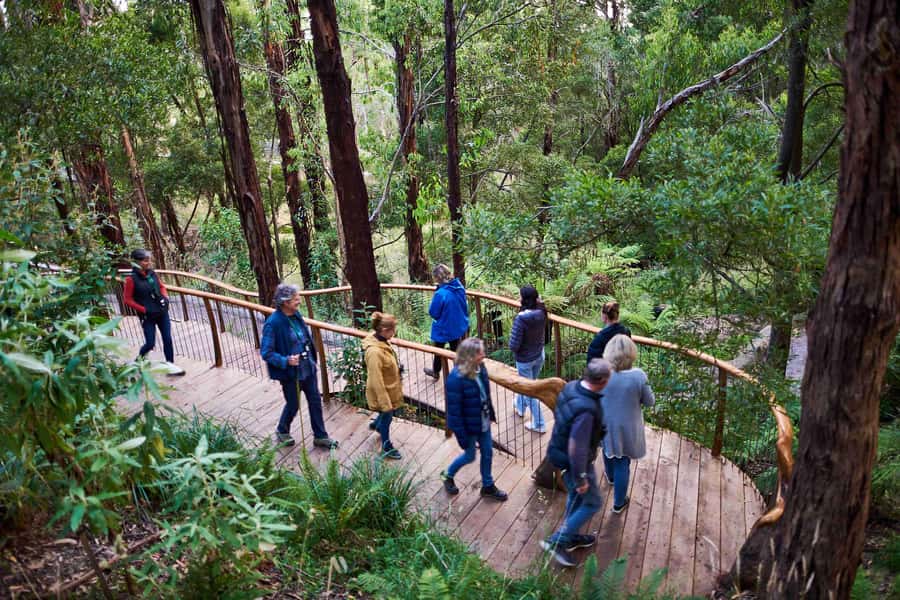
The main outing is around 90 minutes. The idea is to go into the Otways bush at the exact moment when animals become more active for the night.
While you’re out, your conservation-focused guide leads the group through a wildlife sanctuary area. You’ll be stopping and scanning, and you’ll spend time learning what to look for. That includes both fauna and flora—what plants attract insects, what cover provides shelter, and what animal behaviors help you notice them before they notice you.
You’ll also get photo opportunities. Dusk is a tricky light for pictures, but it’s also when you get atmosphere—cooler colors in the sky and animals moving in more natural-looking conditions. Bring your patience. Some of the best moments are the ones where you wait quietly and the bush gives you a surprise.
One more thing: this tour is designed so you’re not just walking for walking’s sake. The stops and scanning moments are the point.
Spotting strategy at dusk: what to watch for when animals are near
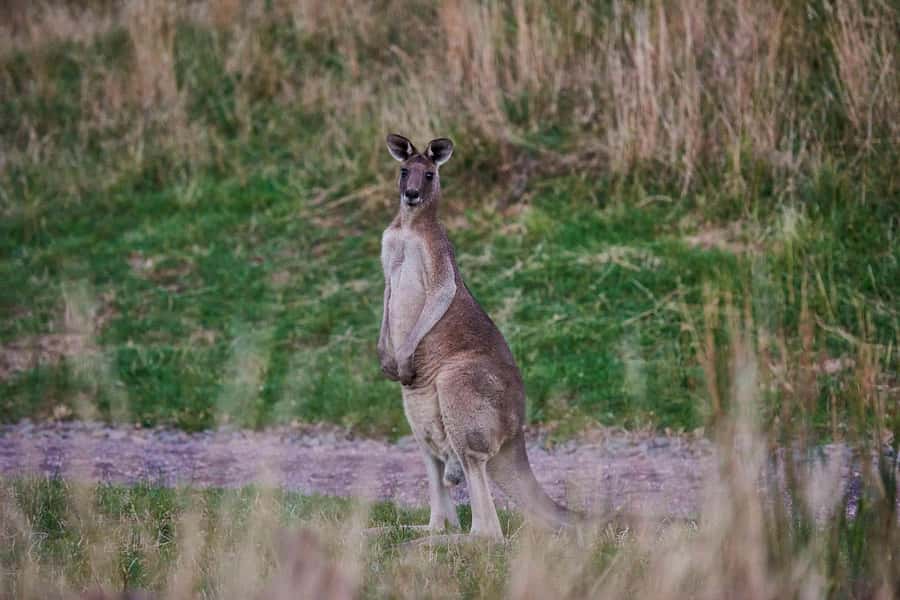
Wildlife at dusk tends to be “present but not obvious.” You might see a shape first—then the guide helps you interpret it. You might hear a sound before you understand what made it. And sometimes you’ll spot animals only after they’ve decided you’re not a threat.
Here’s what the guide setup supports:
- You can use binoculars to confirm what you’re seeing instead of guessing.
- Headsets keep you connected to instructions, so you know where to look next.
- The guide’s scanning style helps you move your attention efficiently. That’s important because stopping too long in one place can spook an animal that’s already aware of you.
If you’ve only seen Australian wildlife from road pull-offs, you’ll notice the difference fast. Dusk spotting is slower and more intentional. You’re learning to read the bush instead of just hunting for icons.

The guide’s role: bush secrets you can carry home
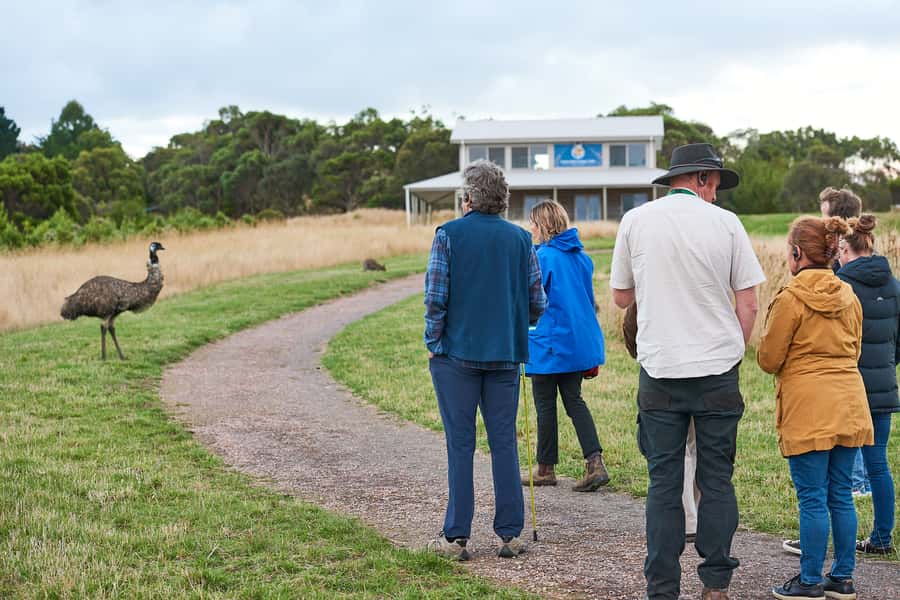
The tour leans hard on interpretation. Your conservationist guide shares the “why” behind what you’re seeing: how the Otways bush functions, which plants and animals belong there, and how these habitats support wildlife across seasons.
That includes practical knowledge you can reuse later on the coast and inland. Once you understand what cover looks like, how movement shows up at low light, and what kinds of places animals choose, you’ll start noticing more everywhere you go.
One guide name that came up in feedback is Nicole, praised for sharing interesting information and tips. That kind of on-the-ground storytelling matters because it turns wildlife spotting into a skill, not just luck.
Even if you don’t catch every headline species, you’ll leave with a better sense of how the ecosystem works—and why animals behave the way they do at nightfall.
Which animals you might see (and what to do with expectations)
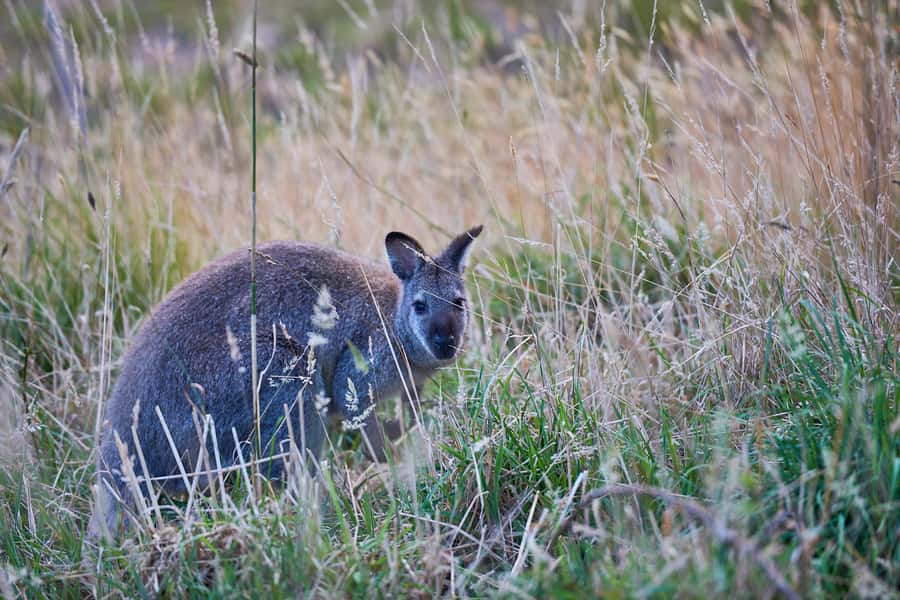
The best part of a dusk wildlife tour is also the hardest part to manage: unpredictability. But the upside is that dusk increases the chances for animals that are normally shy or inactive during the day.
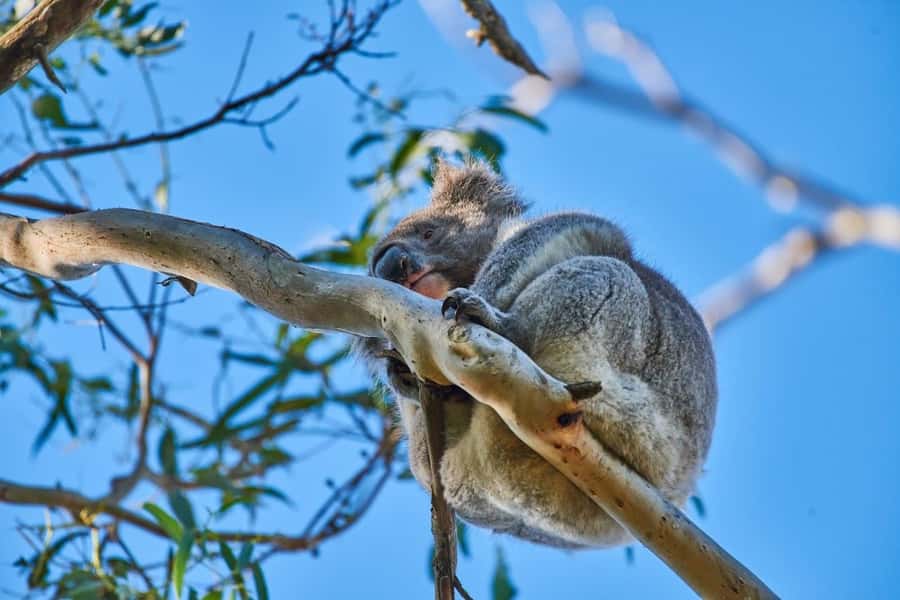
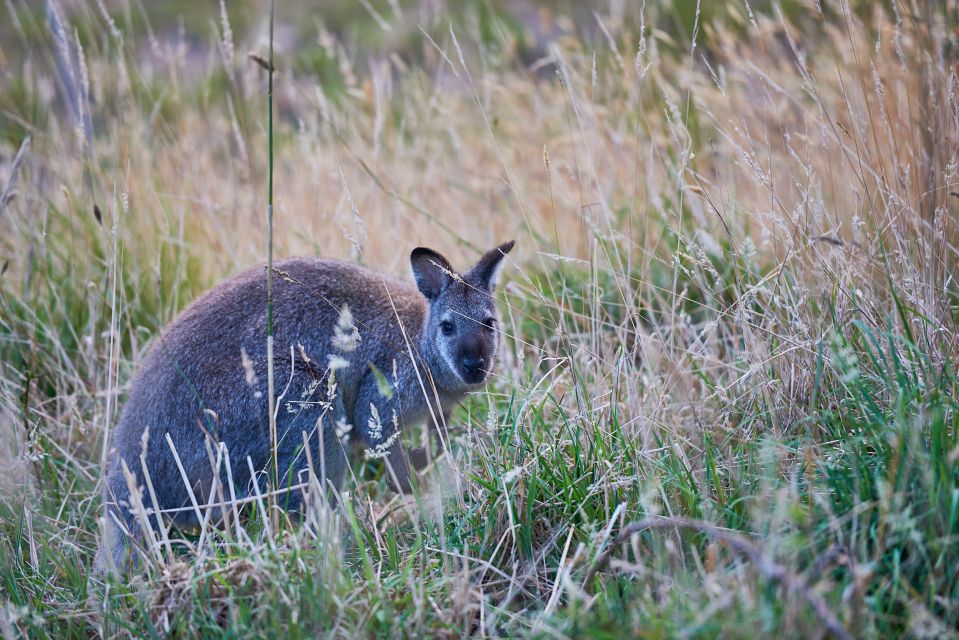
Feedback from past outings includes sightings such as koalas, echidnas, emus, kangaroos, wallabies, and additional species like potoroos and bandicoots. One account also mentioned pandamelons. In other words, you’re not limited to only the most famous animals.
Still, keep expectations flexible. One review summed up the experience as similar to a zoo experience without the bars—essentially meaning: this is a controlled environment designed to support wildlife viewing, not a guarantee of “surprise wildlife” in total wilderness. That’s not a deal-break for most people, especially if you came for a higher chance of sightings and a guide-led learning experience.
My practical take: go with a “maybe I’ll see everything, but I’ll learn regardless” mindset. If you do catch multiple animals, great. If you catch a few plus a lot of bush knowledge, you’ll still feel like the night was worth it.
Conservation and the feel-good factor: your evening has a purpose
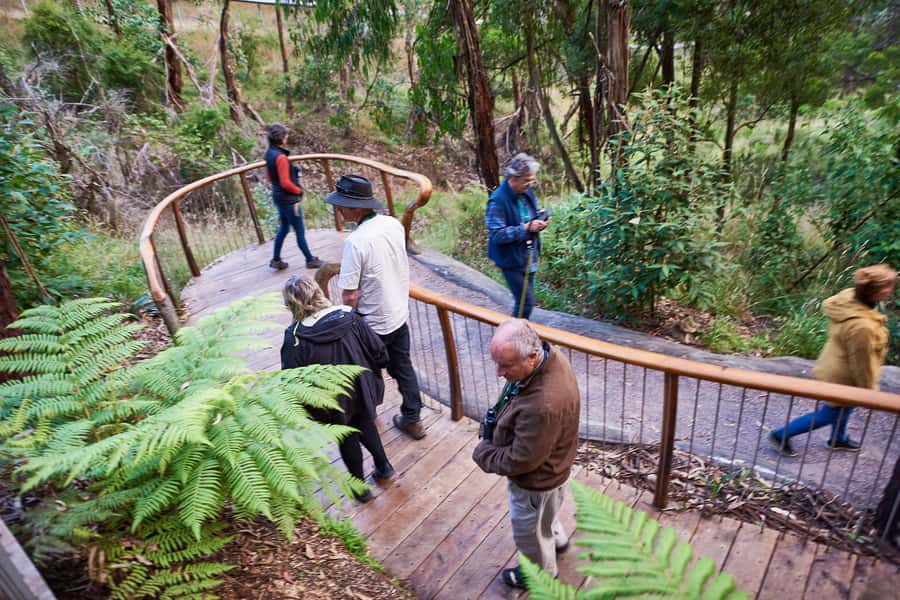
This tour makes a clear claim: 100% of profits support local conservation and research projects. That matters because wildlife viewing can drift into pure entertainment if there’s no conservation component.
Here, the conservation framing isn’t just marketing language. It’s part of what the guide teaches. When you understand habitat needs and animal behavior, you start appreciating why protection matters. And because the sanctuary experience is designed around wildlife wellbeing, you’re not just taking photos—you’re also supporting work that helps keep these species and habitats going.
If you care about ethical travel, this is a strong reason to book.
Price and value: is $67 worth a 90-minute guide-led dusk tour?
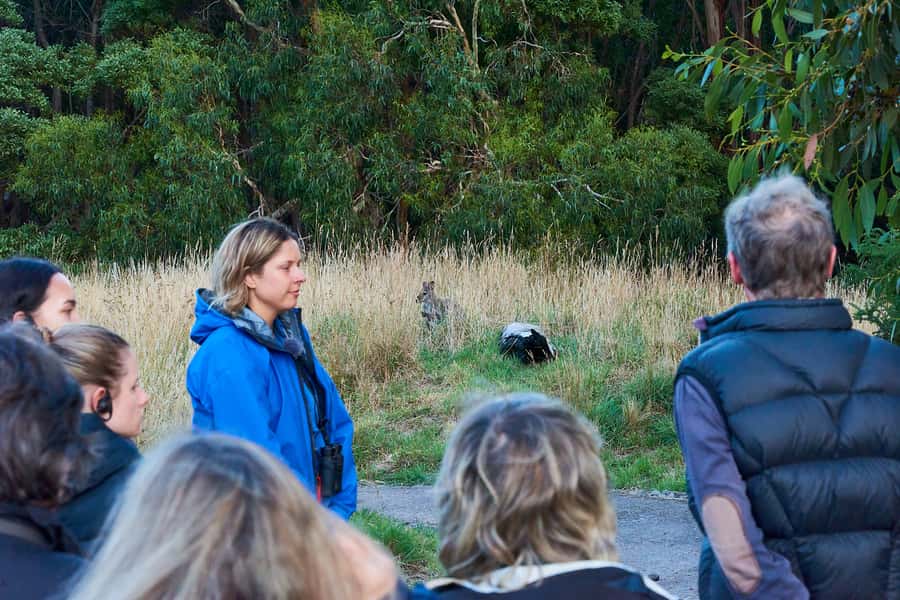
At $67 per person, you’re paying for a specific mix:
- A conservationist guide leading the evening
- Headsets and binoculars for better spotting
- A shared mezze plate plus beer, wine, or soft drink
- Free parking
- A small group size that improves your odds of actually seeing what the guide spots
If you compare it to a basic ticketed wildlife experience that includes no gear and no food, the value is usually easier to justify. If you compare it to wildlife “tours” that are basically a drive-and-stop, this is different. You’re walking and scanning, with equipment and a guide who explains what you’re looking at.
And because your evening includes food and a drink, you’re not spending extra right after you return. You’ll likely find it easier to plan one clean block of your day around this tour.
The only reason it might not feel worth it is if you’re the type who wants total spontaneity and doesn’t like guided scanning. But if you want higher odds, and you enjoy learning while you look, the price fits the experience.
Getting ready: how to plan your evening in Apollo Bay
You’ll want to arrive a bit early so check-in doesn’t eat into your pre-tour calm. The meeting point is at the reception desk on arrival.
Timing is also part of the value here. The full experience is listed as 150 minutes, with the core tour around 90 minutes. That extra time accounts for the mezze/drinks period and the wrap-up, so you’re not rushing from dinner plans into a long hike.
Also note the weather reality. Tours run in almost all weather conditions, and the bush is still beautiful in rain. But the operator can delay or reschedule if extreme weather threatens safety. That’s normal in outdoor areas, and it’s the smart move.
Walk distance and comfort: who can handle this kind of dusk outing?
The tour is wheelchair accessible, which is a big plus for mixed groups. You should feel comfortable booking if you need an accessible experience.
One detail you should know: there’s mention of another tour option with a 1.4 km walk and a gentle gradient. That info appears alongside accessibility guidance, but it’s not stated as the distance of this dusk outing. So if you have mobility limits, your best approach is to plan based on accessibility support and contact the visitor experience team at least 48 hours prior if you need assistance.
What I’d pair with this on your Great Ocean Road trip
If you’re doing the Great Ocean Road with a “wildlife plus views” goal, this tour slots in nicely as a structured evening activity. You’ll get a different side of the region than daytime lookouts offer.
A good pairing:
- Daytime sightseeing on the coast, then
- Dusk wildlife with a guide, then
- A low-stress dinner after you return
Why it works: dusk spotting needs your attention. If you try to cram it between two intense activities, you’ll feel rushed and miss the calm scanning that makes wildlife easier to spot.
Should you book the Apollo Bay Dusk Discovery Wildlife Tour?
Book it if you want:
- A higher chance of seeing animals that are tougher to spot in daylight
- A guide-led experience with binoculars and headsets
- A proper evening format with local mezze and a drink
- A clear connection to conservation support through local research and protection
Skip it (or rethink it) if you only enjoy wildlife when it feels totally random and you hate waiting quietly for animals to show themselves. And if your top goal is a specific animal only, accept that the wild can say no—even with the best planning.
If you come with flexible expectations, you’ll likely love it. The tour’s strength is that it turns dusk into a guided skill: look better, learn faster, and leave with more than just photos.
FAQ
What’s the total duration of the Apollo Bay Dusk Discovery Great Ocean Road Wildlife Tour?
The total experience is listed as 150 minutes, with the 90-minute wildlife tour portion happening during that time.
Where do I meet for the tour?
You check in at the reception desk on arrival.
What’s included in the ticket price?
Included are the 90-minute tour with a conservationist guide, headsets and binoculars, a shared mezze plate, wine/beer or a soft drink, and free parking.
Do I get hotel pickup or drop-offs?
No. Hotel pickup or drop-offs are not included.
Is the tour suitable if I use a wheelchair?
Yes. The tour is listed as wheelchair accessible.
How big is the group?
It’s a small group limited to 10 participants.
What happens if the weather is bad?
The tour runs in almost all weather conditions, but the operator may delay or reschedule if extreme weather threatens safety.