REVIEW · MELBOURNE
Architecture Tour of Melbourne
Book on Viator →Operated by MELTours · Bookable on Viator
Melbourne’s buildings tell stories as you walk. This 2-hour architecture tour connects the city’s built form back to the 1850s, using a guide to explain what you’re looking at as you move through the CBD. I love the small group size (max 10) because it keeps questions flowing, and I love how the tour gives you a clear overview without making it feel like a lecture. One key drawback: it is not wheelchair accessible, and you’ll be doing a good amount of walking.
You’ll meet at St Paul’s Cathedral on Flinders St, then head toward some of Melbourne’s most recognizable landmarks. The route is designed to cover different eras and styles, from early CBD landmarks to more modern public spaces. Guides like Kathy, Sam, John, and San are repeatedly praised for making the info feel human, funny, and easy to follow.
Before you book, wear comfy shoes and plan for weather. The tour needs good conditions, and if it’s canceled due to poor weather, you can switch to another date or get a full refund.
In This Review
- Key things to know before you go
- Meeting at St Paul’s Cathedral: a smart starting point on Flinders St
- The walk pace: why 2 hours feels just right in the CBD
- The tour route in plain English: where you’ll go and what you’ll get
- Federation Square: a public-space stop that changes the mood
- Flinders Street Station: learning to see the landmark, not just the building
- ANZ Bank Museum: where institutions get a story
- Scots Church: an older landmark anchor
- The rest of the stops: shorter peeks that still matter
- Guides make the difference: small group energy, real conversation
- Price and value: what $64.55 really buys you
- Practical tips so you enjoy every stop
- Who should book this architecture tour?
- Should you book the Architecture Tour of Melbourne?
- FAQ
- Where do I meet for the tour?
- How long is the Architecture Tour of Melbourne?
- What’s the group size limit?
- Is the tour wheelchair accessible?
- Which sights are included?
- Where does the tour end?
- Is this tour weather dependent?
- How much does it cost?
- Will I get a mobile ticket?
- When will I receive confirmation?
- Can I cancel for a refund?
Key things to know before you go
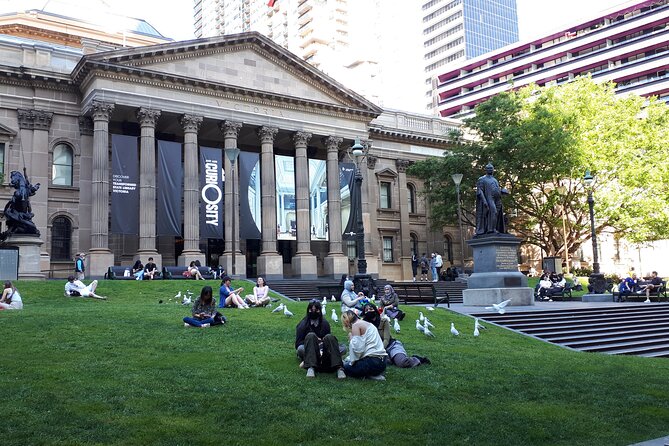
- Small groups (max 10): better pace, more Q&A, and you’re not just swept along.
- St Paul’s Cathedral start on Flinders St: easy to find and centrally located.
- A guided walk through major CBD stops: Federation Square, Flinders Street Station, ANZ Bank Museum, Scots Church, and more.
- Designed for a 2-hour commitment: plan on steady walking and short photo pauses.
- Not wheelchair accessible: choose another format if mobility is an issue.
- Good weather matters: you’ll get a change of date or a full refund if conditions fail.
Meeting at St Paul’s Cathedral: a smart starting point on Flinders St
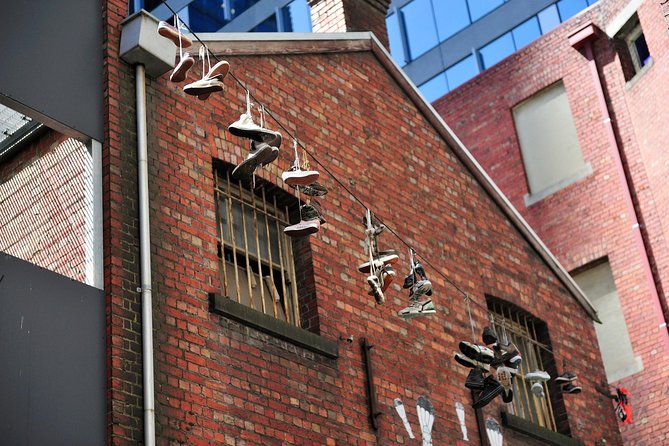
The tour begins at 198–206 Flinders St, where you’ll meet near St Paul’s Cathedral. That matters more than it sounds. Flinders St is a natural “hub” in Melbourne’s CBD, so you’re not trying to figure out remote corners or obscure pickup spots. If you’re using public transport, this area is also the kind of place where transfers tend to be straightforward.
The cathedral itself sets the tone. Even before you hear your guide talk, you get a sense of scale and presence—then the tour uses that moment to help you read the rest of the city. One review detail that stood out to me is how guides can answer questions that come up mid-walk. In practice, that means you’re not stuck with a one-way script; you can ask what something is, why it was built, or how it fits into what came before.
Just remember the accessibility note: this route is not wheelchair accessible. The tour is built around walking between stops, and there’s no alternative path described in the info you provided.
You can also read our reviews of more tours and experiences in Melbourne.

The walk pace: why 2 hours feels just right in the CBD
This is roughly a 2-hour walking tour, and the practical takeaway is simple: it’s long enough to feel like you actually saw the city’s architectural “spine,” but short enough that it won’t eat your entire day.
In Melbourne’s CBD, you can stand in one place and see layers of time—old facades, newer public spaces, and institutions that keep reshaping the street. But if you only wander on your own, you miss the meaning. This tour’s format helps you connect the visuals to the story behind them, while still keeping movement steady.
Also, the tour can be tailored to the group’s interests as much as possible. That’s useful because architecture tours can go one of two ways: either they rush through stops, or they linger so long that you don’t get the full route. Here, the expectation is a balanced pacing, and the guide can adjust if your group cares more about design details or more about history.
The tour route in plain English: where you’ll go and what you’ll get
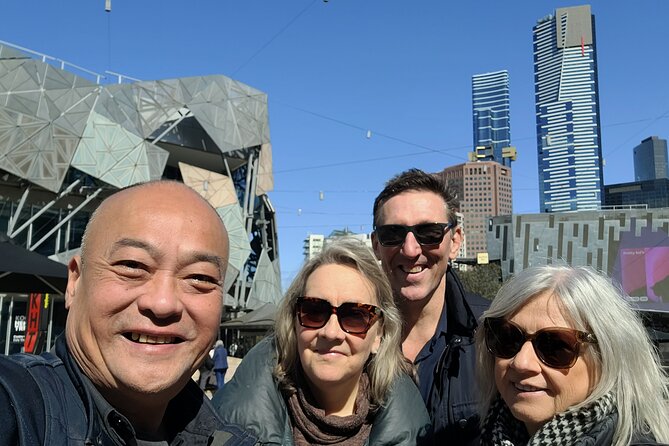
You’ll cover several major CBD landmarks across different periods, with stops including Federation Square, Flinders Street Station, ANZ Bank Museum, and Scots Church, plus additional sights along the way.
Even if you’ve been to Melbourne before, the value is in the way the tour “explains what you’re looking at” rather than simply pointing. This tour is built to give you an overview that makes later independent exploring easier. By the time you finish, you should be able to look at a building and guess what kind of era it belongs to—and why that era matters.
Federation Square: a public-space stop that changes the mood
Federation Square is one of those places you can walk through without really noticing how it’s doing its job. On this tour, it becomes a reference point for understanding how Melbourne’s CBD evolved, and how public spaces reflect changing ideas over time.
A practical tip: treat Federation Square as your “shift moment.” When the tour reaches it, the guide will likely connect modern civic space with what came before, so your brain starts categorizing the city by function: institutions, transit hubs, and public gathering points. That makes the next stops click faster.
Flinders Street Station: learning to see the landmark, not just the building
Flinders Street Station is the kind of place most people notice, but not everyone knows how to read. With a guide, the station stop turns into more than photos at the front steps. You get context for why this kind of transit landmark is so important in city identity, and you also learn to spot design cues that you’d normally pass by quickly.
I like this stop because it’s visually strong and easy to reference later. After this tour, when you return to the station area, you’ll remember what the guide pointed out—and you’ll see more detail than you did at the start.





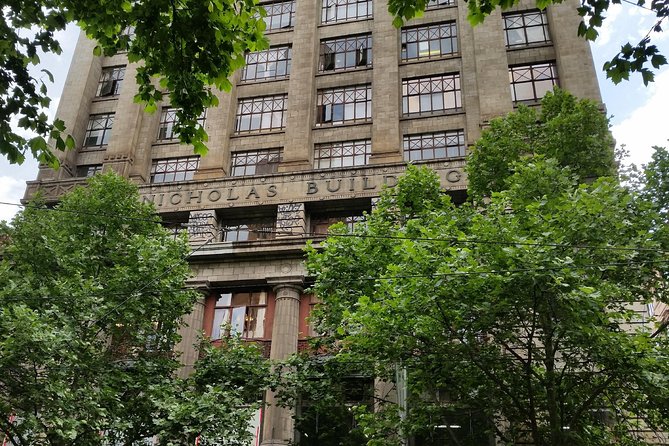
ANZ Bank Museum: where institutions get a story
The ANZ Bank Museum stop adds depth because it shifts you from street-level wow-factor to institutional architecture. This is where the tour helps you understand that a city isn’t shaped only by famous buildings; it’s shaped by the places where finance, administration, and long-term civic life happen.
If your interest leans toward how cities organize themselves, you’ll likely enjoy this part. It also breaks up the walk so you’re not only dealing with big open spaces and transit areas. Even if you’re not going inside somewhere for long (your tour timing stays tight), the guide’s explanations should help you connect architecture to purpose.
Scots Church: an older landmark anchor
The Scots Church stop gives you a chance to anchor the route in a more traditional landmark feel. Architecture tours like this are often strongest when they include at least one major “older” sight, because it creates contrast. That contrast makes it easier to understand how style changes—and why certain features keep appearing over time.
This is also a useful stop if you like buildings with personality. The church setting tends to feel less like a modern corridor and more like a place with weight in the streetscape. Expect your guide to connect what you’re seeing to the broader story of the city’s development from earlier years.
The rest of the stops: shorter peeks that still matter
Your tour includes additional sights beyond the four named highlights, and that’s part of the value. Architecture can feel like trivia if it’s only the headline buildings. Here, the extra stops help you connect the dots so you get a true CBD “map in your head.”
Also, since the tour end point is flexible, you’ll likely feel like it finishes where it makes the most sense for your group’s pace. The info says the tour finishes roughly near Bourke Street Mall, depending on group size and speed.
Guides make the difference: small group energy, real conversation
What consistently shows up in the experience is the guide quality. Names like Kathy, Sam, John, and San appear in the guide feedback, and the recurring theme is that the explanation feels tailored and conversational—not rehearsed.
Here’s why that matters for you: architecture can be tough to enjoy if you only get basic facts. But when a guide can answer odd questions and adjust the flow based on what your group wants to know, the tour becomes about seeing. You start to notice details you’d never bother with on your own.
I also like that the tour is small enough for the guide to manage pace and curiosity. With max 10, the group dynamic stays friendly. It’s easier for you to ask, easier for the guide to respond, and easier to keep up without feeling rushed.
Price and value: what $64.55 really buys you
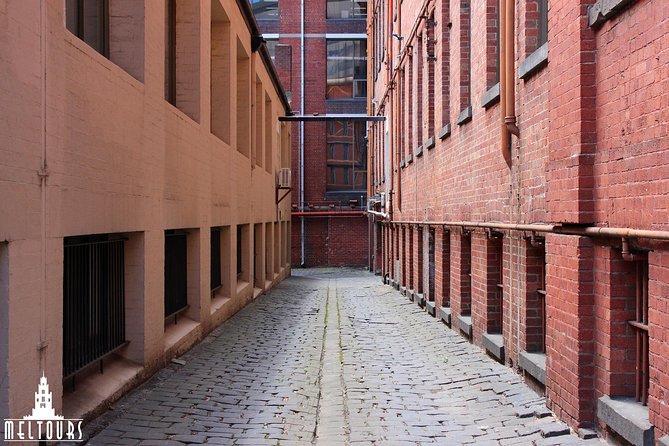
At $64.55 per person, you’re paying for three things: time, expert guidance, and a structured route through the CBD.
Two hours in a major city can sound “short,” but this tour packs in a focused architectural overview across multiple recognizable sites. The value increases because you’re not just seeing buildings—you’re getting interpretation. For many people, that’s the difference between enjoying architecture and understanding it well enough to keep enjoying it after the tour.
The mobile ticket also adds convenience. In a place like Melbourne, where plans shift and you may walk more than you expect, having a ticket ready on your phone helps keep friction low.
Bottom line: if you want a guided introduction that makes self-exploring easier, this price can feel fair. If you already know Melbourne’s architecture deeply and you prefer long, independent wandering, you might decide you need a different style of tour. But for a first-time or mid-trip orientation, this one is a strong use of time.
Practical tips so you enjoy every stop
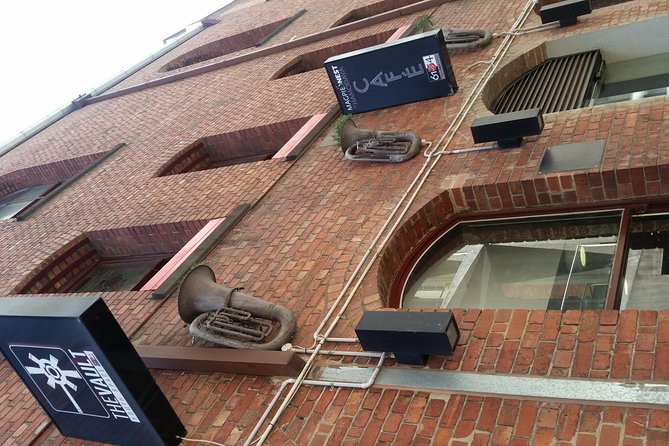
Here’s how to set yourself up for a smooth experience.
- Wear comfy shoes: the tour is around two hours of walking, and you’ll want to stay comfortable for repeated short stop-and-look moments.
- Expect a walking CBD loop: you’ll cover several landmarks, so keep your schedule flexible around start time.
- Plan for weather: the tour requires good weather. If it’s canceled due to poor conditions, you’ll be offered another date or a full refund.
- Use public transport if you can: the meeting area is near public transit, and the start point on Flinders St is convenient.
- Know the accessibility limitation: it’s not wheelchair accessible, so plan accordingly.
Who should book this architecture tour?
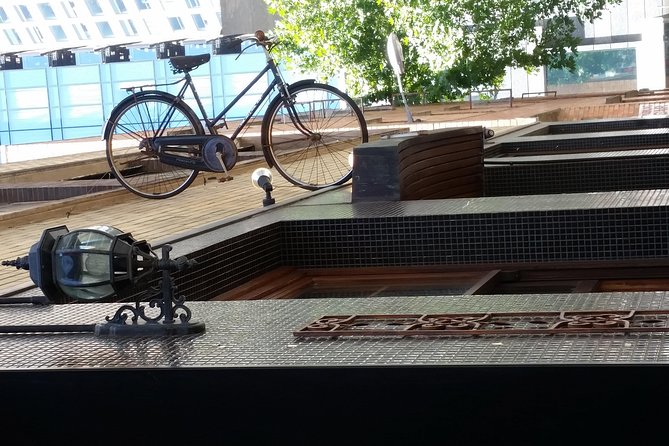
This fits best if you:
- want a guided overview of Melbourne’s architecture in the CBD
- like learning through short explanations tied to what you’re seeing
- prefer small groups where you can ask questions
- are visiting for a short time and want to get your bearings fast on an architectural level
It may be less ideal if:
- you need wheelchair accessibility on a route with steps or uneven sidewalks (the tour is not wheelchair accessible)
- you dislike walking as a primary activity
- you’re looking for a long, inside-focused museum-heavy itinerary (the tour is described as a walking overview across several key stops)
Should you book the Architecture Tour of Melbourne?
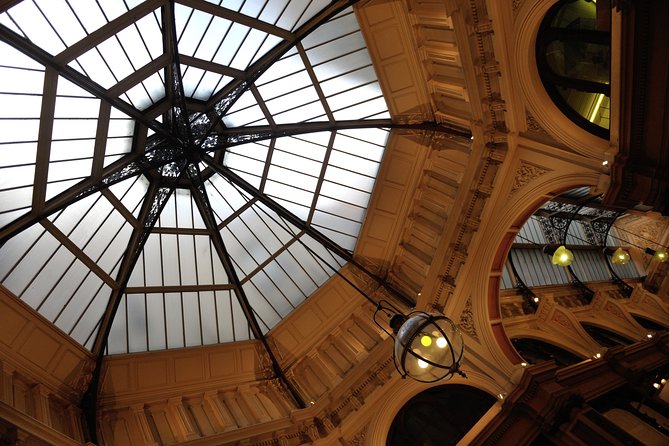
Yes, if you want an efficient, story-led way to understand Melbourne’s CBD architecture without doing the homework yourself. The combination of a small group size, a central starting point at St Paul’s Cathedral, and a route that hits major landmarks like Federation Square and Flinders Street Station makes this a smart first-into-the-city experience.
If you’re sensitive to walking time or need wheelchair access, you should skip it and look for a different format. But for most visitors who can do a comfortable two-hour walk, this is a practical way to see more than the postcard version of Melbourne.
FAQ
Where do I meet for the tour?
You meet near St Paul’s Cathedral on Flinders St, at 198–206 Flinders St, Melbourne VIC 3004, Australia.
How long is the Architecture Tour of Melbourne?
It runs for about 2 hours.
What’s the group size limit?
The tour has a maximum of 10 travelers.
Is the tour wheelchair accessible?
No, this tour is not wheelchair accessible.
Which sights are included?
The tour includes stops such as Federation Square, Flinders Street Station, ANZ Bank Museum, Scots Church, and more.
Where does the tour end?
There isn’t a fixed end point listed. The tour finishes roughly near Bourke Street Mall, depending on group size and pace.
Is this tour weather dependent?
Yes. It requires good weather. If it’s canceled due to poor weather, you can choose a different date or receive a full refund.
How much does it cost?
The price is $64.55 per person.
Will I get a mobile ticket?
Yes, the tour uses a mobile ticket.
When will I receive confirmation?
Confirmation is received at the time of booking.
Can I cancel for a refund?
Yes. You can cancel up to 24 hours in advance for a full refund.