REVIEW · MELBOURNE
Great Ocean Road Reverse Itinerary Boutique Tour – Max 11 Guests
Book on Viator →Operated by HIT THE ROAD TOURS · Bookable on Viator
Twelve Apostles, before the crowds. This reverse itinerary is built for early morning light and calmer viewpoints, with a small-group ride that lines up the best stops in an order most people never see.
I like the small group size (max 11) because it keeps the day feeling human, not rushed. My one caution: it’s a long start-to-finish day, with a 6:50am departure, so you’ll want comfortable shoes and patience for a full schedule.
In This Review
- Quick hits before you go
- Why going in reverse changes everything on the Great Ocean Road
- Getting to the Twelve Apostles: Winchelsea tea first, then limestone in quiet
- Gibson Steps and the Razorback: walk down to the beach, then stare up
- Loch Ard Gorge: a short stop with big emotional weight
- Great Otway National Park: Mait’s Rest rainforest walk, plus big-tree drives
- Apollo Bay lunch plus Kennet River wildlife: the best break and the best chance to see koalas
- Teddy’s Lookout and the drive back: finish with cliff views, then let someone else drive
- Value for $106.15: what you’re buying besides scenery
- Small-group reality: timing, seats, and why guides like Marty, Anne, and James matter
- Who should book this reverse Great Ocean Road tour?
- Should you book this reverse Great Ocean Road tour?
- FAQ
- What time does the tour start, and how long is it?
- How many people are on the tour?
- Do I get pickup in Melbourne?
- Is lunch included?
- What’s included in the price?
- Are admission fees included for the main stops?
- Does the tour run in bad weather?
- Can children under 7 join this tour?
- Can I cancel and get a full refund?
Quick hits before you go
- Reverse route timing gets you to the Twelve Apostles while it’s still peaceful
- Gibson Steps pairs walking on the sand with massive cliff views
- Great Otway National Park includes a rainforest walk at Mait’s Rest
- Kennet River Nature Walk is your chance to search for wild koalas and orange-bellied parrots
- Air-conditioned minivan and bottled water help on a warm or long day
Why going in reverse changes everything on the Great Ocean Road
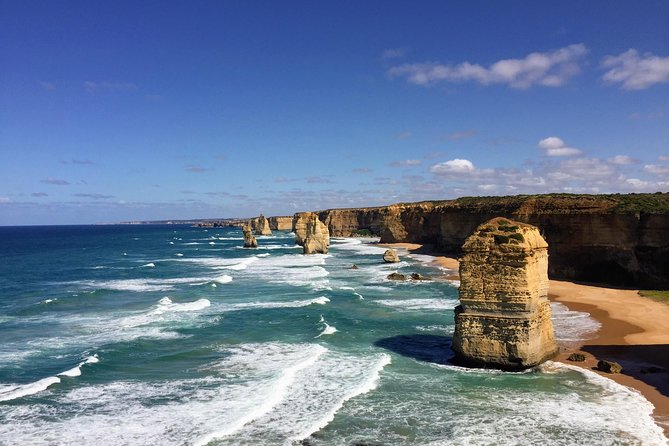
The Great Ocean Road has a rhythm: arrive late, queue, snap photos, and leave before you really feel the place. Going in reverse flips that. You start earlier, hit the iconic limestone formations when the air is still settled, and you’re less likely to be part of a wall of people at the busiest pull-offs.
This route also makes the day feel steadier. Instead of spending your morning fighting crowds, you spend it seeing the headline scenery at its calmest. And since it’s a max-11 group in a Toyota Hiace-style minivan with air-conditioning, you’re not constantly playing leapfrog with other tour buses at stops.
There’s another practical upside: you get a guided flow to places that are easy to skip if you’re driving yourself. It’s not just “look at the coast.” You’re also shown where to walk, what to photograph, and how each stop connects to the next stretch of coastline and forest.
You can also read our reviews of more tours and experiences in Melbourne.
Getting to the Twelve Apostles: Winchelsea tea first, then limestone in quiet
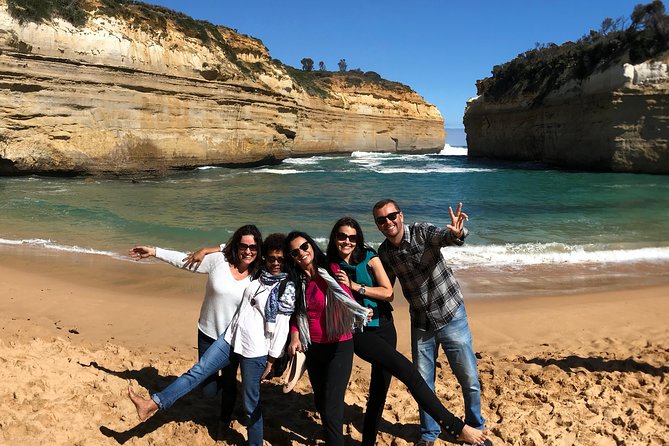
Your morning starts at 6:50am, which feels early until it pays off. On the way, you stop in Winchelsea for a brief morning tea break (about 15 minutes). It’s mainly coffee or breakfast on your own, which is a good reset before the coast.
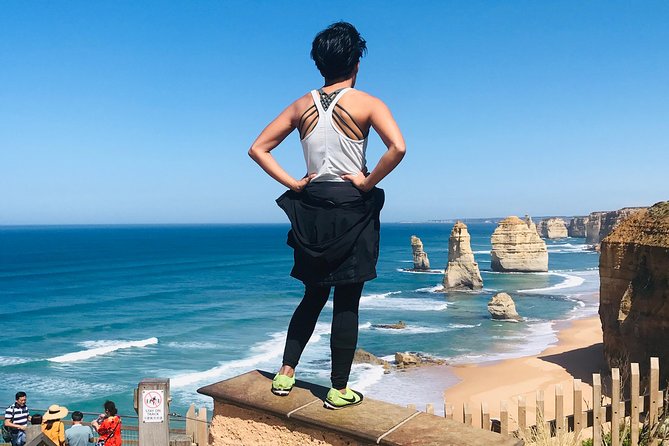
Then you push straight toward the Twelve Apostles and arrive ahead of the crowd flow. With a 40-minute stop and admission included, you get enough time to take in the limestone stacks from the viewing areas and still have breathing room. If you’ve only seen the Apostles in peak-hour photos, the quiet version can feel almost unreal.
One thing to keep in mind: at the cliffs, wind can be part of the deal. Build that into your photo plan and bring a layer you can tolerate if the weather shifts.
Gibson Steps and the Razorback: walk down to the beach, then stare up
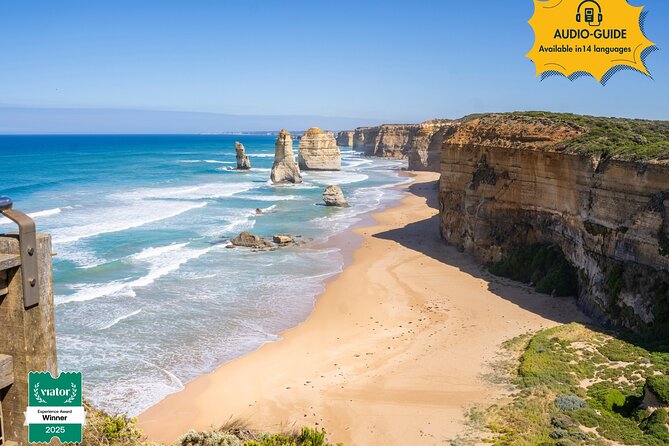
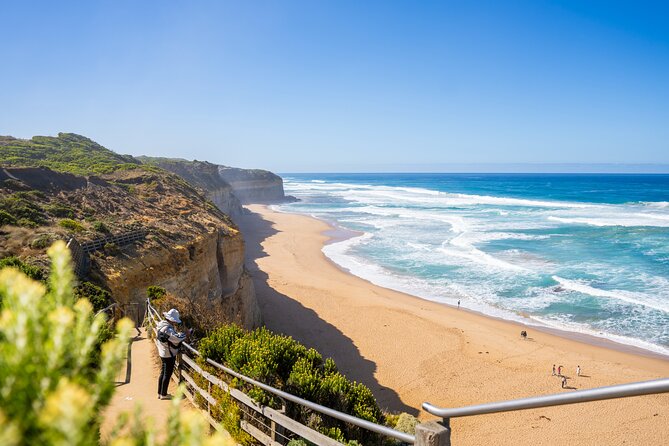
If you want more than a lookout photo, Gibson Steps delivers. You’ll go down to the beach below the vertical cliffs for about 20 minutes, with admission included. The experience is physically different from standing on top. You’re lower, closer to the rock shapes, and the limestone stacks (often nicknamed Gog and Magog) feel taller because you’re seeing them from sea level.
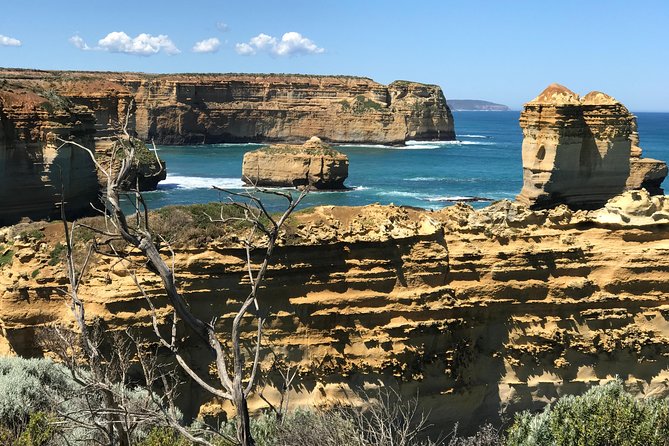
After that, the Razorback stop is where the cliffs turn into pure drama. It’s around 25 minutes and admission is included. This is described as one of the most impressive formations in the region, and the time here makes sense: views are the point, and you’ll want a slow minute to absorb scale.
My advice: do your walking at Gibson Steps early in your allotted time, so you’re not rushed if the wind or footing is less comfortable than you expected.
Loch Ard Gorge: a short stop with big emotional weight
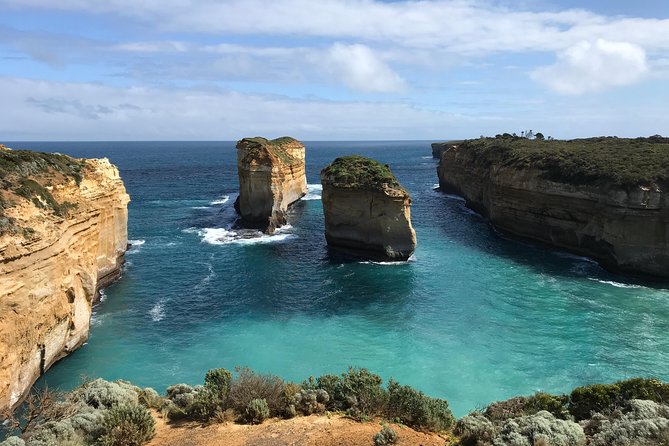
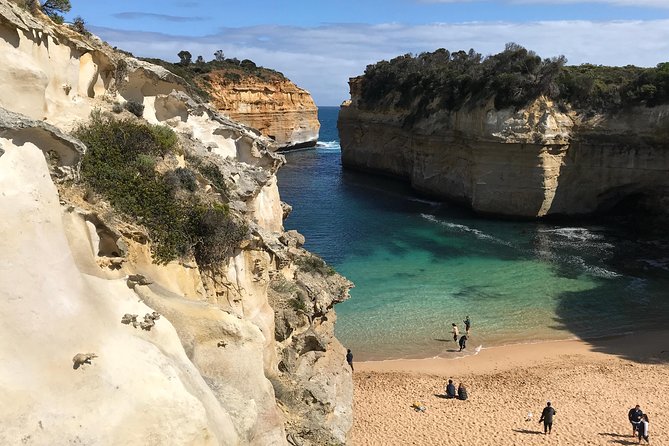
Loch Ard Gorge is a classic Great Ocean Road story stop, and it works because it mixes scenery with history. You’ll get about 30 minutes here, with admission included. You’ll walk on the beach area and take photos of the Razorback view and the gorge itself.
The shipwreck connection is part of why people remember this stop. You don’t need to be a maritime history fan to feel the pull—it’s one of those places where the drama of the setting makes the story stick.
Because it’s a shorter stop, don’t plan on treating it like a full museum visit. Instead, use your time for one good beach walk, one set of photos, and then move on while you still have energy.
Great Otway National Park: Mait’s Rest rainforest walk, plus big-tree drives
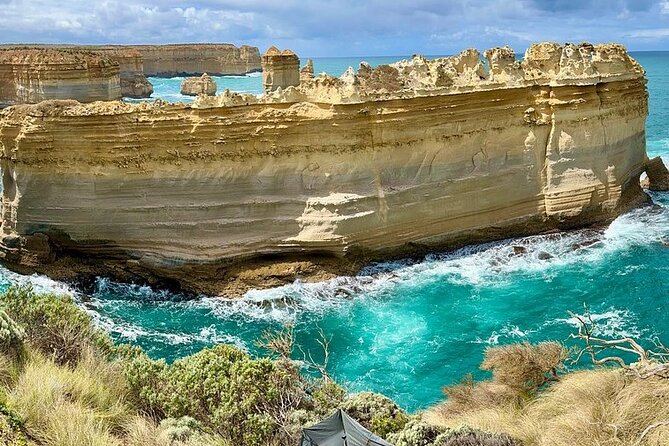
The Great Ocean Road isn’t only ocean viewpoints. The route threads through Great Otway National Park, and that change of scenery is one of the best ways to keep the day from feeling repetitive.
You’ll spend time around Mait’s Rest, with a rainforest walk of about 20 minutes (with 25 minutes allocated total) and admission included. This is where you’ll slow down. Look for texture changes: the air feels cooler, the light is different under the trees, and the walk is usually a reset after the more exposed cliff areas.
One practical note based on real-world conditions: on very hot days or during fire-risk restrictions, the rainforest trail experience can change. If that happens, don’t assume it’s a failure of the tour—it’s usually a safety-driven adjustment. Build flexibility into your expectations for the forest stop.
Between walks, you also get driving sections through the national park where you can watch for large ancient trees passing by—fast scenery, but it helps you understand this region isn’t just coast.

Apollo Bay lunch plus Kennet River wildlife: the best break and the best chance to see koalas
Apollo Bay is your main lunch break, with about 45 minutes. Lunch itself is on your own, but the guide can help point you toward options in town. This is the moment to eat something real and recharge your legs, because the second half of the day is still packed with pull-offs and short walks.
After lunch, you head to the Kennet River Nature Walk (about 20 minutes). This is the wildlife stop. You’re not promised sightings at every moment, but it’s set up for searching—especially for koalas. You’re also looking for orange-bellied parrots around the area.
The key is patience. Wildlife viewing in the open air is never like a zoo schedule. Move slowly, listen to the guide’s directions, and give your eyes a chance to adjust to movement in the trees. If you’re trying for photos, aim for steady shots rather than frantic zooming from the start.
Also, insects can be intense along parts of the coast. I strongly suggest bringing a bug net if you have one, plus sunscreen, a hat, and comfortable walking shoes.
Teddy’s Lookout and the drive back: finish with cliff views, then let someone else drive
At the end of the day, you’ll stop at Teddy’s Lookout in Lorne for around 10 minutes. It’s short, but it’s a solid closer: another cliff-top viewpoint before the long return drive to Melbourne.
The actual travel time feels manageable because you’re not steering. You’re in an air-conditioned minivan, and the guide handles the route, stop timing, and the on-board commentary.
If weather turns rough—fog, heavy rain, or road closures—the experience still depends on the guide adapting. The tour is designed for all-weather operation, but conditions can change the exact flow of the day. The best-case scenario is you still see the expected highlights; the realistic scenario is you may swap or adjust slightly if the road has issues.
Value for $106.15: what you’re buying besides scenery
At $106.15 per person for an approximately 12-hour day, you’re paying for the things that add up fast if you self-drive: transport from Melbourne, a professional guide, live commentary, national park fees, and the structured timing that gets you to famous spots early.
It also includes admission for key stops (including the Twelve Apostles, Gibson Steps, the Razorback, and Loch Ard Gorge) and water during the tour. There’s a stated promise to skip the long lines, which matters most at the Apostles and other popular viewpoints.
On top of that, you get a multilingual interactive audio guide, plus a complimentary Melbourne City self-guided audio guide tour. That last part is small, but it can be useful when you’re building a simple plan for your remaining days in Melbourne.
Where the value can feel less perfect: food and drinks aren’t included. You’ll still need to budget for morning tea and lunch, especially since Apollo Bay lunch is on your own.
Small-group reality: timing, seats, and why guides like Marty, Anne, and James matter
This is a true small-group operation with a maximum of 11 travelers, in a 12-seat style minivan. That’s big enough to meet interesting people, but small enough that you’re not constantly split across multiple groups at stops.
The guide can also change the feel of the day. In real experiences, some guides hit a great mix of fun and facts—names like Marty, Anne, Chris, James, Tara, and Jimmy Chan come up often for being organized and entertaining. If your guide keeps the pace smooth, you feel that the day “flows.” If the guide is more quiet, the scenery still carries the tour, but you might wish for more energy in-between stops.
One seating tip I’d take seriously: sit on the side of the minivan that gives you the best coastline views as you drive. The reverse routing helps, but your seat choice affects what you see between stops.
And a practical warning for pickup: you must use the exact pickup location you selected for your booking. Multiple vans can be in the same area, and confusion here can ruin a morning. Be early, confirm you’re at the right point, and make sure your pickup choice matches your ticket.
Who should book this reverse Great Ocean Road tour?
Book it if you want:
- A full day focused on the headline stops without driving yourself
- Early-arrival access to the Twelve Apostles before peak crowd pressure
- A small group with guide-led timing for photo and walk breaks
- A wildlife chance at Kennet River for koalas and orange-bellied parrots
Consider self-driving instead if:
- You want long, slow stays in one place
- You’re the type who needs lots of personal time without a schedule
- You’re sensitive to early mornings and long transit blocks
Should you book this reverse Great Ocean Road tour?
Yes, if your priority is seeing the Great Ocean Road highlights in one packed day with minimal hassle. The reverse timing is the core reason to choose this format—getting to the Twelve Apostles early makes the scenery feel calmer and more special.
I’d say book it sooner rather than later if your travel dates line up with peak periods, because the early start and guided skip-the-line approach are exactly what you’ll want when everyone else is chasing the same photo spots.
If you do book, go in ready for a long day: good walking shoes, a layer for wind at the cliffs, and protection for coastal flies. If those are under control, this tour is a strong way to experience the coast without spending your entire vacation behind the wheel.
FAQ
What time does the tour start, and how long is it?
The tour starts at 6:50am and runs for about 12 hours.
How many people are on the tour?
The group is limited to a maximum of 11 travelers, using a 12-seat minivan (Toyota Hiace or similar).
Do I get pickup in Melbourne?
Pickup is offered from designated meeting points. You’ll need to select one specific pickup location when booking.
Is lunch included?
Lunch isn’t included. You’ll have a stop in Apollo Bay (about 45 minutes) where you can buy your own food.
What’s included in the price?
The tour includes national park fees, live commentary on board, a professional guide, pickup and drop-off from designated meeting points, air-conditioned transport, bottled water, and an interactive multilingual audio guide (plus a complimentary Melbourne City self-guided audio guide tour).
Are admission fees included for the main stops?
Yes—admission is included for major stops like the Twelve Apostles, Gibson Steps, the Razorback, Loch Ard Gorge, and Mait’s Rest. Some smaller stops like the morning tea in Winchelsea are for your own expenses.
Does the tour run in bad weather?
Yes. It operates in all weather conditions. You should dress appropriately for changing conditions.
Can children under 7 join this tour?
No. Children under 7 can’t be accommodated because child restraints required by VicRoads aren’t available in the minibuses. They won’t be allowed to board without a refund.
Can I cancel and get a full refund?
You can cancel for a full refund if you cancel at least 24 hours before the experience’s start time. If you cancel less than 24 hours before, the amount paid isn’t refunded.