REVIEW · MORNINGTON PENINSULA
The Explorer – Cranbourne Gardens
Book on Viator →Operated by Royal Botanic Gardens Victoria · Bookable on Viator
A 25-minute bus loop can save your legs. If you want an easy way to orient yourself in Royal Botanic Gardens Cranbourne, The Explorer delivers a cool, guided ride through the Australian Garden with live commentary as the driver points out key plant areas. I love the hands-on context you get for what you’re seeing, and I especially like how it’s a practical fit for families and visitors with mobility needs; the only real drawback is that 25 minutes is a quick overview, so you’ll still want to plan a little walking afterward if you want deeper detail.
For me, the value starts with the basics: it’s only about $10.76 per person, it runs as a short circuit (so you’re not committing half a day), and the tour keeps the group size small with a maximum of 25 travelers. You meet right at the Royal Botanic Gardens Cranbourne entrance area (Ballarto Road and Botanic Drive), so it’s easy to slot in between other stops on the Mornington Peninsula.
In This Review
- Key things I’d plan around
- Where The Explorer starts (and why that matters)
- The 25-minute route: your fast orientation to Cranbourne’s Australian Garden
- Stop 1: Red Sand Garden to the east-coast section
- Winding through Peppermint Garden: the part that turns “viewing” into “noticing”
- Howson Hill and Ian Potter Lake: why these named stops help you plan
- Arid Garden and the Dry River Bed: learning that actually changes what you notice
- What you’re really getting: stories, history, and cultural context on the move
- Pricing and value: $10.76 for an overview you can use
- Comfort, group size, and who this is best for
- A couple of practical tips before you board
- Should you book The Explorer at Cranbourne Gardens?
- FAQ
- How long is The Explorer bus tour at Cranbourne Gardens?
- Where do I meet for The Explorer bus tour?
- Does the bus tour include commentary?
- Can I hop off the bus during the tour?
- Is admission included with the tour ticket?
- Is it suitable for families and visitors with mobility issues?
- Are service animals allowed?
- What if the weather is bad?
- For more choices, can kids ride for free?
Key things I’d plan around
- Live commentary from the driver that helps you understand what you’re passing without needing to read every sign
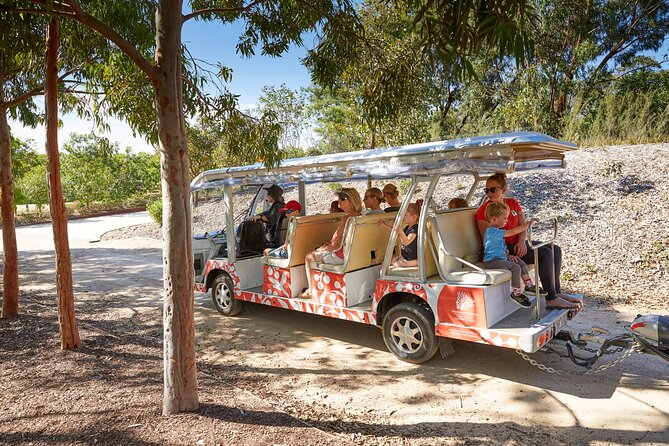
- Mobility-friendly touring on an open-air minibus, designed to reduce walking strain
- A tight route of major garden sections so you get a fast feel for the range of Australian flora
- Photo and wildlife potential while you’re riding—conditions are often great for spotting animals
- Easy “peek first, walk next” strategy since you can hop off at various stops within the Australia Garden
- Small group feel with a max of 25 travelers, which keeps the ride more personal
Where The Explorer starts (and why that matters)
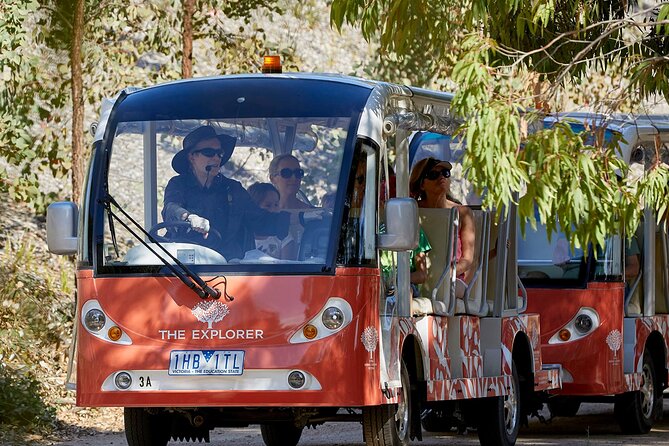
I like tours that don’t waste your time. This one redeems right at Royal Botanic Gardens Cranbourne near Ballarto Road and Botanic Drive, so you’re stepping into the gardens quickly rather than waiting for long transfers.
The ride itself is an open-air minibus, and that’s a practical plus on the Mornington Peninsula: you get ventilation and a sense of place without being trapped indoors. It also makes the tour more comfortable when you’re traveling with kids or anyone who doesn’t want to do long, continuous walking.
You can also read our reviews of more tours and experiences in Mornington Peninsula.



The 25-minute route: your fast orientation to Cranbourne’s Australian Garden
Think of this as a “get your bearings fast” option. You’re touring the enormous gardens by bus to save energy, then you can choose where to linger on foot.
The route is structured around several garden features, including the Red Sand Garden, an east-coast section of the Australian Garden, and then a return winding path through the Peppermint Garden. If you only have a short visit—maybe you’re en route to Phillip Island—this timing helps you see the breadth of the gardens even when your schedule is tight.
Also, because it’s not a long haul, you can pair it with other on-site time. One of the big perks is that you’re already inside the gardens, so you can use the bus ride to decide what to revisit while you’re there.
Stop 1: Red Sand Garden to the east-coast section

The tour begins by moving through the Australian Garden’s Red Sand Garden area, then continuing along the east coast section. Even if you don’t know the plant names, you’ll get a sense of how the garden is organized into themed environments, not random plant displays.
The driver commentary is where this stop becomes useful. You’re not just looking at scenery—you’re hearing stories and interpretation tied to what the plants are doing and where they belong in the overall layout. That helps you connect the garden’s design to real Australian conditions, so later, when you read signs on a self-guided walk, you’re not starting from zero.
A consideration: because this is a quick ride, you may not have the time to stop for long photos. If your phone photography is a main goal, plan to use the hop-off stops (when available) or do a second pass on foot.
Winding through Peppermint Garden: the part that turns “viewing” into “noticing”
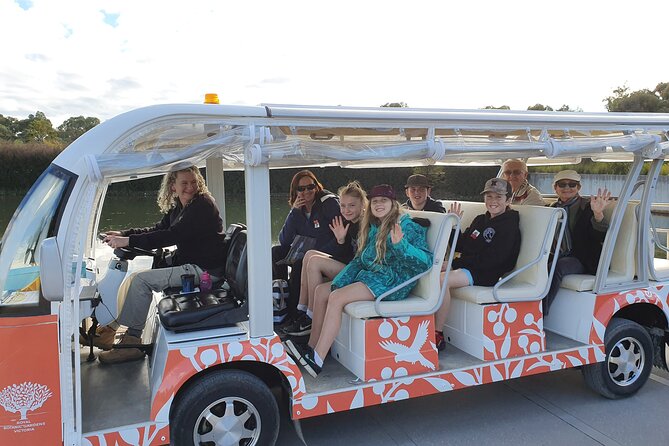
One of the strengths of this tour is that the route doesn’t feel like a straight line. After the east-coast stretch, the bus winds back through the Peppermint Garden, which gives the ride a better sense of variety than a single-theme loop.
This is also a good moment to listen for the plant-focused explanation. The Australian Garden sections are designed to teach you about flora in a way that’s easier to grasp when you’re traveling slowly enough to look, but comfortably enough to stay relaxed. An open-air minibus helps with that balance: you can pay attention without sweating through a big walk.
If you’re visiting in warm weather, the simple fact that you can ride between viewing points is part of the value. You’re still outdoors, but you’re not exhausting yourself before you’ve even had a chance to enjoy the rest of the gardens.
Howson Hill and Ian Potter Lake: why these named stops help you plan

Even with a short itinerary, the tour hits recognizable “anchors” inside the garden. Two of those are Howson Hill and Ian Potter Lake, which are called out as highlights of the ride.
Here’s what I like about having named stops: it makes it easier to remember where you were after the ride. If you want to return for a longer look, you can find the area again later without guessing.
From the bus, these sections also work well for people who don’t want steep or long paths. You get views and context from the moving route, and then you can decide whether you want to step off for a closer look.
If you do plan to get off at stops: use the bus ride as your orientation first. You’ll make better choices because you’ll know what kind of planting and layout you prefer once you’ve seen it in motion.





Arid Garden and the Dry River Bed: learning that actually changes what you notice

This is one of those rides where the “why” matters as much as the “what.” The Arid Garden and the Dry River Bed help you understand how Australian landscapes and plants survive with limited water—without turning the experience into a lecture.
The driver commentary includes nature interpretation, and that’s key here. When someone points out how the plant communities are arranged and what they’re designed to handle, you start noticing details on your own—things like the structure of plants, spacing, and how the garden transitions between environments.
The drawback with arid-themed areas is also the reason they’re impressive: you may want to take your time to look closely, but the bus ride is timed. If you’re the type who likes to read and slow down, you’ll probably want to schedule extra on-foot time in these sections after the tour.
What you’re really getting: stories, history, and cultural context on the move

This tour isn’t just a sightseeing loop. It’s designed to provide a wealth of interesting content in about 25 minutes, including garden history, cultural significance, landscape stories, and nature interpretation.
For you, that means the ride works as a mental map. You can leave with a clearer idea of what each section is trying to teach you, then you can return to the garden paths with better direction. I also like that the driver/host format keeps it conversational. You’re not stuck with a static audio track—you can get guided interpretation delivered in a way that fits what you’re passing in real time.
One tip: if you’re visiting with kids, this kind of “on-the-go explanation” usually lands better than asking them to read signs. It gives them something to listen for while you’re moving, and it can turn a hot afternoon into an active experience.
Pricing and value: $10.76 for an overview you can use

At $10.76 per person, the Explorer is priced like an easy add-on rather than a major expense. The value comes from three things: short duration, included commentary, and the fact that you can use the ride to choose what to do next inside the gardens.
Also, admission is included (Admission Ticket Free), which matters if you’re otherwise paying entry anyway. Add in the professional driver/guide and the limit of 25 travelers, and you get a focused experience instead of feeling lost in a crowd.
If you have limited time—say you’re passing through on a day trip—this is the kind of ticket that helps you “buy back” energy. It gets you orientation, context, and a short list of areas to revisit, which often means you enjoy more of your time on foot afterward.
Comfort, group size, and who this is best for
The tour is ideal for families and for visitors with mobility issues. That comes through in the way it’s described: you’re staying cool, touring by bus, and reducing the physical demand of exploring a large garden on your own.
The max of 25 travelers also helps. Smaller groups tend to feel calmer, and the driver has room to keep the commentary flowing without the ride becoming chaotic.
This tour also makes sense for people who want flexibility. The ticket includes the ability to hop off at various stops within the Australian Garden area, so you’re not locked into just riding the loop the whole time.
If you’re traveling with a mix of ages or fitness levels, this is a practical compromise: everyone can see a lot without demanding that everyone walks the same distance.
A couple of practical tips before you board
First, wear shoes you can walk in. Even if you start on the bus, you’ll likely want to get off at least once to see a featured area more closely.
Second, bring a light layer and water. You’re outdoors in an open-air minibus, and the gardens are a place where time can stretch—your ride may end, but your interest often doesn’t.
Finally, check your plan for after the bus. I find it helps to set a goal like: after the ride, return to one or two sections that grabbed your attention—especially the ones with themed environments such as the Arid Garden.
Should you book The Explorer at Cranbourne Gardens?
You should book if you want a low-effort, high-clarity introduction to Royal Botanic Gardens Cranbourne. It’s a smart choice when you’re short on time, traveling with kids, or visiting someone with mobility limitations who still wants the garden experience.
You might skip it if you already plan to spend many hours deep in the gardens and you’d rather rely entirely on self-guided walking. Since the ride is about 25 minutes, it can’t replace the slower pace you get from wandering on foot for an afternoon.
FAQ
How long is The Explorer bus tour at Cranbourne Gardens?
The experience lasts about 25 minutes (approx.).
Where do I meet for The Explorer bus tour?
You’ll redeem your ticket at Royal Botanic Gardens Cranbourne, at Ballarto Road and Botanic Drive, Cranbourne VIC 3977, Australia.
Does the bus tour include commentary?
Yes. It includes live commentary on board provided by the driver/guide.
Can I hop off the bus during the tour?
The ticket includes flexibility to hop off at various stops within the Australian Garden.
Is admission included with the tour ticket?
Yes. Admission Ticket Free is included within your ticket.
Is it suitable for families and visitors with mobility issues?
Yes. It’s described as ideal for families and for visitors with mobility issues, and it’s designed to help you stay cool while touring by bus.
Are service animals allowed?
Yes. Service animals are allowed.
What if the weather is bad?
This experience requires good weather. If it’s canceled due to poor weather, you’ll be offered a different date or a full refund.
For more choices, can kids ride for free?
Kids Explorer notes that during school holidays, children ride FREE on the Kids Explorer Bus designed for families.