REVIEW · GREAT OCEAN ROAD
Dusk Discovery Tour
Book on Viator →Operated by Wildlife Wonders · Bookable on Viator
Dusk turns the Otways into a different kind of zoo—one where animals set the rules. Dusk Discovery runs for about 90 minutes as the sun drops, when nocturnal creatures start moving and day-active animals settle in. I like how the experience is built around a natural wildlife walk (not staged animal tricks), and I also like the small group size of just 10 people, which keeps the vibe calm and the photography less chaotic.
One thing to plan for: this is a good-weather outing. If conditions are poor, it can be rescheduled or refunded, so it’s smart to keep your Great Ocean Road timing flexible.
In This Review
- Key Things to Know Before You Go
- Why Dusk in the Otways Changes Everything
- Wildlife Wonders Sanctuary: Built for Seeing Wildlife, Not Circuits
- The 1.4km Wildlife Walk: What You’re Likely to See
- Sunset Photo Time Without the Herding Feeling
- Food, Drinks, and Conservation: The Value Equation
- Price, Timing, and Who This Fits Best on the Great Ocean Road
- Quick Practical Tips So You Get More Out of Dusk
- Should You Book Dusk Discovery?
- FAQ
- How long is the Dusk Discovery Tour?
- Where does the tour start?
- How many people are on the tour?
- What’s included with the ticket?
- What happens if the weather is poor?
- Can I get a refund if I cancel?
Key Things to Know Before You Go
- Dusk timing means more action: nocturnal animals rise for the night while day-active animals return to rest.
- A limited group of 10 helps you actually see behavior, not just heads-on-a-street views.
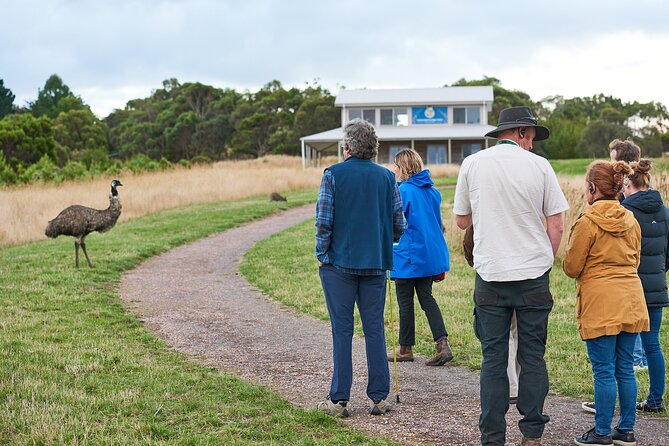
- A 1.4km winding path takes you through range of habitats at an easy walking pace.
- Photo-friendly sunset moments are built into the tour, not tacked on at the end.
- Local mezze plus beer or wine makes this feel like a proper evening outing.
Why Dusk in the Otways Changes Everything
The Great Ocean Road can be busy by daylight. At dusk, the energy shifts. That’s when many animals start their nightly routines, and you get a better chance of spotting movement, foraging, and quick pauses that show up in the light—and then vanish as darkness takes over.
This tour is timed for that exact window: as the sun sets, the sanctuary’s residents become more active, while the daytime species start winding down. I love that the guide sets your expectations for what you’re likely to see, so you don’t stand around hoping for magic. You know what behavior to look for: the first signs of night activity, the slow return of rest, and the small moments that make wildlife photography worth the effort.
You can also read our reviews of more tours and experiences in Great Ocean Road.

Wildlife Wonders Sanctuary: Built for Seeing Wildlife, Not Circuits
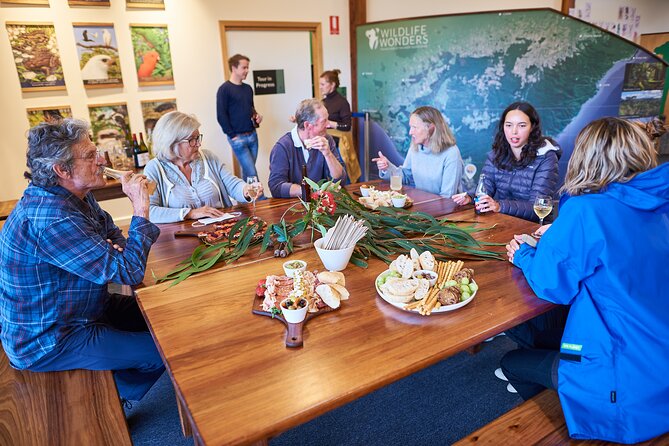
Wildlife Wonders’ Sanctuary is focused on a simple idea: show animals in a natural habitat where they can live freely. Instead of cages and constant human interference, you’re walking through an Otways environment and watching residents do what they do—feed, move through habitat, and rest.
The sanctuary is described as offering a glimpse into an Otways habitat before predators like foxes and cats arrive. That matters, because it helps explain why the animals can be visible during a walking experience. You’re not just chasing rare sightings; you’re learning how conservation changes the odds for threatened and native species.
From what’s shared about the experience, the guide’s role is big here. In one standout account, the guide Zoe was described as passionate and knowledgeable, with that kind of energy that makes people pay attention. If you like wildlife tours where the information actually helps you see more, this approach fits.
The 1.4km Wildlife Walk: What You’re Likely to See
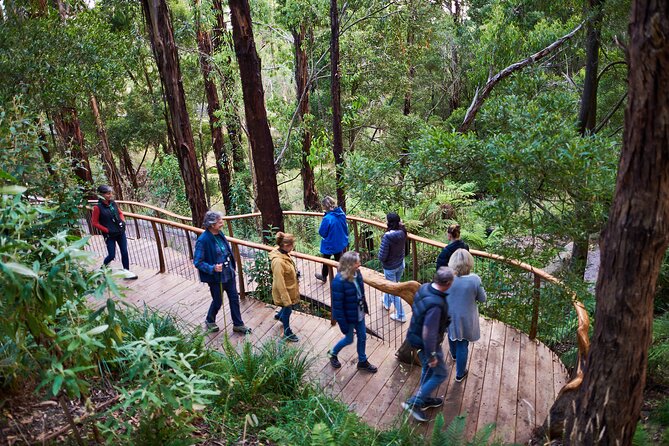
Your walk follows a winding 1.4km path through a range of habitats. That detail is more important than it sounds. When a sanctuary has different habitat types in close range, animals can appear in different areas as the light changes—so your chance of spotting something increases, and your eyes don’t get stuck on one view the whole time.
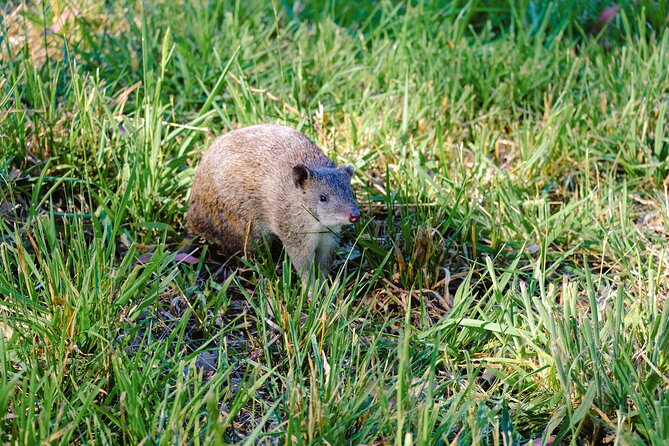
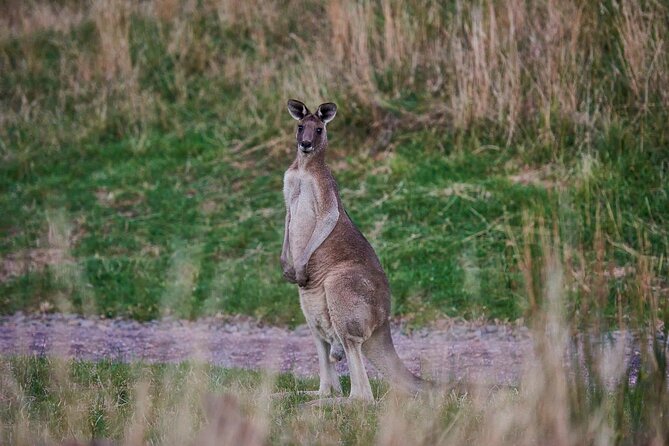
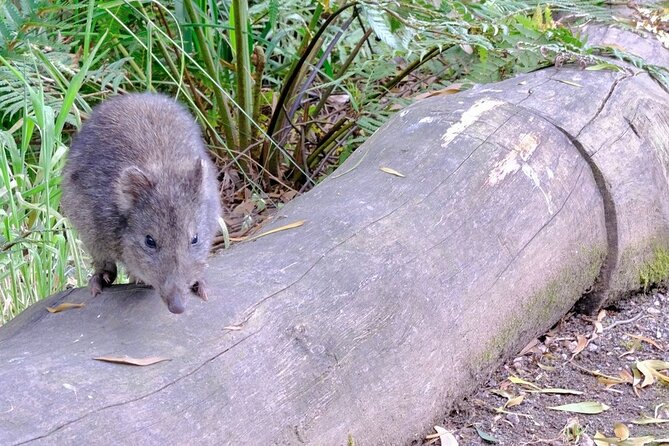
The species mentioned for this tour include potoroos, bandicoots, and pademelons, along with other wildlife. Dusk is a strong time for these kinds of animals because many are more active during evening hours. The tour’s rhythm supports that: you’re not rushed, and you’re not stuck looking at one small spot. You move along the path while a conservation-focused guide offers insights into lives of elusive animals in the Otways.
Practical tip: wear closed shoes with decent grip. The path is described as winding, so you’ll want stable footing while you pause for sightings and photos.
Sunset Photo Time Without the Herding Feeling
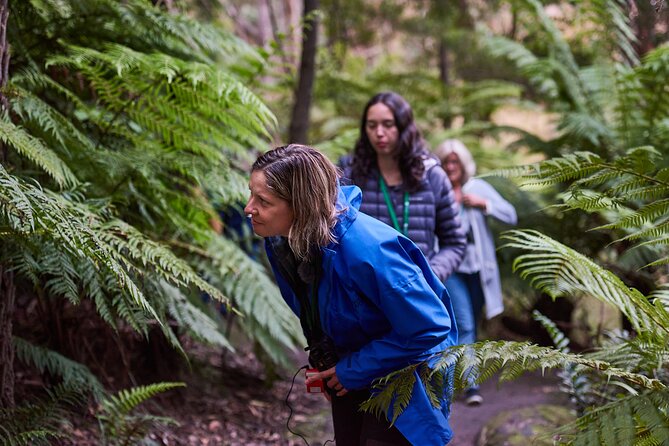
Sunset photography is often an add-on on tours. Here, it’s treated as part of the plan. With a limited group of 10, you’re less likely to feel packed in around a single viewpoint. That small scale makes a difference when you’re trying to balance two things at once: catching the sky transition and staying ready for wildlife movement that might not wait for the perfect moment.
You’ll also be working with real light changes. At dusk, the sky cools fast, and animals can become silhouettes if you aren’t ready. The best strategy is to keep your eyes moving: scan for motion at ground level when possible, then look up when the sunset begins to intensify. If you enjoy photographing animals in natural behavior rather than posed moments, this timing is the whole point.
If you’re bringing a camera, consider setting up for quick changes in light. Dusk can go from bright to dim quicker than you’d expect, and you’ll want to be ready when the action starts.
Food, Drinks, and Conservation: The Value Equation
The tour includes a mezze plate of local delights plus beer or wine. That combination makes the experience feel like an evening outing, not just a walk followed by an awkward return to your car hungry. It’s also a smart match for the pacing: you get the wildlife viewing during the peak active time, and then you get something warm and enjoyable afterward in the flow of the evening.
Now for the part you should consider when deciding if the price makes sense. At $68.14 per person, you’re paying for:
- a small group wildlife walk in a controlled sanctuary environment
- time with a conservationist guide
- sunset photo opportunities built into the program
- a meal component (mezze) and a drink option
- and, importantly, conservation impact
Wildlife Wonders states that 100% of profits go to support conservation and research into Australia’s threatened species. For me, that’s the strongest “value” argument here. It means your ticket isn’t only buying an experience; it’s also funding the work that makes these encounters possible in the first place.
If you’re weighing this against other wildlife stops along the Great Ocean Road, look at the total package. This isn’t just “entry to a park.” It’s guided viewing at a specific time of day, with food and a conservation mission attached.

Price, Timing, and Who This Fits Best on the Great Ocean Road
This experience runs for about 1 hour 30 minutes (about 90 minutes). That’s a sweet spot. Long enough for dusk to do its thing, and short enough that you can still plan your night elsewhere without feeling boxed in.
It starts at 475 Great Ocean Rd, Apollo Bay VIC 3233, and it ends back at the meeting point. That round-trip design is convenient when you’re already driving the coast and don’t want extra complicated transfers.
Who will likely enjoy it most:
- Anyone who prefers natural behavior and habitat over staged animal encounters
- Photographers who want dusk light plus chances to spot ground-level wildlife
- First-timers to the Otways who want a focused wildlife introduction
- Overseas visitors (it’s specifically described as a great way to show native animals in their natural environment)
Who might want to rethink it:
- If you hate walking at all, remember there is a 1.4km winding path. Most travelers can participate, but it still involves being on your feet.
- If your schedule is locked and you can’t flex around weather, keep in mind the tour requires good weather.
If you’re doing multiple Great Ocean Road stops, I’d treat this as an evening anchor. It naturally fits after a day of viewpoints, beaches, or rainforest walks, because it gives you something different: wildlife behavior at the exact hour animals switch gears.
Quick Practical Tips So You Get More Out of Dusk
- Plan for cooler evening temperatures. Dusk can feel noticeably different than midday.
- Bring a camera strap or secure setup. You’ll likely pause often; keep your gear stable.
- Be ready to look down. Animals like potoroos, bandicoots, and pademelons are often easier to spot when you pay attention to ground-level movement.
- Keep your senses open. Dusk sightings can be quick. Watch, listen, and stay patient as the light changes.
Should You Book Dusk Discovery?
I’d book this if you want a small-group wildlife experience on the Great Ocean Road that’s timed for real animal activity, not generic sightseeing. The combination of dusk viewing, a 1.4km guided walk, strong photo potential at sunset, and a guide-led conservation focus is a compelling mix for the price.
It’s also an easy yes if you care about outcomes: the sanctuary states that all profits support conservation and research into threatened species. That’s the kind of detail that makes the ticket feel purposeful, not just entertaining.
Skip or be cautious if your plans can’t handle weather adjustments. Since the experience requires good weather, having a backup date or flexible evening plans makes everything smoother.
If you’re looking for a nature-focused evening that actually helps you see Australia’s animals doing their night routine, Dusk Discovery is the kind of tour that can change how you remember the Otways.
FAQ
How long is the Dusk Discovery Tour?
The tour runs for about 1 hour 30 minutes (approximately 90 minutes).
Where does the tour start?
The meeting point is at 475 Great Ocean Rd, Apollo Bay VIC 3233, Australia. The tour ends back at the meeting point.
How many people are on the tour?
This experience has a maximum of 10 travelers.
What’s included with the ticket?
The experience includes access to the Wildlife Wonders sanctuary for the dusk walk, plus a mezze plate of local delights with beer or wine. It also uses a mobile ticket.
What happens if the weather is poor?
This experience requires good weather. If it’s canceled due to poor weather, you’ll be offered a different date or a full refund.
Can I get a refund if I cancel?
Free cancellation is available. You can cancel up to 24 hours in advance of the experience for a full refund. If you cancel less than 24 hours before the start time, the amount paid is not refunded.