REVIEW · MELBOURNE
Melbourne Laneways Tour
Book on GetYourGuide →Operated by MELTours · Bookable on GetYourGuide
Melbourne’s shortcuts tell stories. On this 3-hour Melbourne Laneways Tour, I love how a local guide connects street art with the city’s historic buildings, and I also love the coffee stop that breaks up the walk.
The main downside to plan for: it’s a walking route through narrow laneways, so you’ll want comfortable shoes and you’ll need to watch your step and crossing areas yourself when they’re not fully controlled.
In This Review
- Key things I’d watch for
- Meeting St Paul’s: Getting Started in the Right Place
- The Laneways Walk: How Street Art and Architecture Get Explained
- Hidden Shops and Quirky Café Stops That Make It Feel Local
- Coffee Break: The Reset That Keeps the Pace Comfortable
- Melbourne’s Story in a Small Span: Gold Rush Roots to Australia’s Birth
- Your Guide Matters: What a Great Lead Adds to the Walk
- Pacing and Safety: Narrow Lanes, Watch Crossings, Don’t Rush
- Price and Value: Is $91 for 3 Hours Worth It?
- Who This Tour Suits Best (and Who Might Skip It)
- Should You Book the Melbourne Laneways Tour?
- FAQ
- Where is the meeting point for the Melbourne Laneways Tour?
- How long is the tour?
- How big is the group?
- Is coffee included?
- What language is the tour conducted in?
- Is the tour wheelchair accessible?
- Do I need to wear specific clothing or shoes?
- Are there controlled crossings?
- What if I need to cancel?
- Can families with children under 13 or accessibility needs do a private tour?
Key things I’d watch for
- Small group, big city feel: capped at 10 people, which keeps the walk lively and your questions from getting lost.
- Street art you’d miss on your own: guides often point out specific works and artists that pop up in the laneway walls and stairwells.
- Coffee is part of the itinerary: you’re not just walking for three hours straight; you get a stop with a drink.
- History with real locations: the walk ties Melbourne’s story to the gold rush era and the birth of Australia, using the buildings around you.
- Route design keeps it manageable: it’s built to weave through the laneway maze without turning into an all-day hike.
Meeting St Paul’s: Getting Started in the Right Place
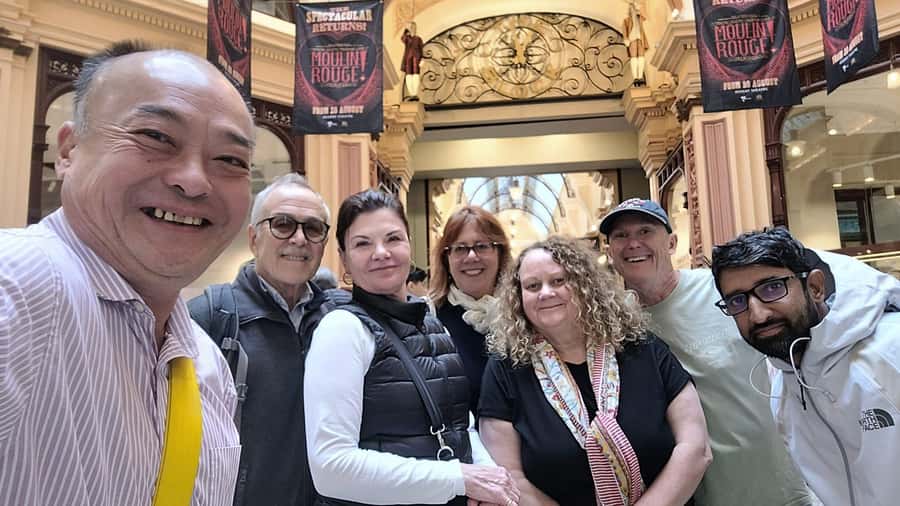
You’ll kick things off at St Paul’s Cathedral in Melbourne, meeting on the front walkway. The spot is between the main Flinders St entrance and the side door on Swanston St, and the guide will carry a blue bag with a yellow sash.
This matters more than it sounds. A good starting point in the city center means you waste less time hunting for your group and more time learning what you came for. If you’re early, take a minute to stand back and orient yourself to Flinders St and Swanston St so the laneway turns feel obvious once you start moving.
You can also read our reviews of more tours and experiences in Melbourne.

The Laneways Walk: How Street Art and Architecture Get Explained
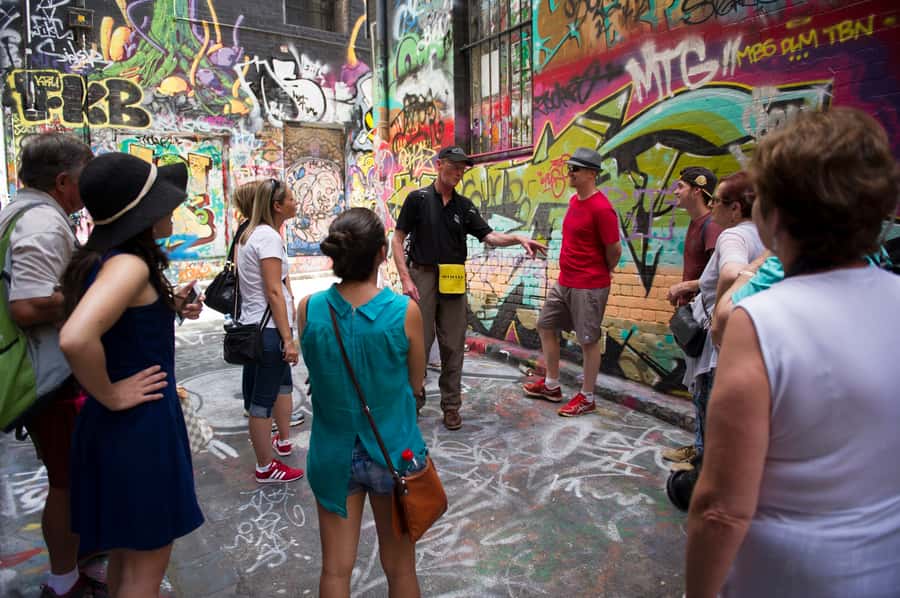
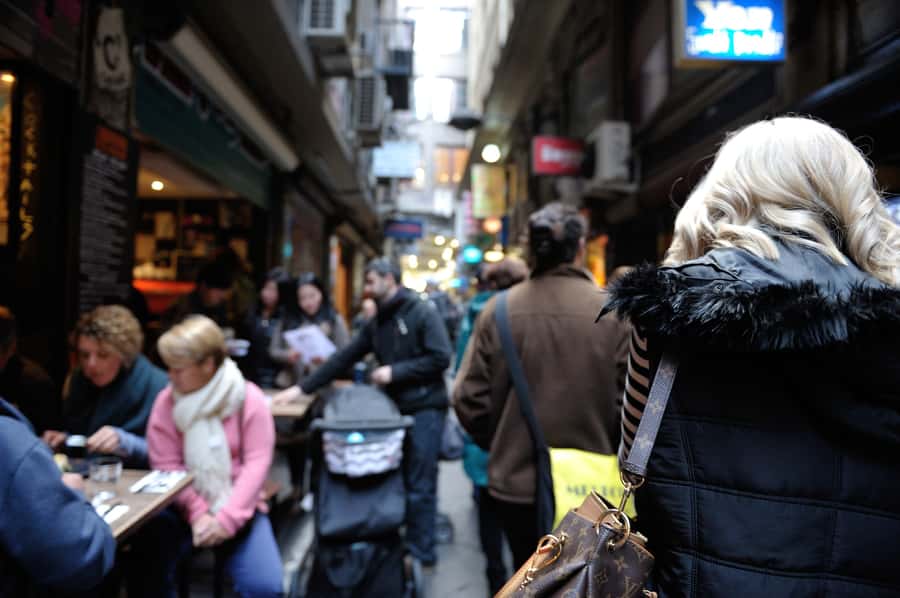
This tour is built around Melbourne’s laneways as living city galleries. You’re not just passing walls—you’re learning how the laneway system shaped neighborhood life, commerce, and even how people move through inner Melbourne today.
Here’s what makes the experience feel different from a self-guided wander:
- The guide points out details you’d likely miss at speed—small storefronts, hidden entries, and architectural bits tucked behind larger buildings.
- You get context for the street art. It’s not treated like random graffiti; it’s tied to place, time, and why Melbourne adopted a more experimental look in certain areas.
In the guide-led stories, you may hear references to works like Banksy parachute rats and Space Invader-style art (depending on the route and what’s visible that day). Even if you’re not a street-art hunter, you’ll start noticing how often laneways act like stages for creativity.
Hidden Shops and Quirky Café Stops That Make It Feel Local
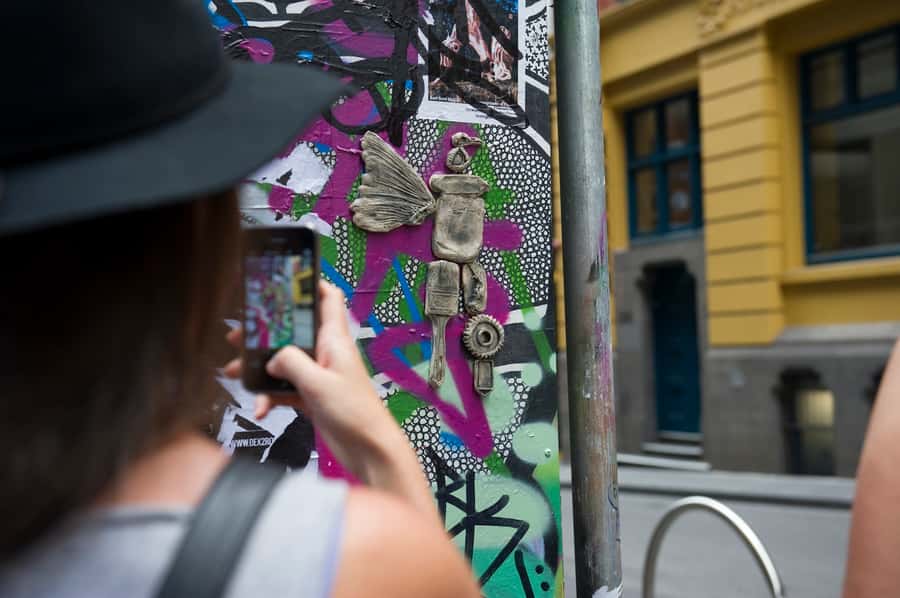
You’ll see hidden shops and galleries off the main grid. These are the kinds of places where the entrance is easy to miss—like a door you spot only after the guide says to look up or to check the side passage.
That’s the big value of a guide here: you’re buying time. Instead of spending your first days walking around asking yourself if you’re going the right way, you’re learning the laneway logic immediately—where the interesting turns tend to be and how to spot worthwhile storefronts without crisscrossing the whole city.
The coffee stop is one of the smartest parts of the tour. It’s built into the flow, so you’re not waiting until the end to sit down, and you can reset before the second half of the walk. A few guides are known for choosing a solid café spot, so it’s not just a token break.
Coffee Break: The Reset That Keeps the Pace Comfortable
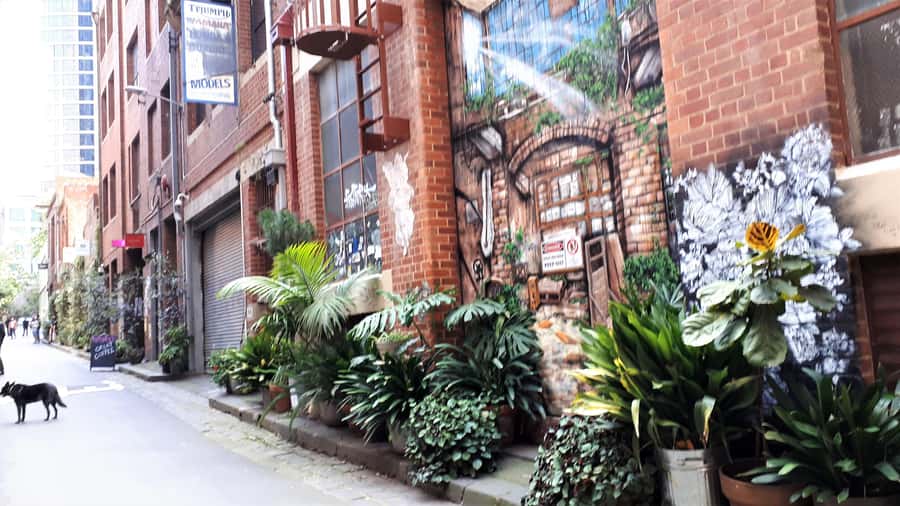
This is a 3-hour walking tour, so you should expect steady movement. Still, the coffee stop helps keep energy up without stretching the day.
It also changes the feel of the tour. Sitting for a short moment gives you time to absorb what you just saw—street art details, building features, and the small historical stories your guide has been threading through the walk. Then you’re back out, calmer and more observant, instead of tired and rushing.
Quick practical tip: Melbourne weather can shift fast. Bring a layer you can handle for a short break outdoors, so you’re comfortable when you step back out after your drink.
Melbourne’s Story in a Small Span: Gold Rush Roots to Australia’s Birth
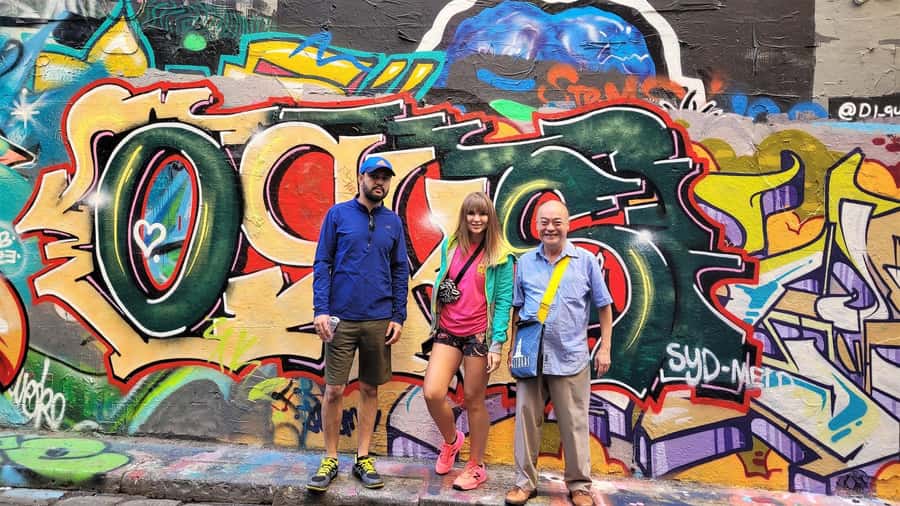
One of the tour’s best uses of your time is how it compresses big-picture history into real locations. The walk connects Melbourne’s development from the gold rush era to the birth of Australia, using buildings and inner-city streets as your timeline.
This works because laneways are where growth becomes visible. They show you how people adapted space—how trade, storage, housing, and small businesses tucked themselves into the city’s fabric. In other words, you’re not reading history in a classroom; you’re seeing how the city’s shape evolved.
If you enjoy stories with a cause-and-effect vibe—why things changed, who built what, and how people used the space—this part is usually what makes the tour feel “worth it.” It’s the difference between taking photos and understanding why those photos are happening in that specific place.





Your Guide Matters: What a Great Lead Adds to the Walk
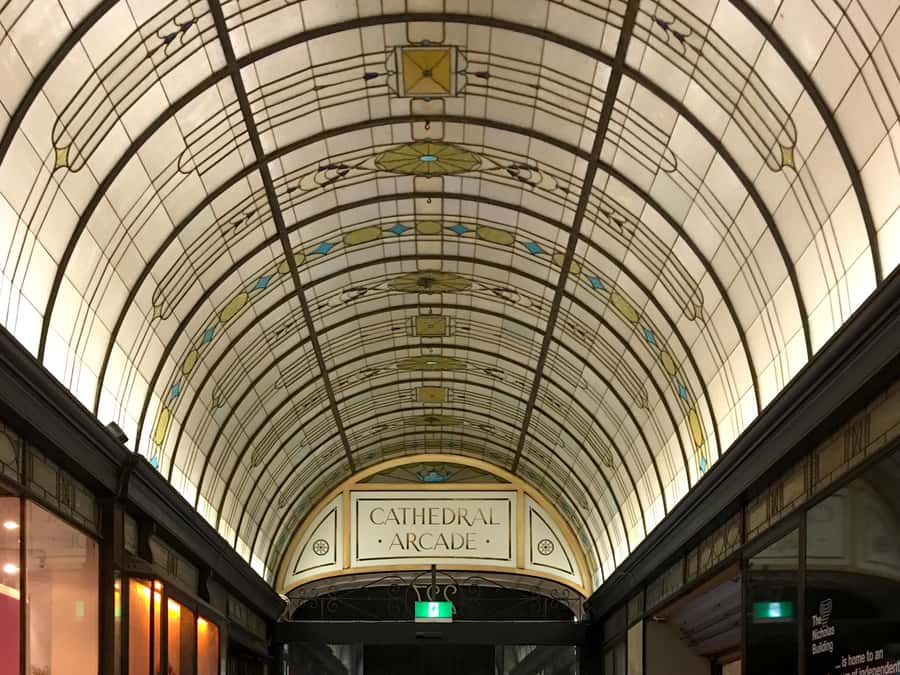
This tour is operated by MELTours, and the guiding style is a huge part of the appeal. Across multiple groups, guides like Kathy, John, San, and Sam (and others) have led walks that blend history, humor, and practical city tips.
What you’re looking for from a good guide on a laneway tour is clarity and control. Many guides here are known for keeping a pace that works for a range of people and for being easy to hear on busy streets.
Also, a good guide will help you extend the day after the tour. You might get recommendations for art galleries, restaurants, and bars that match what you’ve just learned to notice in the laneways—places you’d probably walk past if you didn’t know what to look for.
Pacing and Safety: Narrow Lanes, Watch Crossings, Don’t Rush

Because it’s a walking tour, plan for several short segments rather than long stretches. The route uses controlled pedestrian crossings at all times except when crossing smaller laneways, where you have to watch for your own safety.
That means your job is simple: slow down at crossings, keep your eyes up, and don’t assume every turn is designed for tourists. In narrow lanes, visibility can be limited, and bike or scooter traffic can be unpredictable even when you feel like you’re in a quieter pocket.
Wear suitable footwear. That’s not advice meant to cover bases—it matters for cobbles, uneven edges, and steps that pop up around arcades and storefront entries.
On the safety side, guides are qualified in first aid at Level 2. Just make sure you tell the guide ahead of time if you have any health issues you want them to consider.
Price and Value: Is $91 for 3 Hours Worth It?
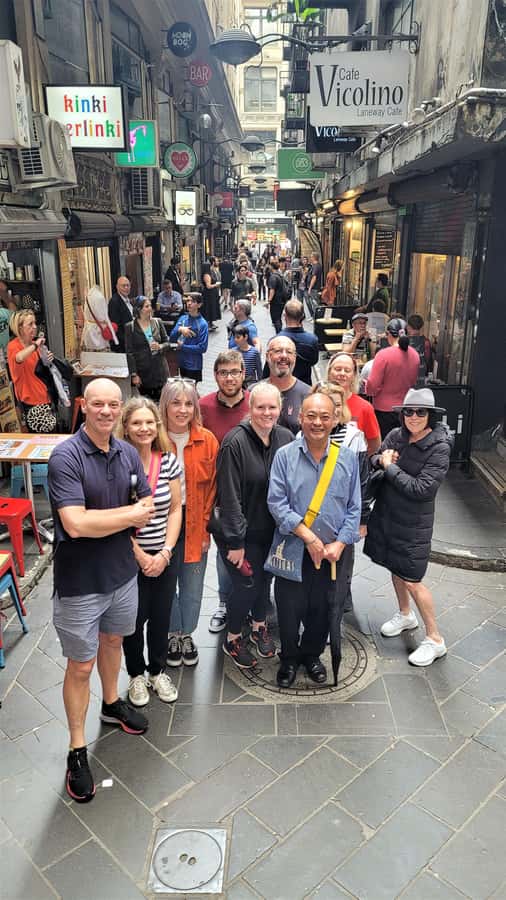
At $91 per person for a 3-hour small-group walking tour, you’re paying for three things at once:
- A guided route (so you’re not spending your time guessing)
- Context and storytelling tied to buildings and street art
- A coffee stop included in the walk
For me, the value comes from the fact that you’re paying to see more than what’s obvious from the sidewalk. A laneway tour is only worth it if it changes how you experience the city right after. This one aims to do that by showing hidden shops and galleries, explaining how the laneway system fits into Melbourne’s bigger story, and sending you off with better instincts for where to go next.
If you’re the type who likes photos but also likes meaning behind them, this price is easier to justify. If you only want a casual stroll with no guiding, you can always wander on your own—but you’d be paying with time instead of paying with expertise.
Who This Tour Suits Best (and Who Might Skip It)
This tour is a good fit if you:
- Are visiting for the first time and want fast orientation to Melbourne’s inner-city vibe
- Like street art, architecture, and the kind of history you can see right where it happened
- Want a short, structured experience instead of a half-planned day that falls apart by lunchtime
- Prefer a small group (max 10), where conversation stays possible
If you dislike walking or need a slower, more controlled pace, you might find the laneway crossings and tight passages a little tiring. The walk is not described as strenuous, but it is still a walking tour.
And if you’re traveling with accessibility needs or you have kids under 13, you can request a private tour to suit your situation. That’s a helpful option if the standard group format isn’t ideal.
Should You Book the Melbourne Laneways Tour?
I’d book this tour if you want a smarter first day in Melbourne—one where you get both the visible cool stuff (street art, hidden storefronts, architecture) and the why behind it (gold rush roots and the birth of Australia story told through place).
If you’ve got limited time, this is also a strong way to get traction fast. Three hours is long enough to see a lot of laneway variety and short enough that you don’t feel like you’ve been trapped on a schedule.
My bottom line: book it early in your trip. You’ll leave with better instincts for finding your own laneway favorites—plus a coffee break you don’t have to plan.
FAQ
Where is the meeting point for the Melbourne Laneways Tour?
You meet at St Paul’s Cathedral, Melbourne, on the corner of Flinders St and Swanston St. Meet on the front walkway between the main Flinders St entrance and the side door on Swanston St, and look for the guide with a blue bag and yellow sash.
How long is the tour?
The duration is 3 hours.
How big is the group?
It’s a small group with a limit of 10 participants.
Is coffee included?
Yes. A coffee stop is included during the tour.
What language is the tour conducted in?
The live tour guide speaks English.
Is the tour wheelchair accessible?
Yes, the tour is listed as wheelchair accessible.
Do I need to wear specific clothing or shoes?
You should wear suitable footwear because this is a walking tour.
Are there controlled crossings?
Controlled pedestrian crossings are used at all times except when crossing small laneways, where you need to look out for your own safety.
What if I need to cancel?
Free cancellation is offered up to 24 hours in advance for a full refund.
Can families with children under 13 or accessibility needs do a private tour?
Yes. Those with disabilities or families with children younger than 13 years of age can be catered for on a private tour.