REVIEW · MELBOURNE
Private City Kickstart Tour: Melbourne
Book on Viator →Operated by Withlocals · Bookable on Viator
Ninety minutes can change your whole Melbourne. This private city kickstart is built for first-timers who want quick orientation plus local stories tied to the places you’ll actually use later in the trip. You start in the big public crossroads, then work your way through the CBD so you know where things are and why they matter.
What I like most is the pace: short stops at the key landmarks so you get the feel of the city without burning half your day. I also like that you’re not stuck in a crowd—your guide, Ben, makes the information click fast and gives practical tips so you can plan the rest of your Melbourne time with more confidence. One consideration: it’s a walking tour, and people who need step-free routes and consistent curb access may find some stretches tough, especially if you’re using a scooter or mobility aid.
In This Review
- Key things that make this tour worth your time
- Getting oriented fast at Federation Square and Flinders Street
- The heritage loop: Young & Jacksons and St Paul’s Cathedral
- Laneways in 30 minutes: Hosier Lane and AC/DC Lane
- St Collins Lane, Block Arcade, and the way you’ll shop like a local
- Bourke Street Mall: the pedestrian heart of Melbourne
- Chinatown from the gold rush era to right now
- Parliament House of Victoria: architecture and timing your visit
- How the 1.5-hour format helps you plan the rest of your trip
- Value and price: what you’re paying for at $64.38 per person
- Who this tour fits best (and who should consider another option)
- Should you book the Private City Kickstart Tour: Melbourne?
- FAQ
- FAQ
- Where is the tour meeting point?
- How long is the Private City Kickstart Tour: Melbourne?
- Is this tour private?
- Are tickets needed for the stops?
- Do I need to arrange hotel pickup?
- What should I do if I want to see Parliament House from inside?
- What is the cancellation policy?
- Is the tour near public transportation?
Key things that make this tour worth your time
- Private, you-and-your-guide format means you can ask questions and move at a comfortable speed for your group
- 90-minute CBD circuit helps you get oriented fast, so your next day doesn’t start from zero
- Stories at the landmarks: Fed Square, Flinders Street, laneways, Chinatown, and Parliament in one loop
- Lots of free-to-see stops along the way, so you’re not paying extra to enjoy the sights
- Local tips and tricks that help you plan where to go next, not just what to see now
Getting oriented fast at Federation Square and Flinders Street
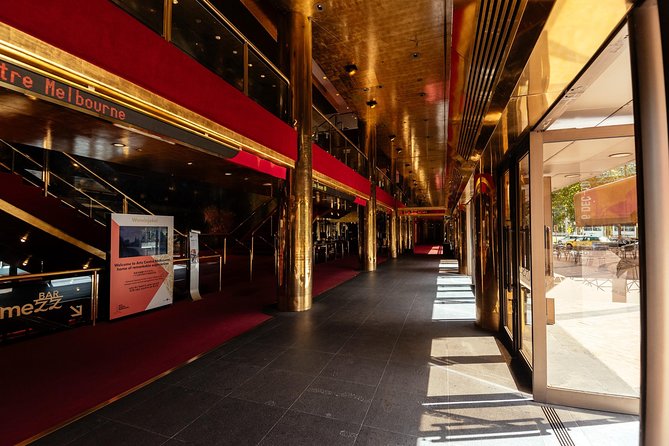
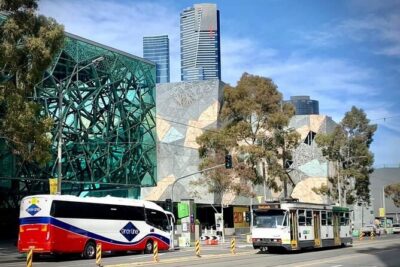
If your Melbourne trip has even a little crunch in the schedule, this is the kind of tour that saves you stress later. You meet at Federation Square (Swanston St & Flinders St). It’s a smart starting point because it’s a central meeting zone for major cultural activity and big events—so you immediately understand how the city organizes itself.
At Stop 1: Federation Square, you get a quick primer on the area’s role as a hub. In practice, this helps you later when you’re trying to spot where to go for museums, exhibitions, or just finding your way back after a detour.
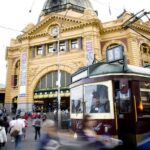
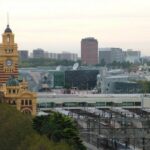
Then you head to Stop 2: Flinders Street Station, one of Melbourne’s most recognizable scenes. You’ll spend time looking at the station’s domed entrance and tower details, including the famous clocks that are used as a landmark for meeting up. Even if you don’t go inside, this is useful orientation because Flinders Street becomes your mental map anchor the moment you see it in person.
Quick heads-up: this is a “short stops” style tour. That’s great for orientation, but it means you won’t have time to linger for long photos at every angle. If you’re the type who hates rushing, plan to add extra time on your self-guided follow-up day.
You can also read our reviews of more city tours in Melbourne

The heritage loop: Young & Jacksons and St Paul’s Cathedral
After the station, the tour shifts from transport-landmark energy to heritage architecture. Stop 3: Young & Jacksons (often associated with the Young & Jackson Hotel) is a powerful look at how Melbourne’s older buildings shaped the city’s later identity. You’ll learn how it opened as the Princes Hotel and then took on a new name related to Irish diggers. This kind of detail makes the street scene feel less random and more connected to migration, industry, and the long memory cities like Melbourne carry.
Then comes Stop 4: St Paul’s Cathedral. It’s an Anglican cathedral and also tied to the Diocese of Melbourne and the seat of the Archbishop of Melbourne. The value here isn’t just the building itself—it’s learning how major institutions sit in the city fabric. When you understand what you’re looking at (cathedral, diocese, civic structure), the next time you’re passing by you’ll read the area with more clarity.
What I like about mixing these stops is the balance: you get a historic hotel with a story, then you get a religious/cultural anchor with a different kind of importance. Melbourne can feel like it has layers stacked on top of each other, and this tour gives you the “layering map” in a short time.
Laneways in 30 minutes: Hosier Lane and AC/DC Lane
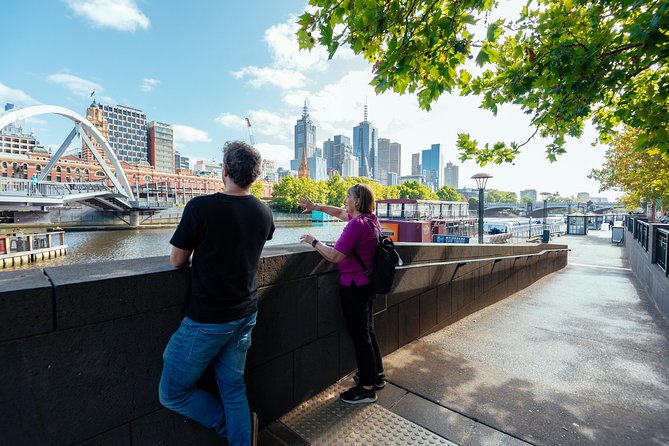
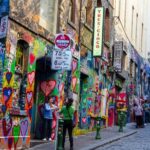
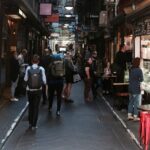
Here’s where the tour gets fun. After St Paul’s, you walk toward the street-art lane vibe. Stop 5: Hosier Lane gives you a look at how Melbourne’s laneways function as creative space. You’re not just seeing a wall—you’re seeing a place that has shifted roles over time and still draws attention because of what’s happening there now.
Then you move to Stop 6: AC/DC Lane, also reached via Flinders Lane. This stop is short but memorable, because it mixes street-level visuals with stories. If you’ve heard Melbourne’s rock-and-roll lore before, this is the part where it lands in a physical location. You learn why it’s famous and what people connect to it.
A practical note: laneways can be uneven and narrow, and sidewalks may vary. If you’re traveling with strollers, crutches, or a mobility aid, take your time and choose photo angles that don’t force tight turns or repeated step-backs. The tour is designed for a broad range of walkers, but short walking segments can still add up when you’re doing them all in one 90-minute run.
St Collins Lane, Block Arcade, and the way you’ll shop like a local
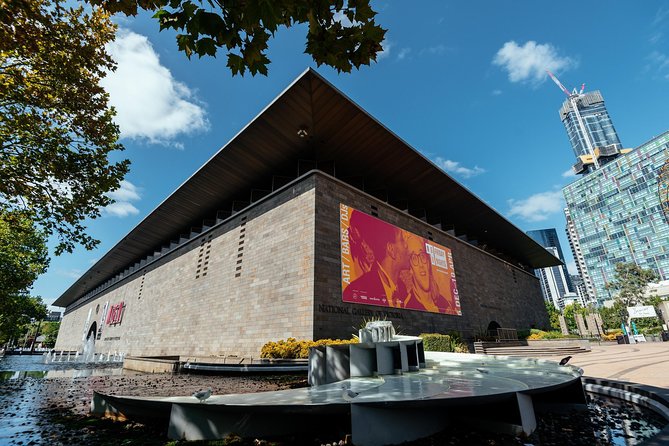
Next up is a change of scene: shopping arcades and elegant pedestrian streets. Stop 7: St Collins Lane brings you across Collins Street through the Block Arcade, which opened in 1892 and is considered one of the late Victorian era’s finest shopping arcades. This is the “look up” moment. Even if you only spend a few minutes inside or along the arcade, it helps you understand Melbourne’s shopping culture: lots of indoor-to-outdoor transitions and beautiful sheltered walkways.
Why does that matter for you? Because once you know where these arcades connect, you can move through the city faster when weather changes. And Melbourne weather can be sneaky. If you’re the kind of visitor who plans in layers, this stop gives you that practical advantage.
Bourke Street Mall: the pedestrian heart of Melbourne
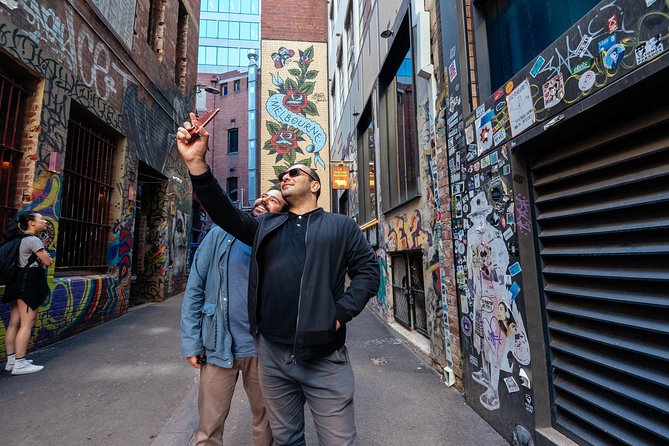
Stop 8: Bourke Street Mall is your big “city center reset.” It’s pedestrian-focused and described as a no smoking mall, and it’s treated as the heart of Melbourne. Spending time here is useful because it gives you a broad overview of what a central Melbourne retail corridor feels like in motion.
Even if you aren’t shopping, the mall helps you orient your next steps. This is where you can orient yourself toward other districts, pick an easy meeting point, or plan an efficient route back to your hotel.
If you’re aiming for value, use this time strategically: stop, check your map, and decide where you want your next hour to go. The tour is a primer; this is where you start personalizing.
You can also read our reviews of more private tours in Melbourne




Chinatown from the gold rush era to right now
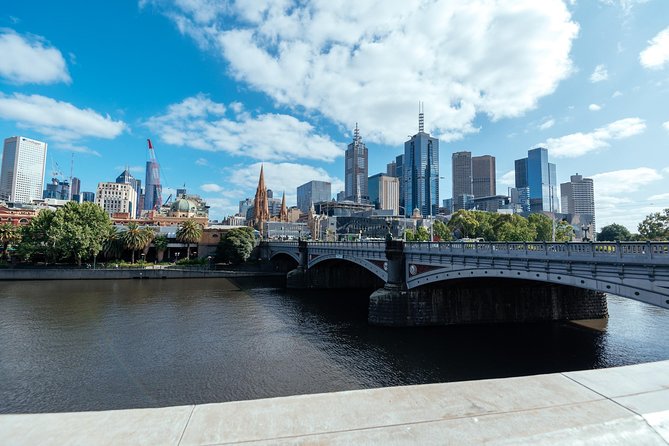
Then you get to Stop 9: Chinatown. This area dates back to the gold rush days of the 1850s, which gives it a deep timeline compared with some newer-looking CBD streets. Spending even a short block of time here matters because Chinatown is both a cultural place and a practical one—filled with food options and easy-to-navigate streets when you need lunch that doesn’t require extra planning.
The tour duration keeps you moving, but the payoff is context. Instead of seeing Chinatown as just a street name, you’ll understand why it exists and why it remained significant as Melbourne grew.
Parliament House of Victoria: architecture and timing your visit
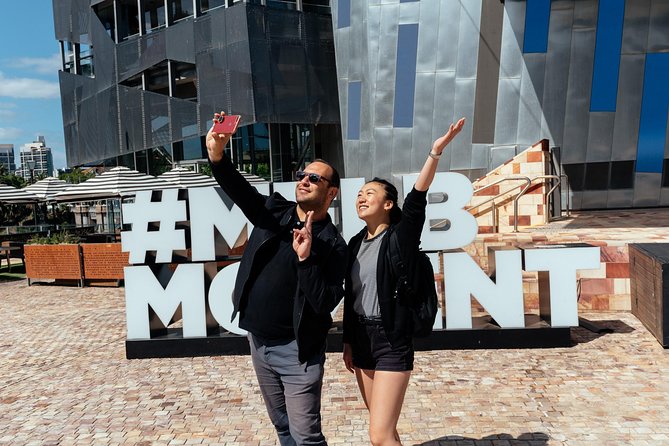
The last major stop is Stop 10: Parliament House of Victoria. It’s heritage listed, and the tour points out that free public tours are available on days when Parliament is not sitting. You’ll be able to look at key areas, including the Legislative Assembly and Legislative Council spaces, plus the Queen’s Hall and library.
This is a smart ending because it teaches you about two things at once:
1) how to spot institutional architecture in the city
2) how to take advantage of free options when you’re planning your own day
If you’re trying to pack in culture without spending much, keep Parliament House in mind for your schedule. The tour gives you a starting point, and then you can decide whether to return for the public tour timing that fits your trip.
How the 1.5-hour format helps you plan the rest of your trip
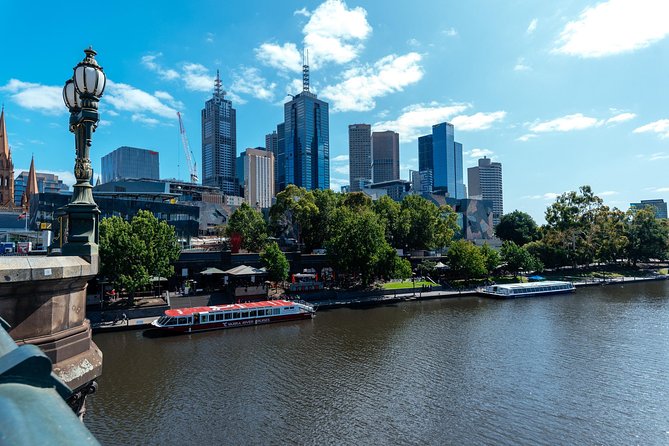
The tour runs about 1 hour 30 minutes with short stops, and that format is the whole point. You’re not asked to commit to a half-day walking marathon. Instead, you get a structured circuit through the central sights—Fed Square, Flinders Street Station, historic buildings, laneways, major pedestrian streets, Chinatown, and Parliament House—so you leave with a mental map.
This is especially valuable in Melbourne because neighborhoods can feel distinct even when they’re close. If you know the anchor spots—Flinders Street, Fed Square, the main Collins Street shopping passages—you’ll navigate faster and spend less time crossing the city with guesswork.
Also, because it’s a private experience, you can ask your guide where to go next. The included local tips and tricks aren’t just trivia. They’re meant to help you pick efficient next moves.
Value and price: what you’re paying for at $64.38 per person
At $64.38 per person, the headline number looks straightforward, but the real value comes from the structure. This is a private city kickstart, so you’re paying for:
- a local guide who can explain what you’re seeing in plain language
- a fast orientation loop through high-impact landmarks
- included city orientation and practical tips so you don’t waste time later
If you’re traveling solo, you’ll still get private attention, but you’re paying the full per-person cost. If you’re traveling with someone and can book your group together, it often feels like a better trade because you share the guided advantage.
Bottom line: if you want your first day in Melbourne to feel organized, this price can be a good shortcut—especially when you consider how much effort it takes to self-navigate multiple landmark areas without losing time.
Who this tour fits best (and who should consider another option)
This tour is designed for most people and is described as a walking experience that uses a central route near public transportation. It also works well if you’re the type who wants to move, learn, and then immediately use the knowledge.
It’s a particularly good fit if:
- you’re short on time and want a quick map of the CBD
- you want stories and local context, not just photo stops
- you like making a plan right after your tour so you can use the rest of your day well
One caution: if you rely on step-free walking routes or need consistent curb access, pay extra attention to the route. A guide-friendly itinerary is great, but physical infrastructure still matters. One note from accessibility feedback is that there may not be enough information about where there are steps and where curb cuts are missing, and that can slow things down or make the route harder for someone using a scooter.
Should you book the Private City Kickstart Tour: Melbourne?
I think you should book it if you want a smart, time-efficient overview of Melbourne’s center with a guide who can explain what you’re seeing and share practical next-step ideas. The private format and the strong mix of landmarks plus laneways plus Chinatown plus Parliament make it a good first-day move.
I’d hold off or plan carefully if mobility access is a priority and you need a clearly step-free route with guaranteed curb access. In that case, consider checking with the provider about the exact walking surfaces and whether the route can be adjusted to better match your needs.
FAQ
FAQ
Where is the tour meeting point?
You start at Federation Square on Swanston St & Flinders St, Melbourne VIC 3000. The tour also ends back at the meeting point.
How long is the Private City Kickstart Tour: Melbourne?
The tour runs about 1 hour 30 minutes.
Is this tour private?
Yes. It’s a private tour, meaning only your group participates with your local guide.
Are tickets needed for the stops?
For the listed stops, admission tickets are shown as free (including Federation Square, Flinders Street Station, Young & Jacksons, St Paul’s Cathedral, Hosier Lane, AC/DC Lane, St Collins Lane via the Block Arcade, Bourke Street Mall, Chinatown, and Parliament House of Victoria).
Do I need to arrange hotel pickup?
Hotel pickup and drop-off are not included.
What should I do if I want to see Parliament House from inside?
The information provided notes that free public tours are available on days when Parliament is not sitting. You can use this timing when planning your own visit.
What is the cancellation policy?
You can cancel for free up to 24 hours in advance for a full refund. If you cancel less than 24 hours before the start time, the amount paid is not refunded.
Is the tour near public transportation?
Yes. The meeting area is described as near public transportation. A mobile ticket is also provided.