REVIEW · MORNINGTON PENINSULA
Self-Guided Point Nepean National Park Bike Hire
Book on Viator →Operated by Bayplay & Beyond Pty Ltd · Bookable on Viator
Fresh air plus forts on two wheels.
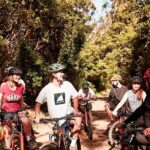
That mix is exactly why this self-guided ride through Nepean National Park feels like such a smart way to see the southern Mornington Peninsula—historic military structures, coastal paths, and big marine views all without a rigid group pace. I like that it includes the core essentials (bike, helmet, lock, and a park map) so you’re not hunting gear. I also like that the start-off briefing is designed to get you rolling fast, with staff like Toby at Bayplay Bike Shop known for making the setup feel easy. One possible drawback: you’re relying on a downloadable map and your own judgement for timing, and the coastline includes some tough hills.
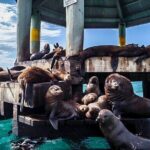
The route is built around four meaningful stops, which helps you focus instead of just cycling in circles. You’ll visit the Quarantine Station Area, then ride along Coles Track toward Fort Nepean, with wildlife sightings possible—dolphins, Australian fur seals, and echidnas. If you want a trip that lets you stop when a view hits or linger where the history feels real, this format delivers.
Your main consideration is weather. This experience requires good conditions, and if rain shows up it can turn a bike day into a miserable one.
In This Review
- Key points to know before you ride
- Point Nepean by bike: why two wheels beat walking
- Bayplay Bike Shop check-in: getting set up without wasting time
- Quarantine Station Area: the Gold Rush control point you can actually visit
- Coles Track to Observatory Point: coastline riding with wildlife timing
- Fort Nepean: defensive tunnels and the entrance to Port Phillip Bay
- How long the ride really is: timing for a 3.5-hour self-guided loop
- Price and value: what $28.69 gets you (and what it doesn’t)
- Who should ride this bike hire (and who should skip)
- Weather and comfort: how to make sure the day stays fun
- Should you book the self-guided Point Nepean bike hire?
- FAQ
- Where does the bike hire start and end?
- How long is the self-guided bike experience?
- How much does it cost?
- What’s included with the booking?
- What is not included?
- Is this activity suitable for children?
- What fitness level do I need?
- How do I navigate the route?
- What happens if the weather is bad?
- Can I cancel for a full refund?
Key points to know before you ride
- You control the pace: cycle, pause, and repeat stops without timing a group.
- History stops are quick and clear: Quarantine Station Area, Fort Nepean, plus key viewpoint areas.
- Bike basics are handled upfront: helmet, lock, directions, and a downloadable map at the start.
- Expect hills on the peninsula: the ride is also a real workout, not a flat cruise.
- Wildlife chances are part of the fun: look out for dolphins, fur seals, and echidnas.
- Weather matters more than most: rain can ruin the whole plan.
Point Nepean by bike: why two wheels beat walking
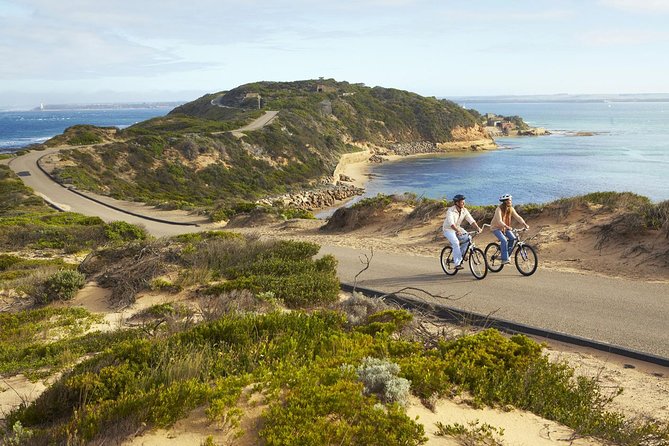
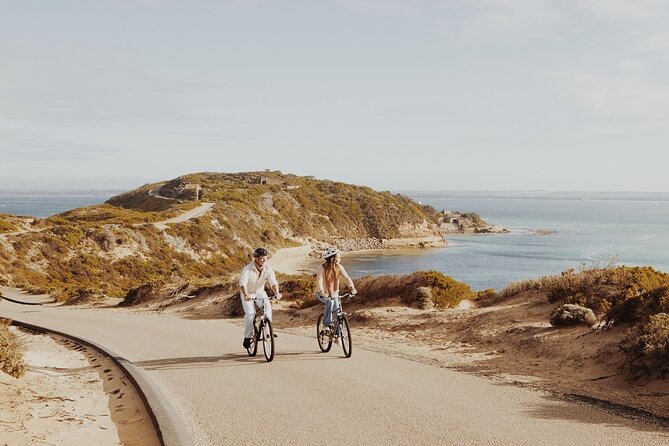
Point Nepean National Park sits at the southern edge of the Mornington Peninsula, where Port Phillip Bay meets the open ocean. On foot, you can end up moving quickly just to cover enough ground. On a bike, you get a better balance: enough distance to reach the big viewpoints and forts, plus the freedom to stop for photos and wildlife watching without feeling rushed.
I like how this ride is built around the park’s main draw—historic military remains and coastal scenery—without making you do all the navigation work yourself. The route is designed so you move along coastal trails and end up at Fort Nepean, a key defensive site on the Point Nepean headland. Along the way, you’re also on the right kind of terrain to spot animals that tend to show up near the shorelines and quieter track edges.
And yes, it’s still active. One of the most consistent bits of feedback is that the ride can be a workout, with hills that test your legs. That’s a plus for me if you want exercise, but it’s also something to plan for if you’re looking for an easy roll.
You can also read our reviews of more cycling tours in Mornington Peninsula
Bayplay Bike Shop check-in: getting set up without wasting time
Your ride starts at the Point Nepean Information Centre on Ochiltree Rd in Portsea. From there, you’ll check in at Bayplay Bike Shop, get your gear, and receive instructions on how to use the bikes.
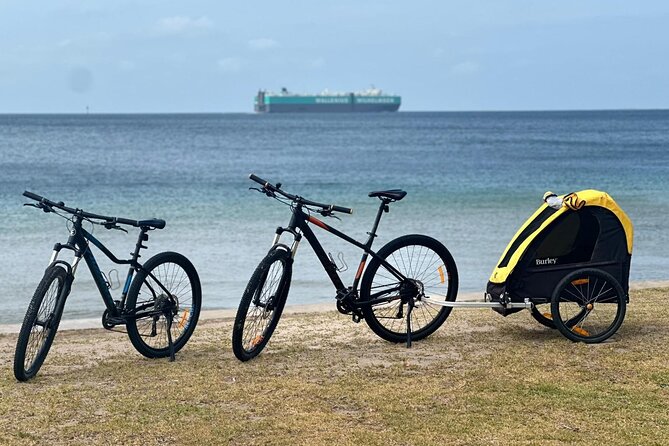
Here’s what’s included at the start, and it matters: you get a helmet and a lock, plus the park map. You’ll also be given directions and a downloadable map, so you can follow along at your own pace. The entire setup is designed to be quick—plan for about 15 minutes to get checked, fitted, and oriented.
One small but important thing: directions can feel minimal if you’re the type who likes turn-by-turn instructions. The good news is that the downloadable map helps you find your way. When the staff briefing clicks, the whole experience feels smoother. In previous starts, Toby has been singled out for being friendly and clear with the explanation, which is exactly what you want when you’re about to ride on a coastal route.
Also note the practical bits: this is a mobile-ticket experience, so you’ll want your phone accessible at the start. There’s no hotel pickup or drop-off, so you’ll be making your own way to the meeting point.
Quarantine Station Area: the Gold Rush control point you can actually visit
The second stop is the Quarantine Station Area, with about 20 minutes there. This place ties directly into the Gold Rush era, when sick visitors were restricted so they couldn’t spread illness to Melbourne. In other words, this wasn’t just a scenic stop—it was a real-world gatekeeping system built for a dangerous moment in time.
What you’ll do here is simple: walk through the old hospital areas you were meant to see as quarantine grounds after long ocean travel. Even with a short stop, it’s a meaningful shift in tone from the outdoorsy riding. You see how people were processed when travel by sea was slow, uncertain, and risky.
If you like history but don’t want an all-day museum experience, this timing works. It gives you context without draining your energy before the cycling portion ramps up.
A drawback to keep in mind: since the stop is about 20 minutes, you won’t have time for a long, detailed exploration of every structure. If you want a deeper read, you’ll need to slow down elsewhere on the route—because you can spend more or less time where you like.
Coles Track to Observatory Point: coastline riding with wildlife timing
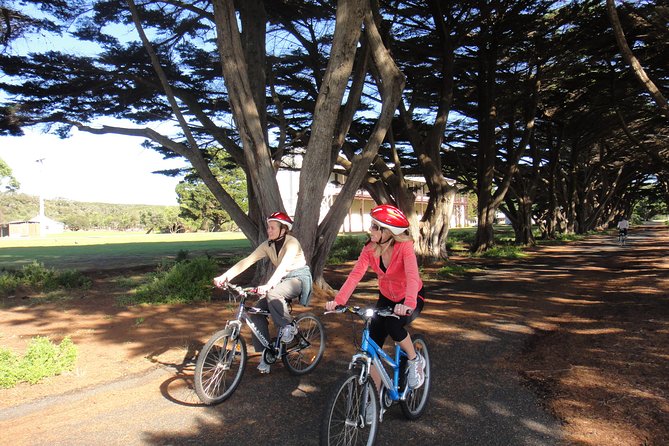
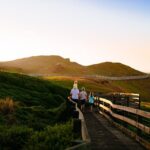
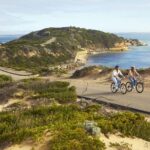
After Quarantine Station, you roll into the main cycling section. The route follows Coles Track along the coastline, heading toward Fort Nepean. This is where the experience becomes a mix of effort and reward: you’ll keep moving, but you’re surrounded by ocean views and wildlife-watching opportunities.
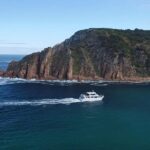
Expect the first big pacing checkpoint to be around Observatory Point. This is described as a viewpoint area with marine sightlines, and it’s tied to the chance to spot dolphins. Even if you don’t see marine life every single time, the value of this stop is that it breaks up the ride with a proper look-out moment.
This part of the route is also where you might catch sight of echidnas. That’s one of the more charming “national park” elements here: you’re not just riding past scenery; you’re riding in the right habitat for real animal encounters.
One practical note that’s easy to overlook: the coastline can be windy, and wind changes how hard you feel the hills. If you’re planning your energy, start steadier than you think you need. You’ll get a better ride, and you’ll enjoy the viewpoints more instead of arriving already exhausted.
Fort Nepean: defensive tunnels and the entrance to Port Phillip Bay
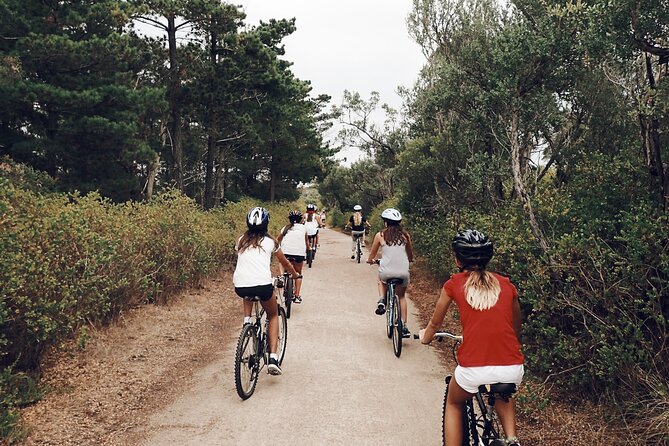
You’ll spend about 40 minutes at Fort Nepean, which is a former defensive facility on Point Nepean. This fortification was part of a wider network commanded from Fort Queenscliff, created to protect the narrow entrance into Port Phillip Bay.
Why this stop is worth your time: it’s not random “ruins for ruins’ sake.” The location explains the purpose. You’re in a place where ships had to approach through a defined channel, so defensive structures made sense here. When you look outward during your visit, the defensive logic becomes easier to understand.
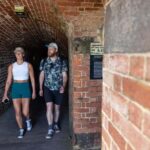
Also, the park overall is known for historic military structures and tunnels, and Fort Nepean is the key area where that theme lands. Even if you only get a portion of the full story in 40 minutes, the setting helps you connect what you’re seeing to why it was built.
The best way to handle this stop is to treat it as both a history moment and a viewpoint moment. Look around, then step back and take in the coast. The time window is short enough that you can enjoy it without turning it into a grind.
You can also read our reviews of more guided tours in Mornington Peninsula

How long the ride really is: timing for a 3.5-hour self-guided loop

The full duration is about 3 hours 30 minutes, including time at stops. Because this is self-guided, that time is flexible. You can go faster if you want more cycling, or slow down if you want to linger at the Quarantine Station or spend longer at Fort Nepean.
The route rhythm usually looks like this: a quick bike setup, then a brief history stop, then a longer cycling segment along Coles Track, and finally the fort visit. If you’re trying to make the most of the full time, don’t skip the shorter stops. They provide a narrative arc that makes the ride feel purposeful instead of just exercise.
If you’re the kind of person who hates feeling rushed, the self-guided approach is a real win. One of the best parts of the format is that there’s no stress to keep up with anyone else. You ride what you want to ride, at the pace your legs and attention allow.
Price and value: what $28.69 gets you (and what it doesn’t)
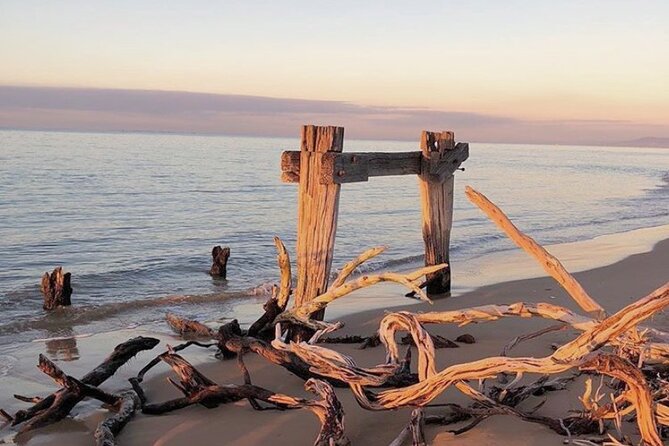
The price is $28.69 per person for the bike hire and self-guided experience. For me, the value case is pretty clear because the core equipment is included: the bike, helmet, lock, and a park map.
This isn’t just “rent a bike and good luck.” You’re given directions and a downloadable map, plus the start briefing that helps you avoid the first big mistake people make on self-guided rides—confusing themselves within the first mile.
What’s not included is equally important. Food and drinks are not part of the deal, so you’ll want to plan your own snack and water. Also, there’s no hotel pickup or drop-off, so you’ll need to reach the meeting point on your own.
If you’re comparing this to guided tours, the difference is in how you control your time. This option is best when you want freedom, not when you need a constant live guide talking in your ear.
Who should ride this bike hire (and who should skip)

This ride is for people with moderate physical fitness. The hills can make it tougher than an easy waterfront cruise, and that’s part of the experience. If you’re comfortable riding a bike confidently and handling hills, you’ll likely enjoy it.
Age-wise, there’s a minimum of 7+ years and the child needs to ride confidently. Children must be accompanied by an adult. There’s also an optional single or double child carrier that comes at an additional cost, so if you’re traveling with little kids, check that option when you book.
This is a great fit if you:
- Want a memorable way to see Point Nepean without a rigid group schedule
- Like history, but also want outdoor time
- Enjoy spotting wildlife and are okay with the timing being unpredictable
It might be less ideal if you want flat, effortless cycling, or if you hate any form of self-navigation. The map helps, but you’re still responsible for choosing where to pause and how to pace your return.
Weather and comfort: how to make sure the day stays fun
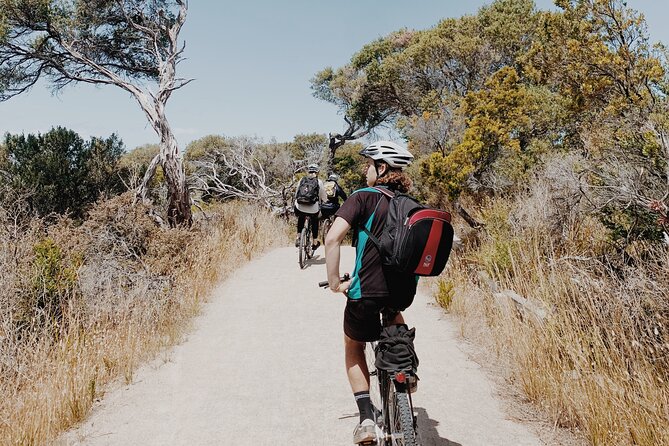
The experience requires good weather. That’s not a small detail—it’s the difference between an enjoyable coastal ride and a miserable one. Rain can make cycling uncomfortable and reduce visibility for both riding and wildlife spotting.
Before you go, check the forecast like it matters, because it does. If it looks even slightly sketchy, have a backup plan in your head for a different day.
Also, comfort planning helps with everything: coastal wind can cool you down, and sun can hit hard when you’re exposed. If you’ve got a light layer, good shoes, and a basic sun plan, you’ll feel better on the hills and the viewpoints.
Helmets are provided, which helps you feel safer and more at ease. And because you lock your bike, you can focus on walking through the Fort Nepean and Quarantine Station areas without worrying about leaving gear behind.
Should you book the self-guided Point Nepean bike hire?
Yes, I think you should book this if you want an efficient, real-world way to see Point Nepean’s forts and viewpoints without spending your whole day indoors or stuck to someone else’s schedule. The value is strong because the bike, helmet, lock, and map are included, and the route gives you a clear set of stops instead of a vague cycling loop.
Skip it (or wait for better conditions) if you’re expecting easy riding, because the hills are real. And don’t ignore the weather requirement—this is one of those activities where rain can knock the fun out quickly.
If you’re ready for a self-guided day that mixes history, ocean views, and wildlife chances, this is a solid pick for the Mornington Peninsula.
FAQ
Where does the bike hire start and end?
It starts at the Point Nepean Information Centre on Ochiltree Rd, Portsea VIC 3944. The activity ends back at the meeting point.
How long is the self-guided bike experience?
It lasts about 3 hours 30 minutes.
How much does it cost?
The price is $28.69 per person.
What’s included with the booking?
You receive a bike, helmet, park map, and lock. A single or double child carrier is optional for an extra cost.
What is not included?
Food and drinks are not included, and there is no hotel pickup or drop-off.
Is this activity suitable for children?
Children must be accompanied by an adult. The minimum age to ride is 7+, and the child needs to be able to ride confidently.
What fitness level do I need?
The experience is for people with a moderate physical fitness level.
How do I navigate the route?
You’ll get directions and a downloadable map at the start, and it’s a self-guided format so you ride at your own pace.
What happens if the weather is bad?
This experience requires good weather. If it’s canceled due to poor weather, you’ll be offered a different date or a full refund.
Can I cancel for a full refund?
Yes. You can cancel up to 24 hours in advance for a full refund. If you cancel less than 24 hours before the start time, the amount paid is not refunded.