REVIEW · PHILLIP ISLAND
Philip Island: Dolphin and Whale Cruise
Book on GetYourGuide →Operated by Wildlife Coast Cruises · Bookable on GetYourGuide
A whale or dolphin moment can happen fast.
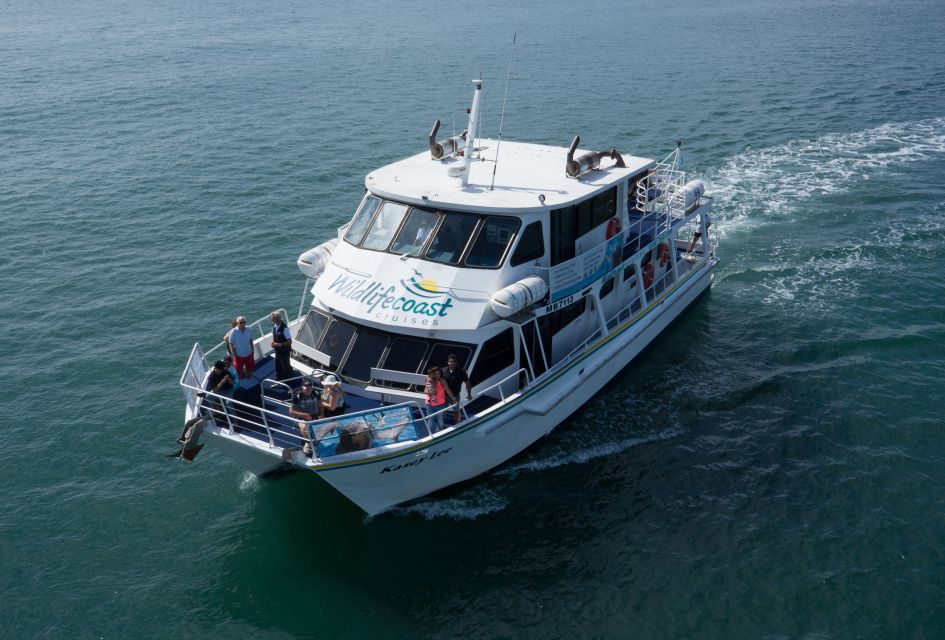
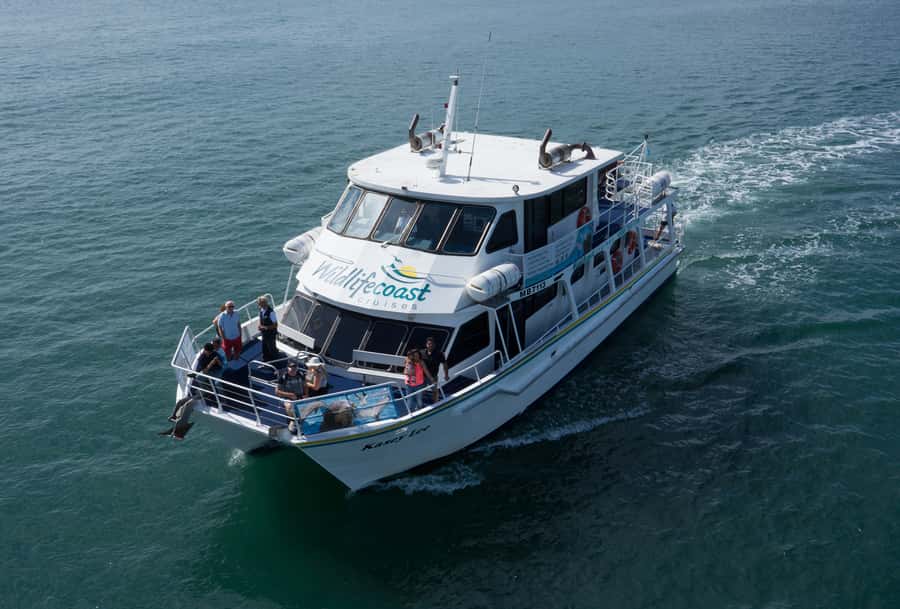
This Phillip Island Dolphin and Whale Cruise is built around finding whales on their migration route and then hanging in for dolphins, seals, and seabirds along the cliffs of Cape Woolamai. I especially like the expert whale spotter on board and the fact you’re cruising the southern coastline where the action is most likely.
The main thing to consider is the trade-off you’re making with a 3-hour outing: if whales stay farther out or don’t show up on your run, the trip can feel like it runs out before you get that close payoff. Still, you get plenty of wildlife searching time plus afternoon tea, so it’s not just staring at empty water.
In This Review
- Key highlights that matter in real life
- Why Phillip Island’s Southern Coast Is Prime Whale and Dolphin Ground
- Setting Sail Past Cape Woolamai: Views First, Then Wildlife Hunting
- How Whale Spotting Works (And Why It Changes Your Odds)
- Dolphins, Seals, and Wandering Albatrosses: What to Watch for Beyond Whales
- The 3-Hour Schedule: How the Timing Feels on the Water
- Afternoon Tea and the Licensed Bar: What You Actually Get Included
- Price and Value: Is $95 Worth Your Whale-Time?
- Who This Cruise Fits Best (And Who Might Want Another Option)
- The Marine-Respect Factor: The Difference You Notice in How It’s Run
- Should You Book the Phillip Island Dolphin and Whale Cruise?
- FAQ
- What’s the duration of the Phillip Island Dolphin and Whale Cruise?
- What wildlife can you expect to see on the cruise?
- Is afternoon tea included?
- Are drinks included with the ticket?
- What language is the live guide provided in?
- Is there free cancellation?
- Is the cruise suitable for wheelchair users?
Key highlights that matter in real life
- Expert whale spotter helps your chances during humpback and southern right whale searches
- Cape Woolamai cliffs set the tone with rugged scenery right from the start
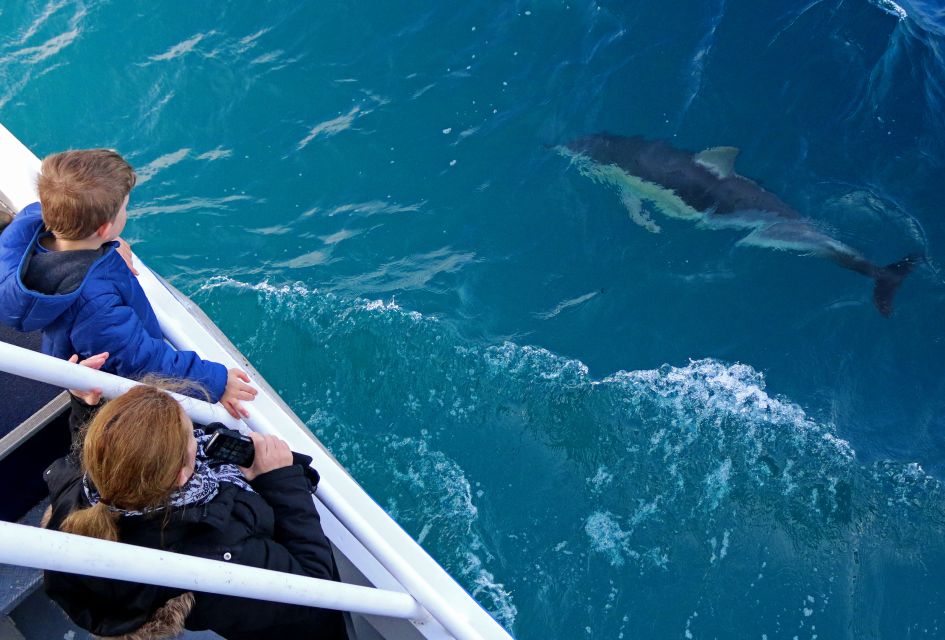
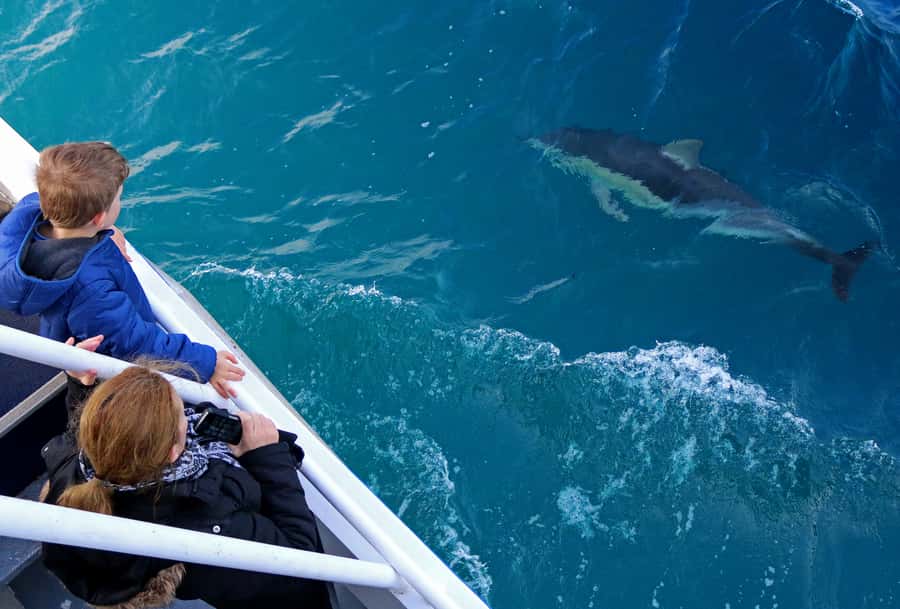
- Dolphins in the hunt: pods may swim and play as you cruise
- More wildlife than just whales: seals and sea birds like wandering albatrosses can appear
- Afternoon tea included (tea/coffee plus cake), with a licensed bar for extra drinks
Why Phillip Island’s Southern Coast Is Prime Whale and Dolphin Ground
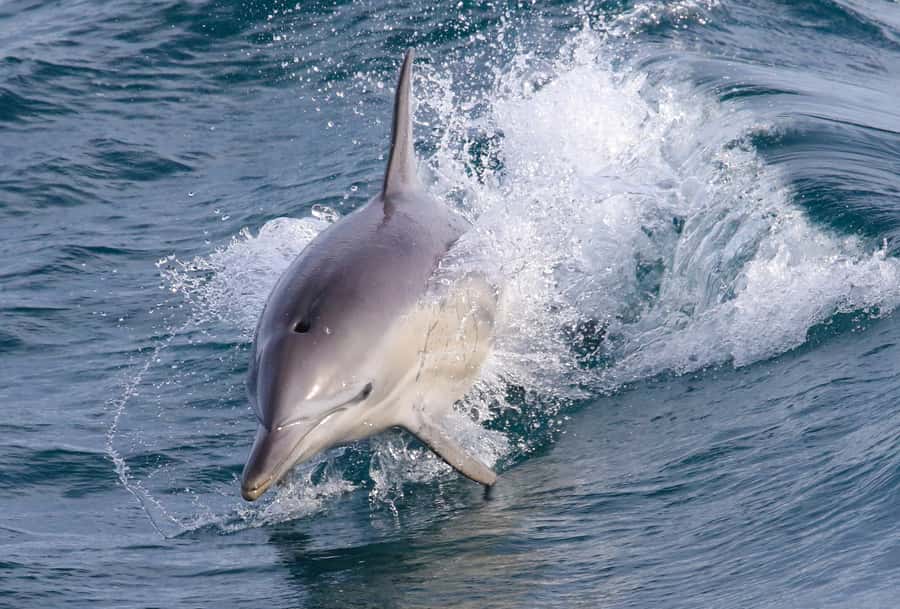
Phillip Island sits in a spot where the ocean works like a highway. On this cruise, you’re specifically out there in the winter months to look for whales on their annual migration route, plus dolphins that can show up in active pods while hunting and playing near the surface.
What I like about this approach is that it’s not a vague “we’ll see what happens” plan. The whole experience is organized around where whales and dolphins are most likely to be—and the presence of an onboard expert spotter means you’re not just hoping you’ll spot something with your own eyes. You also get commentary from the captain along the way, which helps you understand what you’re actually seeing rather than just watching shapes float by.
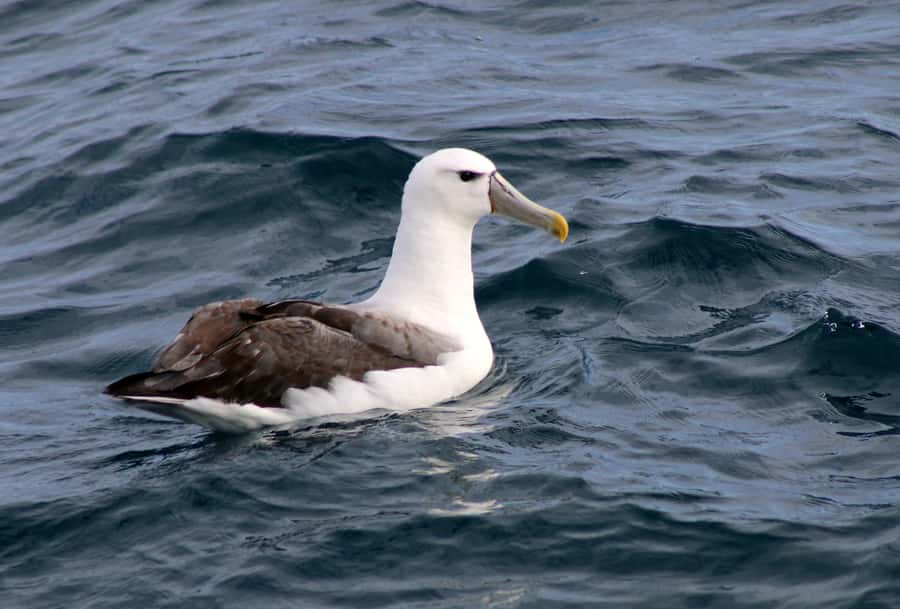
And if you’re wondering what else might show up: the cruise also looks for seals and a range of birds. In the supplied details, wandering albatrosses are specifically noted as being regularly spotted in the area. That matters because it gives you wildlife variety even if the whales are doing a low-key day.
You can also read our reviews of more boat tours in Phillip Island

Setting Sail Past Cape Woolamai: Views First, Then Wildlife Hunting
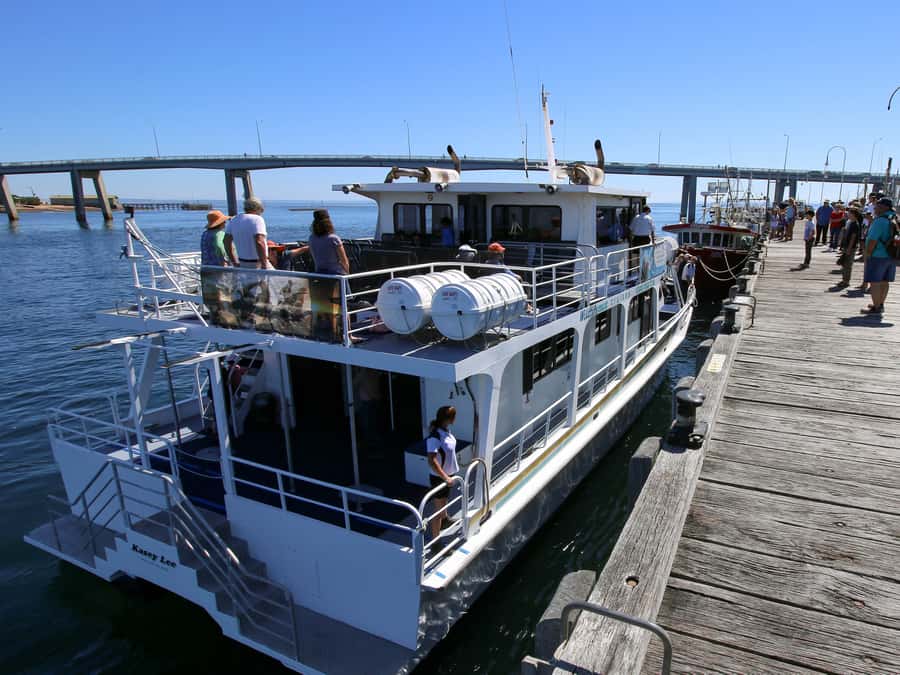
Your cruise runs from the start of the Phillip Island coast and then works its way past the sheer cliffs of Cape Woolamai and along the island’s southern shoreline. Even before you get your first whale or dolphin sighting, the coastline itself is a big part of why this trip works.
Here’s the practical part: the cliffs create a dramatic backdrop, but they also help set expectations. This isn’t a calm-lake cruise vibe. It’s an open-coast boat outing, and that’s part of the thrill. If you’re the type who likes scenery with a purpose—watching for wildlife while the land drops away behind you—this is a good fit.
The captain’s commentary adds context as you move along the coast. That’s not just “tour talk.” It helps you track what the crew is looking for and when you should pay attention, which makes the sightings feel more rewarding.
How Whale Spotting Works (And Why It Changes Your Odds)
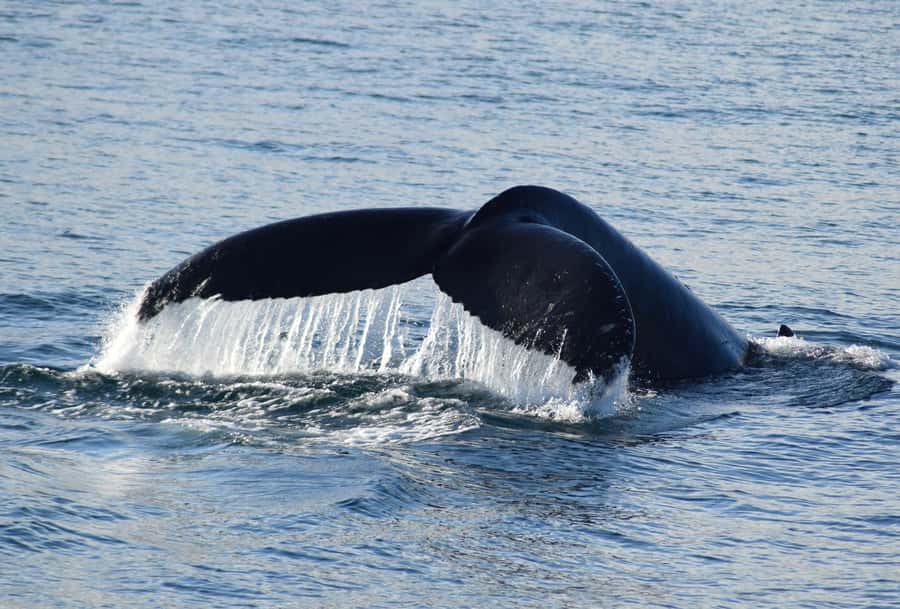
Whale sightings depend on timing and luck. But this cruise is designed to stack the odds with an expert whale spotter on board. They’re there to help ensure you don’t miss a whale sighting while you’re out on the water.
In plain terms, that means:
- You’re not only scanning the horizon yourself.
- You get guidance that can point your attention at the right direction and the right moment.
- The crew’s effort is focused on humpback and southern right whales on their migration route.
One of the most useful things to know from the experience details is the specific whale types: humpback and southern right. That’s helpful because it gives you a mental checklist. When you see a blow or a movement, you’ll have a better sense of what the crew is likely identifying, even if you’re not a whale expert.
Now the balance: the feedback provided includes some mixed outcomes. On some cruises, whales can be very close, while on others they may be farther out—or you might not get whales at all on that particular run. That’s not a flaw in the trip so much as how wildlife works. Still, the spotter and captain commentary are the difference between passive cruising and active searching.
Dolphins, Seals, and Wandering Albatrosses: What to Watch for Beyond Whales
Whales are the headline, but dolphins can be the quick win. The cruise is set up to search for pods of dolphins as they hunt and play in the ocean. That “hunt and play” detail matters because dolphins aren’t always just cruising in a straight line. When they’re actively feeding or moving through pods, you often get more frequent surface activity, which can make the whole ride feel alive.
The same philosophy applies to other wildlife:
- Seals might be spotted along the route.
- Sea birds can show up in the coastal air and up on the waterline.
- Wandering albatrosses are specifically mentioned as being regularly spotted in the area.
I like having multiple categories on your odds list. It reduces the chance that the cruise feels like a letdown if the whale portion isn’t perfect. Even if whales stay distant, dolphins and seabirds can keep the trip entertaining and memorable.
And because the ship is moving along the southern coastline, you’re also constantly repositioning. In wildlife terms, that’s important—you’re not stuck in one patch of water waiting for something to appear.
The 3-Hour Schedule: How the Timing Feels on the Water
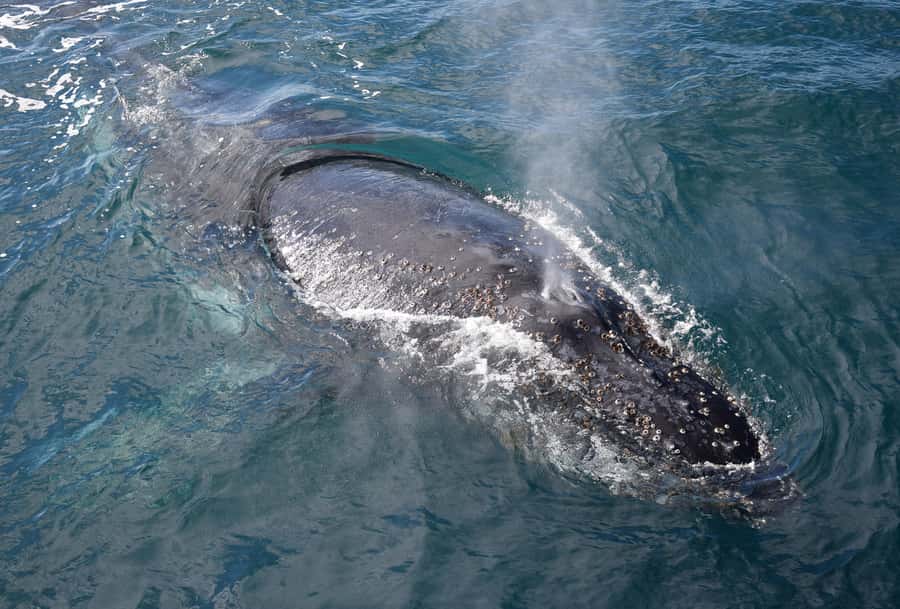
The cruise runs for 3 hours, which is a sweet spot for a wildlife outing. It’s long enough to give the crew time to search different stretches of coastline, but not so long that one quiet stretch drains the whole experience.
That said, the feedback you shared does include a real warning in everyday language: if whales don’t show up quickly, later parts of the cruise can feel less exciting. One note mentions that part of the trip felt less great because whales weren’t sighted during the later window.
So here’s how you can manage expectations. Go in ready for the fact that dolphins may show themselves sooner, while whale sightings can happen when the boat reaches the right area. If you’re the kind of person who needs a guaranteed whale moment, this is where you should be honest with yourself. Nature doesn’t sign contracts.
Also consider the boat itself: one comment notes a noisy engine in the background. That’s not surprising on an open-water cruise, but it’s good to know if you’re sensitive to sound. It doesn’t ruin the day for most people—it just changes how you listen and how clearly you can hear commentary.
You can also read our reviews of more whale watching tours in Phillip Island
Afternoon Tea and the Licensed Bar: What You Actually Get Included
One of the most practical perks is that tea, coffee, and afternoon tea (cake) are included. On a 3-hour cruise, that matters more than it sounds. It gives you a comfortable rhythm during wildlife searching—something warm in hand, plus a sweet break while you’re waiting for a blow or a splash.
Alcohol is different. The details say the bar onboard is licensed, but alcohol (along with soft drinks and snacks) is available for purchase rather than included. So if you plan to drink, factor that into your budget. If you don’t, you can still enjoy the included tea/coffee/cake without feeling boxed in.
This is a good setup for mixed groups too—people who want to focus on wildlife can do that, while others can enjoy the comfort side of the trip.
Price and Value: Is $95 Worth Your Whale-Time?
At $95 per person for a 3-hour cruise, the value depends on what you want most: the wildlife odds, the comfort extras, or the “special day” feeling.
Here’s what you’re paying for in a concrete way:
- Guided wildlife searching along a specific coastline route (Cape Woolamai and the southern shore)
- An onboard expert whale spotter
- Captain commentary throughout
- Afternoon tea with tea/coffee and cake included
- A licensed bar for optional drinks
In other words, you’re not just renting a boat and hoping. You’re buying a structured run designed for humpback and southern right whales, plus dolphins, seals, and seabirds.
The only value risk is the same one you face with any wildlife cruise: if whales are far out or don’t show up on your exact departure, you can feel the “time cost” more sharply. That’s why I’d treat this as a strong experience to book if you’re flexible and excited by wildlife generally—not only whales.
Also, the rating listed is 4.4 from 48 reviews, which suggests most people are leaving happy. The key is that the “most common wins” aren’t just about seeing animals. They’re about the way the cruise is run—friendly crew, respect for marine life, and helpful spotting.
Who This Cruise Fits Best (And Who Might Want Another Option)
This tour makes the most sense for you if:
- You’re visiting Victoria and want a wildlife-focused boat trip without committing a full day
- You care about whale-and-dolphin viewing during the winter migration season
- You like having an onboard specialist helping you spot wildlife
- You want a comfortable touch (tea/coffee and cake) rather than a bare-bones outing
It’s less ideal if:
- You need wheelchair access (the details say it’s not suitable for wheelchair users)
- You’re going with the mindset that you must see whales up close or you’ll feel disappointed
- You’re very noise-sensitive and would struggle with a louder engine environment
If you’re a bird watcher, this isn’t just for mammals. Wandering albatrosses and other sea birds are part of what the cruise looks for, which makes it a nice option for people who enjoy variety.
The Marine-Respect Factor: The Difference You Notice in How It’s Run
One of the strongest themes in the provided experience notes is the way the crew handles marine wildlife. There’s a clear emphasis on watching rather than interfering, with wording indicating they respect marine organisms.
That kind of approach matters for two reasons:
- It keeps the focus on observation, which usually makes wildlife encounters feel more natural.
- It often shapes how the boat moves and how spotting is handled, which can improve the overall experience even when sightings vary.
Also, staff friendliness shows up repeatedly. Comments highlight that the crew is courteous, friendly, and answers questions. On a wildlife cruise, that’s not fluff—it helps you understand what you’re seeing and how to read the ocean.
Some feedback also points out closeness when whales are spotted, including notes of whales being within around 50 meters and dolphins swimming under and around the boat. Your own results can vary, but those details show the cruise is capable of delivering real viewing moments.
Should You Book the Phillip Island Dolphin and Whale Cruise?
I’d book this if you want a 3-hour wildlife outing that’s structured for whales on their migration route and active dolphin searching, with real support from an expert whale spotter and captain commentary. The included tea/coffee and cake are a nice bonus, and the overall experience seems to run with a clear respect for marine life.
I’d hesitate only if you’re the kind of planner who needs a guaranteed whale sighting. Wildlife doesn’t operate on schedules, and even on the best-run cruises, whales can be farther out—or absent on a particular trip window.
If you’re flexible, excited by nature, and happy to enjoy dolphins and birds as part of the win list, this is one of the more sensible ways to spend a half-day on Phillip Island.
FAQ
What’s the duration of the Phillip Island Dolphin and Whale Cruise?
The cruise lasts 3 hours.
What wildlife can you expect to see on the cruise?
You’ll search for humpback and southern right whales on their migration route, plus pods of dolphins. Seals and sea birds may also be seen, including wandering albatrosses.
Is afternoon tea included?
Yes. Tea, coffee, and cake/afternoon tea are included during the cruise.
Are drinks included with the ticket?
Alcohol, soft drinks, and snacks are not included, but you can purchase them from the licensed bar onboard.
What language is the live guide provided in?
The tour is conducted in English.
Is there free cancellation?
Yes. You can cancel up to 24 hours in advance for a full refund.
Is the cruise suitable for wheelchair users?
No, it’s not suitable for wheelchair users.