REVIEW · MELBOURNE
Oceans to Mountains Explorer: 3-Day Great Ocean Road Tour
Book on GetYourGuide →Operated by Wildlife Tours Australia · Bookable on GetYourGuide
Some trips feel like a checklist. This one feels like a route.
You’ll travel from the Great Ocean Road to the Grampians, with guided nature walks, wildlife stops, and Indigenous culture context along the way. I especially like how the days mix big icons (hello, Twelve Apostles) with quieter moments (like an ancient rainforest walk) instead of racing past everything.
Two things I really like: the guided walks are built into the schedule, so you’re not just stuck staring out a window, and the driving is handled in an air-conditioned small group with solid local commentary. One heads-up: this is a physically demanding trip, with hikes over steep, rocky ground in sun, so you’ll want a moderate-to-strong fitness level.
In This Review
- Key Things That Make This 3-Day Coast-to-Mountains Trip Work
- From Melbourne to the Shipwreck Coast: Starting Fast, Seeing More
- Great Ocean Road Stops That Don’t Feel Like a Race
- Koalas, Rainforest Steps, and a Guided Reason to Slow Down
- Warrnambool Night One: Shared Accommodation That’s Simple and Functional
- Tower Hill Conservation Reserve and the Indigenous Culture Context
- The Grampians Hike to Pinnacle: The View Is the Payoff
- Mackenzie Falls, Boroka Lookout, and The Balconies on Day Three
- Walks, Fitness, and What Moderate-to-Advanced Really Means
- Wildlife and Rainforest Timing: Tips for Seeing More
- Small-Group Travel: Why It Feels Smoother Than DIY
- Food and the Value of Included Meals
- What to Bring (and What to Leave Behind)
- Who This Tour Suits Best (and Who Should Skip It)
- Should You Book Oceans to Mountains Explorer?
- FAQ
- What time and where do I meet for the tour?
- How long is the tour and how is the end time handled?
- Where do we stay overnight?
- What meals are included?
- Are national park entry fees included?
- How hard are the walks?
- What should I bring for weather and walking?
- Is the tour accessible for people with mobility issues?
- What cancellation flexibility is offered?
Key Things That Make This 3-Day Coast-to-Mountains Trip Work
- Small-group comfort: Air-conditioned travel in a small vehicle, and some departures run with a group size around 14.
- Iconic views plus real walking: Twelve Apostles and other coastal stops, paired with bush walks and lookouts in the Grampians.
- Tower Hill wildlife at an extinct volcano: A conservation reserve where wildlife viewing is part of the point, not an afterthought.
- Indigenous culture included in the journey: You’ll learn about traditions and history as part of the day’s stops.
- Guides with personality: Recent guides such as Craig and Ben have stood out for energy, humor, and personal attention.
From Melbourne to the Shipwreck Coast: Starting Fast, Seeing More
The morning begins with a clear plan: meet at Immigration Museum (400 Flinders St, corner of Market St) at 7:35 AM. That early start matters. It buys you more daylight at key stops and less frantic rushing at the coast, especially around the famous viewing areas.
You’re on regional Victoria time from the first stretch. The tour is designed so you’re not just passing through towns. You get scheduled stops for scenery and wildlife, plus guided moments that explain what you’re seeing as you go.
You can also read our reviews of more tours and experiences in Melbourne
Great Ocean Road Stops That Don’t Feel Like a Race
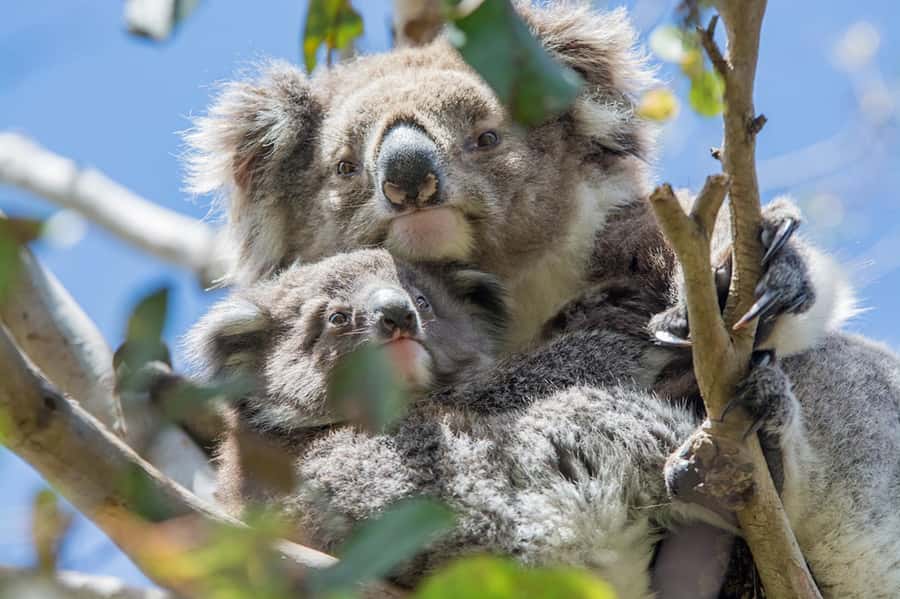
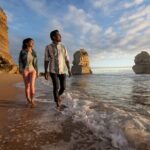
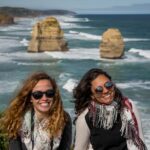
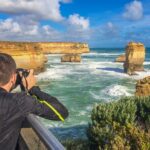
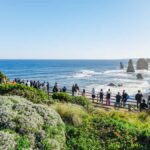
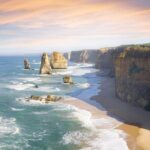
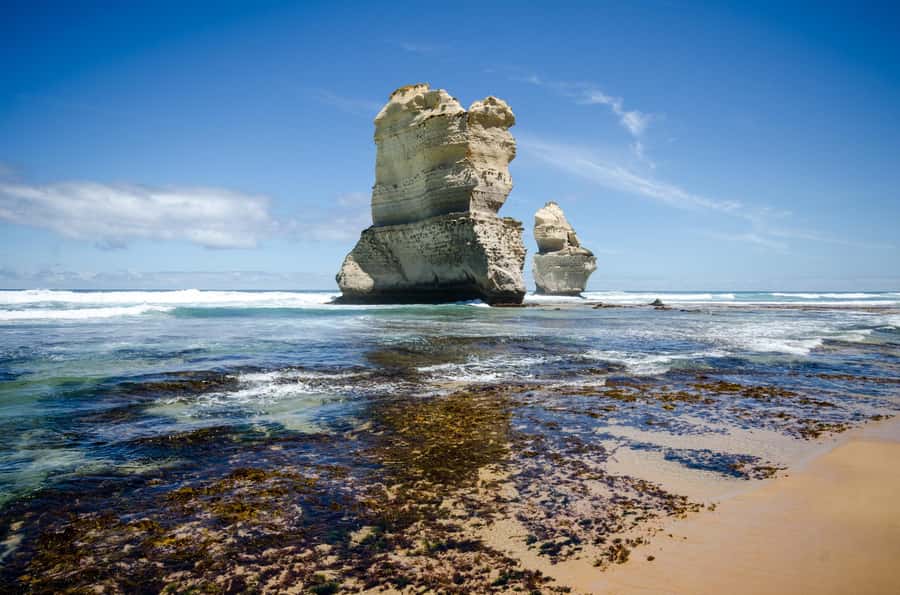
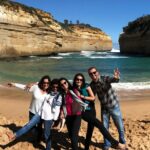
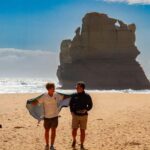
Day 1 is built around the coast’s most famous section, with the Great Ocean Road leading into Shipwreck Coast scenery. You’ll visit the Twelve Apostles, plus other nearby wonders along the route. These limestone stacks are dramatic on clear days, but even when the light isn’t perfect, the scale and ocean conditions still make it memorable.
What I like about the way this day is structured is the mix. You get big photo moments, but you also get breaks for less-obvious nature experiences. That reduces the usual problem with famous routes: spending all your time waiting in lines or moving too quickly from stop to stop.
One practical note: this day includes walking and time outdoors, so sunglasses, a hat, and sunscreen aren’t optional. The tour also provides guidance on bringing a windbreaker, which is smart on the coast where conditions can change fast.
Koalas, Rainforest Steps, and a Guided Reason to Slow Down
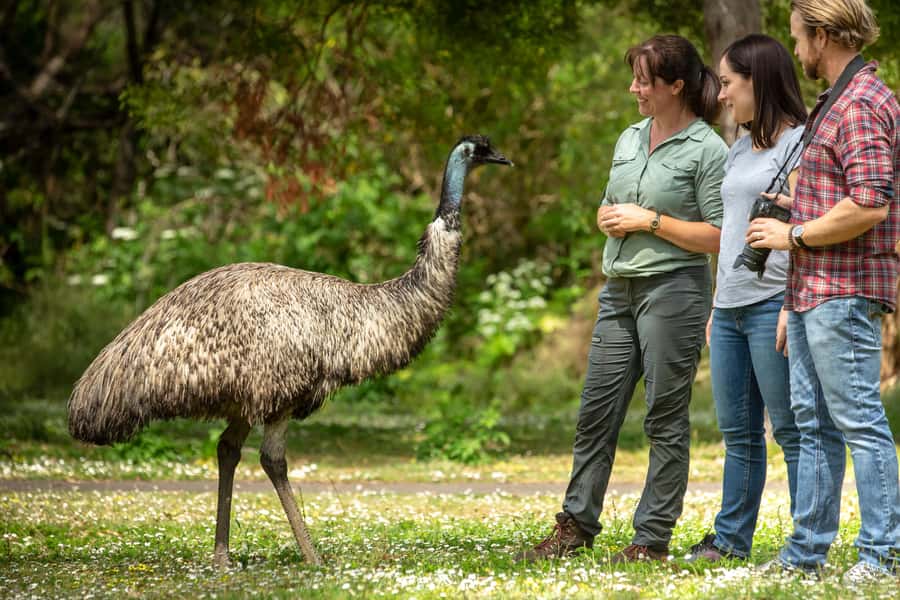
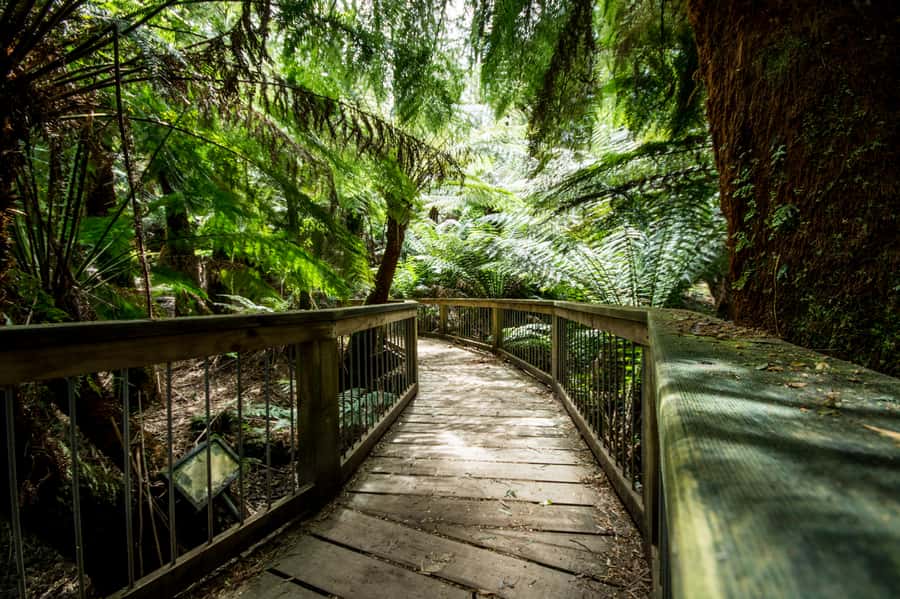
A standout part of this trip is the nature shift from ocean to forest. You’ll be looking for wild koalas on the Great Ocean Road day, and you’ll also do an ancient rainforest walk in Great Otway National Park.
The rainforest component is valuable for two reasons. First, it changes the pace after the ocean viewpoints. Second, rainforest walks teach you how the region’s ecosystems work, not just where the prettiest angles are. Even if you’re not a hardcore hiker, a guided walk can make the whole experience click because someone is pointing out what matters along the trail.
Expect the rainforest walk to be active, not a gentle stroll. Comfortable shoes are a must, and you’ll feel better if you wear clothing that can handle cool air and damp shade.
Dinner after this day keeps it local. Options include The Flying Horse Bar & Brewery in Warrnambool or a similar alternative, which helps you settle into the coastal town before tomorrow’s climb.
Warrnambool Night One: Shared Accommodation That’s Simple and Functional
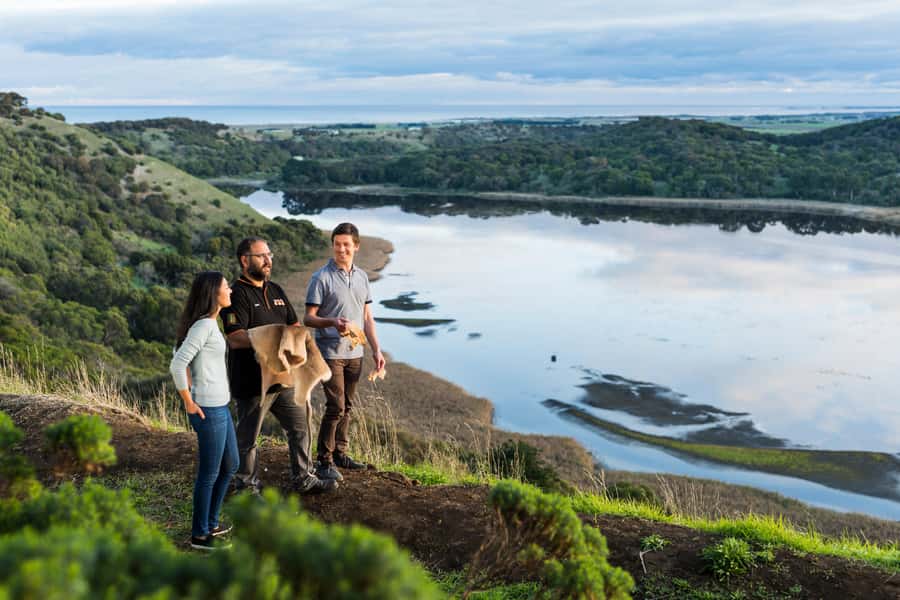
You’ll sleep in Warrnambool for night one, in 2-night shared accommodation with communal facilities. That setup is common for guided group tours, and it works best if you keep expectations realistic. You’re here for the scenery and hikes, not for a resort-style room.
This matters because the tour includes walking days and early starts. The best kind of accommodation for this trip is the kind that lets you recharge: a bed, warm shower, and enough convenience to get ready for the next morning without stress.
Tower Hill Conservation Reserve and the Indigenous Culture Context
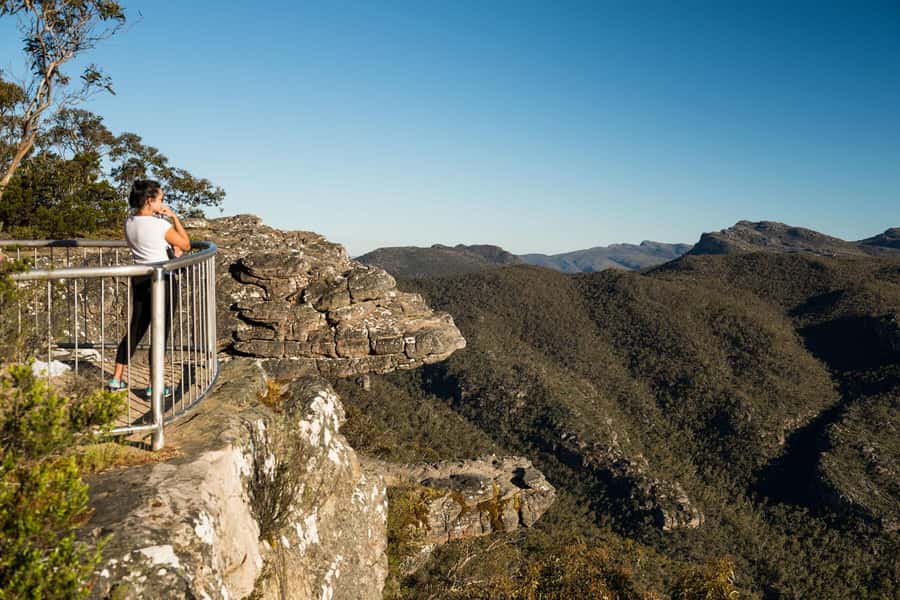
Day 2 starts with Tower Hill Conservation Reserve, an extinct volcano area known for wildlife. The value here is that you’re not only touring; you’re learning and observing. A former volcanic landscape influences the habitat, which affects what animals you might spot and where you might find them.
Then the day adds cultural learning: you’ll learn about Australia’s Indigenous peoples’ culture and traditions as part of the experience. Including this in a “nature and wildlife” tour is important, because it reframes the area from scenery to lived knowledge. You’re getting context while you’re still in the region’s natural setting, rather than treating culture like an add-on.
Wildlife viewing at a place like Tower Hill tends to be more rewarding when you go in looking slowly. Don’t expect every sighting to be instant and guaranteed, but the reserve setup is designed to give you real chances.

The Grampians Hike to Pinnacle: The View Is the Payoff
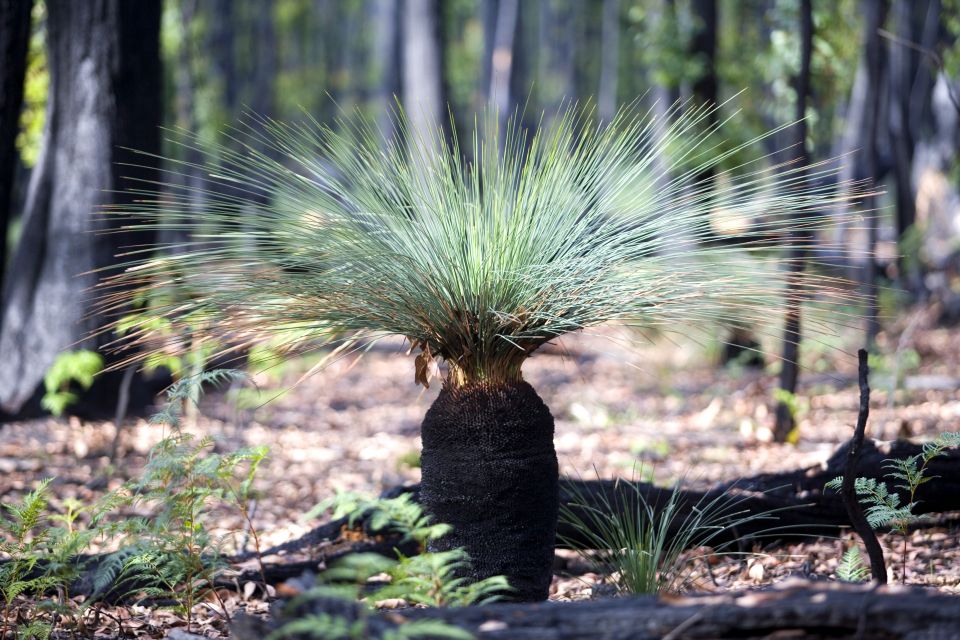
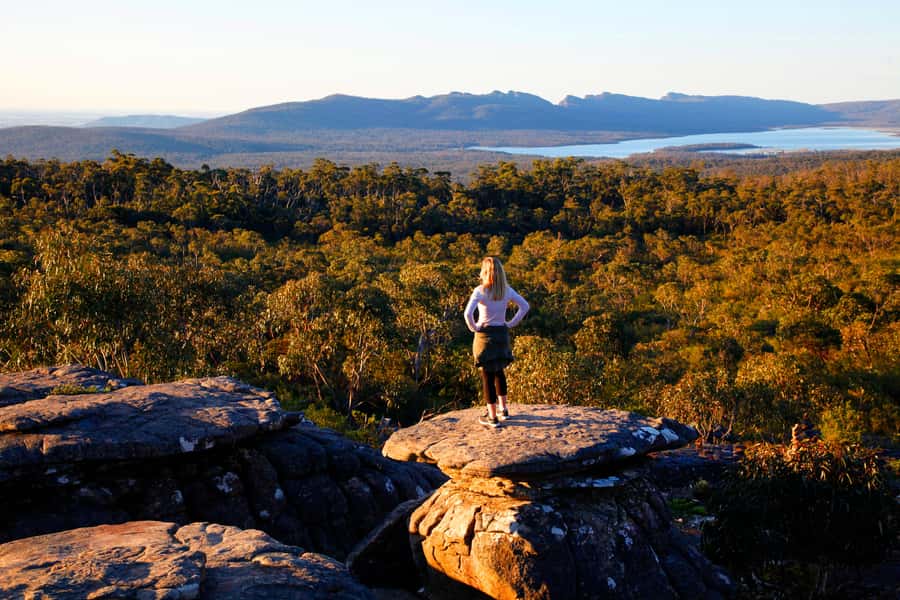
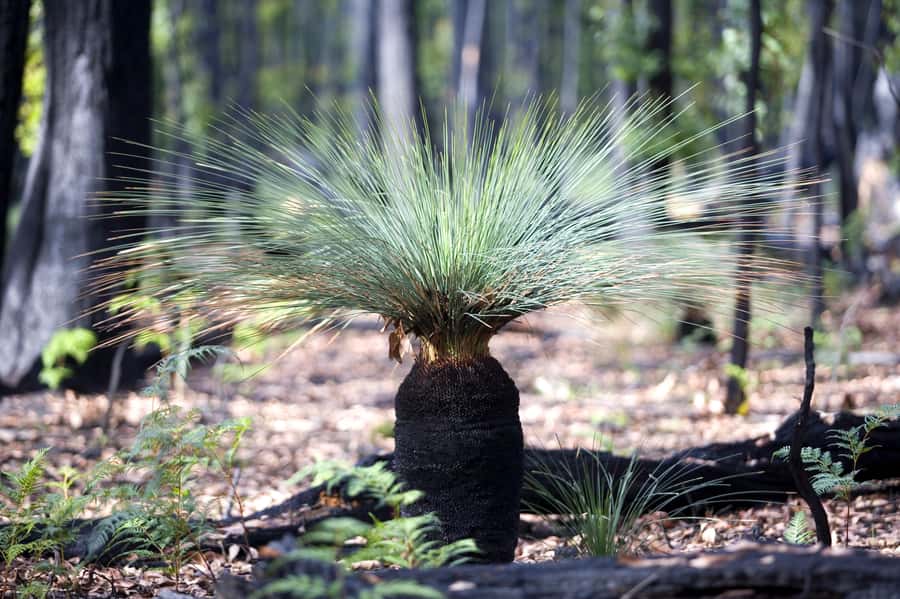
After Tower Hill, you’ll head toward the Grampians National Park area and hike up to Pinnacle lookout for sweeping views. This is one of those hikes where the effort is clear, and the reward shows up fast once you’re climbing.
Expect uneven terrain and sun exposure. Even when the walk length is moderate, the steepness and rocky parts can make it feel more intense than you’d guess. If you’re coming from the coast where the air can feel cooler, the inland sun can surprise you. Bring water and use the shade when it’s available.
Dinner is built in at a traditional Aussie BBQ, followed by an overnight stay in Halls Gap. That night in Halls Gap is a good base because it puts you close to the next day’s waterfall hike and viewpoints.
Mackenzie Falls, Boroka Lookout, and The Balconies on Day Three
Day 3 is all about the classic Grampians payoff. You’ll hike to the base of Mackenzie Falls, then continue to famous lookouts like Boroka Lookout and The Balconies.
This day works if you like water-and-rock scenery. Mackenzie Falls is the physical focus: your time and energy go into reaching the falls area. After that, the lookouts help you reset. You get broader views without having to stack the hardest walking again right away.
When the route ends, you’ll head back to Melbourne, arriving around 5:30 PM. If you’re continuing through to Adelaide, arrival is around 7:30 PM. That difference matters when you plan onward transport or dinner reservations.
Walks, Fitness, and What Moderate-to-Advanced Really Means
This isn’t a “light legs” tour. The guided bush walks are approximately 6.5 km total (with exact distance varying with your fitness level and guide decisions), and walks can include up to about 3 km over steep and rocky terrain in direct sunlight.
Here’s the practical way to think about it:
- If you can comfortably handle a couple of hours of uneven walking, you’re probably fine.
- If you get winded easily on hills or dislike rocky trails, you’ll feel it.
Also, the guide’s discretion is part of safety. That’s good, but it also means you should be prepared for route adjustments depending on conditions and group needs.
Wildlife and Rainforest Timing: Tips for Seeing More
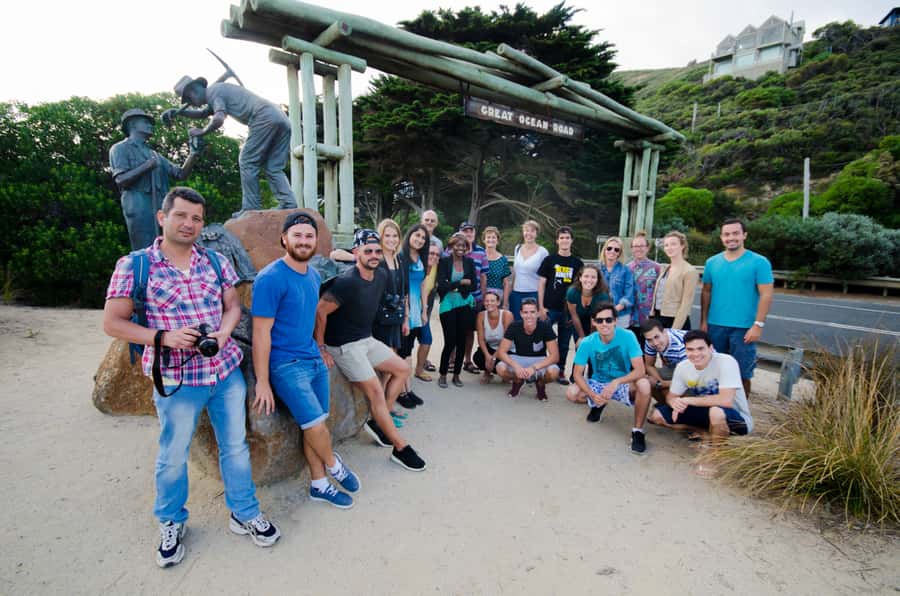
Wildlife sightings are never something you can demand, but you can improve your odds with small habits. On this kind of tour, the biggest drivers are where you’re standing and how long you pause.
Here are two things that help:
- Keep your eyes up as well as down. Some wildlife behavior is easiest to notice from a distance.
- Stay flexible. If the guide mentions a likely spot, it’s usually because someone has seen patterns there before.
The schedule also intentionally mixes environments: ocean areas, rainforest, and an extinct-volcano reserve. That variety increases the odds you’ll see something interesting, not just another coastline photo.
Small-Group Travel: Why It Feels Smoother Than DIY
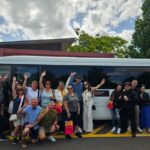
You’re traveling in air-conditioned small group transport (24-seater), which helps on longer road days. You’re not stuck negotiating public transport or renting a car and doing all the planning yourself.
One reason the trip tends to feel easier is how the guide handles timing and local context. In recent departures, guides like Craig have been praised for energy and expertise, and Ben has been noted for personal service and thinking of everything. That kind of tour leadership matters because it turns “stops” into a coherent story.
And yes, the experience can have personality beyond logistics. A few recent groups even noted humor and music from the guide, which is a nice bonus on long drives when you’d otherwise be staring at the road.
Food and the Value of Included Meals
The price is $491 per person, and it’s easier to judge value when you break down what’s included:
- 2 breakfasts and 2 dinners
- National park entry fees
- Guided bush walks
- Accommodation for 2 nights in shared rooms with communal facilities
- Hosted local guide and small-group transport
- Selected inner-city Melbourne pick-up/drop-off points
What that means for you is simple: you don’t have to budget separately for park entries, most guided experiences, or day-to-day dinners. If you’d otherwise rent a car and pay for park access, fuel, and guide support, the cost can start to look more reasonable.
The included dinners also help you avoid the “drive all day, eat whatever” trap. Options like the Flying Horse Bar & Brewery (or similar) and the Aussie BBQ dinner are built into the pace so you’re eating with the day’s plan, not after it.
What to Bring (and What to Leave Behind)
This tour gives you a practical packing list, and it’s worth following closely. The essentials:
- Comfortable shoes for rocky terrain and walks
- Warm layers plus a windbreaker
- Sunglasses, sun hat, sunscreen
- Water bottle
- Insect repellent
- Weather-ready clothing
You’ll also want swimwear and a towel even though the tour isn’t described as a swim-focused trip. I treat that as a sign that you might have an optional water moment or a chance to use facilities where it makes sense.
Also, note what you can’t bring: pets, oversize luggage, large bags, surfboards, alcohol and drugs, and items that restrict mobility access like walking frames. Plan to travel light and pack only what fits comfortably for a few days on the move.
Who This Tour Suits Best (and Who Should Skip It)
This is a strong fit if:
- You want big Great Ocean Road icons plus Grampians hikes
- You enjoy guided explanations and structured nature walks
- You’re comfortable walking on uneven ground and being outdoors for hours
It may not be a good fit if:
- You have low fitness or prefer flat, easy paths
- You need wheelchair access or other mobility supports
- You’re traveling with children under the stated age range (the tour is not suitable for infants or children aged 5 and under)
There are also additional notes for seniors: a doctor’s certificate is required for participants over 70, submitted at least 30 days prior to travel. If you’re in that category, plan ahead so the paperwork doesn’t become the last-minute problem.
Should You Book Oceans to Mountains Explorer?
I’d book it if you want one trip that links coast to mountains with guided walks, wildlife stops, and proper park time, without having to drive yourself or build the route. The price makes more sense when you factor in park fees, dinners, and that two-night base-and-go accommodation setup.
I would skip it if you’re hoping for an easy sightseeing cruise. This is active. The payback is the views from Pinnacle, the hike to Mackenzie Falls, and the way rainforest and volcanic wildlife stops round out the Great Ocean Road story.
If your fitness is moderate-to-advanced and you like nature with a guide’s context, this is a solid, well-paced way to see Victoria’s best variety in just three days.
FAQ
What time and where do I meet for the tour?
Meet at the Immigration Museum, 400 Flinders St (corner of Market St) at 7:35 AM.
How long is the tour and how is the end time handled?
The tour runs for 3 days. You return to Melbourne around 5:30 PM, or continue through to Adelaide arriving around 7:30 PM.
Where do we stay overnight?
You get 2 nights of shared accommodation with communal facilities in Warrnambool and Halls Gap.
What meals are included?
The tour includes 2 breakfasts and 2 dinners. Other meals and snacks are not included.
Are national park entry fees included?
Yes. All National Park pass entry fees are included.
How hard are the walks?
Guided bush walks are included (around 6.5 km, depending on fitness level), with hikes that can reach about 3 km over steep and rocky terrain in direct sunlight.
What should I bring for weather and walking?
Bring comfortable shoes, warm clothing, a windbreaker, sunscreen, a sun hat, a reusable water bottle, and weather-appropriate layers. The list also includes items like insect repellent and a towel.
Is the tour accessible for people with mobility issues?
The tour is not suitable for people with mobility impairments, and it’s not designed for wheelchair users.
What cancellation flexibility is offered?
There is free cancellation up to 14 days in advance for a full refund.