REVIEW · PHILLIP ISLAND
Phillip Island Whale Watching Tour
Book on Viator →Operated by Wildlife Coast Cruises · Bookable on Viator
Whales show up or they don’t, but the hunt is part of it. This Phillip Island whale watching cruise pairs a modern boat with guided scanning for whales, dolphins, and rare seabirds around the coast.
I like that you get live captain commentary while you’re actually out on the water, not stuck with a lecture before you even leave the dock. I also like that the cruise keeps its group size sensible (up to 70 people), so you’re not fighting for sightlines.
One thing to keep in mind: whale sightings are not guaranteed, with an expected 70–90% success rate between June and August.
In This Review
- Key Points Worth Knowing
- A 4-Hour Phillip Island Whale Watching Trip That Feels Like a Real Hunt
- The Boat Setup and Why the Crew’s Scanning Style Matters
- Seal Rock: The Stop Where Fur Seals Steal the Show
- Cape Woolamai: Coastal Views Plus the Birdlife Bonus
- How the Whale Spotting Actually Works on the Migration Route
- Dolphins Are Often the Entertainment While You Wait for Whales
- Food and Comfort: Morning Tea Keeps the Early Start Manageable
- Price and Value: Is $125.52 a Good Use of Your Time?
- What to Expect From the Day’s Route (Stop by Stop)
- Who This Phillip Island Whale Watching Tour Suits Best
- Should You Book This Phillip Island Whale Watching Cruise?
- FAQ
- How long is the Phillip Island whale watching tour?
- What time does the tour start and where does it meet?
- Is morning tea included?
- What wildlife are you hoping to see?
- Are whale sightings guaranteed?
- How many people are on the tour?
- Is hotel pickup and drop-off included?
- What happens if the weather is poor?
Key Points Worth Knowing
- Seal Rocks is the main win: expect to see thousands of fur seals in their natural setting.
- You cruise the migration corridor: the route is designed for humpback and southern right whales along Victoria’s coast.
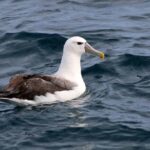
- Birdlife can be a real highlight: keep an eye out for seabirds including wandering albatross.
- The crew actively searches: the best results seem to come from constant scanning and repositioning.
- Morning tea is included: coffee/tea plus a muffin and pastry, so you start the day fueled.
- A mobile ticket is part of the easy setup: confirmation comes after booking, then you check in with your ticket on your phone.
A 4-Hour Phillip Island Whale Watching Trip That Feels Like a Real Hunt
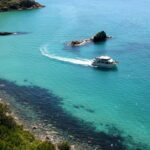
Phillip Island is one of those places where nature sets the schedule. On this 4-hour cruise around the island, you’re not just sitting and hoping. You’re moving through the areas where whales and other wildlife tend to show up, with a guide on board to help you understand what you’re seeing (and why you should keep your eyes on the water).
The timing is practical: the tour starts at 8:30 am and wraps back where you began at 16 Beach Rd, Rhyll VIC 3923. That morning start matters. It gives you daylight for spotting wildlife and it gets you back early enough to still have the rest of the day for beaches, cafés, or more scenic driving around the island.
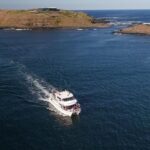
For wildlife watching, comfort and visibility are everything, and the tour’s setup is built around that idea. You’re on a modern vessel with enough room that you can actually see what the crew is pointing out, and the group size is capped at 70 people. That cap shows in how people describe the experience: it doesn’t feel jammed.
You can also read our reviews of more whale watching tours in Phillip Island
The Boat Setup and Why the Crew’s Scanning Style Matters
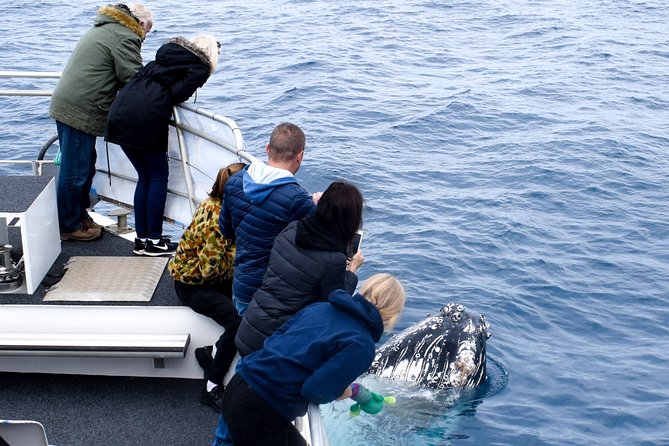
This isn’t a silent cruise with a few spotlights on the way out. You’re listening to a captain’s live commentary as the boat searches for wildlife. That narration helps you read the sea instead of just watching random splashes that could be anything.
What I especially like about the way this tour is run is the focus on effort. In the feedback themes, the crew keeps looking continuously to improve your odds. That matters because wildlife watching is often a game of location and timing, not just luck.
Also, the vibe on board seems geared to relaxed participation. You’re there to watch, but you’re not treated like you’re in a classroom. The crew is friendly, and that makes a difference when you’re standing near the rail trying to spot something small but important, like seabirds moving over the water.
One more practical point: you should plan for this to be a “weather-dependent” day. The tour requires good conditions, and if weather is too poor, the operator will switch dates or refund you. That’s not a guarantee of whales, but it does protect you from being stuck on a miserable, low-visibility outing.
Seal Rock: The Stop Where Fur Seals Steal the Show
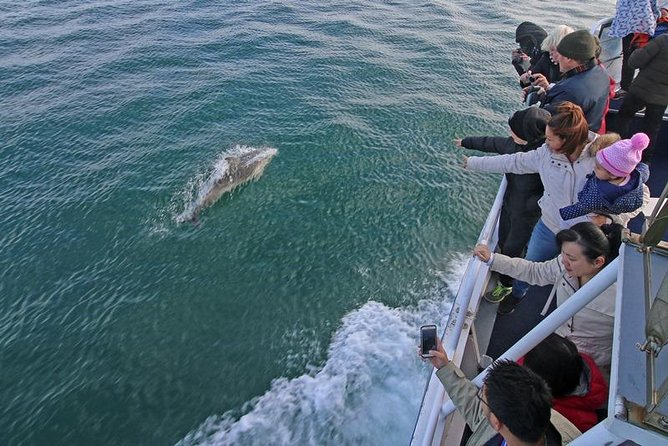
Stop one is Seal Rock. This is the kind of location where you don’t need a whale-sized miracle to have an amazing time.
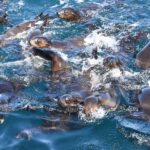
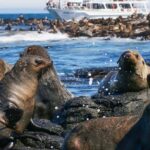
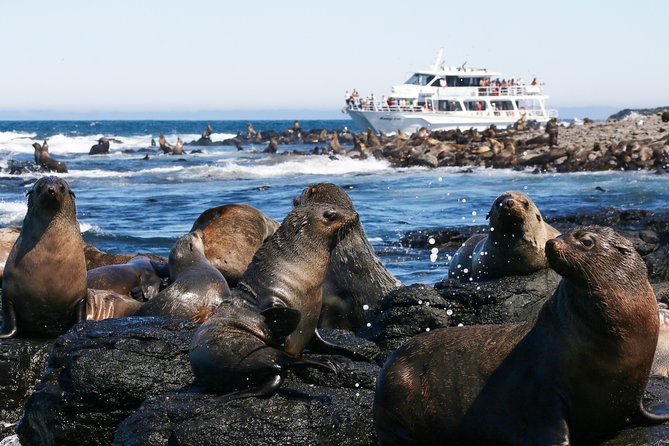
The cruise is designed around the wildlife around Phillip Island’s seal colonies, and Seal Rocks is where the spectacle happens. The tour description points to thousands of fur seals, and that is exactly the kind of sight that changes your whole day. Even if whales are shy that morning, seals are active, visible, and often close enough to make the viewing feel personal.
Here’s what you should do at Seal Rock: watch patterns, not just individuals. Seals shift around the rocks and waterline, and if you stay alert for movement, you tend to catch more than one moment. It’s also a great time to scan for birds because seal habitat areas often attract seabirds that feed in the same general zones.
The biggest drawback at this stop is not the seals—it’s your attention span. The time passes quickly because there’s always something happening. I’d just set expectations that you’ll want to linger your eyes on the water and rock edges, even after you think you’ve already seen enough.
Cape Woolamai: Coastal Views Plus the Birdlife Bonus
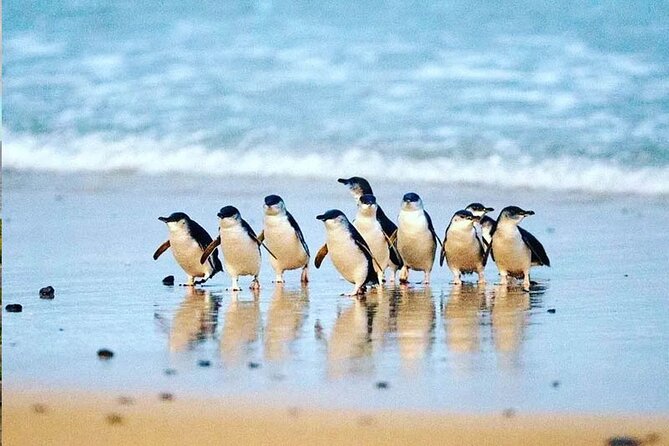
Next up is Cape Woolamai. This stop adds scenery and expands the wildlife search beyond just whales and seals. The tour specifically calls out rare birdlife you might spot, including wandering albatross.
Bird watching changes how you experience a whale cruise. When you’re watching for birds, you’re also training your eyes for wind and movement on the water. That same skill helps you later if a pod of dolphins or a whale surfaces nearby.
Cape Woolamai also gives you a sense of place. Phillip Island’s coastline is dramatic, and being out there helps you understand why whales choose these routes. Food chains follow currents and geography, and your best wildlife viewing tends to happen where the ecosystem is doing what it’s evolved to do.
The consideration here is simple: birdlife can be sporadic. If you’re the type who wants nonstop action, you may find a lull between sightings. The cruise style helps, though, because the boat keeps searching and repositioning rather than turning a wildlife day into a long waiting game.
How the Whale Spotting Actually Works on the Migration Route
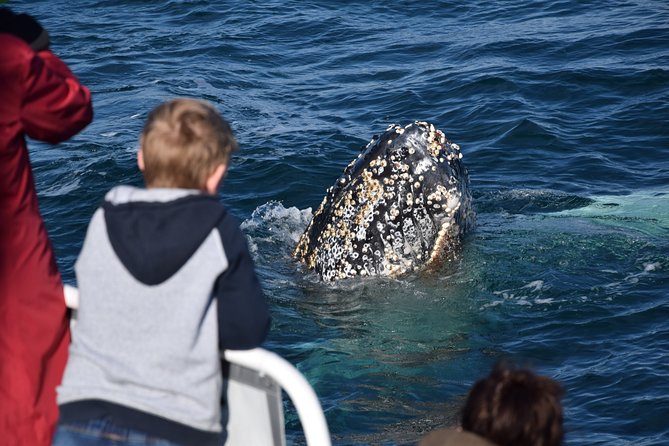
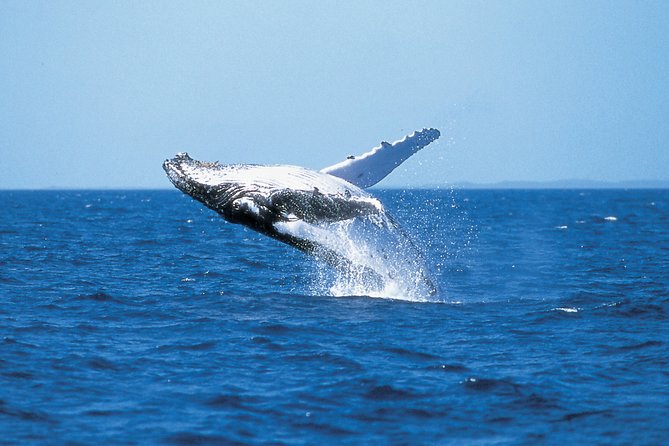
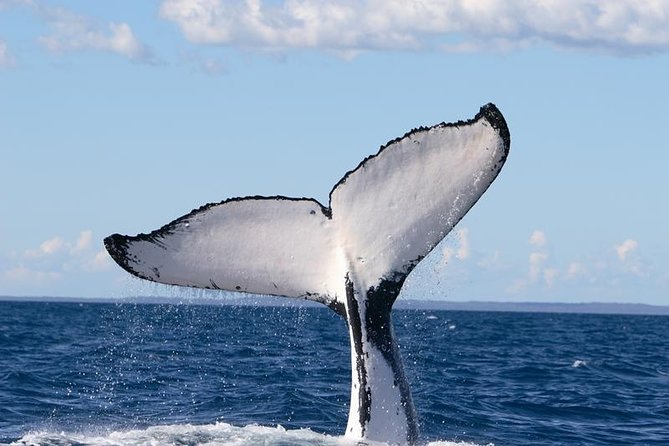
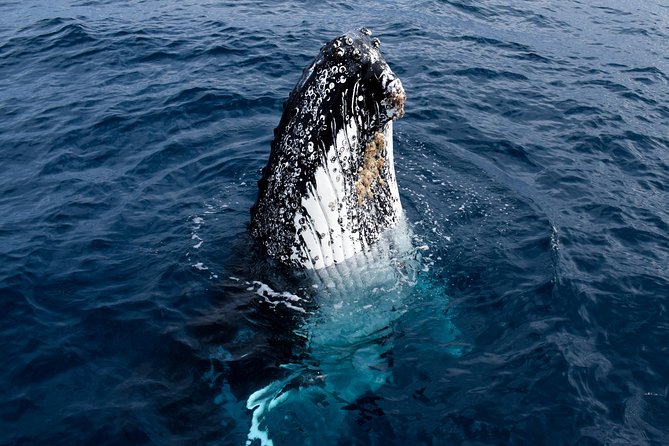
The whole point is to search around Phillip Island for humpback whales and southern right whales during their annual migration. The tour description says you’re cruising around Phillip Island as part of the route where these whales regularly appear, and you’ll often find dolphins and seals joined in the same zones.
You should read the whale part of this experience as: possible, and often likely, but not controlled by you. That’s why the tour includes a realistic whale-success statement: 70–90% sightings success between June and August. In plain terms, you’re statistically in good shape during that window, but it still isn’t a promise.
In the feedback themes, when people have the best whale encounters, it’s usually because the crew keeps working the search. You’re not given a one-and-done try. You’re out long enough and moving enough that your odds improve if whales are nearby.
If you’re trying to set expectations, here’s my practical take:
- If whales show up, the day feels like it clicked into place.
- If whales don’t show, you can still have a strong outing through seals, dolphins, and birds.
- If you’re visiting outside the June to August peak window, sightings may still happen, but your odds could be different. The tour itself frames the 70–90% expectation specifically for that season.
Also, one small tip that fits what people said: bring warm clothes. Even in fair weather, the deck can feel chilly, and comfort helps you stay engaged for the full morning.



Dolphins Are Often the Entertainment While You Wait for Whales
Dolphins don’t steal the day by replacing whales. They steal the day by filling the time in a way that makes the whole cruise feel alive.
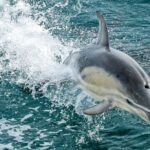
The tour description notes playful dolphins pods, and the feedback consistently supports that dolphins show up as a memorable part of the experience—often diving alongside the boat or moving in ways that are easy to follow once you know what to look for.
I’d treat dolphins as a sign, not a consolation prize. When dolphins are active in the area, it often means there’s food and water movement worth scanning. That can coincide with whale activity or simply make the whole environment more interesting.
You don’t need special gear for dolphin watching, just attention and patience. When you see dolphins behaving energetically, keep watching what direction they go. Wildlife is rarely random.
Food and Comfort: Morning Tea Keeps the Early Start Manageable
The cruise includes morning tea: coffee, tea, a muffin, and a pastry. That’s a helpful detail because a 8:30 am start can otherwise leave you hungry before you even reach the best viewing moment.
One thing to confirm when you book: the listed inclusions are morning tea, and while some food details can vary by season and operations, you should only rely on what’s stated for your date. If you’re expecting lunch or extra snacks, check the inclusions for your specific departure so you’re not surprised.
On board, the main comfort factors are simple:
- Dress for cool deck air.
- Wear layers you can adjust.
- Bring something warm you don’t mind wearing while you stand outside.
It’s not a long journey, but you’ll want to be comfortable because you’ll spend time looking up and out, not just sitting.
Price and Value: Is $125.52 a Good Use of Your Time?
At $125.52 per person, this isn’t a “cheap and cheerful” activity. It’s a dedicated wildlife cruise, and you should judge value based on what’s included and what your odds are.
Here’s the value case that holds up:
- You’re paying for a guided boat search around key wildlife areas.
- You get live commentary from the captain.
- You see Seal Rocks as a built-in wildlife anchor, not a vague maybe.
- You get morning tea included.
The whale component adds both risk and potential reward. Whale sightings are not guaranteed, and the tour clearly sets expectations with a 70–90% success rate between June and August. That’s actually good for planning: it tells you the experience is designed for wildlife, but it doesn’t oversell perfection.
If you’re someone who gets cold easily, stays out of your comfort zone, and wants wildlife with minimal waiting, this cruise makes sense because the schedule is packed with viewing stops and the crew searches actively.
If your budget is tight, consider whether you’d rather spend on a wildlife experience that’s more location-certain. Seal Rock alone can be worth it for many people, but the “big reason” people book is humpback and southern right whales. If that’s your main goal, go in with realistic expectations and pick the season thoughtfully.
What to Expect From the Day’s Route (Stop by Stop)
Here’s how the day shapes up once you’re on board, in a way that helps you mentally pace it.
Start at 16 Beach Rd, Rhyll, depart at 8:30 am, and set aside about 4 hours on the water and stops. You return back to the meeting point when you’re done.
Stop 1: Seal Rock
This is where the seals are the main event. If you’re worried about whale sightings, this stop is your strong baseline.
Stop 2: Cape Woolamai
Expect coastal scenery and a chance at rare seabirds such as wandering albatross, plus more scanning for whales and dolphins as conditions allow.
Between and around stops
This is where the boat is set up to locate whales on their migration route, often with pods of dolphins and seals in the mix. This is also where captain commentary helps you understand what you’re looking at.
The core idea: you’re not stuck in a single “look and wait” zone the whole time. The structure supports active searching.
Who This Phillip Island Whale Watching Tour Suits Best
This tour is well matched for:
- People who enjoy wildlife watching with a guide and want help spotting what matters.
- Anyone visiting Phillip Island who wants a morning activity that’s meaningful and not overly complicated.
- Families and most general fitness levels, since the tour states that most people can participate.
It’s also a good fit if you like variety. Seal Rock, coastal scenery, seabirds, dolphins, and whale hunting all fall into one outing.
It may be less ideal if:
- You’re traveling during low season and need a guaranteed whale sighting.
- You hate the idea of a wildlife day being weather dependent. The tour requires good conditions, and poor weather can change the plan.
Should You Book This Phillip Island Whale Watching Cruise?
If your main dream is whales, I’d book it when you can align with the June to August season, because that’s where the expected 70–90% sightings success is stated. The structure also gives you meaningful wildlife even when whales are less cooperative, thanks to Seal Rock’s seal colony.
If you want a straightforward morning with built-in viewing stops, friendly crew energy, and captain-led spotting, this one fits. At $125.52, it’s not an impulse buy for everyone—but for many people, the mix of seals, dolphins, birds, and possible whale sightings makes the value feel fair.
Just go into it with the right mindset: this is a search in the real world, not a theme-park guarantee. If you dress for the deck, stay alert, and enjoy the journey, you’re setting yourself up for a memorable morning on Phillip Island’s water.
FAQ
How long is the Phillip Island whale watching tour?
The tour runs for about 4 hours.
What time does the tour start and where does it meet?
It starts at 8:30 am and meets at 16 Beach Rd, Rhyll VIC 3923, Australia.
Is morning tea included?
Yes. Morning tea includes coffee, tea, a muffin, and a pastry.
What wildlife are you hoping to see?
The cruise focuses on humpback whales and southern right whales, with chances to see dolphins, seals (especially at Seal Rock), and birdlife including wandering albatross.
Are whale sightings guaranteed?
No. Whale sightings are not guaranteed, with an expected 70–90% sightings success between June and August.
How many people are on the tour?
The tour has a maximum of 70 travelers.
Is hotel pickup and drop-off included?
No. Hotel pickup and drop-off are not included.
What happens if the weather is poor?
The experience requires good weather. If it’s canceled due to poor weather, you’ll be offered a different date or a full refund.