REVIEW · MELBOURNE
Electric Bike Tour of Melbourne
Book on Viator →Operated by Blue Tongue Bikes · Bookable on Viator
Melbourne looks best at human speed. This 4-hour e-bike tour helps you cover big sights without turning the trip into a sweaty endurance test. You get orientation fast, plus story-driven stops that connect the city’s founding, Aboriginal history, war sites, sport, and the feel of different neighborhoods.
Two things I really like about this tour are the mostly off-road route (about 95% on safer bike paths and parks) and the way the guides keep the group together while explaining context at each stop. Guides named Al, Alan, Marcus, Avalon, and Freddy all get praised for clear instructions, safety, and making the history land in a way that feels useful, not like a lecture.
One possible drawback to weigh: if you prefer more time rolling and less time listening, the start can feel history-heavy. A couple of riders noted that early stops had long explanations, so actual ride time felt shorter than expected in the full 4-hour window.
In This Review
- Key things to know before you ride
- Electric Bike Melbourne: what four hours feels like in practice
- Getting ready at Rebecca Walk: e-bike comfort and group control
- Respect and big monuments: Southbank and the Shrine of Remembrance
- MCG and Fitzroy Gardens: sport culture plus rebuilt heritage
- Parliament House and the Royal Exhibition Building: gold rush wealth and world fairs
- Fitzroy lunch at North Fitzroy Vintage, then Chinatown and Hosier Lane
- Fed Square and the Immigration Museum: the city’s center of gravity
- Lunch budgeting and how to make the most of the Fitzroy break
- Who this tour fits best (and who might want a different style)
- The value call: should you book Blue Tongue Bikes for your Melbourne intro?
- FAQ
- FAQ
- How long is the Electric Bike Tour of Melbourne?
- What’s included with the tour price?
- Is lunch included?
- What’s the meeting point and start time?
- How big is the group?
- Can I cancel for a full refund?
Key things to know before you ride
- Mostly off-road cycling: about 95% on safer bike paths and parks, which is a big deal for comfort.
- E-bike boost for real-world range: you can keep a steady pace even if you’re not an experienced cyclist.
- Frequent short story stops: each landmark pause is brief, but packed with context.
- Small group size: the tour caps at 10 travelers, so you’re not lost in a crowd.
- Fitzroy lunch stop built in: you’ll get a café break in North Fitzroy and pay for food yourself.
- Big intro to Melbourne in one loop: you’ll hit the CBD highlights plus nearby areas without doing a transit puzzle.
Electric Bike Melbourne: what four hours feels like in practice
This is a city sightseeing loop designed for comfort and flow. The e-bike takes the edge off hills and headwinds, so you can focus on streetscapes and landmarks rather than constantly working to keep up. The pace is generally described as relaxing and manageable even for people over 60 and for first-time e-bike riders.
What you’re paying for isn’t just transport. For about 4 hours, you’re getting a guided tour that tries to answer the question: why does Melbourne look the way it does, and what stories sit behind the postcard views? The tour’s themes include Melbourne’s founding, Aboriginal history, the Eureka Stockade, war history, and sport—then it translates those themes into stops you can point to on a map afterward.
At $85.35 per person, it’s not the cheapest way to see the CBD. But the value adds up fast: the tour includes your e-bike, helmet, and a guide, and it avoids the “which tram should I take” stress. You’ll still pay for lunch, but the rest of the ride is covered.
You can also read our reviews of more cycling tours in Melbourne
Getting ready at Rebecca Walk: e-bike comfort and group control
You’ll meet at 20 Rebecca Walk, Melbourne VIC 3000 and the tour starts at 10:00 am. One practical tip: the address is easy to misread when you’re arriving, so double-check the street number before you hand over your phone ticket. The tour ends back at the same meeting point.
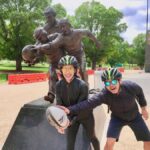
Gear is handled for you. You’re given an e-bike and a helmet. Before rolling, you can expect an easy instructional phase and safety guidance—the sort of step-by-step directions that helped first-timers feel confident quickly. Guides also stay attentive to the group, and multiple reviews call out how leaders kept riders together and guided the flow around pedestrians and traffic.
Because the group is capped at 10 travelers, you’re less likely to feel like you’re being carried along by a giant bus-size pack. That smaller size also helps if you need the guide to slow down, explain something twice, or regroup before a tricky turn.
Respect and big monuments: Southbank and the Shrine of Remembrance
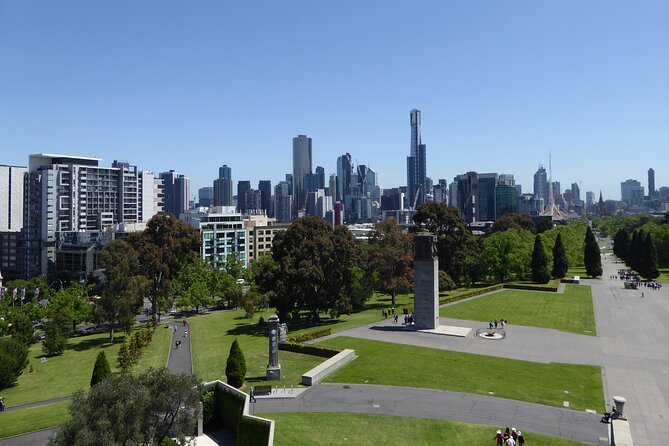
The tour begins at Southbank, cycling while the guide acknowledges the Kulin Nation, whose land was never ceded. This matters because Melbourne’s stories are layered, and the tour sets a respectful tone right away rather than treating history as a side note.
Next comes the Shrine of Remembrance, one of Victoria’s largest and most visited war memorials of national significance. This stop includes an introduction to William Barrack, described as an Aboriginal leader, activist, cultural ambassador, educator, and advocate for Aboriginal rights. If war history usually feels like dates on a page, the guide approach here tends to connect it to people and lived meaning.
A good thing to know: the stops are short—around 5 minutes each—so you’ll get an overview, then you’re moving again. That’s great for covering ground, but it does mean you won’t linger long enough to turn the monument visit into a full self-guided museum hour. If you want extra time inside major sites, keep that for later on your own.
MCG and Fitzroy Gardens: sport culture plus rebuilt heritage
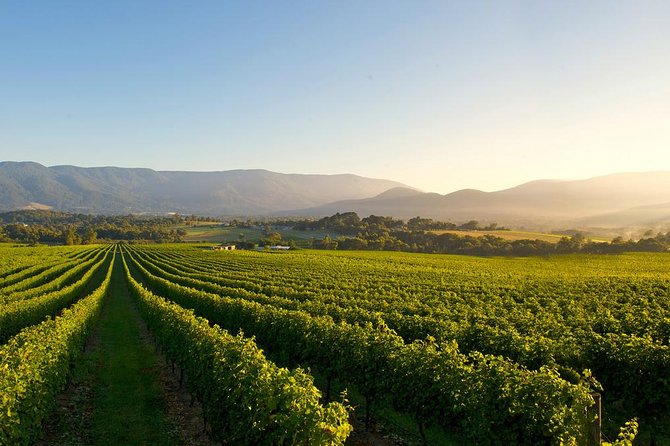
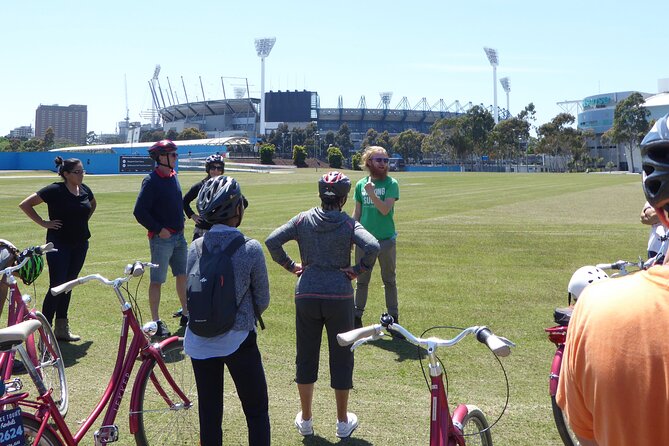
From the Shrine, the next quick hit is the Melbourne Cricket Ground (MCG). Even for non-sports fans, this is one of those Melbourne anchors you’ll recognize instantly once you’re there. The guide uses it to explain why the city calls itself the sporting capital and how stadium culture shapes local identity.
Then you roll into Fitzroy Gardens, where you’ll see Cook’s cottage—shipped out from England and rebuilt brick by brick in the middle of the gardens. It’s a striking contrast: an imported structure placed inside a city park, and a reminder that Melbourne’s story includes both settlement and the ways heritage gets moved and reassembled.
This is a good pair of stops because they’re different in mood. The MCG is scale and energy; Fitzroy Gardens is quiet and reflective. The ride time between them helps you reset your brain, which makes the rest of the tour feel less like rapid-fire sightseeing.
Parliament House and the Royal Exhibition Building: gold rush wealth and world fairs
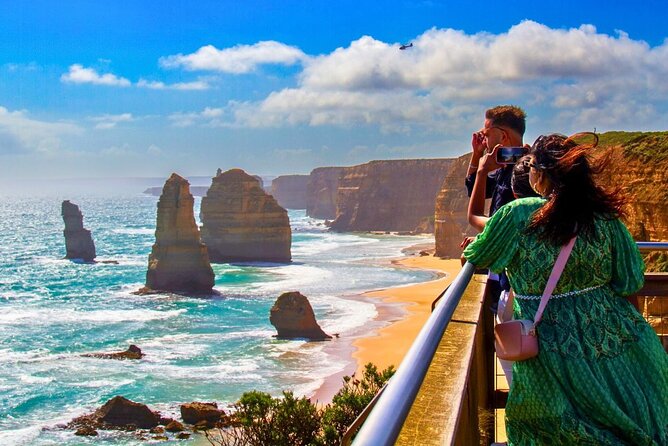
Next up is Parliament House of Victoria, built to show the wealth of Melbourne at a time when the city was among the richest in the world thanks to the gold rush. It’s not just a pretty façade. It’s a real “look at what money did” moment—how prosperity built institutions that still shape the city today.
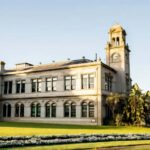
After that, you visit the Royal Exhibition Building, a 19th-century landmark tied to international exhibitions. The tour frames it as a place where people met to exchange goods, technology, ideas, and culture. If you like history that explains trade and connections, this stop can click quickly: the building becomes a physical shortcut to understanding how ideas traveled.
Because the tour is time-limited, you’ll get a focused orientation rather than a deep architectural walkthrough. But you’ll leave with enough context to appreciate what you see if you return later.

Fitzroy lunch at North Fitzroy Vintage, then Chinatown and Hosier Lane
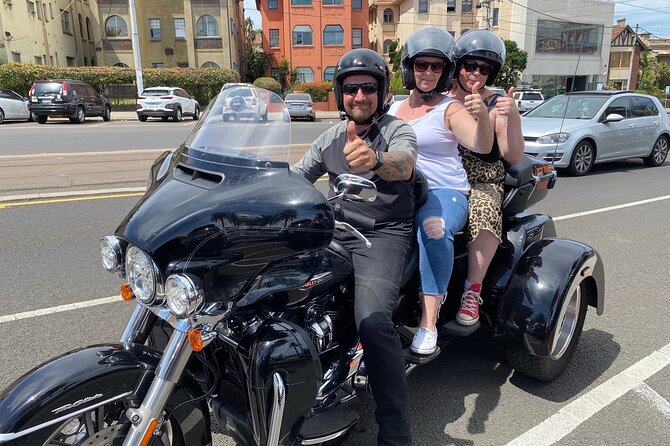
One of the most “Melbourne-feeling” parts of the route is the stop in North Fitzroy. The tour includes time to grab lunch at North Fitzroy Vintage, and you’re advised to bring extra money. This is also where the tour stops being only landmark sightseeing and starts reflecting everyday neighborhood life—shops, streets, and that creative fringe energy Melbourne is known for.
After lunch, you head to Chinatown, noted as the second oldest in the world, established in 1851 in response to the gold rush. This stop gives you a historical reason for why the area looks the way it does and why it persists as a hub in the CBD.
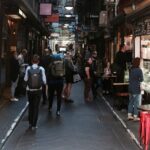
Then comes Hosier Lane, a famous bluestone lane filled with art. It’s one of those places where the guide’s job isn’t to “teach you” the art so much as to help you notice the textures—where the city’s edge shows up on the street.
The short pauses work well here because the lanes and storefronts can be explored in small bursts. If you’re the type who likes to take a lot of photos, you may want to choose your walking speed carefully so you don’t miss the group call-back.
Fed Square and the Immigration Museum: the city’s center of gravity
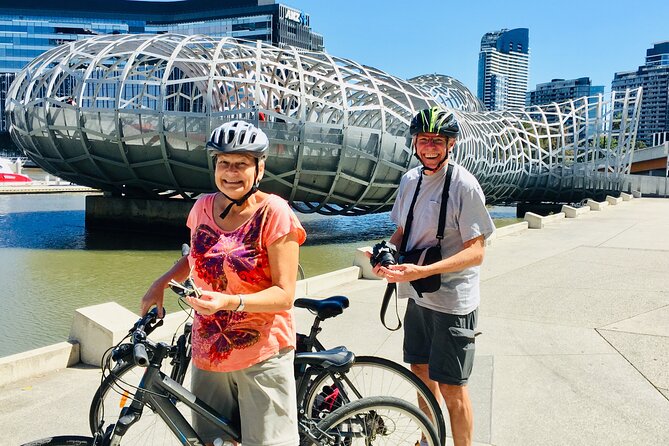
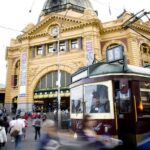
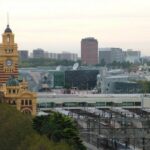
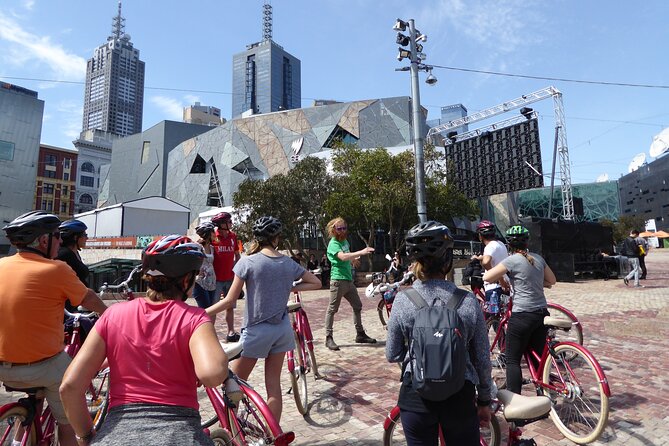
Next is Fed Square, Melbourne’s first public square, where you can feel the buzz and understand why the CBD feels the way it does. The guide positions it as a connection between Flinders Street and the Yarra River, surrounded by heritage buildings including St Paul’s Cathedral.
Finally, you overlook Immigration Museum during the last stretch. The tour frames immigration as a key thread in Melbourne’s story—immigrants make up 50% of the population, and this stop is your chance to connect the earlier history themes to modern Melbourne life.
One travel-smart note: if you’re sensitive to sound or you want a calmer ride, plan for this last area to be the most “active” in terms of foot traffic around the CBD. The tour is designed to be safe on bike paths, but these central stops naturally have more people.
Lunch budgeting and how to make the most of the Fitzroy break
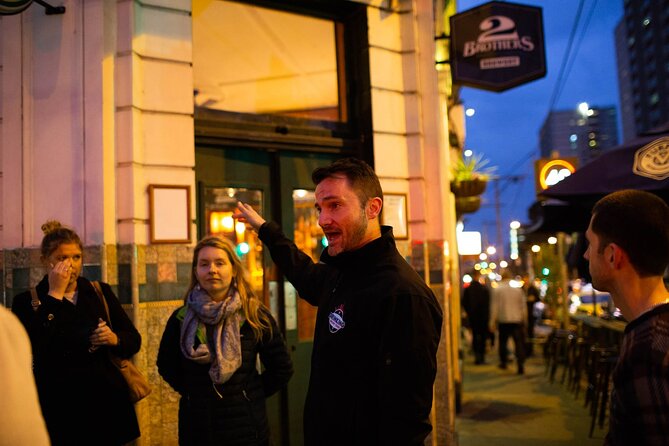
The lunch stop in North Fitzroy is one of those “worth planning around” moments. You’re told to bring extra cash for lunch, and that’s exactly how you should treat it: plan to spend your own money here rather than assuming it’s included.
To keep things easy, I recommend arriving hungry and limiting your to-do list after lunch. Once you break for food, you’ll want enough energy to stay engaged through the final CBD stops. If you prefer quicker meals, pick something you can eat and pay for fast so you don’t feel rushed during the reassembly time.
The upside: lunch is not just calories—it’s part of the neighborhood story. Fitzroy is a place where the city’s layers show up in shops and street life, and the tour uses the café break to help you see that transition from monument Melbourne to lived-in Melbourne.
Who this tour fits best (and who might want a different style)
This tour shines if you want a fast, guided orientation to Melbourne and you enjoy historical context while still getting lots of outdoor time. It’s also ideal if you’re either new to biking or just don’t want to deal with steep climbs and long distances on a regular bike. Reviews consistently highlight how easy the e-bikes are to operate and how the guides adapt instructions for different comfort levels.
You’ll also enjoy it if you like “short stop, then go” sightseeing. Each landmark gets a brief, focused explanation, usually around 5 minutes, and that keeps the tour moving at a sightseeing pace instead of turning into a half-day museum program.
Who might reconsider? If you’re mainly there for maximum riding time and minimal talking, the tour can feel history-heavy at the beginning for some. One rider even suggested that a comparable Sydney ride allowed more rolling time. If you’re sensitive to that, go in with the right expectation: this is an info-forward tour, not just a scenic cruise on wheels.
The value call: should you book Blue Tongue Bikes for your Melbourne intro?
I’d book this if you want your first Melbourne day to be efficient and meaningful—especially if you care about getting the why behind the landmarks. The combination of e-bike assistance, a safe route, and a guide-led storyline makes it a strong “get your bearings fast” experience, even if you’re visiting for a short stay.
It also makes sense as a low-stress option. You’re not paying extra for hotel pickup and you’re not stuck on trains or trams for every change of neighborhood. You’re given what matters—bike and helmet—and the route does the rest.
Two final practical points before you decide:
- Check the meeting address carefully at Rebecca Walk so you don’t waste time hunting.
- If you’re planning lunch, bring money and keep expectations flexible: the tour handles the timing, but the café bill is yours.
If you’re still unsure, you can hedge a bit. The experience offers free cancellation up to 24 hours before the start for a full refund, which is handy if your schedule is in flux.
FAQ
FAQ
How long is the Electric Bike Tour of Melbourne?
It runs for about 4 hours.
What’s included with the tour price?
Your tour includes the bike tour with a guide, use of an e-bike, and use of a helmet.
Is lunch included?
Lunch isn’t included. There is a café stop in North Fitzroy, and you’re asked to bring extra cash for food.
What’s the meeting point and start time?
You’ll meet at 20 Rebecca Walk, Melbourne VIC 3000 and the tour starts at 10:00 am.
How big is the group?
The tour has a maximum of 10 travelers.
Can I cancel for a full refund?
Yes. You can cancel up to 24 hours in advance for a full refund. If you cancel less than 24 hours before the start time, the amount paid isn’t refunded.