REVIEW · MELBOURNE
The Best of Melbourne Bike Tour
Book on Viator →Operated by Blue Tongue Bikes · Bookable on Viator
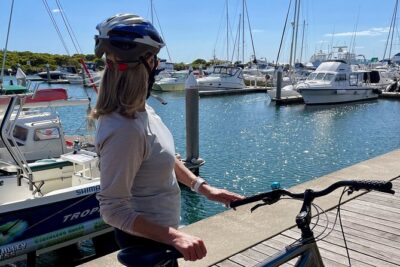
Two wheels, one morning, and a stack of stories. This guided Melbourne bike tour is a smart way to cover a lot of ground without fighting traffic on foot, while an expert local guide adds real context on Aboriginal history and how Melbourne took shape. I especially like that the tour includes a bicycle and helmet, so you show up ready to roll, and the mid-morning start leaves you time for lunch in Fitzroy.
The main thing to note is that the ride is designed to be leisurely, not a hardcore workout, and lunch is a pay-your-own-bite stop in Fitzroy.
In This Review
- Key highlights to look for
- A Melbourne bike tour that actually saves your time
- Getting rolling: meeting point, group size, and the riding vibe
- Price and value: what you’re really paying for
- Stop-by-stop: from Southbank stories to war memorial context
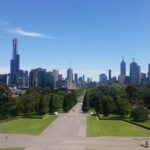
- Southbank: a welcome and the big starting view
- Shrine of Remembrance: national-scale memorial + Aboriginal leadership
- Melbourne Cricket Ground (MCG): sports capital energy
- Fitzroy Gardens: Cook’s cottage, brick-by-brick
- Parliament to the Royal Exhibition Building: gold rush wealth and global ambitions
- Parliament House of Victoria: wealth made visible
- Royal Exhibition Building: the 19th-century international stage
- Fitzroy lunch hour: a real neighborhood reset
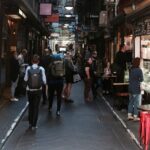
- Chinatown to Hosier Lane: gold rush history and street-art rhythm
- Chinatown: second oldest in the world
- Hosier Lane: the street-art wall, up close
- Federation Square and the Immigration Museum: modern crossroads thinking
- Fed Square: a public square that links the city
- Immigration Museum area: history seen through immigrants
- Safety, comfort, and what to expect from the bikes
- Who this Melbourne bike tour fits best
- Should you book Blue Tongue Bikes Best of Melbourne Bike Tour?
- FAQ
- How long is The Best of Melbourne Bike Tour?
- What does the tour cost?
- What time does the tour start?
- Where do I meet for the tour?
- What is included in the ticket price?
- Is lunch included?
- How big is the group?
- What if the weather is bad?
- Is hotel pickup or drop-off included?
- Can I cancel for free?
Key highlights to look for
- Small group (max 10), which usually means more attention and easier control through busy streets
- Bike and helmet included, so you do not waste time or money renting
- 10:00 am start gives you a relaxed rhythm and a lunch window later
- Route mixes icons with street-level Melbourne like Chinatown and Hosier Lane
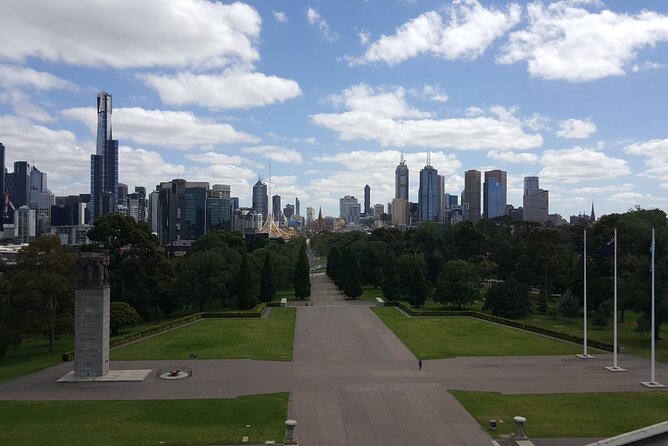
- History stops are built into the ride, including Kulin Nation acknowledgements and William Barrack at the Shrine
- Easy start and finish back at Rebecca Walk, so you can plan the rest of your day
A Melbourne bike tour that actually saves your time
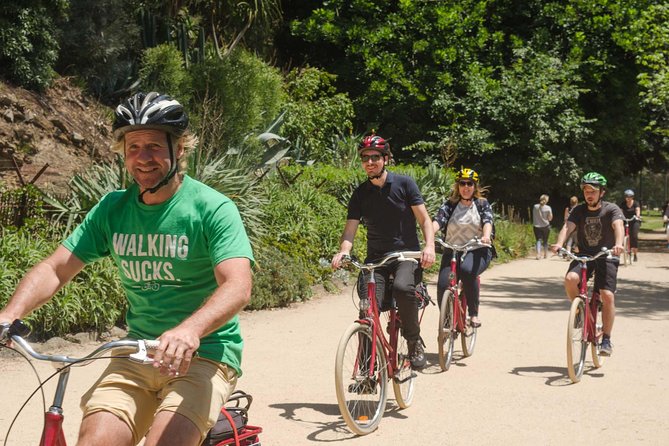
If you only have one morning in Melbourne and you want the big sights plus the in-between places, this kind of loop makes your day work. Cycling lets you move through central areas fast, then pause where it matters—war memorials, stadiums, civic buildings, and neighborhood streets you would be slower to find on foot.
What makes this tour feel especially practical is the 4 hours 30 minutes timing. You start at 10:00 am, you get a steady run of photo stops, and you still have room for a proper lunch break rather than squeezing food in at the end.
And the focus is not just scenery. The guide weaves in Aboriginal history and local context as you ride, so you get meaning with the views, not just busy-city photos.
You can also read our reviews of more cycling tours in Melbourne
Getting rolling: meeting point, group size, and the riding vibe
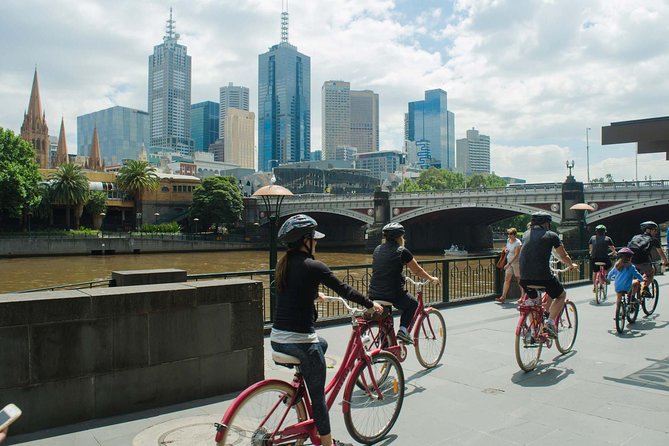
You meet at 20 Rebecca Walk, Melbourne VIC 3000, and the tour ends back at the same place. There is no hotel pickup or drop-off, which is normal for this style of city tour, but it also keeps things simple: you arrive, you gear up, you ride, you’re done.
The group is capped at 10 travelers, and that size matters. Smaller groups usually mean easier pace control, tighter spacing, and fewer chaotic moments when you stop at intersections or re-group after a turn.
The ride itself is meant for active travelers who enjoy cycling, but it is not pitched as a race. Expect a comfortable, sightseeing pace with frequent short stops. That can feel perfect if you want to see a lot while keeping energy for lunch. If you’re chasing intensity, you might want to supplement with a separate workout day.
Price and value: what you’re really paying for
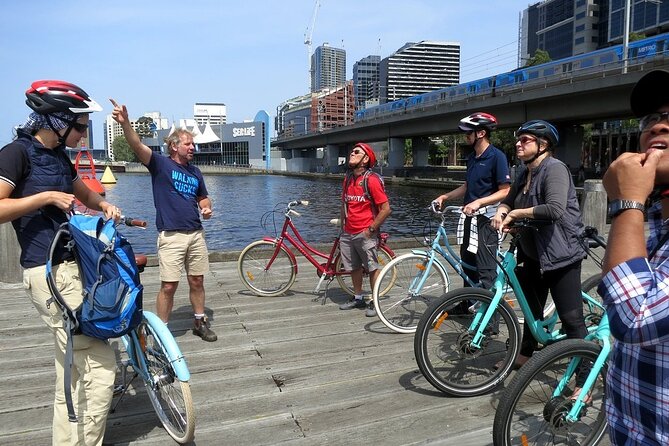
At $78.18 per person, you’re paying for more than transportation. The value comes from four things that are specifically part of the experience:
- A guided route with curated stops across Melbourne’s center
- Use of a bicycle and helmet, so you do not need to rent
- Safety guidance designed for city riding
- A lunch break built into the day, with Fitzroy as the moment to eat
Food is not included unless specified, so you should expect to spend extra at Fitzroy. The tour specifically asks you to bring some money for that lunch stop. In return, you get a planned break in a neighborhood known for options beyond quick takeaway.
If you’re traveling light, this is still a good deal. Having the gear handled for you is one less thing to organize, and the route hits a lot of recognizable places without forcing you to stitch together multiple transit days.
Stop-by-stop: from Southbank stories to war memorial context
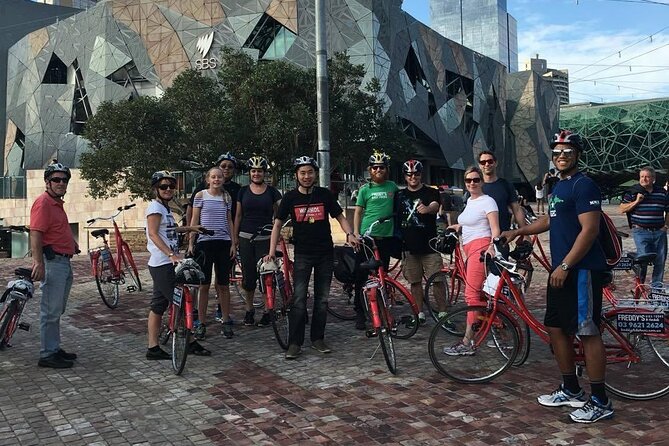
Southbank: a welcome and the big starting view
You kick off at Southbank, where the guide acknowledges the Kulin Nation and the land’s long-standing connection. After that respectful start, you cycle past the city’s formative layers—then you begin layering in settler-era figures who helped shape the Melbourne you know today. It’s a good opening because it frames what you’ll see later: civic power, public space, and shifting cultures over time.

Shrine of Remembrance: national-scale memorial + Aboriginal leadership
Next comes the Shrine of Remembrance, Victoria’s largest and most visited war memorial. This stop is more than architecture and views. It also includes an introduction to William Barrack, described as an Aboriginal leader, activist, cultural ambassador, educator, and advocate for Aboriginal rights.
If you tend to skim memorials, pause here and let the guide’s framing land. It makes the stop more than a quick photo and helps you understand why this place is a major emotional anchor for many Melburnians.
Melbourne Cricket Ground (MCG): sports capital energy
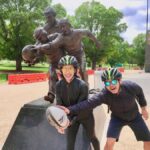
From memorials to stadium scale: you pass through the Melbourne Cricket Ground area. This is the kind of stop that works whether you’re a sports fan or not—big stadiums give you a sense of why Melbourne calls itself the sporting capital of the world. You get a short look, enough for orientation, and then you move on.
Fitzroy Gardens: Cook’s cottage, brick-by-brick
At Fitzroy Gardens, the highlight is Cook’s cottage, shipped out from England and rebuilt brick by brick. This stop is short, but it’s timed well: you’ve had the emotional weight of the memorial and the awe of the stadium, and now you’re in a calmer pocket of greenery with a story that feels tangible.
One tip: if you’re the type to enjoy details, take a moment and really look at what you’re seeing. In a short stop like this, your best experience comes from slowing down just once.
Parliament to the Royal Exhibition Building: gold rush wealth and global ambitions
Parliament House of Victoria: wealth made visible
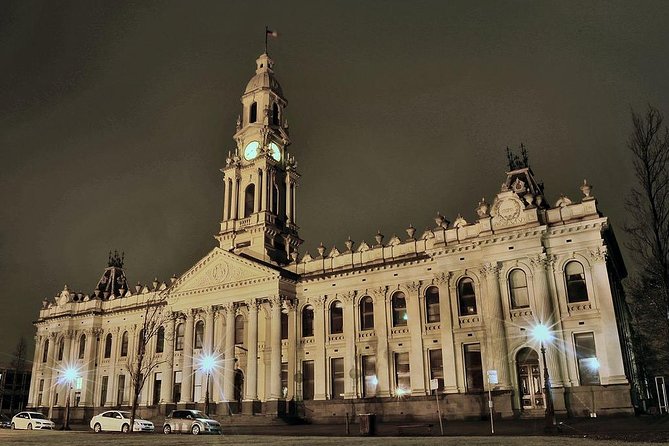
You cycle past Parliament House of Victoria, a building tied to the wealth of Melbourne during and after the gold rush. The guide’s angle here is smart: it helps you see the city’s civic identity as something built during boom years, not just a modern government district.
Royal Exhibition Building: the 19th-century international stage
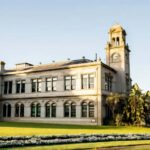
Then you reach the Royal Exhibition Building, still functioning and tied to the international exhibition movement of the 19th century. This stop gives you a different type of context: not conflict or local politics, but trade, technology, ideas, and culture moving through one major space.
Even if you have limited time, this is worth paying attention to because it explains why some of Melbourne’s grand public buildings exist. They are not random. They were built for attention, visitors, and global exchange.
Fitzroy lunch hour: a real neighborhood reset
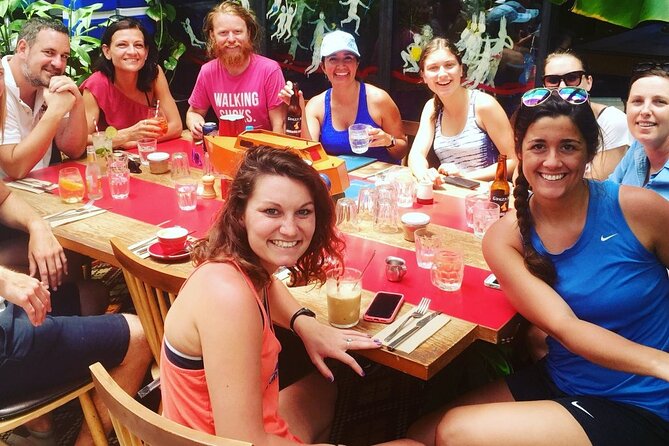
The ride then heads into Fitzroy for an about 1 hour lunch stop. This is the moment on the tour that matters most for independent time. The route asks you to bring some money, and that’s intentional—you’ll be choosing where and what to eat.
Fitzroy is one of the best places in Melbourne for lunch variety: casual cafes, quick bites, and more character-heavy spots than you’d typically find around the strict CBD blocks. You’ll spend enough time here to actually eat without stress.
Practical note: if you want a specific kind of food, you’ll feel better if you decide early once you park the bikes. With a set stop window, the best plan is to pick fast, eat well, and then rejoin the group without rushing.
Chinatown to Hosier Lane: gold rush history and street-art rhythm
Chinatown: second oldest in the world
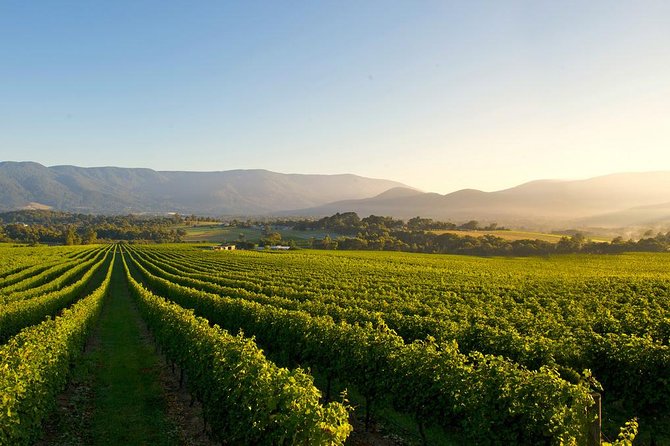
Next up is Chinatown, described as the second oldest in the world and established in 1851 in response to the gold rush. This stop helps you connect the gold-rush era with the people who came through and shaped the city afterward.
Even if you do not stop for a long wander, the quick orientation is useful. Chinatown is one of those areas where small streets change the mood fast, and the guide’s framing helps you notice details instead of treating it like a shortcut.
Hosier Lane: the street-art wall, up close
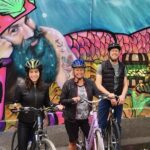
Then comes Hosier Lane, famous for its bluestone lane and visible street art. This stop is short, but it’s one of the best “eyes-do-the-wandering” segments on the route. The point is not to memorize facts; it’s to see how public space becomes art and how Melbourne’s street character shows itself fast.
If you like photos, this is where you’ll want to slow down for two or three good angles. The trick is not trying to do everything. Pick a couple spots, watch the light, and move on.
Federation Square and the Immigration Museum: modern crossroads thinking
Fed Square: a public square that links the city
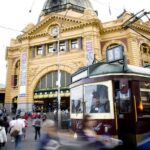
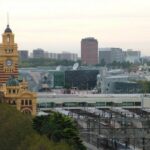
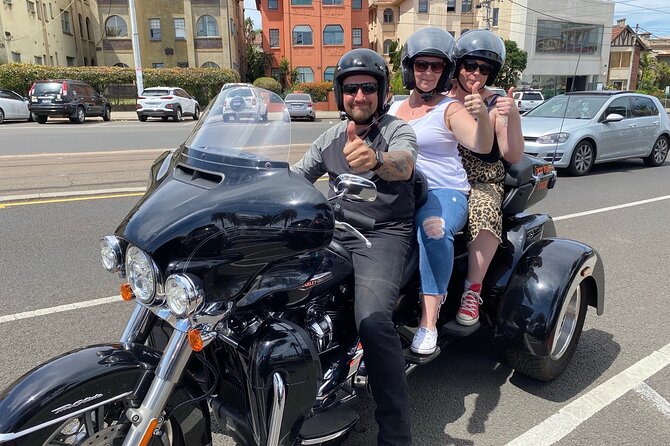
You finish the major sights at Fed Square—Melbourne’s first public square—positioned to connect Flinders Street to the Yarra River. The setting matters here. It’s a junction of pedestrian flow, nearby heritage buildings, and a place people use as a meeting point and event space.
This stop is more about perspective than conquest. You get a sense of how the city moves now, and then you’re ready for one last theme shift.
Immigration Museum area: history seen through immigrants
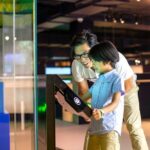
The final history-themed stop is around the Immigration Museum, with the guide encouraging you to consider Melbourne through immigrants’ eyes. The tour notes that immigrants make up 50% of the population, which is a huge statement about why Melbourne’s culture looks the way it does.
Even on a short stop, this kind of framing changes how you walk away. Instead of seeing the city as a set of attractions, you see it as a layered society with multiple origin stories.
Safety, comfort, and what to expect from the bikes
City cycling always comes down to safety habits. The guide keeps things controlled so you can enjoy the ride without feeling like you’re doing a nervous tightrope. You’ll also get a safety briefing at the start, and that matters most when you are new to bike traffic.
Comfort varies by rider and bike fit. One real-world caution from people who’ve done this tour: some found the bike seat not comfortable. Also, check how the bike type is handled for your booking. A few riders mentioned getting upgraded to e-bikes, while others realized they had signed up for a regular bike tour. If hills or leg fatigue are a concern, double-check what you’re actually getting.
If you’re sensitive to rain, plan on adjusting your expectations. Weather can change communication and the overall comfort of riding. One rider noted that a rainy day still felt good on the ride itself, but it can make it harder to hear lots of commentary.
Who this Melbourne bike tour fits best
This tour is a strong fit if:
- You want a one-morning overview of Melbourne with minimal effort planning
- You like history that is connected to places, not just museum labels
- You enjoy cycling and want an efficient route that covers CBD and inner-city areas
- You’re traveling with friends or family and want a structured day without strict pacing
It’s less ideal if you:
- Want a fast, workout-style ride
- Hate doing lunches where you must pay separately
- Need long stops at each attraction
Should you book Blue Tongue Bikes Best of Melbourne Bike Tour?
I’d book it if you want an efficient, story-driven Melbourne bike tour that hits major landmarks and key neighborhoods in one go. The included bike and helmet reduce friction, the small group size supports a calmer experience, and the 10:00 am timing makes lunch in Fitzroy feel like part of the plan rather than an afterthought.
One last call-out: confirm the bike type at booking and go in ready to spend on lunch in Fitzroy. If you do that, this tour is a very strong way to get grounded in Melbourne fast.
FAQ
How long is The Best of Melbourne Bike Tour?
It runs for about 4 hours 30 minutes.
What does the tour cost?
The price is $78.18 per person.
What time does the tour start?
The start time is 10:00 am.
Where do I meet for the tour?
The meeting point is 20 Rebecca Walk, Melbourne VIC 3000, Australia.
What is included in the ticket price?
Your ticket includes use of a bicycle and a helmet.
Is lunch included?
Food and drinks are not included unless specified, and you’ll be asked to bring some money for the lunch stop in Fitzroy.
How big is the group?
The maximum group size is 10 travelers.
What if the weather is bad?
This tour requires good weather. If it’s canceled due to poor weather, you’ll be offered a different date or a full refund.
Is hotel pickup or drop-off included?
No, hotel pickup and drop-off are not included.
Can I cancel for free?
Yes, free cancellation is available up to 24 hours in advance for a full refund.