REVIEW · MELBOURNE
From Melbourne: 3-Day Great Ocean Road Grampians Tour
Book on GetYourGuide →Operated by Autopia Tours · Bookable on GetYourGuide
One road, two national parks, and a lot of big views. This 3-day Great Ocean Road and Grampians trip strings together famous coast stops with a quieter wildlife reserve and some proper walking. It is built for people who want a tight route without feeling rushed, and who do not mind getting out of the bus for lookouts and short trails.
What I like most is the way it balances famous sights with less-expected nature stops. You get the 12 Apostles and Loch Ard Gorge on Day 1, then Tower Hill Conservation Reserve on Day 2, where you can spot emus and kangaroos in their natural habitat.
One thing to consider: the itinerary includes guided bush walks, often on steep or rocky ground in direct sun. If you are not comfortable with moderate to advanced walking, this might feel like too much.
In This Review
- Key highlights you will actually care about
- Why this Great Ocean Road + Grampians combo is a smart 3-day plan
- Price and logistics: where the $633 value comes from
- Day 1: Melbourne to Great Ocean Road icons and Warrnambool
- The shipwreck coast stops that feel different in person
- Day 2: Tower Hill Conservation Reserve, Aboriginal cultural context, and Halls Gap BBQ
- Day 3: Mackenzie Falls, Reeds Lookout, and Boroka’s viewpoint payoff
- Wildlife chances: how this tour increases your odds
- The hiking reality: what the walks mean for your day
- Where you sleep: Warrnambool and Halls Gap
- Guide quality: why names like Janet, Jordan, and Craig matter
- What to pack and wear so the trip stays easy
- Who should book this tour (and who should skip it)
- Should you book the 3-Day Great Ocean Road Grampians Tour?
- FAQ
- What does the tour include?
- Where is the meeting point in Melbourne?
- How long is the tour and where does it end?
- What kinds of walks are included?
- What fitness level do I need?
- Is the tour suitable for children?
- What should I bring?
- Is it wheelchair accessible or stroller-friendly?
Key highlights you will actually care about

- 12 Apostles + Loch Ard Gorge on the shipwreck coast, with stops timed for real viewpoint time
- Tower Hill Conservation Reserve for wildlife spotting around an extinct volcano setting
- Grampians lookouts like Pinnacle, Reeds, and Boroka, plus a short hike to kick off Day 3
- Guided bush walks (~6.5 km total), with difficulty that suits moderately fit hikers
- Wildlife chances including koalas along the Great Ocean Road and marsupials at Tower Hill
- A real guide makes the route feel coherent, with guide names like Janet, Jordan, and Craig showing up in standout feedback
Why this Great Ocean Road + Grampians combo is a smart 3-day plan
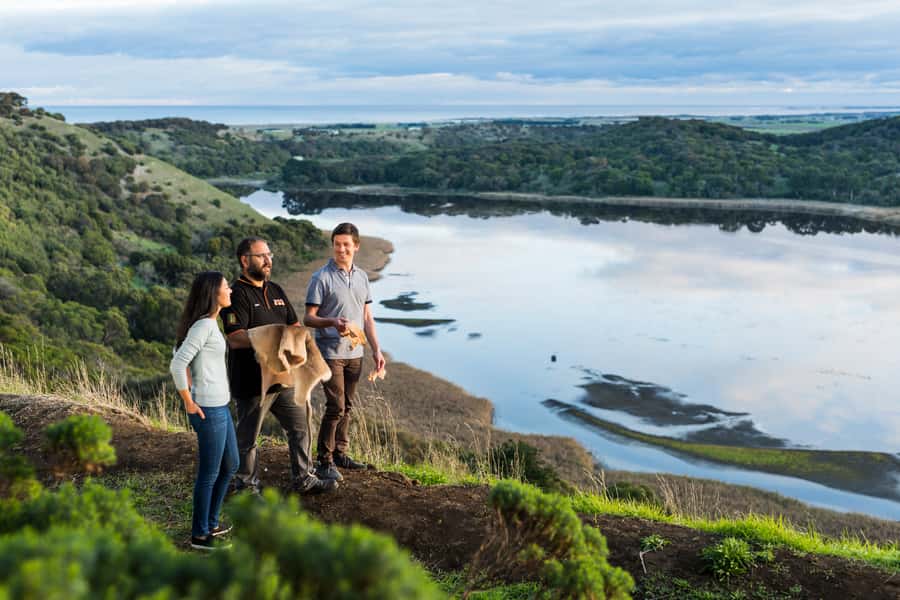
Trying to do Great Ocean Road and the Grampians in one go can be a headache if you are self-planning. This tour keeps the big drivers simple: Melbourne in, Melbourne out, and two nights in the right bases to see coastal icons and inland scenery without constant hotel changes.
You also get a guided structure that matters on a route like this. The stops are spaced so you can enjoy viewpoints instead of just snapping photos through a window. And because you are in a group with an experienced driver-guide, you get practical context as you go, from what you are seeing on the coast to how the Grampians cliffs formed and why certain lookouts are worth the effort.
You can also read our reviews of more tours and experiences in Melbourne

Price and logistics: where the $633 value comes from
At $633 per person for three days, the value is less about cost alone and more about what is bundled. You are paying for round-trip Melbourne transport, two nights of accommodation (Warrnambool and Halls Gap), two breakfasts, and at least one included dinner, plus national park entry fees.
You also get air-conditioned transportation, select inner-city pickup and drop-off points, and a guided experience that includes bush walks and commentary. If you were trying to piece this together yourself—car rental, fuel, entry fees, parking headaches, and coordinating lodging—you would likely spend a similar amount, but with more stress.
The key tradeoff is you are on a set schedule. You get a packed but manageable rhythm, yet you do not have the freedom to linger longer in one spot if you love it more than everything else.
Day 1: Melbourne to Great Ocean Road icons and Warrnambool
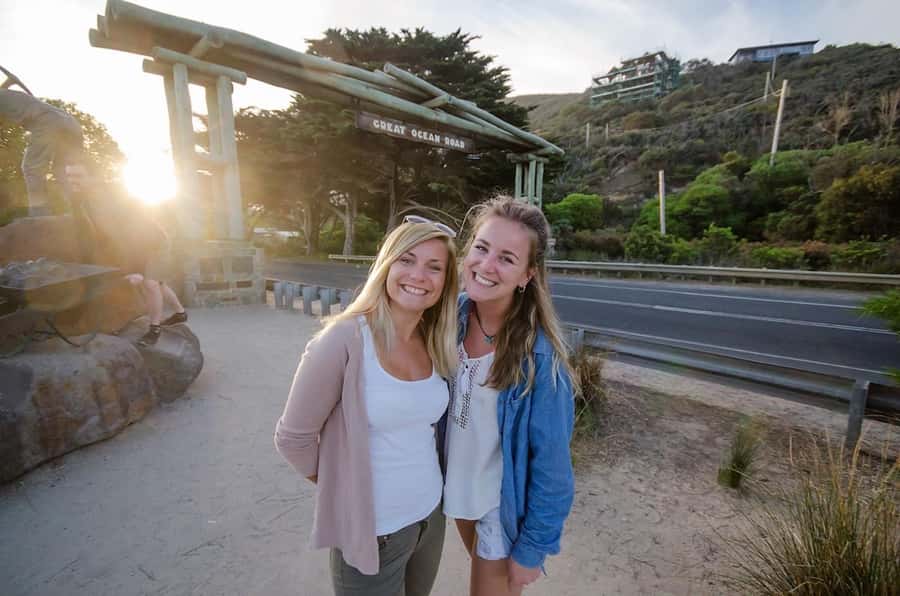
Day 1 starts with the Great Ocean Road stretch, and it is the part of Australia that most people recognize for a reason: ocean views, surf beaches, and photo-worthy cliffs. You will travel through the coastal towns, with a stop in Apollo Bay for lunch, which is a nice reset before you head deeper into the shipwreck coast scenery.
A standout part of the Day 1 pacing is the chance to spot wildlife while the tour is still moving. Along the way, you may see wild koalas, especially when the bus stops long enough for you to look and listen.
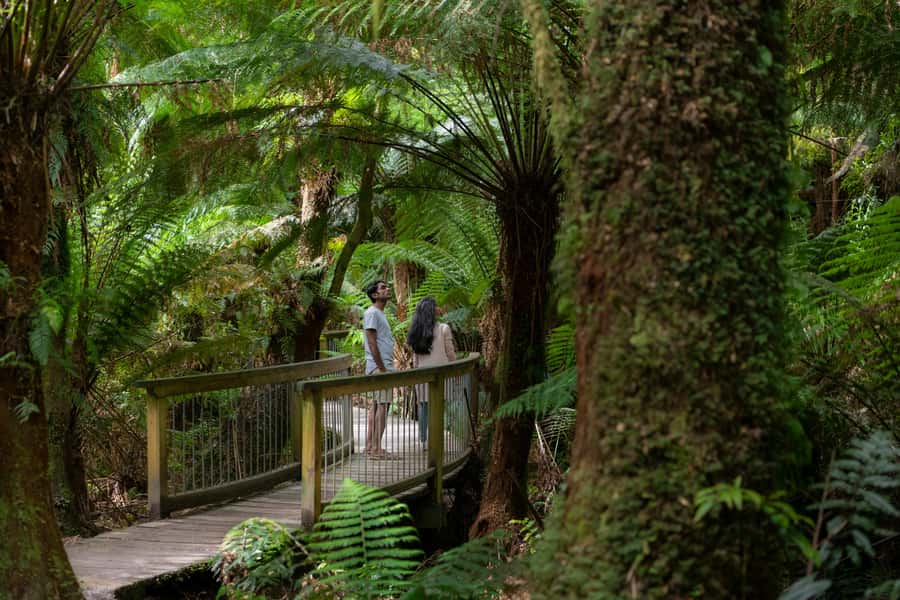
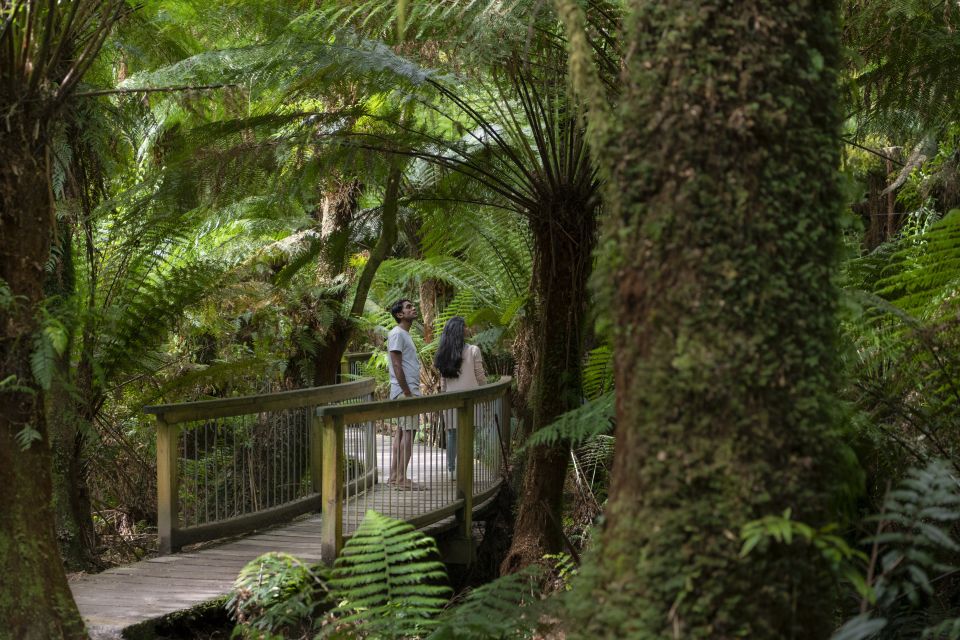
Then the route shifts from ocean drama to rainforest quiet. You get a guided rainforest walk in Great Otway National Park, which is a nice contrast to salt air and cliff edges. This is not just for photos—it is the kind of walk that helps you understand why the region feels so alive: different plants, shade, and a different soundscape than the coast.
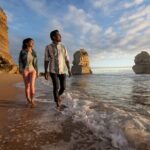
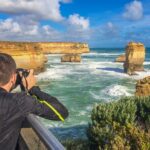
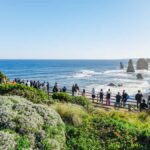
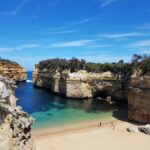
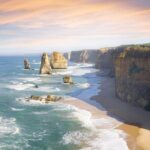
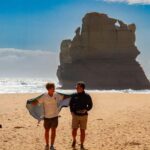
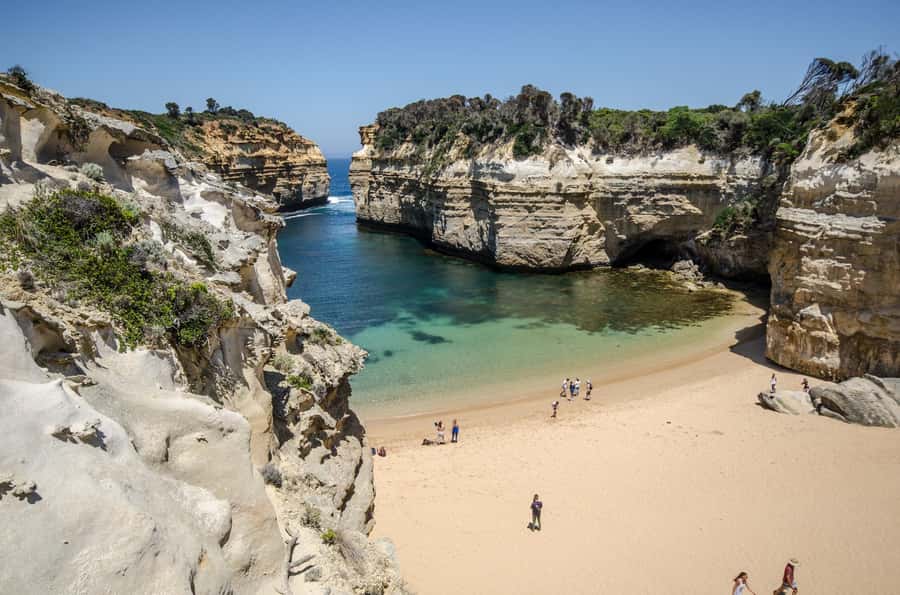
The day’s finale is the shipwreck coast icons: the Twelve Apostles and Loch Ard Gorge. These are famous for a reason, but what makes them worthwhile on a tour is that you actually get guided help for reading the rock formations and understanding what you are looking at from each viewpoint.
Overnight is in Warrnambool, which is a practical base because it sets you up for the next day’s wildlife stop and the drive toward the Grampians.
The shipwreck coast stops that feel different in person
The Twelve Apostles and Loch Ard Gorge can look almost identical on a postcard. In real life, the experience is more about scale and angles. From the lookouts, you get a better sense of how erosion shaped the headlands over time, and why certain viewpoints reveal the structure more clearly.
Loch Ard Gorge also tends to land differently because you can focus on the water and the cliff lines. Even if you are not a geology person, you will likely find yourself slowing down at the water’s edge because it feels like the landscape has a storyline.
A practical note: bring sunglasses and sunscreen. This part of the coast can be bright and windy, and direct sun shows up fast once you step out for viewpoints.
Day 2: Tower Hill Conservation Reserve, Aboriginal cultural context, and Halls Gap BBQ
Day 2 is where the tour feels less like a greatest-hits album and more like a nature trip.
First stop: Tower Hill Conservation Reserve. It is an extinct volcano area, and the tour connects the scenery with Aboriginal history, along with wildlife viewing. This is one of those places where you do not just look at an animal on a distant sign—you have chances to see them in their natural habitat. Emus and kangaroos are specifically mentioned, and the overall setting makes sightings feel more grounded than at a fenced zoo.
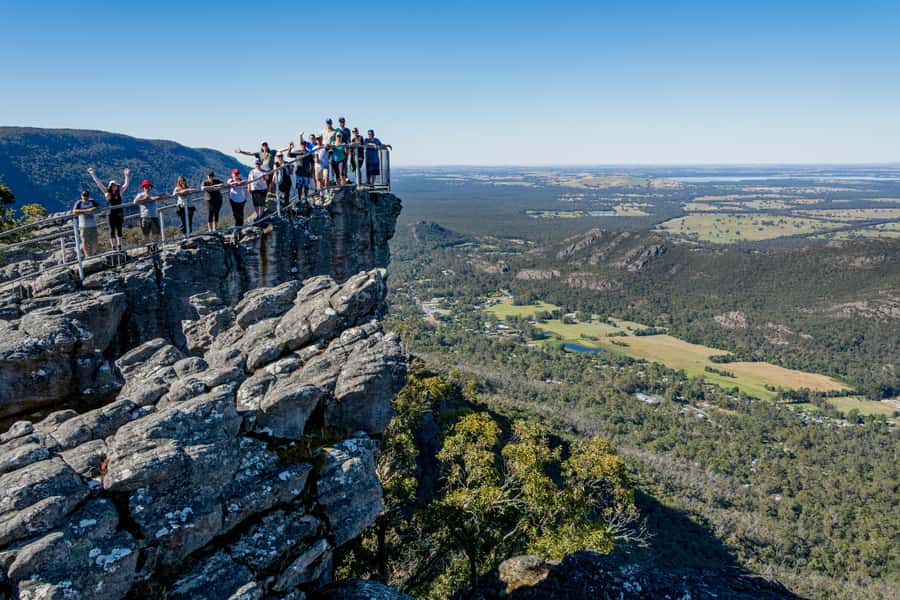
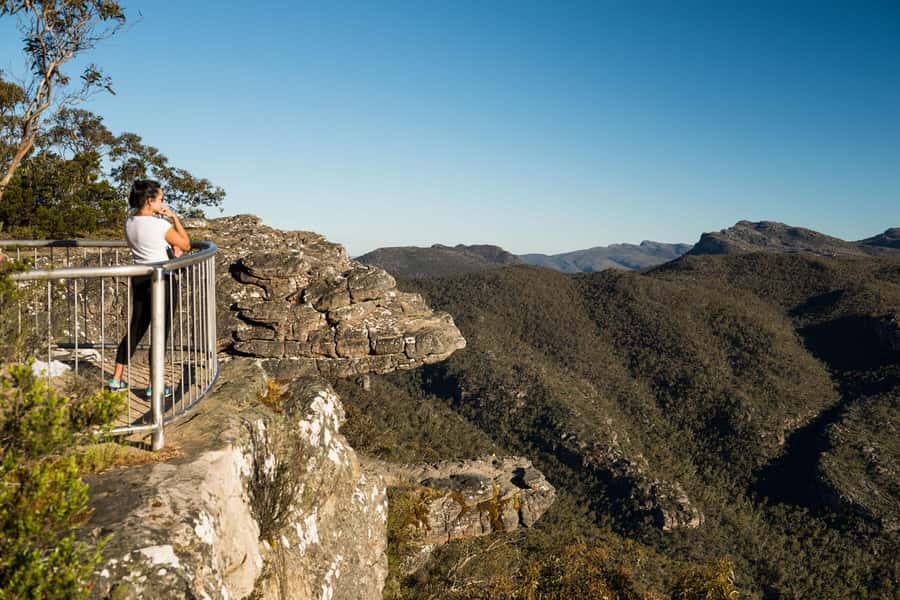
From there you head north into the Grampians. In the afternoon you reach the Pinnacle lookout, with time for an afternoon hike that gives panoramic views. This is the type of stop where you really feel why the Grampians are popular: the cliffs and rock edges look dramatic even when the sky is just ordinary.
You finish the day with a classic Australian group dinner: a traditional Aussie BBQ at the overnight stay in Halls Gap. It is a good way to end a travel day without overthinking dinner plans.

Day 3: Mackenzie Falls, Reeds Lookout, and Boroka’s viewpoint payoff

Day 3 begins early, and that early start matters. You start with a hike to the base of Mackenzie Falls. Even though the day is short in duration, this is your most physical moment, and it is a satisfying way to close the trip because it shifts you from coastal viewpoints to waterfall energy.
After the falls, you hit the best-known lookouts in the Grampians: The Balconies / Reeds Lookout and Boroka Lookout. These stops are about getting perspective—seeing how the park’s rock forms connect and why these points were chosen for views long before tourists arrived.
Then you make the drive back to Melbourne, with an arrival around 5:30 PM. That timing works well if you still want a full evening back in the city, but it also means you should plan your travel day with a bit of room to breathe.
Wildlife chances: how this tour increases your odds
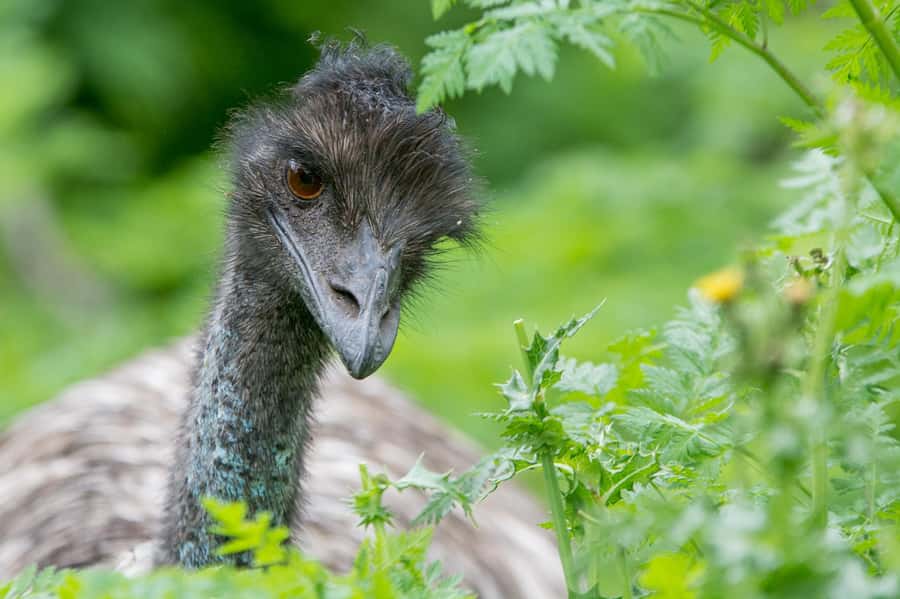
If wildlife spotting is part of your reason for coming, this itinerary is built to help. It combines multiple ecosystems in a short time: coastal areas where koalas can be seen, rainforest during the Great Otway walk, and Tower Hill where animals are part of the landscape.
To set expectations fairly: you cannot guarantee sightings. But compared with a tour that only hits viewpoints, you have more chances because there are actual walking and stopping moments built in.
Also, wildlife viewing is easier when you stay calm and quiet, and when you are patient at each stop. The best results usually come from doing exactly what the guide encourages: look slowly, move carefully, and give the area a few minutes.
The hiking reality: what the walks mean for your day
The walks are short overall—about 6.5 km total across the trip—but the terrain can be demanding. The guidance is moderate to advanced fitness, with sections that are sometimes steep or rocky and can be in direct sunlight.
What to do with that info:
- Wear comfortable shoes you trust on uneven ground.
- Pack rain gear and weather-appropriate clothing, because Victoria’s conditions can shift.
- Bring a daypack and a reusable water bottle so you can stay comfortable during viewpoint stops and walks.
Hike distances on the route are listed as roughly 4.5 km on Day 2 and 2 km on Day 3, but do not let the numbers fool you. The guide has discretion to vary lengths, and the challenge comes from ground type and sun exposure.
If you are comfortable with steep steps, uneven paths, and an all-out viewpoint walk or two, you will likely feel fine. If not, consider choosing a more gentle option.
Where you sleep: Warrnambool and Halls Gap
You stay two nights total: one in Warrnambool and one in Halls Gap. That is a good setup because both cities make sense as bases for the driving flow.
The tour experience can feel a little different depending on the lodging style. Feedback has been positive about the overall hotel situation, while one comment noted that the hostel component felt less impressive. The takeaway for you is simple: you should be fine with basic, functional accommodation as part of a sightseeing-focused package, not a luxury stay.
Guide quality: why names like Janet, Jordan, and Craig matter
A tour like this lives or dies on the guide. Here, the driver-guide is part of the value because you are getting more than directions—you are getting tour commentary tied to what you see.
In past feedback, Janet was praised for making the three days feel informative and enjoyable, with a focus on learning about Australia and wildlife. Another strong mention was Jordan, noted for sharing excellent information and keeping the group feeling comfortable. Craig also received praise for knowing his stuff and demonstrating real love for the country.
You can translate that into a decision rule: if you care about context—why a place looks the way it does, what to watch for, and how to move through the route efficiently—you are more likely to enjoy this tour than if you only want a bus ride and quick photos.
What to pack and wear so the trip stays easy
The tour lists a solid packing checklist, and it is there for a reason. You will want:
- Comfortable shoes
- Sunglasses and a hat
- Sunscreen
- Rain gear
- Toiletries and personal medication
- Flashlight (useful when you are out in the evening at your accommodation base)
- Daypack and reusable water bottle
One more practical tip: keep a light layer handy. Even when the day feels warm, coastal air and early morning hikes can make a big difference in comfort.
Who should book this tour (and who should skip it)
This tour fits best if you:
- Want a 3-day mix of Great Ocean Road icons and Grampians viewpoints
- Enjoy guided walks and short hikes and can handle steep or rocky sections
- Care about wildlife spotting and learning what you are seeing, not just taking pictures
It is not suitable for:
- People with mobility impairments, and it is not designed for wheelchairs or walkers
- Strollers or oversized luggage
- Unaccompanied minors
- Children under 6 years, and children 6–17 must be accompanied by a parent or guardian
If you are traveling with kids, double-check your family situation against those age and supervision rules.
Should you book the 3-Day Great Ocean Road Grampians Tour?
Book it if you want a guided, efficient way to connect 12 Apostles, Loch Ard Gorge, Tower Hill wildlife, and Mackenzie Falls without building the logistics yourself. The price is more reasonable when you factor in the transport, park entry fees, lodging in both bases, and guided walks.
Skip it if you dislike hiking on rocky, steep ground or you want a purely relaxed sightseeing day with zero physical effort. Also, if you need full accessibility support, this route is not built for wheelchairs or mobility aids.
If you fall in the middle, this is one of those trips where the structure helps you enjoy the scenery more—because you will spend your time looking out at the view, not trying to plan the next move.
FAQ
What does the tour include?
It includes Melbourne to Melbourne round trip travel, 2 nights’ accommodation (Warrnambool and Halls Gap), 2 breakfasts, and 1 dinner (noted as 2 dinners from 01 Apr 2024). It also includes national park entry fees, guided bush walks (about 6.5 km total), an experienced driver-guide, air-conditioned transportation, and select innercity pickup and drop-off points.
Where is the meeting point in Melbourne?
The meeting point is Immigration Museum, 400 Flinders St, corner of Market St, Melbourne. Your guide and bus wait on Market St on the east side of the Museum.
How long is the tour and where does it end?
The tour runs for 3 days. It returns to Melbourne and arrives around 5:30 PM on the last day.
What kinds of walks are included?
You get guided bush walks totaling about 6.5 km across the three days. The walk difficulty is described as moderate to advanced, with some sections that can be steep or rocky and often in direct sunlight.
What fitness level do I need?
The tour requires a moderate to advanced level of fitness. Walks can be up to about 3 km and may include steep and rocky sections. The length can vary based on the guide’s discretion.
Is the tour suitable for children?
Children under 6 years are not suitable for safety reasons. Children ages 6–17 must be accompanied by a parent or guardian over the age of 18, and all children must stay in private rooms with their parent or guardian.
What should I bring?
Bring comfortable shoes, sunglasses, a hat, towel, sunscreen, rain gear, toiletries, weather-appropriate clothing, a flashlight, a daypack, personal medication, and a reusable water bottle.
Is it wheelchair accessible or stroller-friendly?
No. It is not suitable for mobility-impaired travelers, and it is not designed for wheelchairs, walkers, or strollers.