REVIEW · MELBOURNE
Great Ocean Road, 12 Apostles, Loch Ard Gorge & lunch – Melbourne
Book on Viator →Operated by Autopia Tours · Bookable on Viator
The Twelve Apostles hit different before the crowds. This reverse-order Great Ocean Road tour helps you see the big sights in the right light with live driver-guide commentary and fewer tour buses around you.
I really like two things here: the air-conditioned 28-seat coach feels civilized for a long day, and the day includes light lunch plus morning tea/coffee or tea so you’re not hunting food every stop.
One thing to consider: it’s a long day on winding coastal roads, so if you’re prone to motion sickness, plan for it (seat choice, slow breathing, and keep water handy).
In This Review
- Key highlights worth your attention
- The reverse Great Ocean Road plan that actually saves your time
- Price and value: what you get for $118.35
- Starting at 7:35am: comfort, group size, and why the early push matters
- Stop 1: WWI Memorial and a morning tea on the way inland
- Twelve Apostles Visitor Facility: morning light, shorter lines, bigger wow-factor
- Loch Ard Gorge and the Razorback lookouts
- Maits Rest or Melba Gully: a guided rainforest walk in Great Otway National Park
- Great Ocean Road drive time: viewpoints with time to actually see
- Great Ocean Road Memorial Archway: the WWI story meets the coastline
- Wildlife spotting: how to maximize your chances without guessing
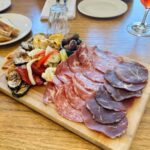
- Lunch and tea breaks: a light meal that works if you plan for snacks
- Riding back to Melbourne: long day reality check
- Who should book this reverse Great Ocean Road tour (and who should reconsider)
- Should you book it? My practical call
- FAQ
- How long is the Great Ocean Road, 12 Apostles, Loch Ard Gorge tour?
- What time does the tour start, and where does it meet?
- Is lunch included?
- How big is the group?
- Do I get hotel pickup and drop-off?
- Is the vehicle comfortable and equipped for long rides?
- What stops are included besides the Twelve Apostles?
- Does the tour run in bad weather?
Key highlights worth your attention
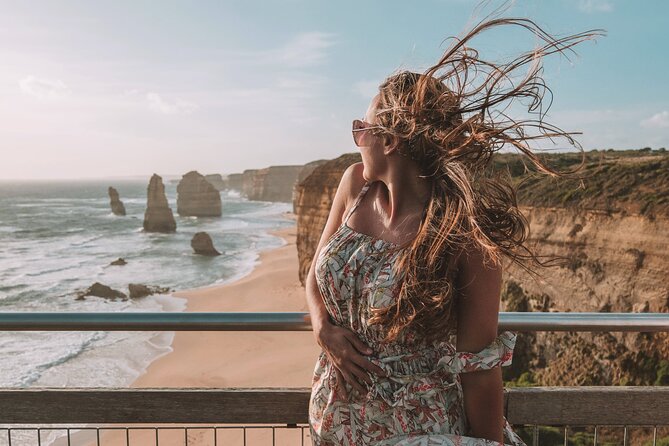
- Reverse route for calmer morning viewpoints at the Twelve Apostles
- Live commentary from the driver-guide as you crisscross the coast
- Comfort features like air-conditioning, WiFi onboard, and USB charging ports
- Short guided nature moments in Great Otway National Park (Maits Rest or Melba Gully)
- Built-in food stops with morning tea and a light lunch
- Wildlife spotting in eucalyptus forest when conditions allow
The reverse Great Ocean Road plan that actually saves your time
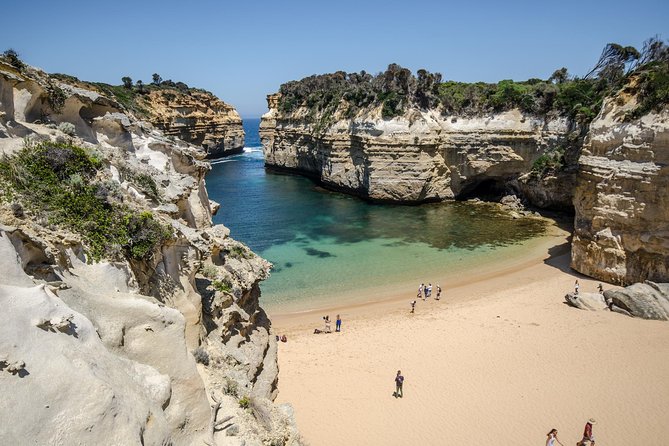
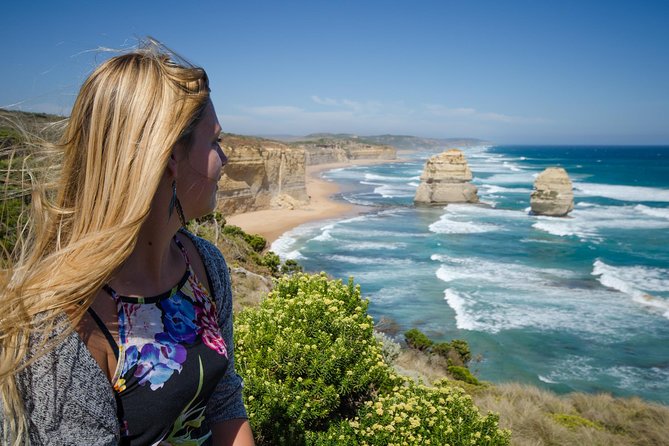
The Great Ocean Road is famous for a reason. The cliffs at the Twelve Apostles, the limestone drama of Loch Ard Gorge, and the sense of scale when you stand above the ocean—those are the kind of views that stick with you.
What makes this tour feel smarter is the order. You go out early and hit the Twelve Apostles first, before the usual late-day crush. Then you move through Loch Ard Gorge and Great Otway National Park while the coast still feels like it’s working at “morning pace,” not “full parking-lot chaos.” The reverse direction also helps you catch viewpoints with less crowding at several stops, not just one.
And because it’s a driver-guide setup with live commentary, you’re not just watching scenery through glass. You get context as you go—WWI links, how this coast was built and named, and what to look for when the guide asks you to check the bush line.
You can also read our reviews of more tours and experiences in Melbourne

Price and value: what you get for $118.35
At $118.35 per person, you’re paying for a full day of transportation plus park entry fees, and that adds up fast if you drive yourself and try to do it all.
Here’s what’s included in the cost that makes the price easier to swallow:
- National park fees and admission to key stops (including the Twelve Apostles Visitor Facility)
- Morning tea and light lunch, plus coffee and/or tea
- A professional driver-guide with live commentary
- Comfort basics: air-conditioned 28-seat vehicle, WiFi onboard, and USB charging ports
For me, the value equation is simple: you’re buying back your energy. This route is long, with lots of stops. Having a driver handle the roads, timing, and logistics means you can focus on seeing—not calculating.
If you’re the type who already loves planning and driving, you could do this yourself. But if you want the day to feel like a guided “greatest hits” run, this is a pretty direct deal.
Starting at 7:35am: comfort, group size, and why the early push matters
Your day starts at 7:35am at Immigration Museum, 400 Flinders St in Melbourne. The tour is built around that early departure, and that timing is a big part of why the schedule works.
The vehicle holds up to 28 people, which is small enough to keep things friendly but big enough that you still get the full-coach efficiency. It’s also air-conditioned, with USB charging ports and WiFi onboard, which helps when you’re taking photos and your phone battery starts acting dramatic.
One practical note from the route reality: the Great Ocean Road is winding. Even when the bus feels smooth, you’ll be dealing with lots of curves. If that’s a concern for you, consider choosing a seat where you feel least motion (often closer to the front tends to be easier), and keep your eyes on the horizon when you can.
Dress-wise, don’t go in thinking it’s always warm. The tour runs in all weather conditions, and it can get cold, especially near the coast and in the morning.
Stop 1: WWI Memorial and a morning tea on the way inland
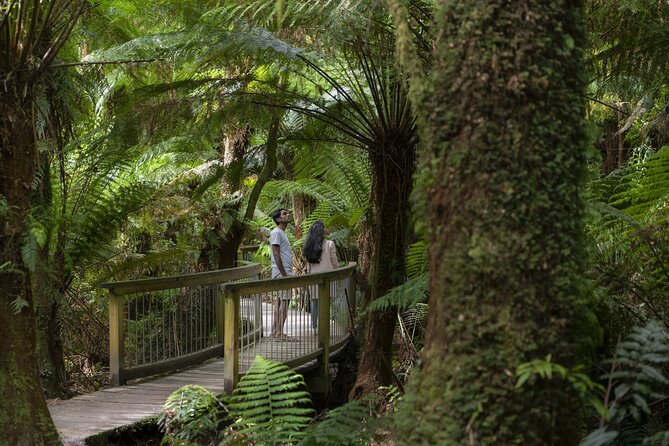
You start your coast getaway by escaping the city first, traveling inland directly via Colac. The first stop is a WWI Memorial. It’s short, but it sets the tone: this trip isn’t only about rocks and waves. The coast has human history layered through it, and the guide ties that in as you go.
You also get a complimentary morning tea along the way. It sounds small, but it matters on a day that starts early. It helps you settle in, wake up, and not feel like you’re running on espresso fumes and vibes.
This is also one of the quieter moments of the day—good for a first look around, a quick stretch, and getting your camera settings ready before the famous coast starts firing on all cylinders.
Twelve Apostles Visitor Facility: morning light, shorter lines, bigger wow-factor
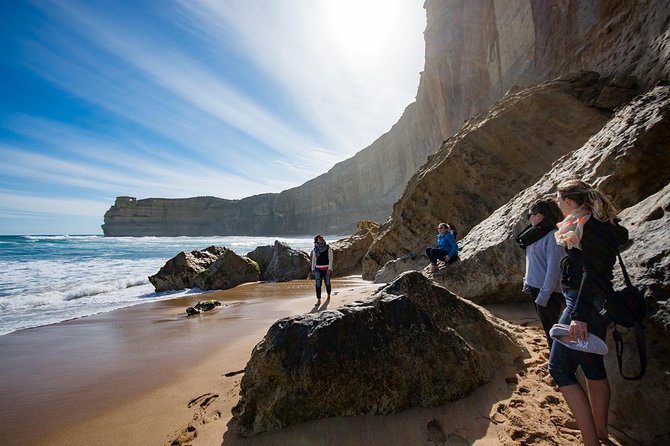
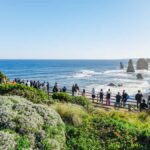
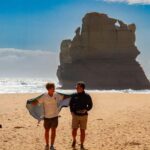
Your main “wow” stop is the Twelve Apostles Visitor Facility, and you’ll be there long enough to take it in without feeling like you’re sprinting.
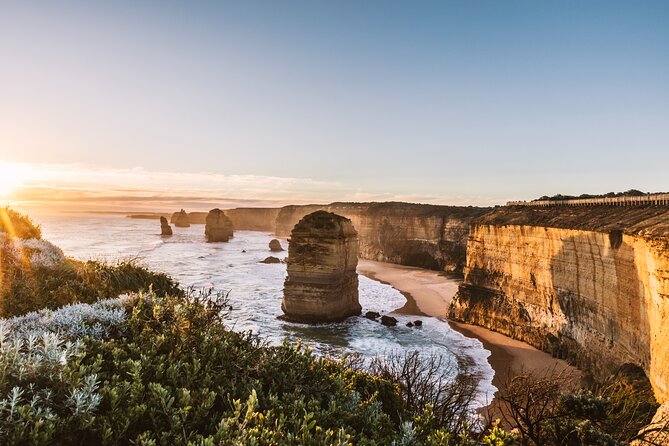
The big advantage here is timing. With the reverse itinerary, you reach the Apostles in the morning light, when the cliffs can look especially dramatic. You’re also aiming to be there before many other tour groups arrive, which means you’re less stuck in dense foot traffic.
Inside the visitor area, you can orient yourself fast and then pick your viewing spots. The goal at this stop is simple: see the formations clearly, walk to the best lookouts you can safely access, and give yourself time for photos in the lighting that actually flatters limestone.
One thing I’d plan for: this area can be busy even on “less busy” mornings. Move calmly, watch your footing near edges, and keep your patience for wind gusts. The coast loves to make itself dramatic.

Loch Ard Gorge and the Razorback lookouts

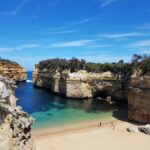
Next up is Loch Ard Gorge, in the Port Campbell area. This stop is all about limestone formations and ocean views, with a couple of named spots worked into the experience.
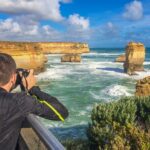
You’ll have time for Mutton Bird Island and the Razorback lookout—two viewpoints that help you understand the coastline’s shape. The water and cliff angles can make the scene look totally different depending on where you stand, and the guide’s live commentary helps you connect what you’re seeing to the bigger story of the coast.
The stop is shorter than the Apostles (around 25 minutes), so don’t show up with a “casual stroll” mindset. Come ready to move. Look around, choose your primary viewpoint, and then take photos with a bit of patience for lighting changes.
This is the kind of place where you’ll feel the urge to say, Wow, and then take three more photos because the view keeps improving as the wind shifts.
Maits Rest or Melba Gully: a guided rainforest walk in Great Otway National Park

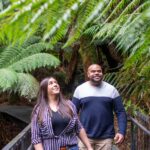
After the coast stops, you get a breather in Great Otway National Park with a guided walk through Maits Rest or Melba Gully.
This is one of the best “balance” moments of the day. You’ve been staring at cliffs and ocean. Now you’re under tall trees in an ancient-feeling rainforest setting. The walk is guided and designed to help you notice things you’d miss if you were just passing through.
Expect a short, focused stretch: around 30 minutes to walk, look up, and take in how the forest feels cooler and more shaded than the coast. It’s also a good place for wildlife scanning—especially if you’re patient and you listen for movement in the brush.
Even if you’re not a “forest person,” this stop helps break up the day so the later Great Ocean Road viewpoints don’t blur into one long photo session.
Great Ocean Road drive time: viewpoints with time to actually see

Once you’re back on the road, you’ll spend about two hours traveling along the Great Ocean Road itself. This is the part where you get the long views: ocean openings, dense rainforest edges, and pull-off opportunities where you can look out without feeling rushed.
If you’ve ever driven this area yourself, you know the hard part isn’t the scenery—it’s managing time and knowing which spots to prioritize. This tour fixes that by sequencing the best-known areas and spacing your viewing windows.
The live commentary also helps here. You’re not just traveling through; you’re being guided through. The guide will point out what you’re likely to see next and explain how the coast was formed and used.
Practical tip: keep a light jacket accessible. Even if Melbourne morning starts mild, the coast can turn cooler fast, and the bus windows don’t always act like a heater.
Great Ocean Road Memorial Archway: the WWI story meets the coastline
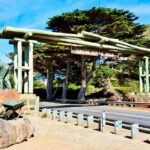
Next comes a stop at the Great Ocean Road Memorial Archway, one of the most photographed places along the route.
This monument is a tribute to World War One servicemen who built the Great Ocean Road. It turns the day from “scenery-only” into something with meaning. You’ll understand why the road is there and why people remember its builders.
The stop is about 25 minutes. That gives you time to take photos without feeling like you’re only there for a snapshot. It also helps you slow down for a moment before the ride back toward Melbourne.
This is also a nice reset if you’ve been dealing with wind or camera fatigue. Stand, look out, and let the story put the scenery in context.
Wildlife spotting: how to maximize your chances without guessing
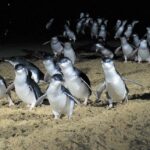
This tour explicitly aims for wildlife sightings in natural habitat, and the eucalyptus forest is one of the places where you’re most likely to see koalas.
From what I know about how these spots typically work, the best strategy is simple:
- Listen when the guide points something out.
- Look where the guide tells you to look (not just around you).
- If you’re trying to photograph, be ready with your settings and keep the camera steady.
You’ll also get chances for other wildlife—koalas show up in many experiences, and a guide can sometimes find other animals when conditions are right. Just don’t plan your day around certainty. Coastal wildlife is always a little unpredictable, and the tour’s value is that you’re scanning with local guidance rather than driving blind.
And yes, the day includes moments where you might feel like the bus is moving too fast—then someone spots something in the bush and it suddenly makes sense why the guide kept the pace.
Lunch and tea breaks: a light meal that works if you plan for snacks
Food on this tour is designed to keep you moving. You get light lunch plus morning tea and coffee and/or tea.
The trade-off is that light lunch isn’t a full sit-down meal. If you’re someone who gets hungry after a long morning and a couple of nature stops, you might want a small extra snack in your bag for in-between moments.
It’s not about being picky; it’s about comfort. If you’re out early, walking a rainforest track, and then hopping between lookouts, your appetite can get ahead of the schedule.
Also, bring water. Nothing fancy—just enough to stay comfortable through the day.
Riding back to Melbourne: long day reality check
The final stretch is the drive back into Melbourne—about two hours—ending back at the original meeting point.
So yes, plan for a long day. This is about 13 hours total, and you’ll spend most of it in motion: road time, viewpoints, short walks. For many people, that’s exactly the point—you get a tight route of big coastal hits in one day.
For your energy:
- Wear comfy shoes (you’ll walk at viewpoints and on the forest track).
- Keep your layers handy for wind and changing weather.
- Charge your phone when you can—USB ports and onboard WiFi help, but photos eat battery.
Who should book this reverse Great Ocean Road tour (and who should reconsider)
I’d point this tour toward you if:
- You want the Great Ocean Road highlights without driving and parking stress
- You prefer a structured day with stops that are timed for visibility and comfort
- You enjoy live narration while you ride, not just silent sightseeing
I’d reconsider if:
- You’re very motion-sensitive. The route has a lot of winding roads, and the day is long.
- You want a slow, lingering itinerary. This is a “see a lot in a day” setup, with relatively short viewing windows at each major stop.
It’s also a good fit if you travel in a way that’s photo-focused but still wants nature time. The mix of sea cliffs, gorge viewpoints, and the Great Otway rainforest walk makes the day feel varied rather than repetitive.
Should you book it? My practical call
If you want the classic Great Ocean Road experiences—Twelve Apostles, Loch Ard Gorge, Great Otway National Park, and the Memorial Archway—this reverse tour format is one of the more sensible ways to do it in a single day.
Book it if:
- Morning light and fewer crowds matter to you
- You like the idea of included lunch and guided stops
- You’re comfortable with a full-day schedule (roughly 13 hours) and lots of camera moments
Skip or rethink it if:
- You need a low-motion, slow itinerary
- You’d rather do a flexible drive with long stays at a couple of locations instead of ticking multiple major stops
Bottom line: this tour is built for people who want maximum Great Ocean Road time with minimum planning headache—and the reverse order is what makes it feel like you’re getting there first.
FAQ
How long is the Great Ocean Road, 12 Apostles, Loch Ard Gorge tour?
The tour duration is about 13 hours.
What time does the tour start, and where does it meet?
It starts at 7:35am at the Immigration Museum, 400 Flinders St, Melbourne VIC 3000. The tour ends back at the meeting point.
Is lunch included?
Yes. The tour includes a light lunch, plus morning tea. Coffee and/or tea are also included.
How big is the group?
The tour has a maximum of 28 people.
Do I get hotel pickup and drop-off?
Pickup and drop-off are provided from select hotels, and the tour also has a clear meeting point at Immigration Museum.
Is the vehicle comfortable and equipped for long rides?
Yes. You’ll travel in an air-conditioned 28-seat vehicle with WiFi onboard and USB charging ports.
What stops are included besides the Twelve Apostles?
You’ll also visit Loch Ard Gorge, a guided walk at Maits Rest or Melba Gully, Great Ocean Road viewpoints, and the Great Ocean Road Memorial Archway, plus a WWI Memorial stop early in the day.
Does the tour run in bad weather?
It operates in all weather conditions, so you should dress appropriately since it can get cold.
If you want, tell me your travel dates and whether you’re prone to motion sickness—I can help you plan the best way to approach a long winding day on the coast.