REVIEW · MELBOURNE
Original Melbourne Lanes and Arcades Walking Tour
Book on Viator →Operated by Hidden Secrets Tours · Bookable on Viator
The first time you turn a corner in Melbourne, it feels like you found a shortcut to stories. This walking tour mixes arcades, laneways, and street art with an easy café rhythm and a sweet stop. You get a local guide, small group size, and a route that makes the city feel less like a map and more like a place.
I especially like the small group max of eight, which keeps the pace human and questions welcome. I also like that the tour isn’t only shopping-focus: you mix classic indoor passages like the Royal Arcade with the street-art energy of Hosier Lane. One heads-up: it is a walk, so if you need more breaks or have mobility concerns, tell them ahead of time, and plan for uneven, footpath-heavy streets.
In This Review
- Key Things I’d Bet You’ll Care About
- Why Melbourne Lanes and Arcades Feel Different From the Usual Sights
- Small-Group Walking Style: 8 People, 3 Hours, Real Pace
- Where You Start: Federation Square Meets Fashion and Stories
- Block Arcade Browsing: Over 50 Stores Without the Pressure
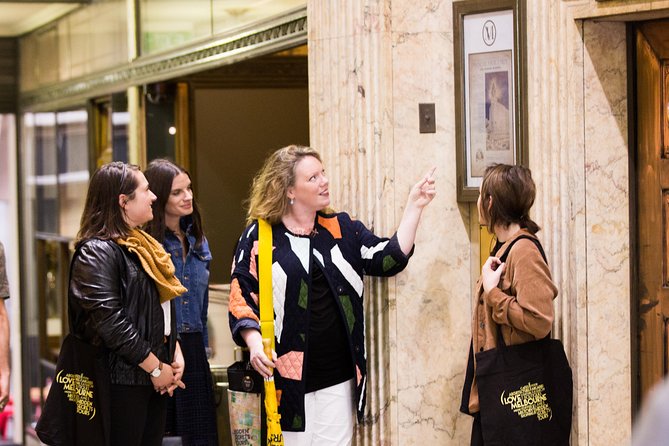
- Royal Arcade: The Old-World Indoor Passage That Changes the Mood
- Degraves Street and the Food-Culture Break You’ll Actually Notice
- Hosier Lane: Colorful Street Art and the City’s Modern Edge
- Why the Route Ends Near Flinders Lane (And How to Use That)
- Guides Make the Difference: How to Choose the Right Expectations
- Price and Value: What You Pay For (and What You Do Get)
- Who This Tour Suits Best (And Who Might Want Something Else)
- Should You Book This Melbourne Lanes and Arcades Walk?
- FAQ
- How long is the Melbourne Lanes and Arcades Walking Tour?
- How many people are in the group?
- What does the $99.70 price include?
- Where do I meet, and where does the tour end?
- Does the tour include coffee and chocolate?
- Is there a morning or afternoon option?
- What if weather is bad or the tour doesn’t meet the minimum number of travelers?
Key Things I’d Bet You’ll Care About
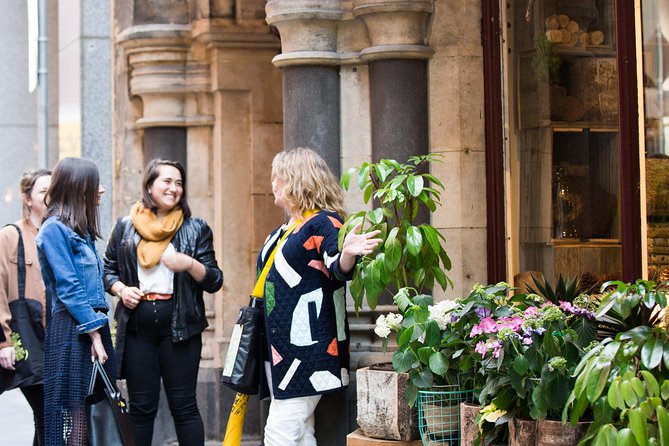
- Max 8 people means you actually get to ask questions and hear the details
- Royal Arcade and Block Arcade give you indoor architecture and designer window-shopping
- Hosier Lane street art adds a modern layer to the walk
- Coffee/tea or hot chocolate plus chocolate tasting builds in a real break
- Ends near Flinders Lane, so you can keep exploring right after
Why Melbourne Lanes and Arcades Feel Different From the Usual Sights
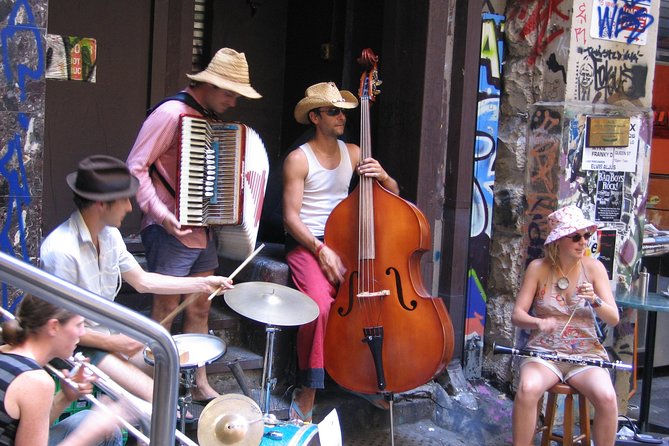
Melbourne’s best “must-sees” aren’t always the big-ticket landmarks. The city runs on side streets, pass-through corridors, and covered shopping streets that feel like they were designed for wandering on purpose.
That is why this tour works. You spend your time where the city changes mood fast: from Federation Square’s urban energy to indoor arcades that feel old-world, then out to the alley walls painted for everyone to see. The guide uses those transitions to explain how the lanes and shopping passages shaped everyday Melbourne life.
If you like cities that reward curiosity, you will like this format. You are not just walking in a straight line; you are learning how to notice small things—architecture details, design culture, and the art that shows up on walls where you least expect it.
You can also read our reviews of more walking tours in Melbourne



Small-Group Walking Style: 8 People, 3 Hours, Real Pace
This is a 3-hour walking tour with a maximum of eight people. That matters more than it sounds. Small groups mean the guide can slow down when someone has a question, and you do not feel like you are being herded through a checklist.
It also means the route feels adjustable in practice. Even if you have to move at a steady walking pace, you are less likely to get separated or stuck behind a slow-moving knot of people. The tour is built for active travelers, so wear comfortable walking shoes and expect to do a solid chunk of city footwork.
One practical thing: the tour ends at Flinders Lane, so you finish in a place with options. When your time is short, that is a quiet advantage—you do not have to backtrack to continue exploring.
Where You Start: Federation Square Meets Fashion and Stories
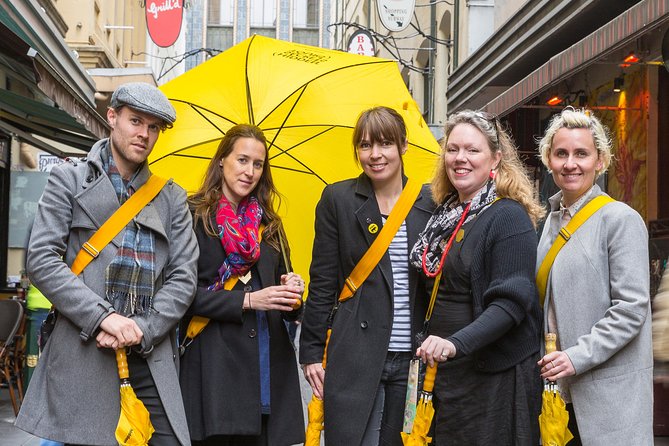
You meet at Time Out Fed Square, 2 Swanston St. From there, the tour starts by framing the theme: Melbourne’s fashion culture and the way the arcades and lanes helped shape style and street life.
This is a smart opening because Federation Square gives you context. It helps you understand why the city’s “hidden” sections are not random—they connect to how people moved, shopped, met, and built community around the center.
You’ll likely also get an early sense of what to watch for as you walk. Past guide-led tours (for example, Liz, Fiona, Jes, and Luisa among others) are often praised for bringing structure to the walk—what each passage meant, why certain buildings matter, and what the street art is doing in the broader Melbourne story.
Block Arcade Browsing: Over 50 Stores Without the Pressure
Next up is the Block Arcade. This is one of those places where you can spend a long time looking at the details and windows, but you are also on a schedule.
The tour gives you time to browse through a collection of shops, boutiques, and galleries—there are more than 50 stores—but it is not designed for a full shopping mission. You should treat it like a guided orientation to Melbourne’s fashion and design scene: look, learn, and notice what is selling and how the arcade itself shapes the shopping experience.
A drawback to expect here: if you want a hands-on shopping binge, you may feel like the stop is more “browse and absorb” than “buy and relax.” The tour is doing a lot in three hours, so time is allocated for seeing and understanding, not for lingering for hours.
Royal Arcade: The Old-World Indoor Passage That Changes the Mood
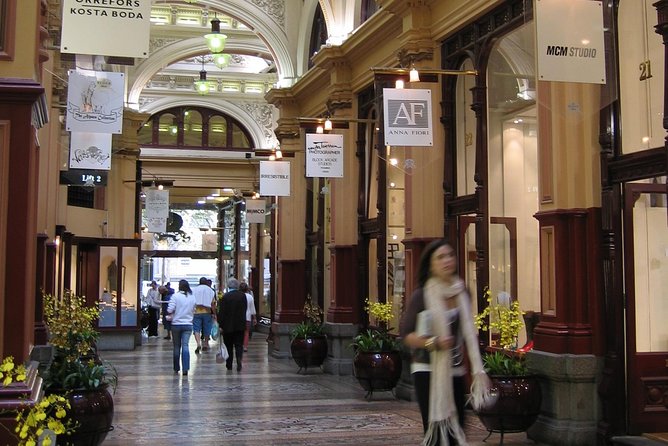
Then you step into the Royal Arcade—a famously elegant indoor avenue. This is where the tour’s contrast really clicks. You go from outdoor lanes and street energy into a polished covered passage that feels almost theatrical, with details that reward slow glances.
This stop is a big reason I think the tour is worth it even if you are not shopping hard. Arcades are basically a city’s indoor weather plan and social space. In Melbourne, they also act like mini-heritage corridors, showing you how commerce, architecture, and public life meet.
If you enjoy architecture that you can walk through—columns, skylight feel, old interior design—this part is for you. If you prefer only street-level experiences, you might still find it useful because it sets the history-and-culture theme before the tour turns more modern.





Degraves Street and the Food-Culture Break You’ll Actually Notice
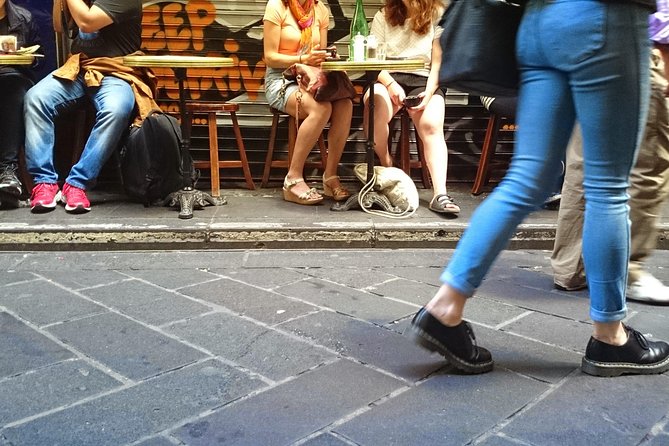
The tour includes a stop in the Degraves Street area, where you get a break tied to Melbourne’s café culture. This is where the tour makes room for you to reset and taste something local.
You get a coffee/tea (or hot chocolate) stop, plus a chocolate tasting. In real terms, this is not just a snack add-on; it changes your energy level for the second half of the walk. It also gives you a bathroom break and a chance to chat with your guide and group, which is one of the quiet perks of small tours.
More than one guide-led experience gets praised for this sweet stop—people talk about the hot chocolate like it is a highlight. So if you have a sweet tooth, factor it into your planning and come ready to enjoy the break.
The only consideration: if you are trying to maximize time in lanes and alleys, you might personally wish you had a little more walking time instead of a café break. That sentiment shows up in at least one critical review. The trade-off is deliberate: it keeps the pace comfortable while still fitting in street art.
Hosier Lane: Colorful Street Art and the City’s Modern Edge
After the arcade and café portion, the tour can include Hosier Lane if time permits. This is one of Melbourne’s best-known spots for street art, and it adds a modern contrast to the more traditional arcade atmosphere.
Hosier Lane is where you see Melbourne’s art scene acting like a public conversation—fast, visual, and open to interpretation. In a short walking tour, it is a strong choice because it gives you instant impact without needing a special-ticket attraction.
Keep your expectations realistic, though. This is still a half-day walking route with a set number of stops. One sharp tip: the most tucked-away laneway moments can happen later in the tour. If you are the type to wander off, you might miss some of the later alley highlights.
Why the Route Ends Near Flinders Lane (And How to Use That)
The tour ends at Flinders Lane, near the start area. That is a practical finish. You are not dropped in the middle of nowhere—you end in a central stretch with food, cafés, and shops.
This matters because it helps you turn the tour into a springboard instead of a stand-alone event. After the walk, you can circle back to the cafés you noticed, or follow lanes you learned how to spot.
I like ending near Flinders Lane because it gives you options for the rest of your day: quick espresso, a sit-down lunch, or more wandering. Melbourne is at its best when you keep moving after you learn what to look for.
Guides Make the Difference: How to Choose the Right Expectations
This tour’s reviews strongly emphasize that the guide is a key ingredient. Names like Fiona, Jes, Dee, Melinda, Fee, Catherine, Liz, Paul, and Luisa show up repeatedly, and the common thread is that the guide brings the lanes and arcades to life with stories that connect architecture, street art, and everyday style culture.
But guides are human, and communication can affect your enjoyment. One critical note mentioned a guide who walked slowly and spoke quietly with an accent, which made it difficult to follow with hearing aids. That is not something you can predict, but it is a reminder to plan for communication needs.
If you rely on clear audio, you might choose a time of day when you expect it to be quieter and request that the guide speak clearly. For accessibility, the tour also asks you to advise them about mobility or access concerns at booking time, since they may not be able to adapt if it’s not known at least 24 hours ahead.
Price and Value: What You Pay For (and What You Do Get)
At $99.70 per person for about three hours, you are paying mainly for a guided, small-group walking experience plus included tastings.
Here is what that price is covering based on the tour info:
- a professional local guide
- a small-group format (max 8)
- chocolate tasting
- a stop for coffee, tea, or hot chocolate
- the walking route and the key sights (arcades and street art areas)
Also, the itinerary lists the major stops as free admission tickets, which helps you avoid extra costs along the way. The tour does not include hotel pickup or food beyond what is specified, so you will likely still want to plan your own meal timing around the tour.
So is it good value? For me, the value comes from the combination: guided context + a format that helps you find places you would miss on your own + included treats that keep the pace from turning into a stressful sprint. If you enjoy learning how cities work, not just where they are, this price starts to feel sensible.
Who This Tour Suits Best (And Who Might Want Something Else)
This tour is a great fit if you:
- love walking through arcades and laneways and want someone to point out what matters
- want a first-day orientation so you understand where to wander next
- enjoy Melbourne café culture enough to want coffee in the middle of your sightseeing
It is less perfect if you:
- hate walking and need a mostly seated or vehicle-based plan
- are only interested in maximum outdoor lane time and would rather skip a café break
- need very strong audio clarity and worry about quiet guidance in a group setting
For most people, the small-group size makes the difference between a good tour and a great one. You get to actually talk, and you leave with a better sense of how the city connects.
Should You Book This Melbourne Lanes and Arcades Walk?
I’d book this tour if you want a focused, three-hour introduction to how Melbourne’s side streets and shopping arcades work. The Royal Arcade stop plus Hosier Lane (when time allows) gives you a satisfying mix of classic and modern, and the included coffee/tea or hot chocolate plus chocolate tasting keeps the experience from feeling like a dry facts-only walk.
Skip it or look closely at fit if your priority is long unbroken lane time over café breaks, or if walking distance is a deal-breaker. If you do book, I’d also plan to stay until the later part of the route—those quieter laneway moments are often where the tour’s payoff shows up most.
If you’re the type who likes to get your bearings fast and then keep exploring on your own, this is a smart first-or-second day choice.
FAQ
How long is the Melbourne Lanes and Arcades Walking Tour?
It runs for about 3 hours.
How many people are in the group?
The tour is limited to a maximum of 8 travelers, in a small-group format.
What does the $99.70 price include?
The price includes a professional local guide, a chocolate tasting, and a stop for coffee, tea, or hot chocolate. It’s also a mobile ticket tour.
Where do I meet, and where does the tour end?
You start at Time Out Fed Square, 2 Swanston St, Melbourne VIC 3000. You end at Flinders Lane, Flinders Ln, Melbourne VIC 3004.
Does the tour include coffee and chocolate?
Yes. You’ll have a stop for coffee, tea, or hot chocolate, and you’ll also enjoy a chocolate tasting.
Is there a morning or afternoon option?
Yes, you can choose either a morning or afternoon tour.
What if weather is bad or the tour doesn’t meet the minimum number of travelers?
The tour requires good weather. If it’s canceled due to poor weather, you’ll be offered a different date or a full refund. The tour also requires a minimum number of travelers, and if it doesn’t meet that, you’ll be offered a different date/experience or a full refund.