REVIEW · MELBOURNE
Great Ocean Road Tour Reverse –SML GRP-DLUX Mini Bus Hotel Pickup
Book on Viator →Operated by TOURS AROUND MELBOURNE · Bookable on Viator
A morning start, then the coast in reverse.
This small-group Great Ocean Road tour focuses on the big hits first, then eases you back toward Melbourne in comfortable mini-bus style instead of wrestling with a huge crowd. You also get a driver-guide who adds stories as you go, which makes the long day feel organized instead of chaotic.
I especially liked the way the route is paced: you get real time at the 12 Apostles and the shipwreck sites like Loch Ard Gorge, not just a quick drive-by. Another win is the practical comfort extras: air-conditioning, bottled water, and USB charging ports help when you’re out from about 6:50am until the early evening. The one drawback is simple: it’s a very long day, and some stops are short when you hit a tight schedule (plus weather can shift plans fast).
In This Review
- Key highlights at a glance
- Why the reverse itinerary beats the usual rush
- Melbourne pickup and the end at Immigration Museum
- Colac morning stop: a calm reset (and food is on you)
- 12 Apostles first: timing, photo angles, and helicopter add-on
- Tom and Eva Lookout to Loch Ard Gorge: shipwreck stories made visible
- Port Campbell National Park drive-by wonders and the rock-run theme
- Melba Gully rainforest time: walking shoes pay off
- Apollo Bay lunch break: enough time to eat and reset
- Great Ocean Road viewpoints and Kennett River wildlife
- Memorial Arch to Anglesea: the road’s start point and your final coastal stops
- Tour comfort, guide style, and the small-group advantage
- Price and value: is $89.66 a fair deal?
- When this tour might not fit your plans
- Should you book this reverse Great Ocean Road tour?
- FAQ
- FAQ
- What time does the tour start?
- How long is the Great Ocean Road tour?
- Where is the meeting point, and how do I get picked up?
- Where does the tour end?
- Is lunch included?
- Are national park entry fees included?
- Can I add a helicopter ride at the 12 Apostles?
- What happens if weather is poor or I need to cancel?
Key highlights at a glance
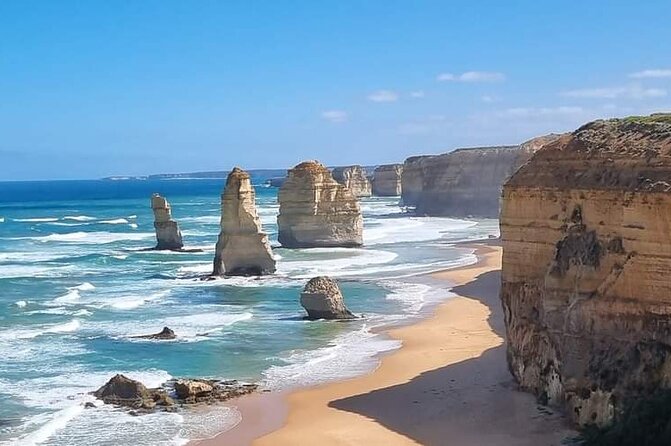
- Reverse itinerary to start with the 12 Apostles
- Hotel pickup in Melbourne CBD and Southbank with a max of 22 travelers
- Time for the shipwreck story stops at Tom and Eva Lookout and Loch Ard Gorge
- Rainforest break in the Melba Gully area with a footwear tip
- Wildlife stop at Kennett River for koalas and kangaroos
- Optional helicopter ride at the 12 Apostles for an extra charge
Why the reverse itinerary beats the usual rush
The big concept here is that you do the Great Ocean Road in reverse. That means you reach the 12 Apostles earlier, when the light can be nicer and the viewing areas tend to feel less packed. The rest of the day then becomes a scenic return ride back toward Melbourne, with the coast views rolling by as you move along.
It also helps with energy. A lot of day tours out of Melbourne feel like a grind: bus, crowd, photo, repeat. This one spreads the emotion out by front-loading the headline scenery, then continuing through the lesser-known rock formations and shipwreck lookouts at a steadier pace.
One small tip that comes up often: because it’s reverse, the ocean view on the way back can land on a specific side of the bus. If you’re picky about photos, it can be worth asking where the best ocean-facing side usually sits before you leave.
You can also read our reviews of more tours and experiences in Melbourne.

Melbourne pickup and the end at Immigration Museum

You start in the Melbourne area with pickup offered for hotels in Melbourne CBD and Southbank. Your exact pickup time gets confirmed the day before, and the tour starts around 6:50am, which is early but workable if you want daylight for the coast.
The meeting point listed is 400 Flinders St, Melbourne. That matters if your hotel is outside the easy pickup area or if you want a straightforward meeting spot. At the end of the day, you finish near Immigration Museum back in Melbourne, where you can connect to public transport options without hunting down a rideshare at the last minute.
The end timing also helps you avoid the late-day fatigue trap. You’re not stuck driving yourself back after a full day on the road. You exit the tour and then choose your own rhythm from there.
Colac morning stop: a calm reset (and food is on you)
Early in the schedule you’ll make a stop in Colac, a country town in Victoria’s dairy region. This is a break point for a stretch and a chance to grab morning tea or breakfast, but it’s own expense.
I like this part of the day because it breaks up the first bus hours without turning it into a rushed shopping stop. It’s also a good moment to top off snacks and water for later, since not every stop includes a meal.
If you’re the type who hates paying for breakfast twice, plan ahead. Eat before pickup if you can, then treat Colac as a backup rather than a main meal plan.
12 Apostles first: timing, photo angles, and helicopter add-on

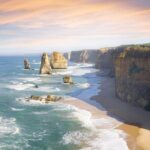
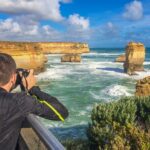
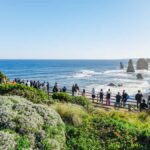
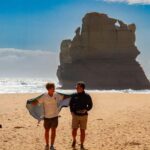
The 12 Apostles stop is the heart of the day. You’ll get about 45 minutes here, plus the included chance to walk viewpoints and take in the sea stacks from multiple angles. The rocks are described as being roughly 20 million years old, and the setting feels dramatic even on a gray day.
One detail I’d plan around: it can be breezy, and weather swings happen on this coast. If it’s a hot day, you may see more flies than you want near any snack area or lookout. Come ready with sunglasses, a cap, and a light layer.
There’s also an optional helicopter ride at the 12 Apostles for an extra charge. If you’re deciding whether it’s worth it, know this: you’re already getting excellent ground views in the time allotted. A helicopter adds a very different perspective, but it comes with additional cost and depends on operating conditions.
If you care about photos, go a few minutes early inside your allotted time. Get your must-have shots first, then slow down and take a second pass.
Tom and Eva Lookout to Loch Ard Gorge: shipwreck stories made visible

After the Apostles, you shift to the shipwreck narrative along the coast. The first major story stop is Tom and Eva Lookout, named after Tom Pearce and Eva Carmichael, the two survivors linked to the 1878 wreck described in the tour notes. You’ll have about 20 minutes here, which is long enough to read the context, photograph the dramatic shoreline, and still keep the day moving.
Next comes The Razorback. This one is a coastal rock formation with sharp edges and the kind of erosion you can almost feel from the way it breaks against the wind. You get around 25 minutes, and it’s a good stop for wide-angle shots where the sea and the rock shapes both matter.
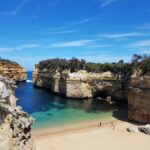
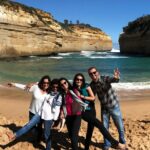
Then you reach Loch Ard Gorge, with about 30 minutes. This is another key viewpoint tied to the shipwreck disaster on the coast, and the tour notes also mention it appeared in an 1982 pirate film. Even if you don’t care about movies, it’s a memorable place because the geography looks like a scene set for a story: steep rock walls, a broken coastline, and a feeling of how powerful the ocean really is.
One practical note: treat this stretch like a walking photo route. You can’t park yourself for an hour in one spot, so keep your camera ready and your timing tight.

Port Campbell National Park drive-by wonders and the rock-run theme
Between stops, you’ll drive through parts of Port Campbell National Park. This works well because it keeps the energy up between longer walks. You get that sense that the coast changes every few minutes, without the bus turning into dead time.
What I like about this portion of the day is the rock-run theme. You’re not bouncing randomly between unrelated places. You’re seeing how the ocean sculpts cliffs and sea stacks, then stepping into the story-rich lookouts that explain what happened when ships met these waters.
If you’re prone to motion sickness, this is where a smaller bus can help, since you’re not stuck in a wide row of people staring at the same direction for hours. Still, bring ginger gum or whatever usually works for you. Coastal roads mean curves, and curves mean you should plan for comfort.
Melba Gully rainforest time: walking shoes pay off

The tour includes a rainforest stop at Melba Gully National Park, with about 25 minutes. The notes highlight it as one of the wettest spots in Victoria, with plant life like myrtle beech, blackwood, and tree-ferns. This is a break from the coastal wind, and it also adds variety to the day so you’re not only chasing cliffs and sea stacks.
It’s smart to take the footwear advice seriously. Even if you don’t expect a heavy walk, the ground can be uneven, and rainforest stops are rarely just a flat viewing platform. Bring walking shoes you’re comfortable getting slightly wet in.
Also, rainforest conditions can affect what you see. If it’s chilly or misty, you’ll appreciate the shade and damp air more. If it’s hot, you might wish you’d brought a layer, because rainforest temps and coastal temps can feel different fast.
If you’re traveling with kids or anyone who gets bored easily, this is one of the best breathing breaks of the day because the environment feels fresh and different.
Apollo Bay lunch break: enough time to eat and reset
You’ll stop in Apollo Bay for lunch, with about 40 minutes. Lunch isn’t included, but the notes are clear: Apollo Bay cafes and restaurants are worth the holiday on their own, so you can choose something that fits your budget and appetite.
I like this kind of lunch break because you can match it to your preferences. If you want something quick, grab it and keep your energy for the later wildlife stop. If you want to sit and regroup, you’ll still have time to do that without missing the next drive.
One caution: 40 minutes is not a full sit-down lunch. It’s long enough to eat well, but short enough that you shouldn’t count on a leisurely two-course meal. Plan for ordering speed, especially if it’s busy.
Great Ocean Road viewpoints and Kennett River wildlife
After lunch, you get back into scenic mode with a short Great Ocean Road viewpoint stop, then continue toward Kennett River. At Kennett River you’ll have about 20 minutes and the chance to see iconic Australian animals such as koalas and kangaroos.
This is a wildlife moment, not a zoo visit. So your viewing depends on the day’s conditions and animal behavior. Still, Kennett River is built for spotting, and having a dedicated stop is a big win compared to tours that only mention wildlife and never set aside time for it.
If you’ve come for photos, treat Kennett River like a timed opportunity. Get set up, watch, and be ready to move a little when something appears. The tour’s structure keeps you from missing the moment while also preventing a long delay that could cut into later stops.
Memorial Arch to Anglesea: the road’s start point and your final coastal stops
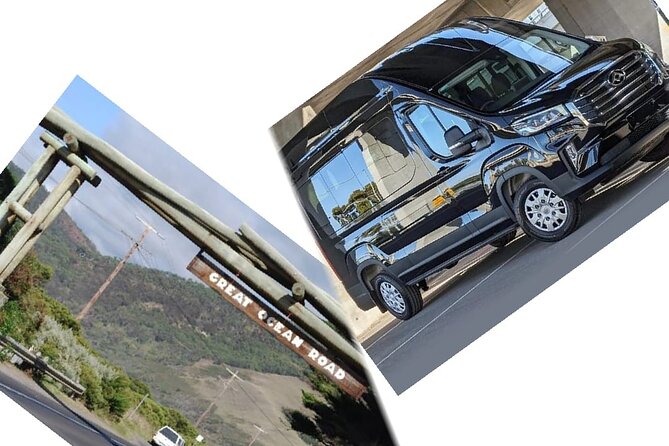
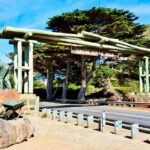
Near the end of the tour, you stop at the Memorial Arch at Eastern View. This is described as a popular place because it marks the start of the Great Ocean Road, and you’ll get about 15 minutes for photos with the arch and statue area.
Then you continue to Anglesea, where the tour finishes for the day’s final stretch, with about 20 minutes. Anglesea is a town on the Great Ocean Road, and the timing gives you a last chance for coastal air before you head back into Melbourne.
This part of the day can feel slightly less intense than the Apostles area, but it’s still worth paying attention. It’s where you connect the “wow stops” to the actual road itself, and it gives you closure: you can look back at everything you just saw and understand where it fits on the route.
Tour comfort, guide style, and the small-group advantage
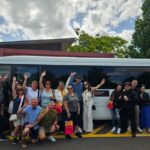
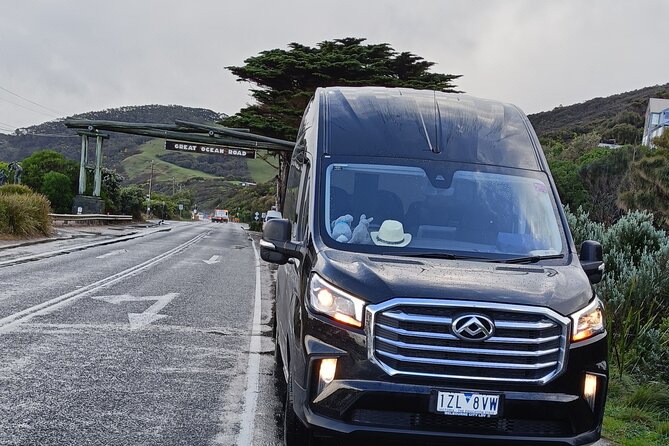
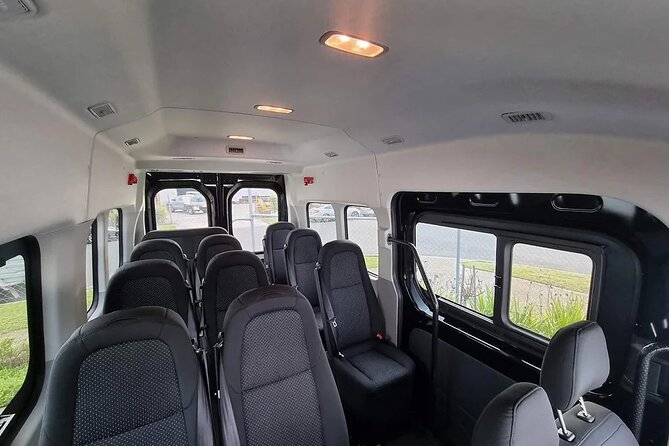
This trip runs with a maximum of 22 travelers and uses a luxury, air-conditioned mini premium coach. That size matters. You’re not lost in a crowd, and the group can move together without the endless waiting that comes with huge buses.
The included USB charging ports and bottled water are small touches that add up on a long day. You’ll take a lot of photos, and your phone battery will drain faster than you expect once you’re out in wind and sun using maps and camera apps.
The driver-guide can make the day feel personal. Some names you may see associated with this tour include Steve, Bill, and Jay, all described as friendly, funny, and strong on local stories. Even when you’re not chasing wildlife, those stories add a layer of meaning to the coastline, the shipwreck stops, and why the Great Ocean Road became such a major draw.
Price and value: is $89.66 a fair deal?
At $89.66 per person, this tour sits in a price range that can feel like a steal when you look at what’s included. You’re paying for hotel pickup, a driver-guide, an air-conditioned mini-bus, bottled water, USB charging, and all national park entry fees.
The route also has a “value by timing” element: the reverse itinerary aims to give you more quality time at each stop. When you’re out all day, time at the viewpoints is part of the cost. If you compare this to tours that rush through the Apostles and the shipwreck areas, the included stop durations are the real difference.
Food is not included, and you do have to budget for breakfast in Colac and lunch in Apollo Bay. But those meals are flexible, and you can pick what suits your tastes and diet. For me, that trade-off feels fair: pay for the scenery and transport, then choose your own meal style.
When this tour might not fit your plans
This is a long day. If you dislike early starts, or if your group needs frequent breaks that aren’t built into a fixed schedule, you might feel stretched out by the time. It’s also worth noting that animals are not guaranteed, and the wildlife viewing can vary with weather and temperature.
If you’re traveling with kids, you’ll want to judge maturity and patience. The schedule is packed with photo and viewpoint moments. It can feel smooth with the right guide, but it still stays a long, structured bus day.
Weather also matters. The experience requires good weather, and if conditions are poor it can be rescheduled or refunded. If you’re visiting Melbourne and you only have one day to spare, keep your expectations flexible.
Should you book this reverse Great Ocean Road tour?
I’d book it if you want a straightforward way to see the 12 Apostles, Loch Ard Gorge, and the rest of the coast without driving yourself. The reverse itinerary is the main selling point, because it aims to give you the best-known scenery earlier and then lets you enjoy the return ride.
I’d also book it if you like small-group touring. A max of 22 travelers plus hotel pickup makes the day feel easy. Add in the rainforest stop at Melba Gully and the wildlife chance at Kennett River, and you get more variety than a pure cliff-only day.
You might skip it if you’re trying to do the coast at a relaxed pace over multiple days, or if you really hate early mornings and long sitting time. For one big Great Ocean Road day, though, this setup is hard to beat.
FAQ
FAQ
What time does the tour start?
The tour starts at 6:50am.
How long is the Great Ocean Road tour?
The duration is listed as about 12 hours.
Where is the meeting point, and how do I get picked up?
Hotel pickup is offered for Melbourne CBD and Southbank hotels. The tour also lists a meeting point at 400 Flinders St, Melbourne VIC 3000. Pickup time is confirmed the day before the tour and you’ll be messaged for specific hotel details.
Where does the tour end?
The tour ends at 400 Flinders St, Melbourne VIC 3000. It also mentions ending near the Immigration Museum, with free trams, trains, or a cruise option back to your hotel.
Is lunch included?
Lunch is not included. You’ll have a lunch stop in Apollo Bay with about 40 minutes of time, and meals are on your own.
Are national park entry fees included?
Yes. National park entry fees are included, along with bottled water.
Can I add a helicopter ride at the 12 Apostles?
Yes. A helicopter ride at the 12 Apostles is offered as an optional add-on with an extra charge.
What happens if weather is poor or I need to cancel?
This experience requires good weather. If it’s canceled due to poor weather, you’ll be offered a different date or a full refund. You can cancel for free up to 24 hours in advance for a full refund.