REVIEW · MELBOURNE
Icons of Melbourne Walking Tour
Book on GetYourGuide →Operated by Fit City Tours · Bookable on GetYourGuide
Melbourne can look random at street level. This tour puts the pieces together: State Library Victoria sets the tone with colonial-era grandeur, then you move into laneways where stories, art, and modern Melbourne culture overlap. My favorite part is how the guide, Rhonda, makes the city feel personal through tight storytelling, not just stop-and-point facts. I also like the mix of architecture and street life, especially the coffee and café or bar stop where you learn why Melbourne became a benchmark for great coffee.
One consideration: it’s a 2-hour walking route with no bag storage, so you’ll want comfortable shoes and travel light.
In This Review
- Key things that make this tour worth your time
- A 2-hour route that helps Melbourne click
- Starting at State Library Victoria: the dome that anchors the whole walk
- Churches, Collins Street, and the people behind the landmarks
- A quick practical note
- Laneways and street art: where Melbourne speaks in colors
- The coffee and café or bar stop: culture, not just a break
- Federation Square: a strong finish and a good place to plan next
- Getting your money’s worth for $68
- Who should book, and who might not love it
- Tips to enjoy the walk without stress
- Should you book Icons of Melbourne Walking Tour?
- FAQ
- How long is the Icons of Melbourne Walking Tour?
- How much does the tour cost?
- Where does the tour start and end?
- Which train stations are closest?
- Is the tour wheelchair accessible?
- What language is the tour guided in?
- Does the tour include a café or bar stop?
- Are photos included?
- Is there storage for bags?
- FAQ
- Is the tour rain or shine?
- Can I cancel and get a full refund?
- Is there a small group limit?
- Can I reserve now and pay later?
Key things that make this tour worth your time
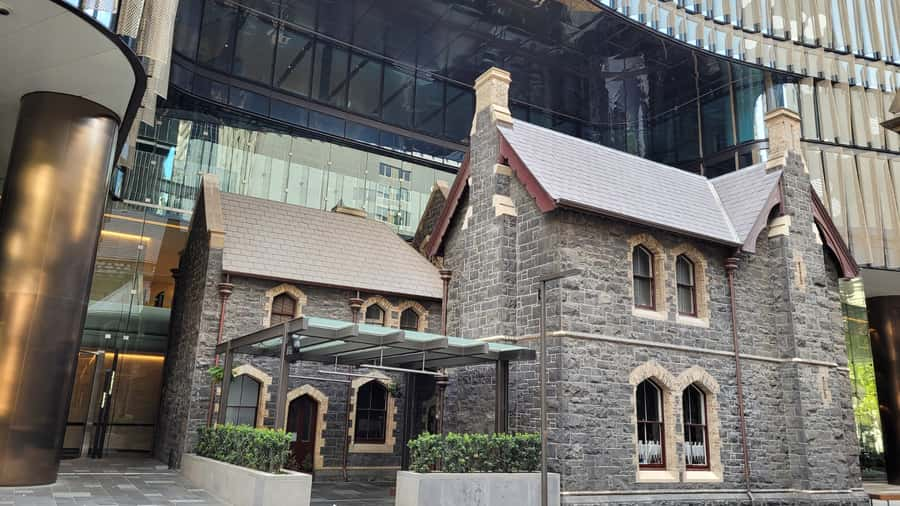
- State Library Victoria as the launchpad, with the gold-rush context that explains early growth
- Church stories in the mix, including St Francis’ Church and how communities shaped them
- Laneway street art stops in areas like Hosier Lane and ACDC Lane, with meaning behind the walls
- A café or hidden bar break tied to Melbourne’s coffee evolution, from migration to third-wave roasting
- Influential Melburnians coverage, from activists and artists to everyday heroes who left a mark
- Federation Square as a strong finish point for your next plan (and you’ll get insider tips)
A 2-hour route that helps Melbourne click
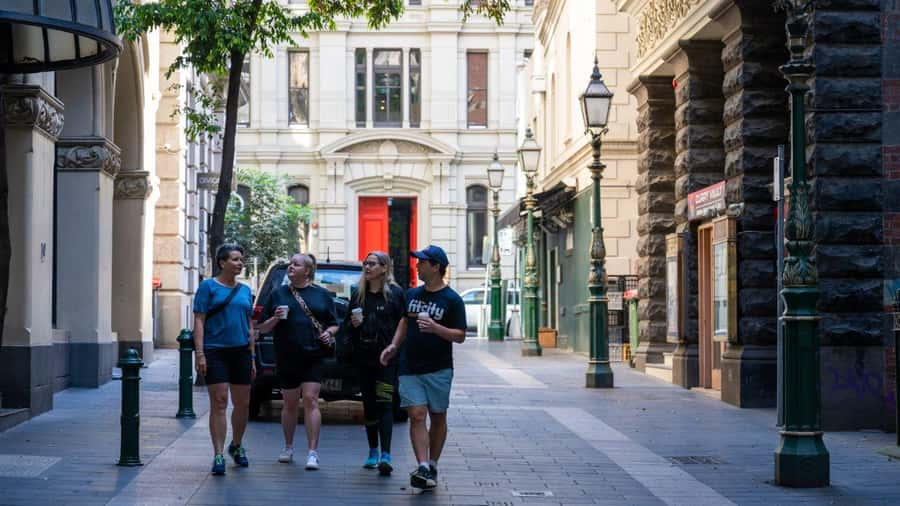
Melbourne is famous for style, coffee, and art. But on your own, you can end up with a bunch of pretty sights that never connect. This tour works because it moves through the city the way Melbourne people talk about it: by linking buildings to the people who built them, and linking the street art to the communities that needed a voice.
You’re walking for about two hours, and the pacing feels designed for learning without feeling trapped. The group is limited to 10 participants, which matters more than you’d think. With a small group, you get better answers, not just a lecture while everyone stares at the ground.
The other big win is that the tour doesn’t treat food as an afterthought. It treats it as culture. That’s why the coffee stop lands with context, not just caffeine.
You can also read our reviews of more walking tours in Melbourne


Starting at State Library Victoria: the dome that anchors the whole walk

You kick things off at State Library Victoria, meeting near the steps on Swanston Street. Even if you’ve passed it before, it’s the kind of place that resets your sense of the city. That dome isn’t just decoration. It signals civic ambition—Melbourne wanted to be more than a rough outpost.
From there, the guide ties early city development to what you see around you. You get the founding story and the early years, including how the gold rush brought prosperity and diversity to a settlement that was once much smaller than people imagine today.
Here’s why this opening matters for your whole day: the library helps you read Melbourne’s contradictions. You see old public grandeur, then you turn a corner and hit the laneway creativity. Without that early context, it can feel like Melbourne is simply changing themes. With it, you understand Melbourne as a place that keeps reinventing itself.
Churches, Collins Street, and the people behind the landmarks
After the library, the tour threads through areas where history is still written into the street plan. You’ll pass iconic churches—one highlighted stop is St Francis’ Church, described as the oldest Catholic church in Victoria. You’re not just ticking off architecture. You’re hearing how communities organized, built, and stayed connected through institutions like these.
That theme continues with what the guide calls out about influential Melburnians: activists, artists, entrepreneurs, and everyday heroes. The goal is simple. You should be able to look at a building or a street and say, I know why this matters.
You also get the contrast between different parts of central Melbourne. Collins Street’s “Paris End” gets attention as a reminder that Melbourne has long had different social zones—style, money, and prestige mixed into a city that also grew from migration and ambition. Then you shift toward Swanston Street, where music, protest, and pop culture show up as recurring patterns. Melbourne isn’t only one mood. It’s a collage.
A quick practical note
You’ll be walking through an active central-city area. If you’re the type who likes to stop and take photos constantly, you may want to keep an eye on the group so you don’t get left behind during the story parts.
Laneways and street art: where Melbourne speaks in colors
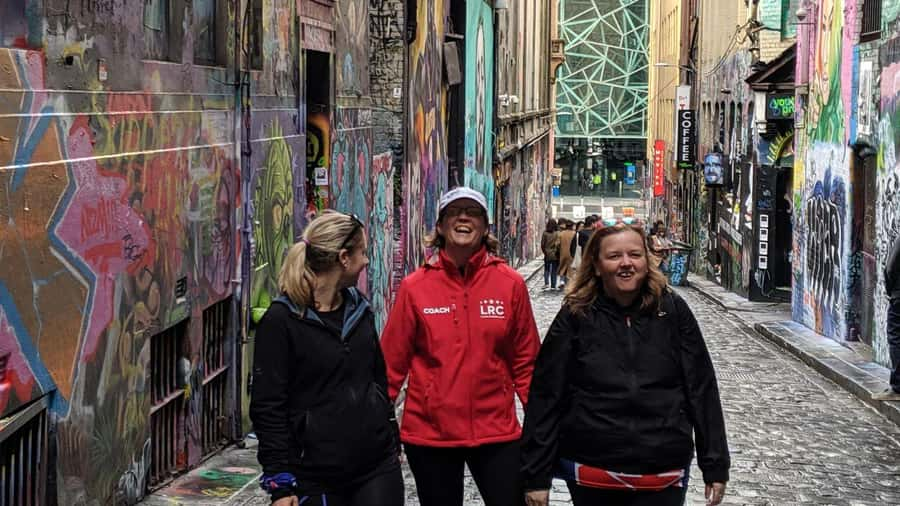
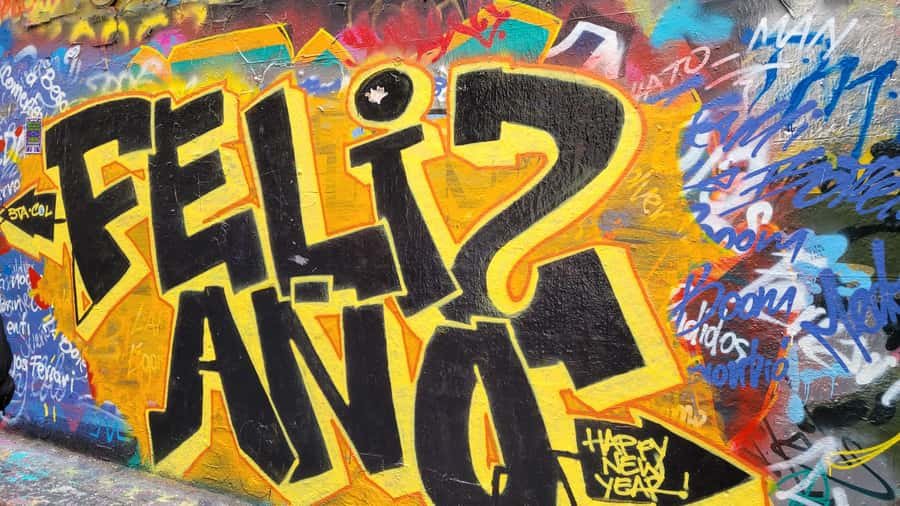
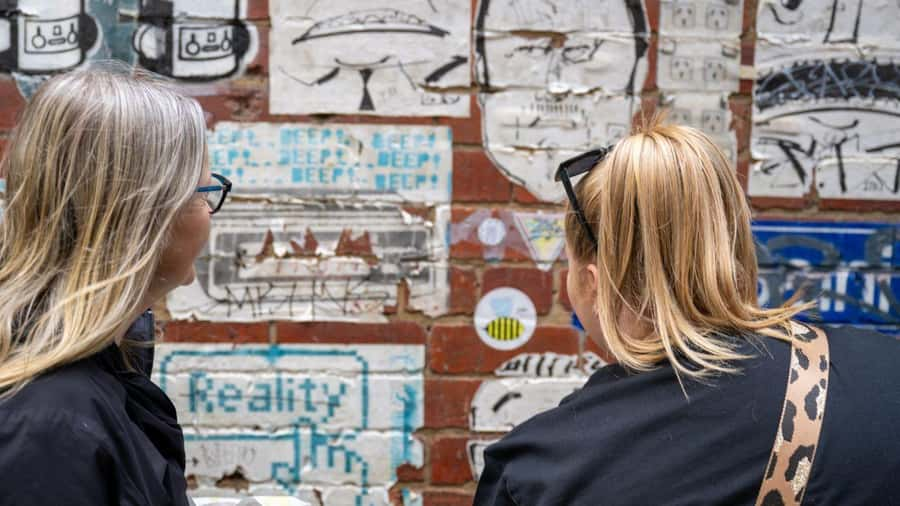
This is where the tour starts to feel fun-fast. You’ll spend time in laneways and arcades, with a focus on street art in places such as Hosier Lane and ACDC Lane. These areas are famous for visual style, but the tour adds what you usually miss: the context.
Instead of treating graffiti as random decoration, the guide explains it as commentary and community expression. That’s the key word here: expression. Melbourne’s street art is tied to ongoing conversations about identity, politics, and who gets to be seen in public space.
And yes, you’ll notice the quality changes by block. Some walls are bold and graphic. Others feel like careful design. When you understand the why, you start to look longer—and you get more out of it than a quick snapshot.
One of the smartest choices in this tour is that it uses street art as a bridge between old and new. You’re moving from colonial-era civic buildings to contemporary social statements. That mix is basically the city’s signature.


The coffee and café or bar stop: culture, not just a break
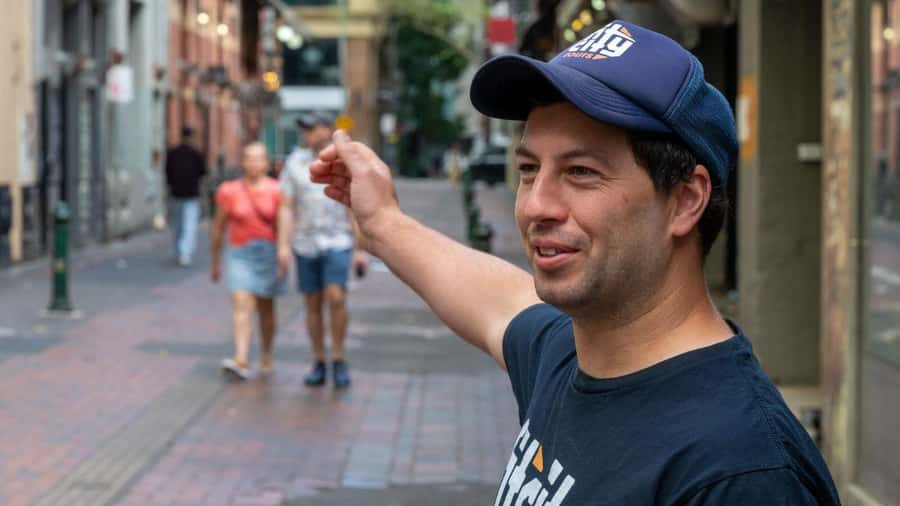
Most walking tours give you time to eat. This one uses food and coffee as teaching material.
You’ll stop at a local café or hidden bar and learn why Melbourne became a coffee capital. The story connects post-war migration to the rise of café culture, then points toward third-wave roasting and a more craft-driven approach to coffee. It’s not about memorizing dates. It’s about understanding why the city treats coffee like a daily ritual, not a quick fix.
This is also where the tour’s practical side shows up. You’ll get insider tips on where to explore, eat, and drink after the tour. That matters because it turns your walking experience into something you can use right away. You’re not just learning facts—you’re getting next-step suggestions.
If coffee is one of your travel priorities, I’d treat this stop as a highlight, not a filler. It’s one of the rare tour components where the cultural lesson is directly connected to something you can do and taste.
Federation Square: a strong finish and a good place to plan next
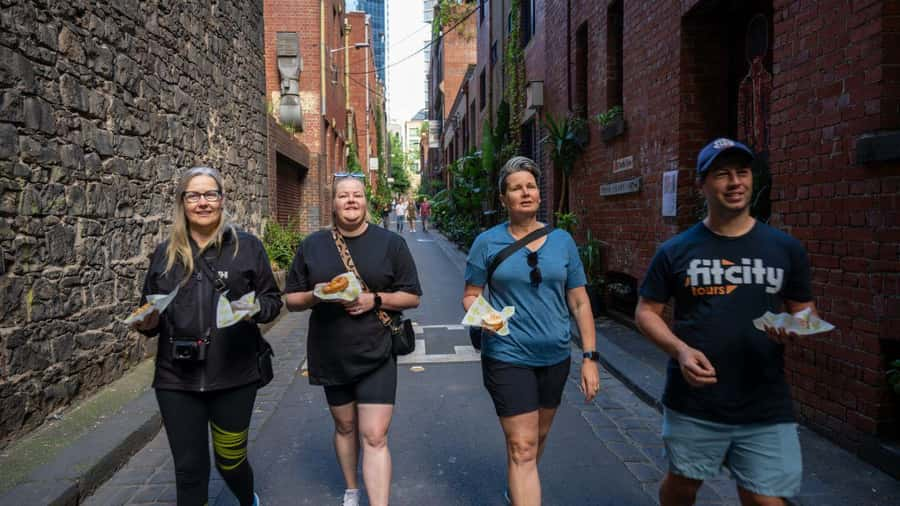
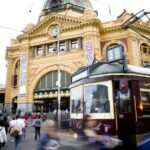
Your route ends at Federation Square, at the corner of Swanston and Flinders Streets. This is a smart landing point because it’s central and easy to connect from—so you can turn the tour into a full afternoon without fighting transport.
More importantly, Federation Square represents the “now” side of Melbourne. The tour goes from the colonial past and historic churches to contemporary art spaces and café culture, and then hands you off at a modern public precinct. It’s the full circle feeling Melbourne does so well: old and new on the same day.
By the time you reach Federation Square, you’ll have a clearer map in your head. That makes your self-guided time better, even if you do nothing more than wander into the nearest laneway.
Getting your money’s worth for $68
At $68 per person for a two-hour tour, the price looks straightforward. But value isn’t only about time. It’s what you get layered onto that time.
Here’s the practical value I’d point to:
- You’re getting a knowledgeable guide who doesn’t just point at buildings. You’re hearing how the city’s people and movements shaped what stands today.
- You get photos taken during the tour. That’s useful if your phone battery is already making questionable choices. (Also, it’s a nice convenience when your group photos usually look like headshots.)
- You get insider tips on where to go after. If you’re short on time, those recommendations can save you from trial-and-error.
The small-group size also plays into value. With up to 10 participants, you’re less likely to feel like a body in a crowd, and more likely to actually ask questions or adjust your interests on the fly.
Would I pay $68 for a generic sightseeing walk? No. But I would pay it for a route designed to connect architecture, street life, and coffee culture in a way you can carry with you after you leave.
Who should book, and who might not love it
This tour is a good fit if you:
- want a first-time-or-short-stay overview that feels specific, not generic
- like your walking tours with stories attached to real places
- care about street art plus context, not just seeing famous walls
- love coffee culture and want a reason behind Melbourne’s reputation
It might be less ideal if you:
- hate walking for stretches in central Melbourne streets
- need lots of breaks (the tour is two hours, and the route is continuous)
- plan to carry heavy bags, since there’s no storage facilities
If you’re the type who prefers to read every plaque alone, a solo museum day could suit you better. But if you want Melbourne to feel like a narrative you can follow, this one does the job.
Tips to enjoy the walk without stress
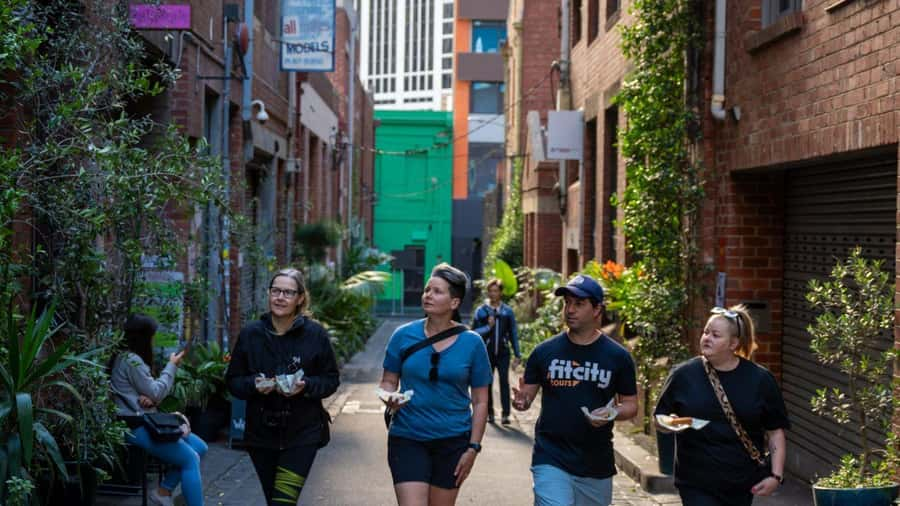
A few small things can make a huge difference on a city-walk tour like this.
- Wear comfortable shoes. You’re on foot for about two hours.
- Bring a water bottle. Refill stations are available along the route.
- Dress for weather. The tour operates rain or shine, so plan for sun or showers without freezing or cooking.
- Travel light. There’s no storage for bags, so think purse or daypack only.
- If you have mobility needs, good news: the tour is wheelchair accessible. If you have specific needs, it’s smart to contact the provider in advance so they can discuss how they can accommodate you.
Also, since the tour includes stops and photo moments, keep your phone charged enough to enjoy the rest of your day too. You’ll likely want to compare your own photos with the ones the tour takes.
Should you book Icons of Melbourne Walking Tour?
If you want a Melbourne experience that goes beyond landmarks, I’d book it. The standout strength is the way the tour mixes State Library Victoria, churches, laneway street art, and a coffee-culture stop into one coherent story. Plus, the guide quality is a major part of why the tour lands so well, with Rhonda praised for being friendly, engaging, and genuinely into the city.
Choose this tour if you want to leave with a better sense of how Melbourne grew, who shaped it, and where to go next. Skip it only if you prefer to wander entirely on your own with zero structure.
FAQ
How long is the Icons of Melbourne Walking Tour?
The tour lasts 2 hours.
How much does the tour cost?
The price is $68 per person.
Where does the tour start and end?
It starts at State Library Victoria, meeting near the steps on Swanston Street. It ends at Federation Square, at the corner of Swanston & Flinders Streets.
Which train stations are closest?
The nearest stations are Melbourne Central for the start and Flinders Street for the finish.
Is the tour wheelchair accessible?
Yes, the tour is wheelchair accessible.
What language is the tour guided in?
The live guide speaks English.
Does the tour include a café or bar stop?
Yes. The experience includes a stop at a local café or hidden bar as part of the tour.
Are photos included?
Yes. You get access to photos taken during the tour.
Is there storage for bags?
No. There are no storage facilities for bags, so plan accordingly.
FAQ
Is the tour rain or shine?
Yes, the tour operates rain or shine.
Can I cancel and get a full refund?
You can cancel up to 24 hours in advance for a full refund.
Is there a small group limit?
Yes. The group is limited to 10 participants.
Can I reserve now and pay later?
Yes. The option is reserve now & pay later, meaning you can book and pay nothing today.