REVIEW · MELBOURNE
Ultimate Melbourne Walking Tour: History, Laneways & Culture
Book on Viator →Operated by Depot Australia · Bookable on Viator
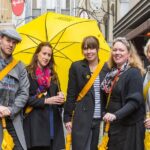
Laneways and history roll together fast. On this small-group walk, you glide past street art and big-name architecture without the hassle of parking, while your guide stitches it all into stories you won’t find in a quick guidebook scan.
I also love the practical extras: a complimentary Melbourne coffee during the tour, plus a beer, wine, cider, or soft drink to finish. You’ll leave with a free map and guided recommendations that help you plan the rest of your Melbourne days.
One thing to consider: this is still a 3-hour walking outing. If you drift away from the guide, you may miss some of the best commentary.
In This Review
- Key highlights worth circling
- Where the tour starts: Spring Street to a Gordon Reserve meet-up
- Gordon Reserve, Old Treasury, and Collins Street: colonial power on display
- Melbourne laneways and street art: Duckboard Place, AC/DC Lane, and maybe Hosier Lane
- Federation Square, the MCG, and Flinders Street Station: modern culture plus sport-and-transport icons
- Degraves Street and The Block Arcade: coffee, old-school shopping, and a softer side
- AC/DC Lane to Royal Arcade: rock-and-roll murals and Australia’s oldest arcade
- Bourke Street Mall and State Library Victoria: shopping energy and the Ned Kelly thread
- Yarra River stroll and Old Melbourne Gaol: a calmer walk, then a hard chapter
- Chinatown to Captain Melville: where the walk ends with food culture and a toast
- Price and value: why $92.52 can make sense for a first-timer
- Who should book this walking tour (and when to take it)
- Should you book the Ultimate Melbourne Walking Tour
- FAQ
- How long is the Melbourne walking tour, and when does it start?
- Where do I meet the guide, and where does the tour end?
- What is included for drinks and coffee?
- Does the tour include Melbourne laneways and Hosier Lane?
- How large is the group?
- Can I get a full refund if I cancel?
Key highlights worth circling
- Max 12 travelers keeps the vibe friendly and the pace manageable on foot
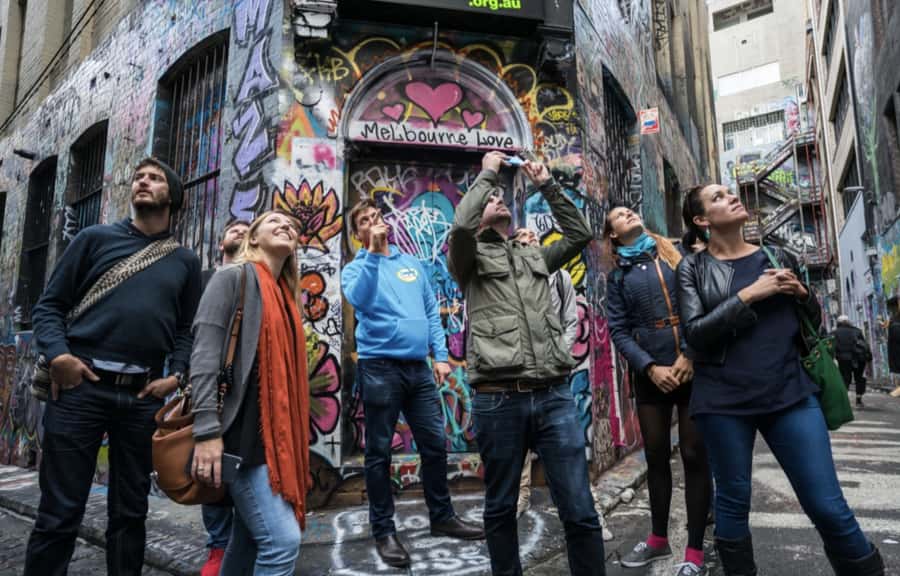
- Laneway street art stops like Duckboard Place and AC/DC Lane (and Hosier Lane on some days)
- Coffee plus a drink makes the tour feel like more than sightseeing
- Classic Melbourne landmarks such as Flinders Street Station and Federation Square
- Local recommendations via a free map so you can keep exploring after the last stop
Where the tour starts: Spring Street to a Gordon Reserve meet-up
The tour begins at 108 Spring St, East Melbourne, and it all lines up around a key landmark: Gordon Reserve, right opposite the historic Hotel Windsor. The meeting point is easy to spot, and it helps that the group stays together early—this is one of those walks where sticking close pays off later, especially when the guide is telling detail-heavy stories.
You start at 11:00 am, which is a smart time for a walking tour. The mornings usually feel calmer for taking photos, and it’s not as hot during the middle of the day. Plus, you’ll be walking through mostly outdoor viewpoints, arcades, and laneways—so good shoes matter.
The group is small (maximum 12 travelers), and that’s a big part of the value. You’re not elbowing through crowds or waiting for a bus to start moving. Instead, you get that street-level, on-the-ground pace where Melbourne’s layout actually makes sense.
You can also read our reviews of more walking tours in Melbourne


Gordon Reserve, Old Treasury, and Collins Street: colonial power on display
The first stretch sets the tone with architecture and civic pride. At Gordon Reserve, you get distant views toward the seat of Victorian state government—those colonial-era buildings that help explain why Melbourne grew so quickly.
Then comes the Old Treasury Building, tied to the Gold Rush era. The tour frames this as the kind of money-and-momentum that helped make Melbourne one of the world’s richest cities. Even if you’re not an architecture person, it’s a useful way to understand the city’s “how we got here” story. Melbourne didn’t just become fashionable and modern on accident—its wealth and ambition shaped the streets you see today.
From there, you pass through Collins Street, Melbourne’s premium shopping and financial district with historic buildings. This stop is short, but it’s a good orientation moment. You’ll start recognizing which streets are “prestige” corridors and which ones reveal the city’s mood—right away, you’ll feel the difference between the formal boulevard vibe and the chaos of the laneways.
Melbourne laneways and street art: Duckboard Place, AC/DC Lane, and maybe Hosier Lane

This is where the tour turns from sightseeing into a real sensory Melbourne experience. You’ll spend time at Duckboard Place and AC/DC Lane, two well-known laneway spaces where the street art changes over time. The tour emphasizes murals and graffiti by local and international artists, so you’re not just looking at one single piece—you’re seeing how the city keeps rewriting its own walls.
One important note: depending on the day, the route may include Hosier Lane too. That flexibility is a bonus. Street art can shift fast, and having the option to add Hosier Lane makes the experience feel less like a rigid script.
What I like about this part of the walk is how the guide helps you read the space. Laneways can feel random if you’re wandering on your own, but on this tour, the stops are placed in a way that teaches you what to notice. You’ll come away with a better sense of which lanes are for art, which ones are for coffee and quick bites, and which ones are for finding that slightly secret feeling that Melbourne does so well.
Federation Square, the MCG, and Flinders Street Station: modern culture plus sport-and-transport icons
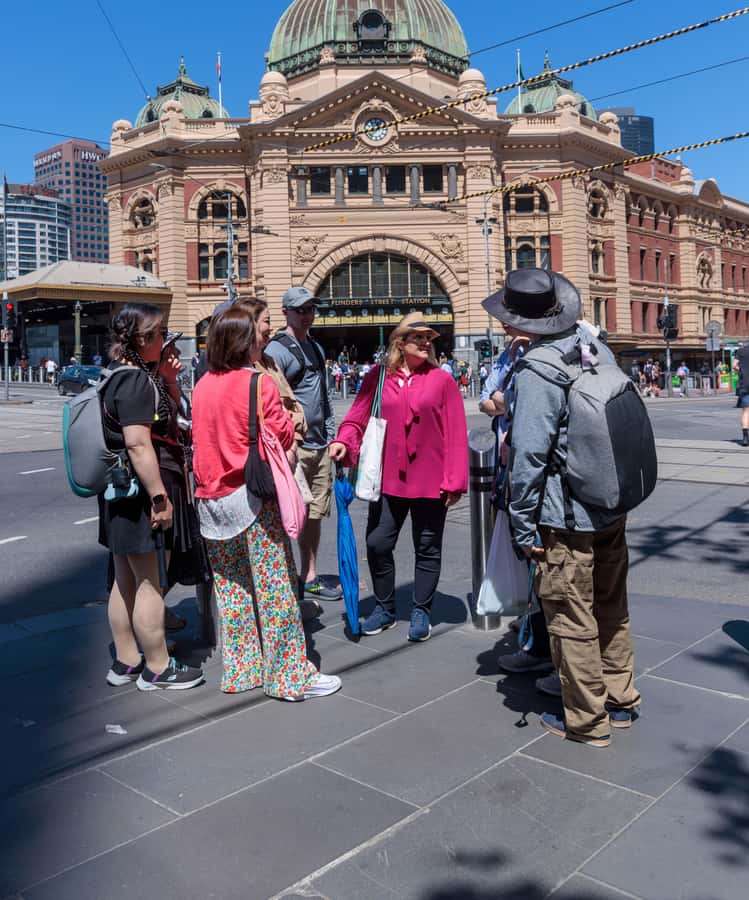
Next up is Federation Square, Melbourne’s main cultural square and a recognizable slice of modern architecture. It’s a good contrast to the older Gold Rush buildings you’ve been seeing. You get a quick understanding of the city’s layers: old wealth outside, contemporary culture around it.
Then you get distant views of the Melbourne Cricket Ground (MCG), discussed as a temple of Australian sport with the surrounding sporting precinct. Even from a viewpoint, it helps to connect Melbourne to its biggest events and rituals. This is one of those moments where the city’s identity becomes clearer without needing a ticket.
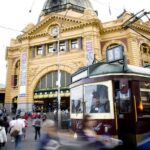
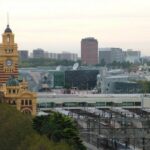
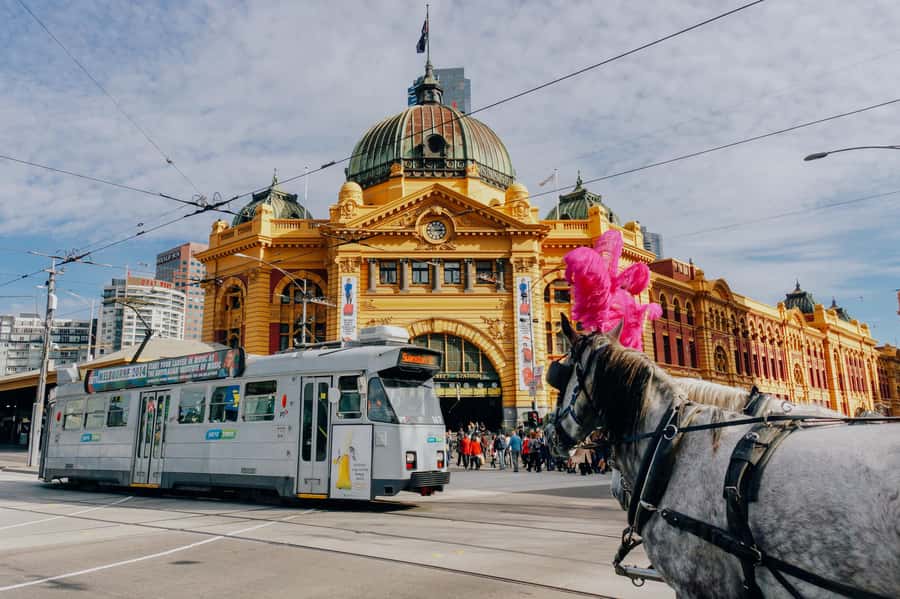
A big photo moment follows at Flinders Street Station, one of Melbourne’s most recognizable landmarks. This stop is timed so you can look at the station and take it in without rushing. It also helps you learn a practical mental map: after Flinders Street, a lot of central Melbourne starts to feel organized, not like a confusing grid.
Degraves Street and The Block Arcade: coffee, old-school shopping, and a softer side
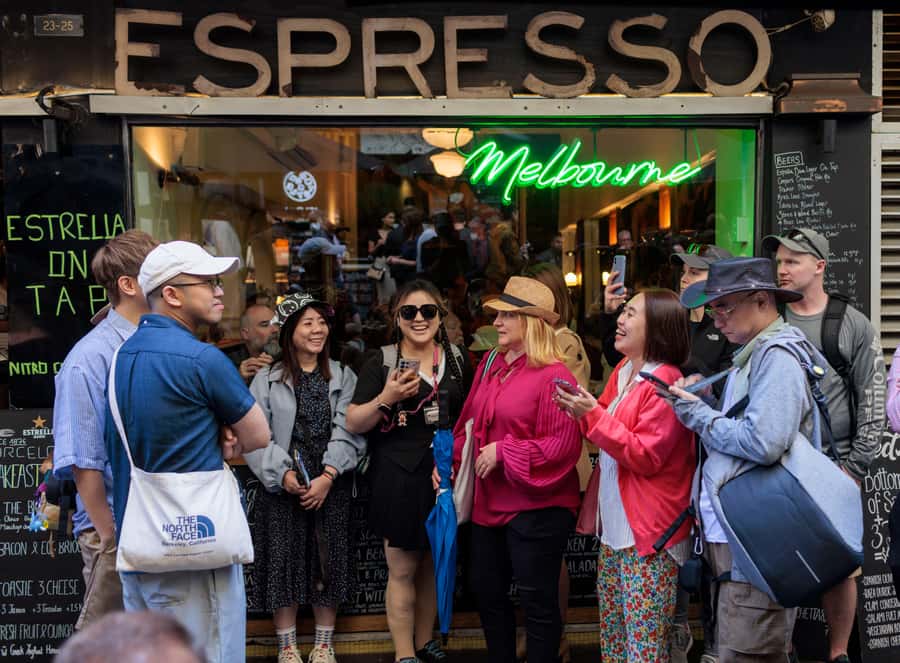
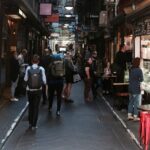
Now you reach one of the most Melbourne parts of the route: Degraves Street. This is where you’ll slow down a bit and notice the European-style dining atmosphere that Melbourne is famous for. It’s a lane that feels like it was built for day-long wandering—tables, coffee smells, and that just-right mix of old streets and modern habits.
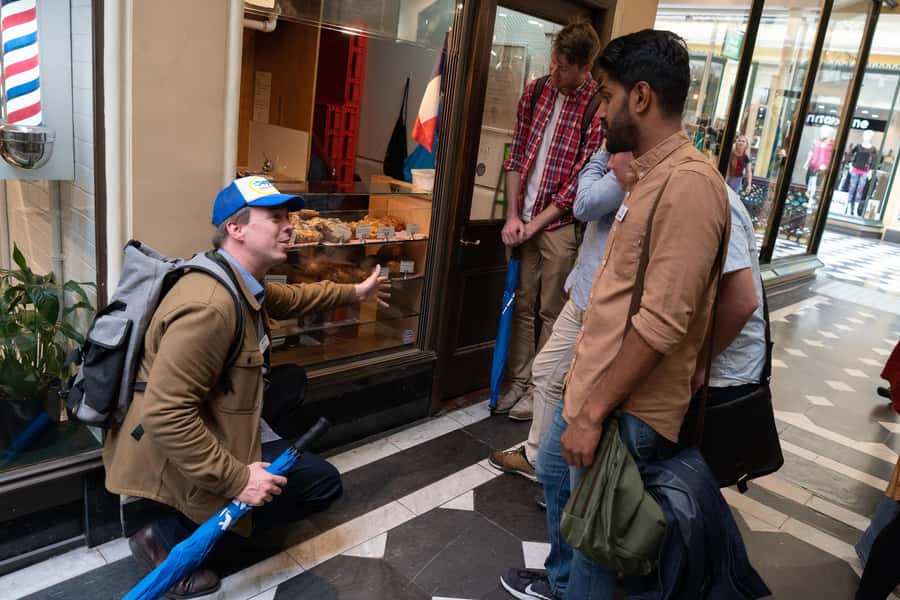
There’s also a concrete perk here: a complimentary hot drink at a renowned local café. You can choose flat white, long black, or hot chocolate. It’s the sort of included pause that makes the tour feel balanced—history and architecture are great, but a walking tour needs a real break.
After the café moment, you head to The Block Arcade, a historic Victorian shopping arcade with mosaic floors and elegant architecture. Even if shopping isn’t your thing, arcades are part of Melbourne’s personality. They’re built for strolling indoors and out of the weather, and they show the city’s love of design details.
From there, there’s an optional angle: the city’s highest tower is hard to miss, and if you want to go up, the guide can arrange access at a special rate. That’s not included, so treat it as an add-on for people who want more of the skyline.
You can also read our reviews of more historical tours in Melbourne
AC/DC Lane to Royal Arcade: rock-and-roll murals and Australia’s oldest arcade
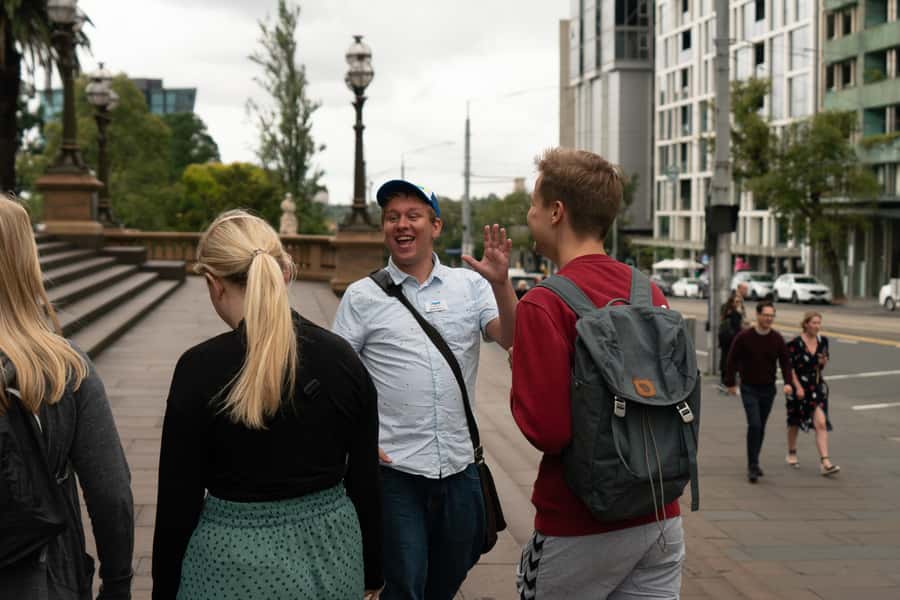
You’ll loop back into the laneway theme at AC/DC Lane, with rock-and-roll murals taking center stage. This stop works best if you pay attention to how the art interacts with the narrow corridor feeling. It’s not just artwork on a wall—it’s Melbourne’s attitude, squeezed into a passage you can actually walk through.
Then you move into a different kind of architectural pleasure: Royal Arcade. This is described as Australia’s oldest arcade and it includes the famous Gog and Magog mythical figures. If you’ve ever wished a walking tour did more than point and nod, this is the kind of stop that adds meaning. You’re learning why the arcade exists and what symbols are tied to it.
On the way, you’ll also pass through Little Collins Street, where the feel shifts again—hidden bars and boutique laneways in the cultural heart. This part is short, but it sets up your next self-guided moves. You’ll start knowing which streets are built for casual drinks and which ones are best for quick bites and people-watching.
Bourke Street Mall and State Library Victoria: shopping energy and the Ned Kelly thread
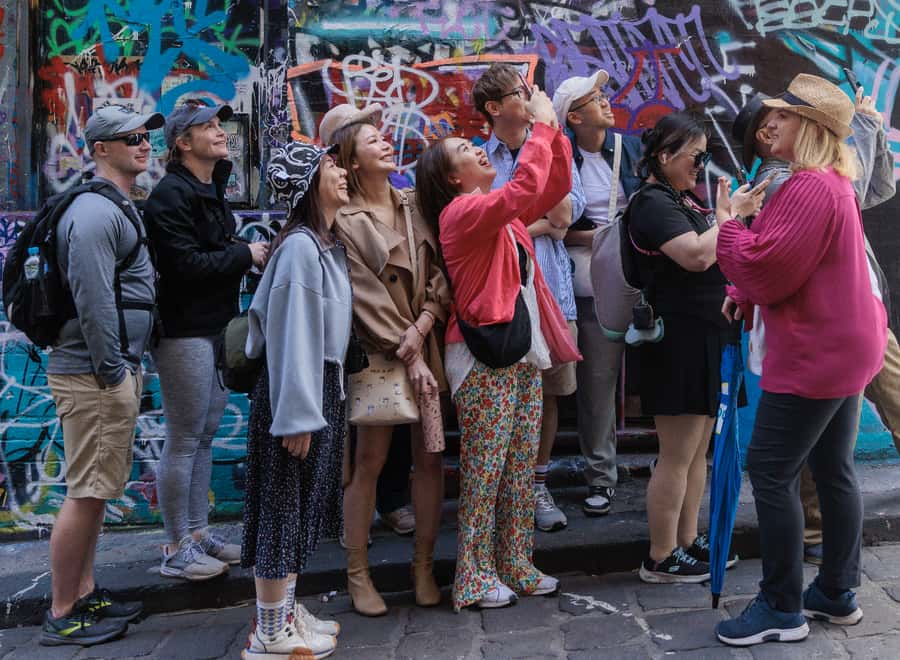
Next is Bourke Street Mall, Melbourne’s primary shopping precinct and pedestrian mall. It’s a straightforward, practical stop—busy enough to feel central, but laid out for walking. Even if you don’t plan to shop, it gives you a sense of where locals come for daily errands and where the city’s retail rhythm lives.
After that, you reach State Library Victoria, a magnificent heritage building and the state’s premier research library. The tour connects it to Ned Kelly’s legendary story. Even if you only know the name, the stop helps anchor Melbourne’s cultural identity to a story people still tell.
This is another example of why the guide matters. A place like a library can feel quiet or intimidating if you’re just walking past. On this tour, you’re given a reason to look closer—and that changes how the building reads.
Yarra River stroll and Old Melbourne Gaol: a calmer walk, then a hard chapter
Now the pace lightens with a walk along the Yarra River. This stop is only about five minutes, but it’s a key reset. After laneways and arcades, it’s nice to step into open space and let your eyes catch the long lines of the riverbanks.
Then the mood shifts at Old Melbourne Gaol, a historic bluestone prison that operated from 1845 to 1929. This is where the tour gives you a darker slice of Melbourne’s past. Bluestone alone is part of the story—these buildings were designed for a hard purpose, and the tour frames the site as a reminder of how different justice and punishment systems were in the 19th and early 20th centuries.
If you like historical context tied to actual places (not just timelines), this stop delivers. And since it’s quick, you don’t need to commit to a long museum afternoon to get something real.
Chinatown to Captain Melville: where the walk ends with food culture and a toast
The route moves to Chinatown, described as the world’s oldest continuously operating Chinatown. You’ll pass through a concentrated food-and-street-life zone where restaurants feel central rather than optional. Even though the tour stop is brief, it helps you leave with direction for a future meal.
Then you reach the finish point at Captain Melville Bar on 34 Franklin St—and that ending is more than symbolic. You get a complimentary alcoholic beverage (house beer, wine, or cider) or a soft drink. This is the kind of tour add-on that feels fair because you’ve been walking and you’ve earned a proper pause.
It’s also a clean way to end: you’ll have time to keep exploring afterward without needing to re-plan transport from a random location.
Price and value: why $92.52 can make sense for a first-timer
At $92.52 per person for about 3 hours, you’re paying for a guided route, small-group handling, and included refreshment. That’s not a bargain price in the way a free self-guided walk is, but it’s not overpriced either once you look at what’s bundled.
Here’s what you’re really getting:
- A professional local English-speaking guide
- Commentary and stories you’re unlikely to hear elsewhere
- A free Melbourne map plus guided recommendations for what to do next
- Coffee (flat white, long black, or hot chocolate)
- A drink at the end (beer, wine, cider, or soft drink)
- A route that focuses on outdoor viewpoints and major central stops without needing separate ticketed admissions for the listed sights
For me, the best value piece is the map and recommendations. Melbourne is big on “where should I go next?” After a short first walk like this, you’re better equipped to make smart choices for the rest of the day.
Who should book this walking tour (and when to take it)
I think this tour fits best if:
- It’s your first time in Melbourne and you want a fast, organized orientation
- You care about laneways and street art but also want proper context for landmarks
- You want a small-group experience, not a long line of strangers shuffled along a route
- You like your history tied to streets you can keep visiting later
It’s also a solid pick for people who feel overwhelmed in Melbourne. The city can look confusing if you only use trams and jump from one attraction to the next. This walk gives you a storyline you can remember, so your later wandering feels less random.
If you’re traveling with kids, the only rule is that children must be accompanied by an adult. The stops are mostly accessible viewpoints and streets, and the pace is described as comfortable in the overall experience—just plan for steady walking.
Should you book the Ultimate Melbourne Walking Tour
Yes, if your goal is to get your bearings quickly and learn what to pay attention to. This tour is built to connect Melbourne’s street art, major landmarks, and historic sites into one easy flow, with coffee and a drink added so the time feels worth it.
Skip it only if you want a long, ticket-heavy day with museums and indoor exhibits. This is a streets-first introduction. If that’s your style, you’ll leave with both memories and a practical plan for where to go next.
FAQ
How long is the Melbourne walking tour, and when does it start?
It runs for about 3 hours and starts at 11:00 am.
Where do I meet the guide, and where does the tour end?
You start at 108 Spring St, East Melbourne VIC 3002 and finish at 34 Franklin St, Melbourne VIC 3000, at Captain Melville Bar.
What is included for drinks and coffee?
You’ll get a complimentary Melbourne coffee (flat white, long black, or hot chocolate) and a complimentary alcoholic beverage (house beer, wine, or cider) or soft drink at the end.
Does the tour include Melbourne laneways and Hosier Lane?
Yes. The tour focuses on Melbourne laneways and street art, including Duckboard Place and AC/DC Lane, and it may also include Hosier Lane depending on the day.
How large is the group?
This experience is a small group tour with a maximum of 12 travelers.
Can I get a full refund if I cancel?
Yes. You can cancel up to 24 hours in advance for a full refund. If you cancel less than 24 hours before the start time, the amount paid will not be refunded.