REVIEW · MELBOURNE
Ultimate Melbourne Walking Tour: History, Laneways & Culture
Book on GetYourGuide →Operated by Depot Adventures · Bookable on GetYourGuide
Melbourne tells stories in every side street. In this 3-hour walk, you get the city’s big turning points (Gold Rush wealth, civic ambition) mixed with the everyday stuff locals actually love: laneways, coffee, and a proper pub drink.
Two things I really like are the small group size (max 12), which makes it easy to ask questions and get personal answers, and the way the tour pairs history with real city habits. You’ll hear how Melbourne went from frontier to powerhouse, then you’ll taste it in the form of a complimentary coffee and a drink at the end.
One thing to consider: you are walking a lot on city surfaces, including stairs and uneven laneway/arcade ground. If your mobility is limited, this route might feel like more work than you expect, even though the tour is labeled wheelchair accessible.
In This Review
- Key highlights worth packing for
- Finding the Blue Umbrella at Gordon Reserve (and getting oriented fast)
- Gold Rush wealth meets civic power on Spring Street
- Parliament, Old Treasury, Collins Street, and the quick photo stop
- Hosier Lane: street art that comes with context
- Federation Square, the MCG snapshot, and Flinders Street Station
- Degraves Street coffee: the serious part of Melbourne
- Arcades and Skydeck: Victorian interiors plus modern skyline views
- Bourke Street Mall, Chinatown, and State Library detours with purpose
- Yarra River views and Old Melbourne Gaol: where the story gets real
- Captain Melville finish: toast Melbourne’s social culture
- Price and value for $91: what you get in 3 hours
- Who should book this Melbourne laneway-and-history walk
- Should you book Ultimate Melbourne Walking Tour?
- FAQ
- Where does the tour start?
- How do I find my guide?
- How long is the tour?
- What’s included in the price?
- Is the group small?
- Does the tour run in bad weather?
- Is it wheelchair accessible?
- Can I cancel or pay later?
Key highlights worth packing for
- Max 12 people means a calmer pace and more back-and-forth with your guide
- Coffee plus a pub drink are included, not tacked on as an afterthought
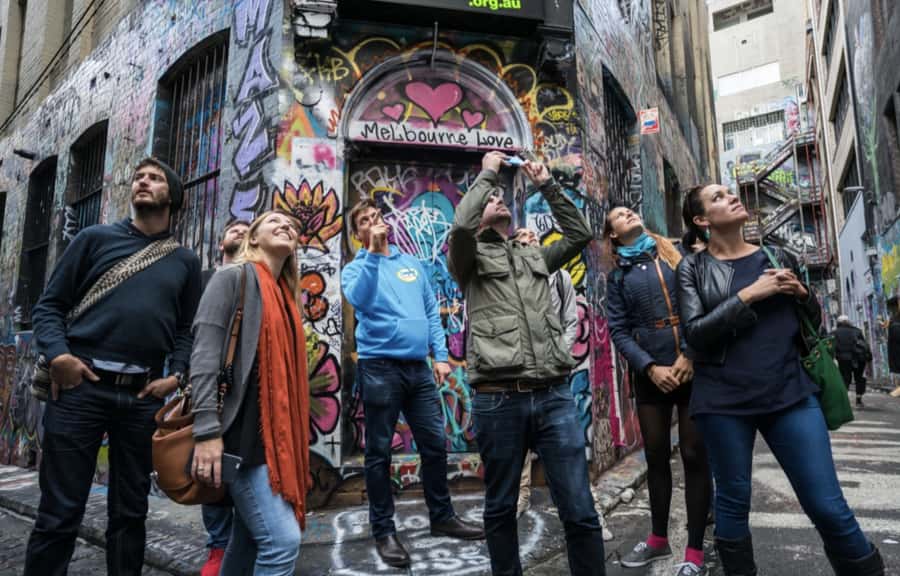
- Hosier Lane street art gets explained, so you see more than just color
- Gold Rush to modern Melbourne links architecture, neighborhoods, and culture
- Guides like Emily, Hugo, Beau, and Ian are repeatedly praised for humor and clear storytelling
Finding the Blue Umbrella at Gordon Reserve (and getting oriented fast)
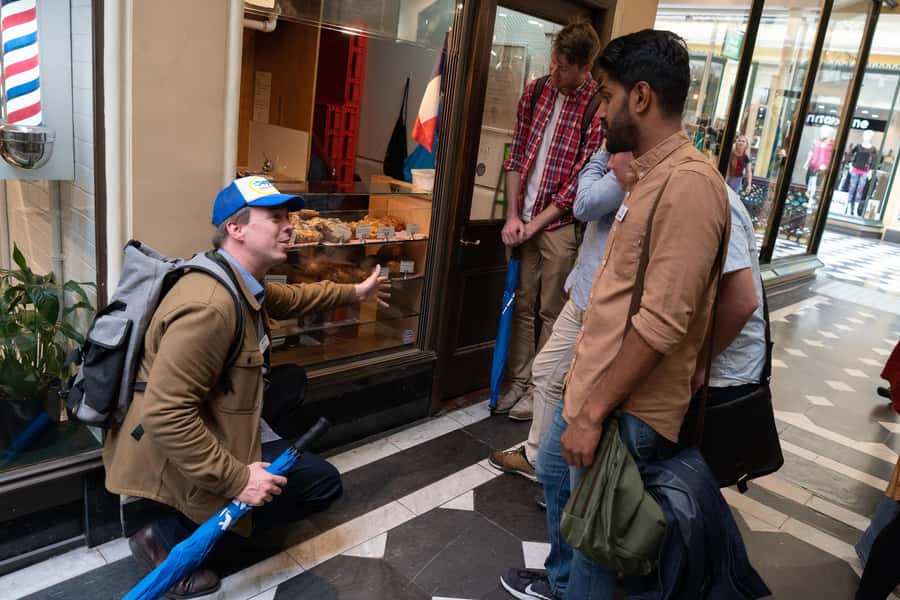
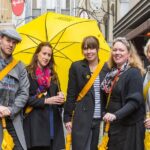
The tour starts at Gordon Reserve, a small park across from the Windsor Hotel. Look for the guide with a blue umbrella standing by the fountain. It sounds simple, but it matters: a good start keeps you from arriving harried, and Melbourne’s center is easy to spiral through once you’re walking.
If you’re coming in from Southern Cross or Flinders, give yourself buffer time. You want your shoes on and your head clear before you hit Spring Street and the first big monuments.
This is also a smart time to decide your priorities. If you care about street art, say so early. If you’re more into architecture or civic history, the guides running this tour tend to keep the conversation moving in that direction.
You can also read our reviews of more walking tours in Melbourne


Gold Rush wealth meets civic power on Spring Street

Melbourne’s history can feel like a pile of dates unless someone hands you the thread. This tour gives you that thread quickly: how the Gold Rush era made Melbourne grow fast, got money flowing, and turned a frontier settlement into a wealthy metropolis that wanted impressive buildings to match.
You start with Parliament of Victoria, then continue through the Old Treasury Building area. Even if you only get a short guided look at each spot, you’ll learn what to pay attention to. Think: why government buildings look the way they do, how wealth showed up in design, and how the city’s confidence shaped public spaces.
A quick note: these early segments can feel like “see the highlights, learn the why.” If you hate fast movement, wear that walking-adventure hat. You’re building context, not winning a marathon of museum time.
Parliament, Old Treasury, Collins Street, and the quick photo stop
After Parliament, the route shifts along a stretch that’s basically Melbourne’s high-style resume. Old Treasury Building gets a brief guided moment, and then you roll toward Collins Street, another reminder that Victorian-era Melbourne loved grand urban statements.
There’s also a photo stop built into the flow. It’s not just a break for photos; it’s a chance to reset your eyes. Melbourne looks different depending on where you stand—street-level details, building height, and the way lanes cut through the city can change what you think you’re seeing.
If you’re the type who always asks questions, this is a great point to do it. The guides have a knack for answering in plain terms, then adding a small human story so the building stops being abstract.
Hosier Lane: street art that comes with context
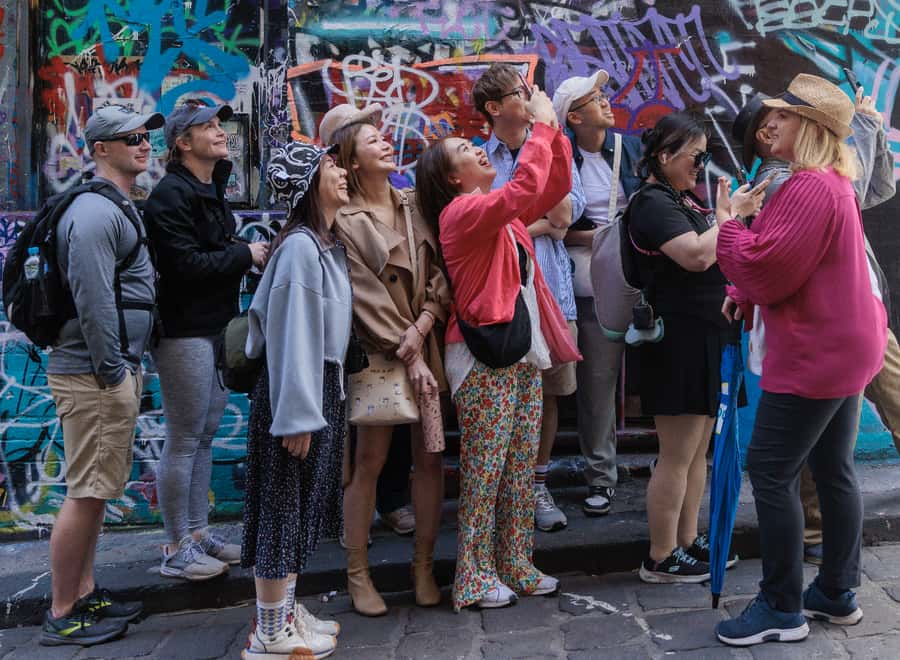
Hosier Lane is the big name for laneway art, and it’s easy to treat it like a backdrop. This tour nudges you toward a better approach: you learn how the street-art scene works and why it changes so often. The art isn’t just decoration. It’s part of Melbourne’s creative conversation.
You also get only a short window here, which is good news if you’re short on time. It keeps the walk moving while still giving you enough story to understand what you’re looking at. You’ll likely notice more: layers, styles, and the sense that this street is an outdoor, evolving gallery.
Practical tip: photos in laneways can be tight. Bring your phone grip game and expect to angle for shots. And watch your footing—laneways are charming, but they’re still walkways.
Federation Square, the MCG snapshot, and Flinders Street Station
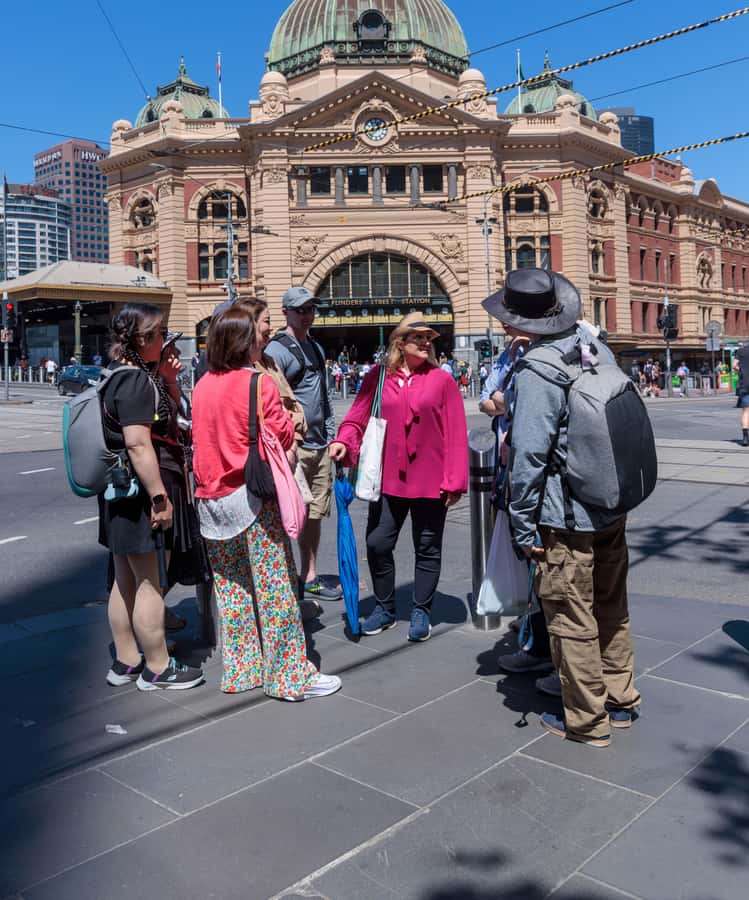
From laneways, you pivot toward places that scream Melbourne on a postcard. Federation Square gets a guided stop, then the route makes room for a quick look near Melbourne Cricket Ground (MCG). You get the sense of how sport, culture, and public identity link up in the city’s mind.
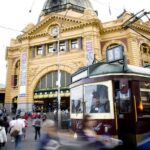
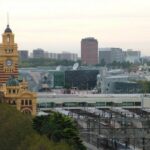
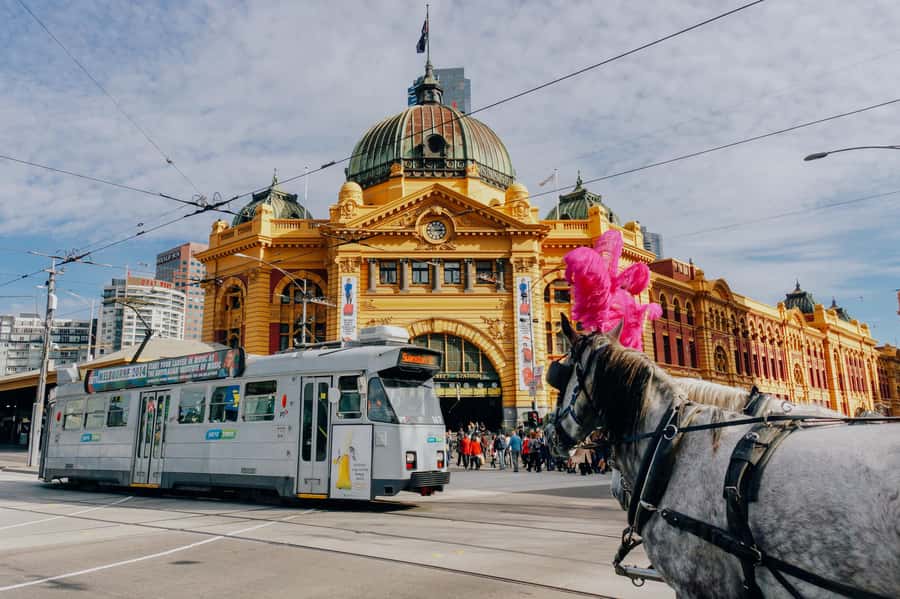
Then comes Flinders Street Station, one of the most photographed stations in Australia for a reason. Even with a brief guided moment, the tour helps you understand why locals care about it as more than a transport hub. You start seeing it as part of Melbourne’s rhythm—where people meet, where the city feels like itself.
If you’re wondering whether this will feel too “icon for the sake of icon,” don’t. The guide’s job here is to connect these big spots to the smaller ones you’ll walk next—laneways, arcades, and neighborhoods.
You can also read our reviews of more historical tours in Melbourne
Degraves Street coffee: the serious part of Melbourne
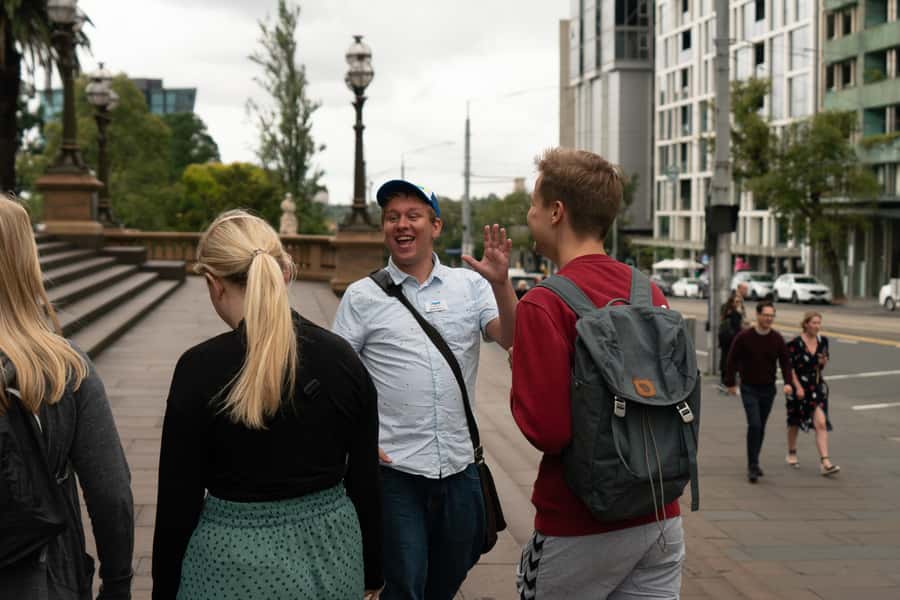
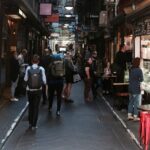
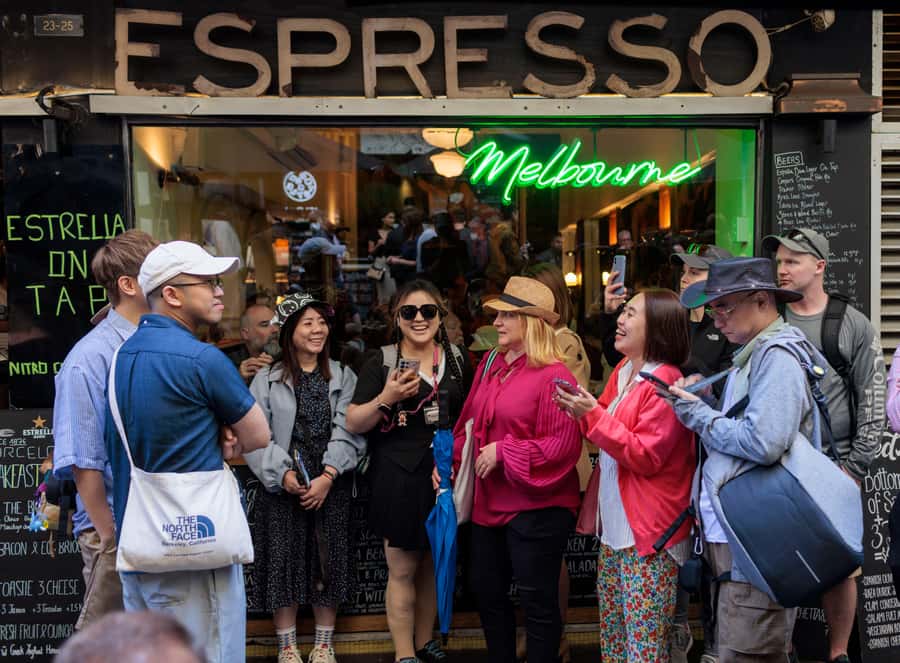
Melbourne’s coffee reputation is real, and the tour uses that reputation to teach you something practical. You stop at Degraves Street for your complimentary hot drink—choose among flat white, long black, or hot chocolate.
You’ll also hear how to order like you belong (or at least like you’re not surprised by the menu). More importantly, you’ll get the cultural context: why Melbourne treats coffee as a daily craft, not just a caffeine delivery system.
This stop also functions as a pacing reset. After a chunk of walking and architecture talk, coffee gives you energy and time to compare notes with the small group. It’s also a useful moment to ask the guide what you should do next after the tour.
Arcades and Skydeck: Victorian interiors plus modern skyline views
Melbourne arcades are one of those details that make you think, okay, why didn’t I notice this before. The tour hits Block Arcade for a short guided look. You’ll learn what the arcade form was built for and what makes Melbourne’s version worth seeking out.
Next, there’s a stop at Melbourne Skydeck for sightseeing, plus skip-the-ticket-line support. Even if you’re not obsessed with skyline views, this is a nice way to put the whole walk into perspective. From above, the city’s geometry makes more sense: where lanes run, where the major corridors are, and how neighborhoods connect.
Then you continue into Royal Arcade, another indoor stretch with that Victorian-era sense of order and elegance. If you like architecture, this pairing of Block Arcade and Royal Arcade is one of the smarter uses of a 3-hour walking window.
Drawback check: arcades are indoor, and lighting can be tricky for photos. If you’re a flash photographer, be aware that flash may be restricted indoors.
Bourke Street Mall, Chinatown, and State Library detours with purpose
Next up: Bourke Street Mall (brief guided time), Chinatown (short guided time), and then State Library of Victoria for a quick guided look.
These stops can sound like the “hits” on any walking route, but the value here is in how the guide frames them. You’re not just passing through. You’re learning how Melbourne’s civic and cultural identity mixes public institutions, migrant communities, and everyday shopping-and-meeting streets.
The State Library of Victoria stop is particularly useful if you like to understand a city’s learning culture. It gives you a grounding point: Melbourne is not only street art and coffee; it also invests in knowledge, public memory, and institutions built for long-term use.
If you’re hungry for more structure, ask your guide for a couple of nearby self-guided recommendations. The tour includes a free map and guided suggestions, which you can use immediately after you finish walking.
Yarra River views and Old Melbourne Gaol: where the story gets real

You’ll spend time along Yarra River with sightseeing, then head toward Old Melbourne Gaol for a guided look.
This is where the tour broadens beyond architecture and into the kind of history that makes you slow down. Old Melbourne Gaol connects the city’s growth to the people it affected—social control, community life, and the darker edges of daily living.
The Yarra River stop helps keep the story human. You’re reminded that Melbourne’s development sits beside water, and the river works like a spine through the city. Even a short guided moment can make you see the river as part of the city’s practical life, not just a pretty background.
Wear shoes that don’t slip, especially if weather turns wet. The route does include stairs and uneven surfaces at points, and you’ll be happier if your feet are steady.
Captain Melville finish: toast Melbourne’s social culture
The tour ends at Captain Melville, a classic pub finish with a complimentary alcoholic beverage or soft drink. The included options are house beer, wine, or cider, or you can take a non-alcoholic alternative.
This part matters because it’s social history, not just a drink coupon. You’ll hear stories about community spirit and how pubs in Melbourne function as meeting points where people talk, debate, and belong.
It’s also a practical close to the tour. If you still have energy, you’ll leave with a sense of where to walk next, what to order, and which neighborhoods are worth revisiting.
One tip: pace yourself on the first drink. You’ve still been walking for hours, and you’ll want to stay sharp enough to enjoy the final conversation.
Price and value for $91: what you get in 3 hours
At $91 per person for a 3-hour small-group walk, the value hinges on what’s included and how tight the group feels.
Here’s the math in everyday terms:
- You’re getting guided storytelling across major landmarks and laneway culture
- You’re getting complimentary coffee
- You’re getting a complimentary pub drink
- You’re getting a free Melbourne map plus local recommendations
If you were doing this on your own, you’d still need to pay for coffee, you’d probably spend money at a bar, and you’d lose the guided context that turns street art and arcades from scenery into meaning.
The tour also benefits from a consistent group size limit (max 12). That keeps it interactive rather than a lecture. Many guides for this tour are noted for humor and clear pacing, and the best ones also answer questions in plain language without making you feel rushed.
Who should book this Melbourne laneway-and-history walk
This tour is best for:
- First-time visitors who want a structured sense of Melbourne fast
- People who love street art but don’t want to treat it like wallpaper
- Anyone who cares about coffee culture and social life, not just big buildings
- Travelers who like asking questions and hearing a local point of view
It might not be the best fit if:
- You need lots of quiet time at each stop
- You have severe mobility issues, since the route includes stairs and uneven surfaces
- You prefer long museum sessions over walking-and-talking
And if you’re traveling with friends who disagree on priorities, you’ll likely find common ground here. Gold Rush wealth, architecture, Indigenous heritage context, street art, coffee, and a pub finish give everyone something to latch onto.
Should you book Ultimate Melbourne Walking Tour?
I’d book it if you want to get oriented and leave with a better sense of how Melbourne thinks and lives. It’s built around three things that work together: the city’s history (Gold Rush and civic growth), its creative side (laneways and street art), and its daily culture (coffee and pub life).
You can also use the tour as a launchpad. Get the map, ask for a couple follow-up suggestions, then go test them while the stories are fresh.
If you hate walking on uneven ground or need long stops to feel satisfied, compare your style with the format. Otherwise, this is a solid, high-signal way to spend 3 hours in Melbourne’s center.
FAQ
Where does the tour start?
The tour starts at Spring Street, with the meeting point at Gordon Reserve, across the street from the Windsor Hotel.
How do I find my guide?
Your guide will have a blue umbrella and stand next to the fountain at the meeting point.
How long is the tour?
The walking tour lasts 3 hours.
What’s included in the price?
You get a complimentary hot drink (flat white, long black, or hot chocolate) and a complimentary alcoholic beverage or soft drink. You also get a local guide, a free Melbourne map, and guided recommendations.
Is the group small?
Yes. The tour is run as a small group with a maximum of 12 travelers.
Does the tour run in bad weather?
It operates in all weather conditions, so you should dress for the day and bring an umbrella if rain is forecast.
Is it wheelchair accessible?
The tour is wheelchair accessible, but it includes stairs and uneven surfaces in laneways and arcades, so it may not suit travelers with severe mobility issues.
Can I cancel or pay later?
You can cancel up to 24 hours in advance for a full refund. You can also reserve now & pay later, keeping your travel plans flexible.