REVIEW · MELBOURNE
Melbourne Art Deco Architecture Tour
Book on Viator →Operated by MELTours · Bookable on Viator
Look up: Art Deco hides in plain sight. This 2-hour small-group walking tour turns Melbourne’s CBD into a visual puzzle, with your guide explaining why Art Deco shows up here, not just as decoration but as a real chapter of the city’s growth after the 1934 centenary. I especially like the way you learn how to spot Art Deco details as you walk, and I also like that the guide team includes names like John, San, and Catherine, who get praised for answering questions and bringing buildings to life.
The only real catch is simple: it’s a 2-hour walk, so you’ll want comfortable shoes and a moderate fitness level. If you’re hoping for long stops with lots of indoor rest breaks, this one is more about moving through the city at a steady pace.
In This Review
- Key highlights in plain terms
- Why this walk makes Art Deco click
- Starting at Manchester Unity: the story behind the style
- How to recognize Art Deco while you’re walking
- Manchester Unity Building: more than a meeting point
- Majorca Building: patterns, motifs, and cultural clues
- Small-group pacing: asking questions without losing the thread
- What’s included, what’s not, and how to plan your day
- Value check: is $64.55 worth it?
- Who should book this (and who might want a different option)
- Should you book the Melbourne Art Deco Architecture Tour?
- FAQ
- How long is the Melbourne Art Deco Architecture Tour?
- Where do I meet the guide?
- Is this a walking tour?
- What’s the group size?
- What’s included in the price?
- What is the minimum age?
- Quick note on cancellations
Key highlights in plain terms
- Manchester Unity is the anchor point: you start right where the centenary-era building boom story begins
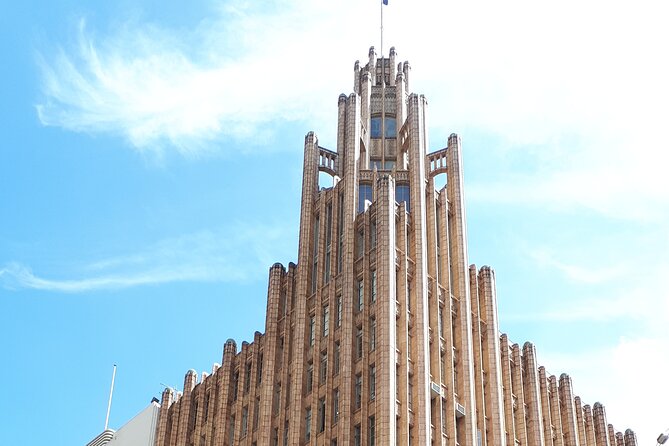
- You learn the style, not just the names: terracotta self-cleaning tiles, patterning, and design motifs make it easier to recognize Art Deco
- Global influences get connected to local architecture: Spanish, Egyptian, Mayan, and more show up in the design language
- Small group size (max 10) means you can ask questions without shouting
- Morning timing leaves your afternoon open for the rest of your Melbourne plans
- Local guide is included, with a guide-led focus on what to look for above eye level
Why this walk makes Art Deco click
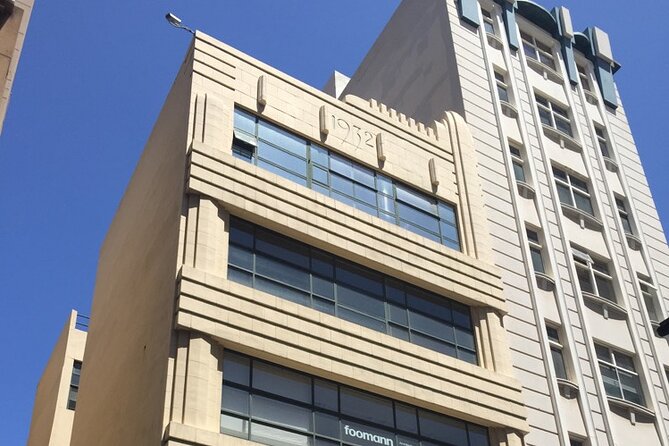
Art Deco can look like it’s all about looks. But on this tour, you learn to read it like a language. You start connecting design choices to the era that produced them, including the way Melbourne’s 1934 centenary helped trigger a building boom downtown.
What I like is that the tour doesn’t treat Art Deco like a museum label. You get practical recognition tips as you go, so when you see a facade later on your own, you’ll know what you’re looking at. And because the group is small, you can ask your own questions instead of waiting for a big group moment.
If you enjoy architecture, design history, or just wandering with purpose, this is a smart way to get your bearings fast in the CBD.
You can also read our reviews of more tours and experiences in Melbourne.

Starting at Manchester Unity: the story behind the style
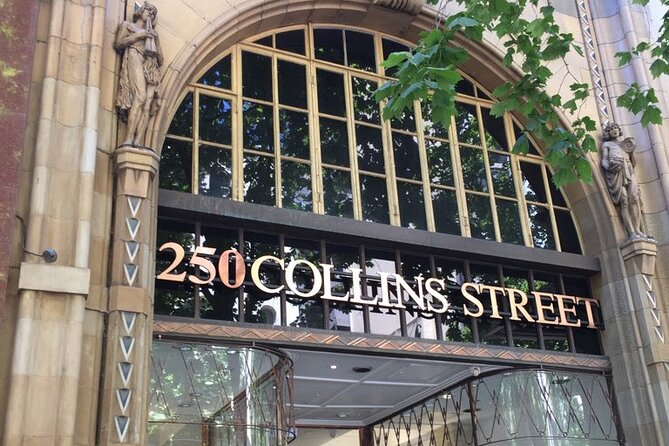
Your tour meets at the Manchester Unity Building at 10:00 am on Collins Street. That matters, because the guide starts you with the context that helps the details make sense.
In 1934, Melbourne marked its centenary, and that celebration helped spark momentum for major construction. The result, downtown, is that you can see some of the strongest examples of Art Deco architecture in the city centre. Starting here also means the guide can show you what to look for on nearby buildings right away, instead of sending you off to figure it out cold.
One helpful thing to expect: your guide will talk about what you’re seeing in front of you, then give you cues for spotting Art Deco elsewhere. The tour trains your eye, which is the difference between a pleasant walk and a walk that teaches.
How to recognize Art Deco while you’re walking
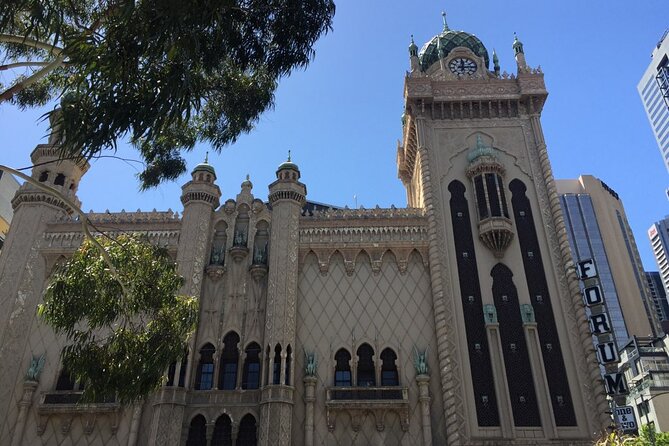
This tour’s real value is that it teaches recognition. You’re not just getting dates and facts; you learn specific visual features so you can identify Art Deco on the street.
Here are a few of the style cues you’ll hear about:
- Terracotta self-cleaning tiles (yes, that’s a real detail in the Art Deco design world)
- Distinctive patterning that repeats across facades and entrances
- Design motifs influenced by other cultures, which show up in the look and feel of ornamentation
The practical payoff for you is big. After two hours, you’ll be better at spotting Art Deco details even when you’re not sure what building you’re looking at. You’ll also know which features are more likely to be style signatures, not random decorative choices.
If you’re the type who likes photos, this helps too. You’ll know what to frame instead of shooting wide “cool building” pictures that don’t show the design that makes the era interesting.
Manchester Unity Building: more than a meeting point
Starting at Manchester Unity isn’t just convenient. It sets your expectations for what the guide focuses on: design elements, period context, and how buildings communicate status and optimism through shape and detail.
You’ll hear how the centenary-era push connects to the wave of construction that followed. That story matters because it gives you a reason for why Melbourne ended up with so many strong Art Deco examples in such a tight area.
Also, the guide’s approach is meant for actual viewing. You’ll get prompted to look up and notice the kinds of details that people often miss when they’re just walking through the CBD. That’s one of the things guides like John and San are praised for: making sure the tour goes beyond quick glances and into the “wait, look at that” moments.
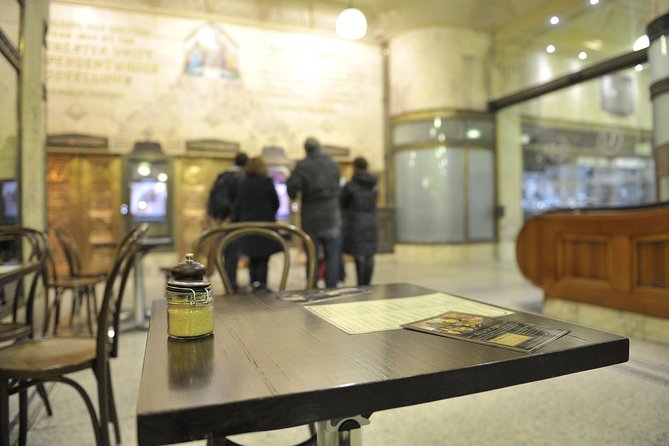
You may also have opportunities to go inside at least some buildings during the experience, depending on what’s possible on the day. When interiors are accessible, it can add another layer because you’ll see how the style translates beyond the facade.
Majorca Building: patterns, motifs, and cultural clues
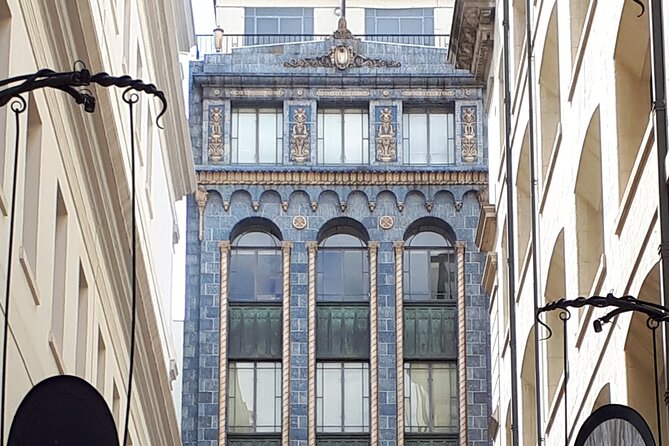
As you move from stop to stop, one of the anchors is the Majorca Building. This is the part of the tour where the “recognition” training usually pays off most.
The guide explains how Art Deco uses:
- Patterning that feels geometric and intentional
- Ornament that often borrows from older visual vocabularies
- Motifs influenced by cultures beyond Europe, including Spanish, Egyptian, and Mayan design references
If you’re a design-minded traveler, you’ll probably enjoy the way those influences get linked to what you can physically see on the street. It’s not presented like a random trivia list. It’s framed as part of why the style looks the way it does, and why Melbourne embraced it during a period when the city was ready to show off.
Even if you’re not an architecture nerd, you’ll likely notice the differences between what looks “Art Deco-ish” and what feels like true Art Deco execution. That distinction is what keeps the tour from feeling repetitive.





Small-group pacing: asking questions without losing the thread
This is a small-group tour with a maximum of 10 travelers. That size changes the whole experience.
You can ask questions and actually get an answer that connects to what you just saw, instead of the guide having to speed through everything at once. In the feedback from guides like Sam and Catherine, one common praise is how they handle questions and adjust the pace to the interests of the group.
The route also runs for about 2 hours (approx.). That’s long enough to cover meaningful ground on foot, but short enough that you still have your afternoon for other plans. One of the practical advantages is that you can do this in the morning, take a reset break after, and keep your day flexible.
What’s included, what’s not, and how to plan your day
The tour includes a local guide. It does not include hotel pickup, food, or drinks. You’ll also use a mobile ticket.
That leads to a simple strategy for you:
- Eat or grab a coffee before you start, since you won’t be relying on the tour for a break
- Wear shoes you trust for city sidewalks and curb cuts
- Bring a water bottle if you tend to get thirsty on walks (even though drinks aren’t provided)
Because the tour is near public transportation, you can also plan to get to the meeting point without stress. Still, aim to arrive a few minutes early so you can settle in before the 10:00 am start.
And remember: this tour is for people with at least moderate physical fitness. If you’re managing mobility issues, you’ll want to think carefully about whether continuous walking in the CBD works for your day.
Value check: is $64.55 worth it?
At $64.55 per person, this isn’t a “cheap and cheerful” activity. But it can be good value if what you want is guidance that helps you see more on your own afterward.
Here’s why the price can make sense:
- You’re paying for a guide-led, focused walk in one of the best Art Deco concentrations in the city
- The small-group size makes Q and A practical, not just possible
- You get style recognition tips you can reuse across Melbourne streets
If you mainly want passive sightseeing, you could wander the CBD on your own and read a few signs. But if you want your eye trained—how to spot Art Deco details like those terracotta tiles, patterning, and ornament influences—this tour is structured to deliver that.
For me, the best value signals are consistency and guidance quality, and the feedback on guides like John, San, Sam, and Catherine points to exactly that: they explain clearly, answer questions, and help you notice more.
Who should book this (and who might want a different option)
Book this tour if you:
- Like architecture, design, or learning how buildings are “read”
- Want to see a concentrated set of Art Deco landmarks in a short time
- Enjoy walking tours and want your afternoon free after the morning session
- Prefer smaller groups where you can ask questions
You might choose a different format if you:
- Want lots of long indoor stops every step of the way (this is mainly a walking experience)
- Struggle with sustained walking for about 2 hours
Should you book the Melbourne Art Deco Architecture Tour?
I’d book it if you want a guided way to start seeing Art Deco as more than a style label. The combination of the centenary context, the ability to recognize specific design cues, and the small-group Q and A is a strong match for people who enjoy looking up and noticing.
It also works well as an early CBD activity. You’ll come away with a better sense of how the city’s architecture story connects, and you’ll likely find it easier to spot more Art Deco buildings later without feeling lost.
If you’re unsure, pick based on your tolerance for walking and your interest in design details. If those are both a yes, this is a very solid way to spend a morning in Melbourne.
FAQ
How long is the Melbourne Art Deco Architecture Tour?
It runs for about 2 hours.
Where do I meet the guide?
You meet at the Manchester Unity Building, 220 Collins St, Melbourne VIC 3000. The tour ends back at the meeting point.
Is this a walking tour?
Yes. It’s a walking tour, and it’s designed to be active.
What’s the group size?
The tour has a maximum of 10 travelers.
What’s included in the price?
A local guide is included. Food and drinks are not included, and there’s no hotel pickup.
What is the minimum age?
The minimum age is 13.
Quick note on cancellations
Free cancellation is available up to 24 hours in advance for a full refund, based on the experience’s local time. If minimum numbers aren’t met, you’ll be offered an alternative date/experience or a full refund.