REVIEW · VICTORIA
Victoria to Vancouver Scenic Seaplane Transfer: One Way
Book on Viator →Operated by Harbour Air Ltd · Bookable on Viator
Ferry lines vanish in 35 minutes of sky. A Victoria-to-Vancouver seaplane transfer is one of the fastest ways to switch islands for city life, while still seeing the best BC sights from above—Inner Harbour, Ogden Point, Burrard Inlet, and even Stanley Park on approach.
I especially love two things: the smooth takeoff and landing and the way the flight turns into a moving postcard overhead—Gulf Islands first, then Vancouver’s coastline and neighborhoods as you descend. It’s the kind of travel moment that makes the whole trip feel more personal, even though you’re mostly just getting there.
One drawback to plan for is that the cabin can feel tighter than you expect, which can be an issue if you’re sensitive to cramped seating or motion.
Key points to know before you fly
- Fast door-to-dock time: About 35 minutes aloft can save hours versus ferry travel
- Small group size: Maximum 14 travelers, so boarding feels manageable
- Harbor-to-harbor views: Victoria’s Inner Harbour and Ogden Point, then Vancouver’s Burrard Inlet and Stanley Park area
- Real pilots, real fun: On some flights, pilots may offer cockpit views when conditions allow
- Pack for the weight rules: 25 lbs (11 kg) is guaranteed, including purses, so light packing matters
- Expect transportation, not a long guided tour: Think scenic flight plus convenient arrival, not a full sightseeing day
In This Review
- Why This Flight Feels Like a Travel Upgrade
- Getting There on Time Without Turning It Into a Stress Test
- Victoria Harbour Start: The Sights Before You Even Leave the Water
- The Gulf Islands: Where the Flight Becomes the Main Event
- Vancouver Approach: Burrard Inlet to Harbour Arrival
- What’s Included vs What You Should Expect to DIY
- Cabin Comfort: Smooth Flying, Tighter Seating
- Baggage and Weight: Pack Smart to Avoid Surprise Fees
- Pilots, Cockpits, and the Human Touch
- Cost and Value: Is $310.40 Worth It?
- Who This Works Best For (And Who Should Think Twice)
- Should You Book This Seaplane Transfer?
- FAQ
- How long is the Victoria to Vancouver seaplane transfer?
- Where do I meet for the flight in Victoria?
- How far in advance should I arrive at the terminal?
- What time do I need to be checked in by?
- How much baggage can I bring?
- What happens if I bring more than 25 lbs?
- Are IDs required for this flight?
- What if the weather isn’t good?
Why This Flight Feels Like a Travel Upgrade
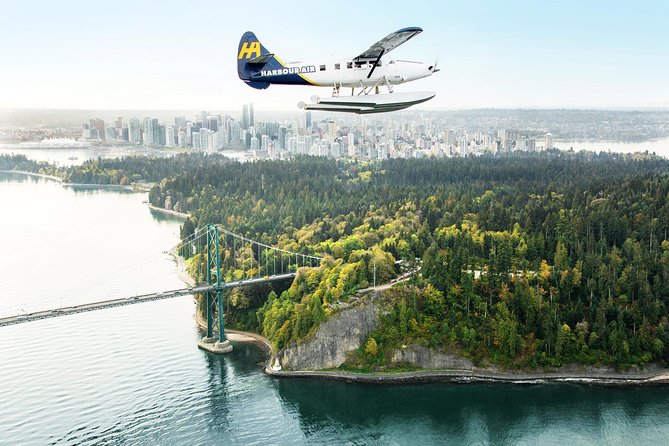
The big win here is time. If you’re doing anything on the mainland—dining, sightseeing, a cruise departure, or just trying to maximize daylight—35 minutes by seaplane can replace a much longer ferry day.
The second reason it feels special is that you’re not just traveling; you’re watching the coast change from above. You start over Victoria’s waterfront details, then the water opens into the Gulf Islands, and finally you drop toward Vancouver’s harbor and shoreline. That “from above” perspective is hard to recreate by car or bus.
It’s also a simple experience at heart. You arrive, check in, fly, land, and you’re done—no hotel transfers, no long waits built into the schedule. If your ideal day has fewer moving parts, this transfer matches that mindset.
Getting There on Time Without Turning It Into a Stress Test
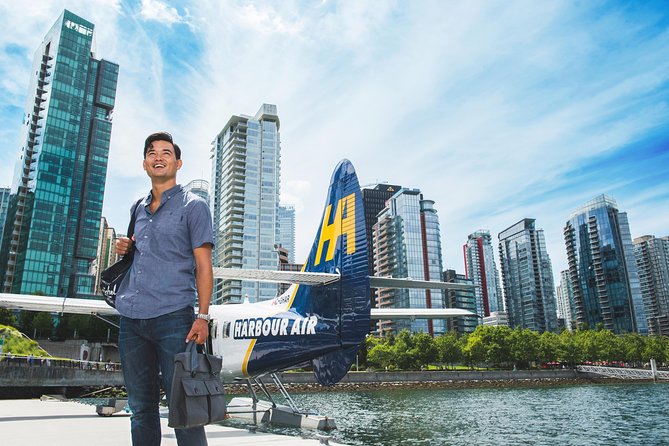
You’ll handle your own way to the departure terminal, which is at 950 Wharf St, Victoria, BC. Since you don’t have pickup included, I recommend planning your arrival so you’re not rushing through check-in at the last second.
Build in extra cushion because you need to be at the terminal at least 40 minutes before the scheduled departure, and fully checked in 20 minutes before departure. Those cutoff rules are firm—if you miss them, you won’t board and your fare won’t be refunded.
Good news: the terminal area is near public transportation, so you’re not locked into a taxi-only situation. Still, give yourself breathing room. Seaplane flights depend on schedules and weather, and the process is smoother when you’re early.
You can also read our reviews of more tours and experiences in Victoria

Victoria Harbour Start: The Sights Before You Even Leave the Water
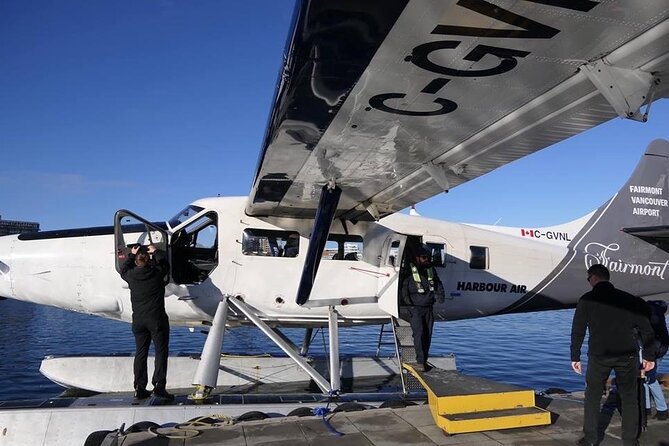
Your flight begins at Harbour Air in Victoria, where you’ll do a smooth check-in and then board your seaplane. There’s something uniquely Victoria about starting your trip on the harbor itself instead of rolling from a distant airport.
From the air, you’ll get standout views of Victoria’s waterfront, including the Inner Harbour area and Ogden Point. You can often pick out landmarks like the BC Parliament Buildings from above as you head out over the water.
This is the part I like best if you’re the type who enjoys orientation. From a bird’s-eye angle, Victoria’s layout makes more sense fast. When you later walk around town (or jump back into a vehicle), you’ll remember what you saw from up high.
The Gulf Islands: Where the Flight Becomes the Main Event
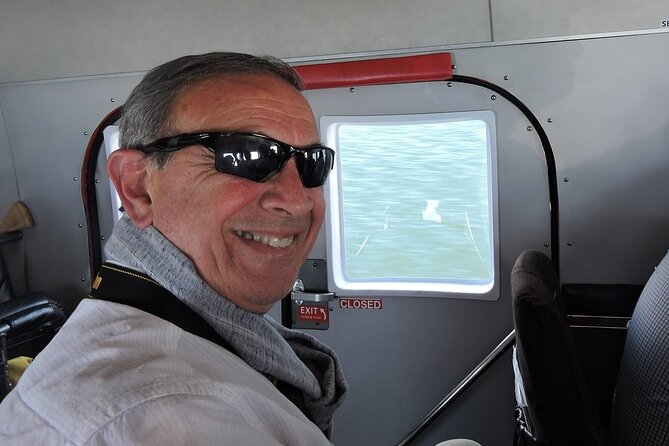
Once you’re airborne, the route typically passes over the Gulf Islands, which is where the scenery changes pace. Instead of one coastline, you get a patchwork of islands, inlets, and water texture that looks almost layered.
This segment is also where you feel the “scenic transfer” vibe most strongly. Even if you’re not a lifelong aviation person, it helps that you’re only in the air about half an hour. The flight is short enough to stay thrilling, but long enough to actually see a story unfold.
If the weather cooperates, it’s the best stretch for photos. If it’s not great weather, don’t panic—you still tend to get coastal patterns and harbor shapes, just with less crisp detail. The key is managing expectations: this is about views from above, not guaranteed sunshine.
Vancouver Approach: Burrard Inlet to Harbour Arrival
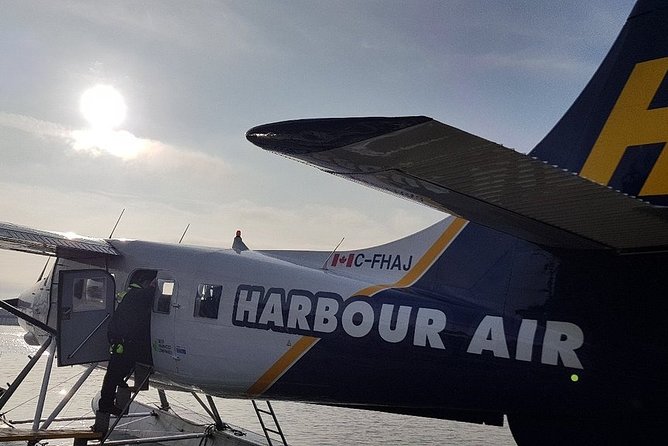
Your descent brings you toward Vancouver’s Burrard Inlet and major landmarks, with Stanley Park often visible from the air as you approach the city. That’s a strong payoff for what’s essentially a one-way hop.
Then you land at the Vancouver Harbour Flight Centre, which has its own sense of place compared with a conventional airport. You’ll disembark and the transfer ends back at the meeting point area.
What I find helpful is that seaplane arrival is already “close” to the city’s core. You’re not starting your day by crossing the whole region from a remote airport. If your plan includes downtown Vancouver later the same day, this can genuinely streamline your itinerary.
What’s Included vs What You Should Expect to DIY
The transfer is pretty straightforward. You get:
- a one-way scenic flight from Victoria to Vancouver
- the basics bundled in pricing such as taxes and sustainability fees
- a 25 lbs (11 kg) guaranteed baggage allowance that includes purses
What you should expect to do yourself:
- get to the terminal on your own (no pickup included)
- manage any extra baggage, since additional standby baggage is space available at $3 per lb at check-in
- book any return travel separately
One important mindset tip: don’t expect a full-on guided “tour” where you’re dropped into multiple stops and narrated for hours. This is really transportation with great views, plus enough flight time to feel like you saw something beyond a basic route.





Cabin Comfort: Smooth Flying, Tighter Seating
A seaplane can sound intimidating if you’ve never done it. In practice, takeoff and landing are usually very smooth, and the pace stays calm once you’re settled. That’s a major reason people fall in love with this route.
The tradeoff is space. The cabin can feel tighter than expected, so I’d pack in a way that keeps your bag manageable and your movement minimal. If you’re traveling with a teen, a small child, or someone sensitive to confined spaces, plan to sit still and keep the aisle clear.
Also, keep motion in mind. Some people are fine, but if you’ve ever been queasy on boats, you’ll want to be cautious. The flight is short, but discomfort still isn’t fun—especially when you have no way to stretch out.
Baggage and Weight: Pack Smart to Avoid Surprise Fees
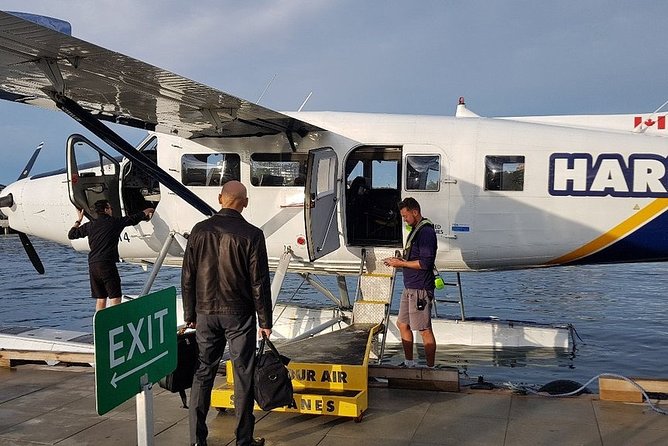
The baggage rules are clear, and that’s good. You’re allowed 25 lbs (11 kg) guaranteed, including all baggage and purses. That’s enough for a normal day-pack plus a light carry-on style setup.
If you bring more, excess baggage depends on space and costs $3 per lb at check-in on a standby basis. This is a place where I’d rather you over-plan than hope for an extra slot.
Tip: keep weight where you can control it—downsize what you carry so you don’t get forced into last-minute decisions at the terminal. One extra point: these aircraft aren’t set up for giant suitcases and constant rearranging, so aim for compact, accessible packing.
Pilots, Cockpits, and the Human Touch
One of the best parts of this kind of flight is that the crew is doing real aviation work, and you feel it. On some flights, pilots have offered special moments, including letting passengers sit near the cockpit area when circumstances allow.
In at least one instance, a passenger had a memorable moment with Malcolm, who was described as making the day and sharing guidance. You might also encounter other pilots—names like Paul show up in experience feedback—so the tone may vary by flight.
Either way, the general vibe tends to be organized and friendly. You should expect staff to focus on safety first, then help you get settled fast so you can start enjoying the view.
Cost and Value: Is $310.40 Worth It?
At $310.40 per person, this isn’t the budget option. You’re paying for three things at once: speed, convenience, and an experience.
Here’s the honest value equation I use:
- If you only have a day (or a tight schedule), the time saved can be worth a lot. A ferry-style transfer can swallow hours you could spend in Vancouver neighborhoods instead.
- If you care about views and want something memorable beyond transit, the seaplane delivers in a way roads and ferries just don’t.
- If you’re traveling light and you’re comfortable with basic flight procedures, the process stays simple and predictable.
Where the price can feel less worth it is when you expect a narrated multi-stop sightseeing tour. The service is best thought of as a quick, scenic flight link between islands and the city. If you want a long, structured itinerary, you’d likely need to add other activities on top.
So: for couples, families with older kids, and time-stretched solo travelers, this often pencils out as a smart splurge.
Who This Works Best For (And Who Should Think Twice)
This transfer is a great fit if:
- you want maximum daylight in Vancouver
- you like iconic coastal views and want them fast
- you’re okay with a short flight in a small cabin
- you can handle independent arrival at the terminal
It may not be ideal if:
- you strongly dislike cramped seating
- you’re prone to motion sickness and haven’t planned for it
- you’re expecting a full guided sightseeing experience rather than a scenic transport flight
Also, pack with the weight rules in mind. A few people run into extra costs when they didn’t plan for weight, so this is one of the few places where doing your homework directly saves money.
Should You Book This Seaplane Transfer?
If your goal is to get to Vancouver quickly and enjoy a real payoff from the journey itself, I’d book it. This is one of those experiences where the “ride” is part of the destination, not just a means to an end.
I’d especially choose it when:
- you’re on a tight schedule and ferry time feels painful
- you want a once-in-a-lifetime coastal view from above
- you’re traveling at a pace where convenient arrival matters more than squeezing every dollar
But if you’re trying to save money, or you need lots of space, or you want hours of guided narration, then you’ll probably feel better going with a less expensive option and spending your day elsewhere.
FAQ
How long is the Victoria to Vancouver seaplane transfer?
It’s about 35 minutes (approx.).
Where do I meet for the flight in Victoria?
The start location is 950 Wharf St, Victoria, BC V8W 1T3.
How far in advance should I arrive at the terminal?
You should arrive at least 40 minutes before the scheduled departure time.
What time do I need to be checked in by?
You must be fully checked in by 20 minutes before the scheduled departure time.
How much baggage can I bring?
You get a 25 lbs (11 kg) guaranteed allowance, and it includes all baggage including purses.
What happens if I bring more than 25 lbs?
Excess baggage is on a space available basis and costs $3 per lb at check in.
Are IDs required for this flight?
Yes. All passengers 18 years and above need either one piece of valid government-issued photo ID, or two pieces of government-issued identification without a photo.
What if the weather isn’t good?
This experience requires good weather. If it’s canceled due to poor weather, you’ll be offered a different date or a full refund.