REVIEW · VICTORIA
Victoria Whale Watching Tour on a Covered Vessel
Book on Viator →Operated by Orca Spirit Adventures · Bookable on Viator
Whales have a way of making time feel different. In Victoria, this covered-boat whale watching tour pairs easy comfort with serious wildlife searching, so you can focus on what matters: the animals and the moments you’ll actually remember. You’ll ride out with marine naturalists who point out behavior, not just species.
What I like most is the covered vessel setup: you get both indoor viewing and outdoor panoramic decks with full washrooms onboard, which matters a lot when the coast is cold or drizzly. The other big win is the way the crew helps you watch: from staff members who know whale behavior to the frequent close encounters people describe, you’re not just parked on the water hoping for luck.
One thing to consider: whales are never guaranteed. If you’re going in expecting orcas on cue, you’ll be happier with a flexible mindset and a good layer system, because the upper deck can get chilly and can get wet.
In This Review
- Quick hits before you go
- Victoria whale watching from a covered vessel: what you’re really buying
- Getting to the boat at 146 Kingston St without losing time
- How 3 hours on the water feels: morning vs afternoon departures
- What “best chance of spotting whales” means in real terms
- The covered boat layout: where to stand for the best views
- Your animal checklist: what you might see in Victoria’s waters
- The crew: how names, humor, and real explanations change your ride
- Food and drinks: plan around what’s included
- What to wear: cold deck reality and getting a little wet
- Price and value: is $136.42 worth it?
- Who this tour is best for (and who might want a different style)
- Should you book Orca Spirit Adventures covered-boat whale watching?
- FAQ
- How long is the Victoria Whale Watching tour on a covered vessel?
- Where does the tour start and end?
- Is food or drinks included?
- Is the boat covered, and do you have indoor viewing?
- Does it run in rain?
- Is whale spotting guaranteed, and what happens if the tour can’t run due to weather?
Quick hits before you go
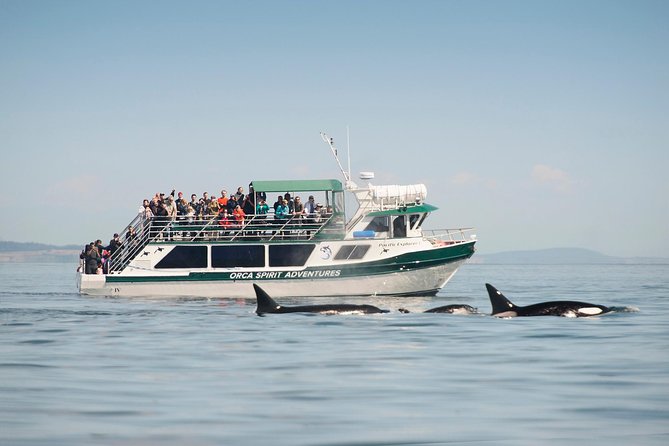
- Covered indoor cabin + outdoor 360° deck means you can change where you’re watching without missing the action.
- Marine naturalists on board help you understand what you’re seeing, including whale behavior and ecosystem context.
- Small-vehicle feel inside a max 75-person tour keeps things organized, while the upper deck can be limited for the best sightlines.
- Guides who take photos and share them have been a big part of recent trips.
- Weather-ready operation works rain or shine, so dress for cold and spray, not just sun.
Victoria whale watching from a covered vessel: what you’re really buying
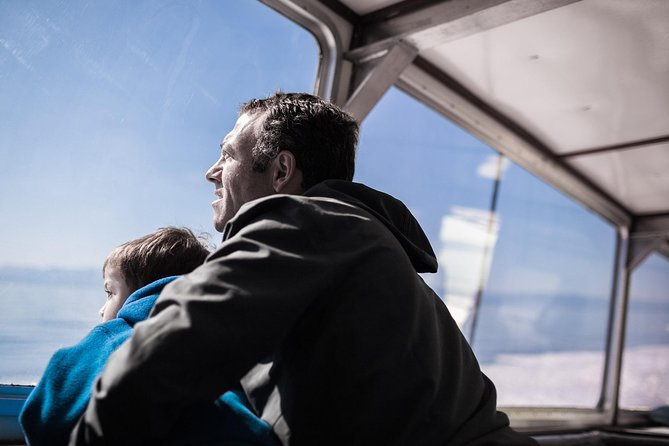
This isn’t the kind of tour where you spend three hours bouncing on deck with a flimsy rain poncho. You’re paying for a smarter way to whale watch: a comfortable, covered ride with multiple viewing options. That changes the experience in practical ways. You can warm up between sightings, keep your phone safe, and still step outside when the action gets close.
You’re also choosing a tour that leans on interpretation. The marine naturalists onboard are there to help you spot patterns: where whales tend to surface, how they move, and what other wildlife can hint at what’s nearby. People often walk away feeling like they understood the bay, not just the photos they took.
The other “you get what you pay for” part is the viewing advantage. Elevated outdoor decks with 360-degree sightlines are made for scanning fast. When whales surface, they don’t do it for long, and your ability to see quickly matters.
You can also read our reviews of more whale watching tours in Victoria
Getting to the boat at 146 Kingston St without losing time
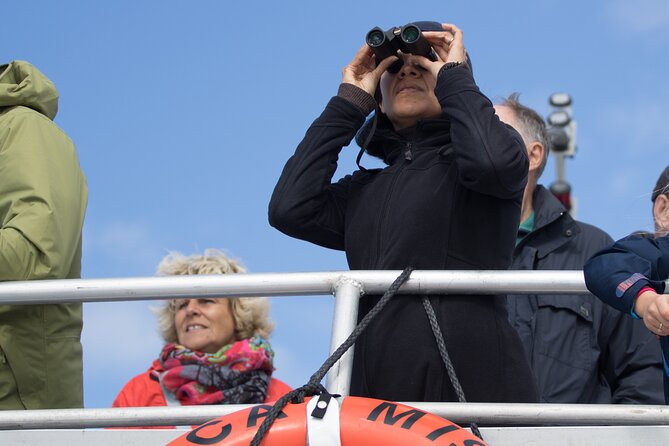
The meeting point is 146 Kingston St, Victoria, BC V8V 1V4. The tour also notes that it’s near public transportation, which is helpful if you’re not driving into downtown.
One practical tip: arrive early enough to get your bearings. Some people find they spend too long hunting for the right dock or building name, especially if they’re also juggling cruise timing or switching from another plan. If you’re staying close, great—still give yourself a buffer. A whale watching tour is one of those activities where missing the start can ruin your whole day.
Boarding is usually straightforward with a mobile ticket, and the tour is offered in English. The maximum group size is set at 75 travelers, so the operation isn’t a tiny boat where you feel alone, but it’s not a huge floating stadium either.
How 3 hours on the water feels: morning vs afternoon departures
This tour runs about three hours. You get a choice of morning or afternoon departure, and that choice can affect the vibe.
Morning departures often feel calmer. Afternoon outings can be great too, especially if you want a long morning for sightseeing and then a wildlife-focused chunk of the day that starts later. If you’re visiting Victoria on a tight schedule, picking the slot that fits your rest and weather window can be the difference between a fun outing and an exhausting one.
Either way, expect a workflow that looks like this: you head out, search actively with the crew guiding your attention, then you stay with sightings when whales come close or show interesting behavior. When whales linger nearby, the experience can stretch into longer observation time because the crew is watching how the animals respond to the boat.
What “best chance of spotting whales” means in real terms
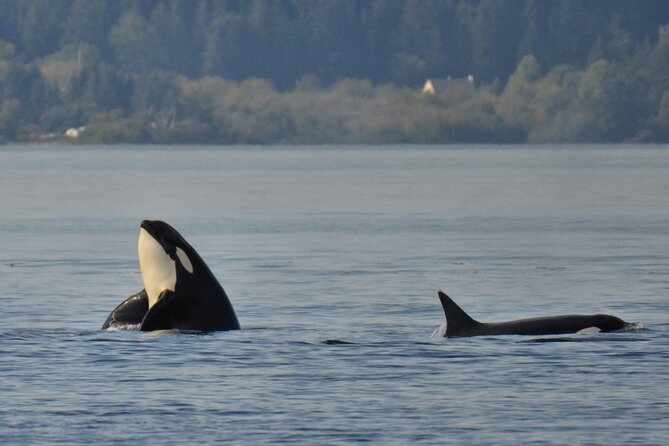
The tour promises a strong chance at whales and other aquatic life. Nobody can control wildlife, but crews can control effort and search strategy—and that’s what you’re buying here.
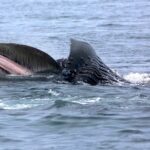
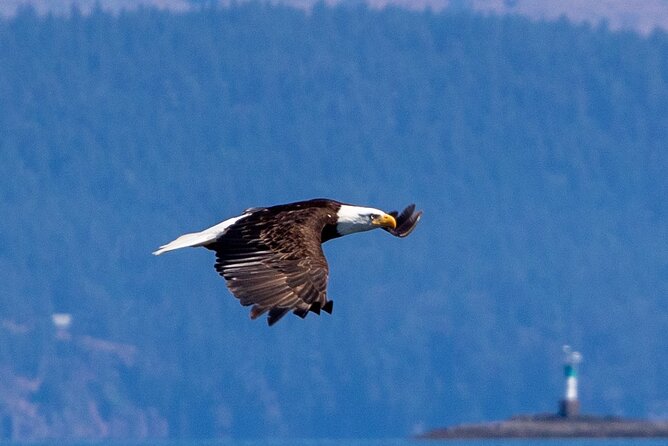
Recent experiences highlight how much the crew’s whale-finding process matters. People describe humpback whales surfacing repeatedly, sea lions popping up in clusters, and even eagles overhead in the same trip. Some outings also include orcas and porpoises, depending on what’s moving through the area.
There’s also a key behavior detail that can make the ride feel extra special: sometimes the captain will reduce engine noise or turn engines off when whales are close and curious. When that happens, you often end up “waiting” longer, because the whales aren’t rushing past. One account describes a whale-mugging moment where the boat lingered as the animal stayed engaged.
The takeaway for you: go in ready to scan. Don’t stare at one spot for the whole trip. Use the crew’s prompts, rotate your viewing angle, and be ready for fast changes.
The covered boat layout: where to stand for the best views
The structure is the heart of this tour. You’re on a covered vessel with indoor and outdoor viewing areas, and there are elevated outdoor 360-degree panoramic decks for photo opportunities. You’ll also find comfortable seating and full washroom facilities onboard.
Here’s the practical strategy I’d use if I were choosing my spot:
- If it’s cold or you’re worried about rain, start inside to get settled and stay dry.
- When the crew calls a sighting, get outside quickly, since the outdoor deck gives you the wider scan.
- If you want the best photo angles, focus on where you can see over heads—elevated decks help, but crowds still matter.
A heads-up from real-world experience: the upper deck can have limited capacity. Some people report only about 10 people allowed on the upper deck during their sailing, so if you care about that exact spot, get in early. If you don’t, don’t stress—inside viewing still works, and it keeps you warm.
Also, bring realistic expectations about motion. Even with a smooth ride, the ocean does what it does. Comfortable seating helps, but layers still win.

Your animal checklist: what you might see in Victoria’s waters
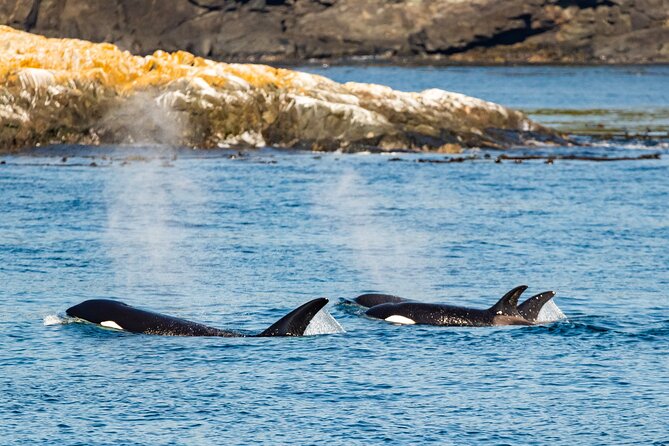
Whale watching here often turns into a broader wildlife buffet. Even on trips that focus on whales, you can end up with plenty more to watch.
Based on the experiences described:
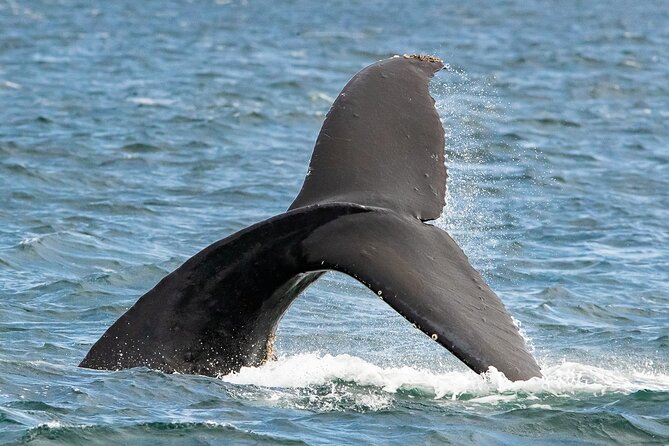
- Humpback whales are common highlights, including close surface moments and, in at least one case, a very impressive tail display.
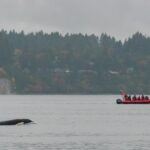
- Orcas can show up, including pods described as active and close to the boat.
- Sea lions often appear in groups near shorelines or in patterns that crews can track.
- Sea otters sometimes pop into view.
- Eagles can be spotted as you scan the air and shoreline.
- Other aquatic life sometimes appears alongside the main targets, like porpoises.
The big win is that the crew doesn’t treat the tour like a checklist. Marine naturalists explain what you’re seeing—why a whale might be surfacing where it is, what other wildlife can signal, and how the ecosystem ties together.
If you’re coming for one specific species, remember this: nature isn’t scheduled. Your best plan is to be excited about whales and also okay with surprise wildlife.
The crew: how names, humor, and real explanations change your ride
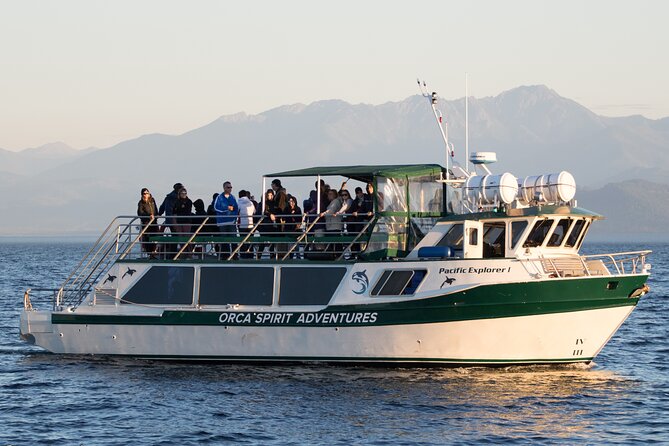
A whale watching tour lives or dies on the people running it. This one leans into marine naturalists and guides who do more than point. People mention staff members like Jake and Ryan for their passion and humor, plus other guide names such as Gordon, Briar, Olivia, Capt Ed, Liam, and others across different outings.
Even when the boat is busy, the crew tends to keep things moving and still make time for questions. Some accounts mention the staff actively help with relaxation and attention, which matters when you’re on the water and everyone is watching.
One standout perk in the stories: crew members taking photos on your behalf and sharing them for free. If you hate trying to time your own shots, or if your hands are busy holding binoculars, this can be a real quality-of-life upgrade.
Food and drinks: plan around what’s included
Food and most drinks aren’t included. You can buy drinks and snacks onboard. The tour also mentions complimentary beverages, so you might find something to sip without paying—just don’t build your plan on a full meal being part of the cost.
My advice: treat it like a light excursion, not a dinner cruise. If you need a real snack before you board, eat before you arrive. Then during the ride, use the onboard options if you want something extra.
That way you’re not stuck deciding whether to skip a call on a whale sighting because you’re hungry.
What to wear: cold deck reality and getting a little wet
This is the part people remember after the whales. The tour operates rain or shine, which means the deck and wind can be part of the deal.
Dress for cold and spray, not just weather you see when you start. Reviews strongly emphasize:
- Bring gloves, a hat, and warm layers for the upper deck.
- A warm coat helps a lot, especially if you plan to spend time outdoors.
- Consider a water-resistant jacket, because people report getting soaked on top if you stay on deck in rougher moments.
If you’re prone to motion sickness, it’s worth planning ahead. One account mentions sea sickness but still enjoying the trip. That tells me the tour is doable even if you have to manage your comfort carefully.
Also, if you know you’ll feel uncomfortable waiting outdoors in wind, use the indoor area as your “reset station.” The whole point of a covered setup is you don’t have to choose between freezing and missing the show.
Price and value: is $136.42 worth it?
At $136.42 per person for about three hours, it’s not a cheap activity. The value comes from the combination of comfort + visibility + crew effort.
Here’s the value math that makes sense:
- A covered, indoor-friendly vessel reduces the downside risk of cold weather, so your experience is less likely to turn into suffering.
- Elevated 360-degree decks improve your ability to spot surfacing whales fast.
- Marine naturalists add context that makes sightings more rewarding, even if the whale count varies.
- Onboard snacks and drinks being available means you can keep going without planning a full meal.
You’re also seeing a strong track record: a 4.6 rating from 482 reviews, with most people recommending the experience. That doesn’t guarantee whales, but it does suggest the operation is well-run and the crew consistently tries hard.
One more value point: the tour is popular enough that it’s often booked about 25 days in advance. If you’re traveling in peak seasons or you have a specific morning/afternoon slot in mind, booking early is a smart move.
Who this tour is best for (and who might want a different style)
This is a good fit for lots of people:
- Families who want a calmer, comfortable ride with washrooms and indoor viewing.
- Couples looking for a scenic, relaxed wildlife outing.
- Solo travelers who like structure and a knowledgeable crew rather than self-guided scanning.
- Anyone who wants a better chance at sightings because the crew is actively searching and explaining.
If you’re the type who wants a rough-and-raw adventure on an open deck, this might feel too comfortable. But if you value comfort, warm viewing options, and a focus on wildlife education, this covered-vessel approach is exactly the point.
Should you book Orca Spirit Adventures covered-boat whale watching?
I’d book it if you want Victoria whale watching with less weather stress and more help from the crew. The indoor warmth, full washroom facilities, elevated panoramic decks, and marine naturalists make it feel like a well-run wildlife outing, not a gamble where you freeze while waiting.
You should think twice only if your main goal is one exact species on a guaranteed schedule. No whale tour can promise orcas every time. If you can accept that nature decides, this is the kind of tour where the comfort and guidance keep the experience enjoyable even when wildlife timing is unpredictable.
If you go, prioritize warm layers, get ready to scan fast, and be open to the whole cast of wildlife beyond just whales.
FAQ
How long is the Victoria Whale Watching tour on a covered vessel?
It runs for about 3 hours (approximately).
Where does the tour start and end?
It starts at 146 Kingston St, Victoria, BC V8V 1V4, Canada, and ends back at the same meeting point.
Is food or drinks included?
Food isn’t included. Drinks and snacks are available to purchase onboard.
Is the boat covered, and do you have indoor viewing?
Yes. The vessels are covered and offer indoor and outdoor viewing areas, plus elevated panoramic viewing decks.
Does it run in rain?
The tour operates rain or shine, and you should dress appropriately.
Is whale spotting guaranteed, and what happens if the tour can’t run due to weather?
Whale sightings are not guaranteed. If the experience is canceled due to poor weather, you’ll be offered a different date or a full refund.

![[Private Tour] Healesville Sanctuary Wildlife & Puffing Billy Steam Train - Healesville Sanctuary: native bushland animals and close encounters](https://b.melbourneexplorer.com/wp-content/uploads/private-tour-healesville-sanctuary-wildlife-puffing-billy-steam-train-400x266.jpg)