REVIEW · MELBOURNE
Melbourne: True Crime Walking Tour of Fitzroy
Book on GetYourGuide →Operated by Melbourne Historical Crime Tours · Bookable on GetYourGuide
Fitzroy has a darker side, and this walk shows it fast. In 2 hours, you’ll trace Melbourne’s criminal streets and back alleys from the era when Fitzroy was called the home of its most notorious offenders. I love how the stories are built from police files, so it feels grounded, not just spooky.
My other favorite part is the free booklet: you get photos of the characters, plus crime-scene maps and documents that turn what you hear on the footpath into something you can study after. One consideration: if you want nonstop gangland action with very little detour into side context, you might find the pacing occasionally includes broader background.
In This Review
- Key things to know before you go
- Fitzroy’s criminal past, told from police paperwork
- Where you start: Melbourne Museum’s orange bench seat
- The 2-hour route through southern Fitzroy streets and alleys
- Sly grog shops and dens of thieves: the speakeasy trail
- Former brothels, illegal trade, and the reality of survival
- Gangland murders and back-alleys where wars played out
- Squizzy Taylor and the Fitzroy Vendetta storyline
- The free booklet: photos, maps, and documents you can keep
- Guides who can answer questions and keep the pace human
- Price and value: $35 for a focused, take-home experience
- Who this Fitzroy true crime walk is best for
- Should you book the Melbourne: True Crime Walking Tour of Fitzroy?
- FAQ
- How long is the Fitzroy true crime walking tour?
- How much does the tour cost?
- Where do I meet for the tour?
- Is the tour guided and in English?
- What do I get with the tour?
- Is the tour based on real sources?
- Is the walking tour wheelchair accessible?
- Is free cancellation available, and can I pay later?
Key things to know before you go
- Police-file storytelling: the tour is based on original police material.
- Sly grog (speakeasy) sites: you’ll see the places tied to illegal alcohol dens.
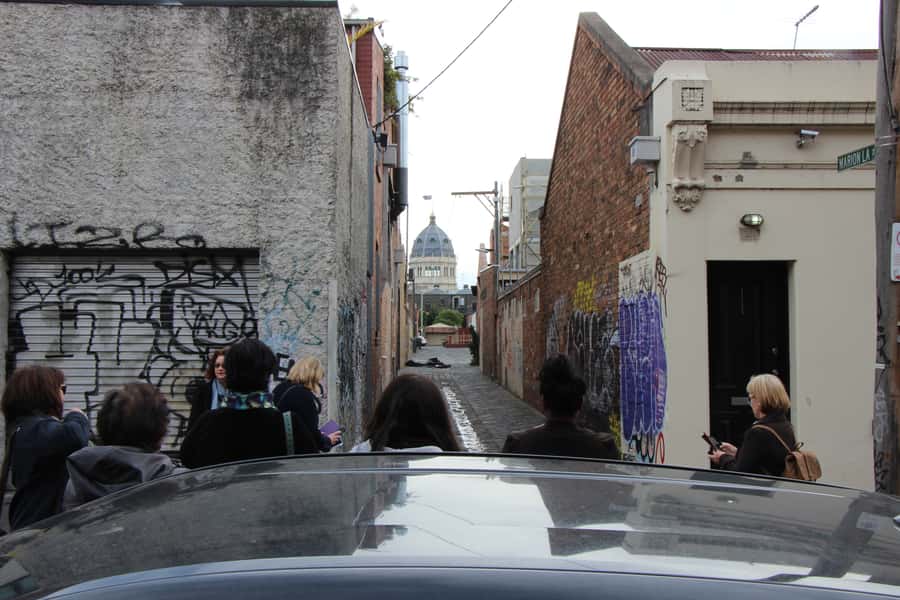
- Fitzroy’s back alleys: the route focuses on the streets where gang clashes played out.
- Squizzy Taylor is a major thread: you’ll follow his life as part of the wider crime picture.
- Free booklet in your hands: photos, maps, and other documents to take away.
Fitzroy’s criminal past, told from police paperwork
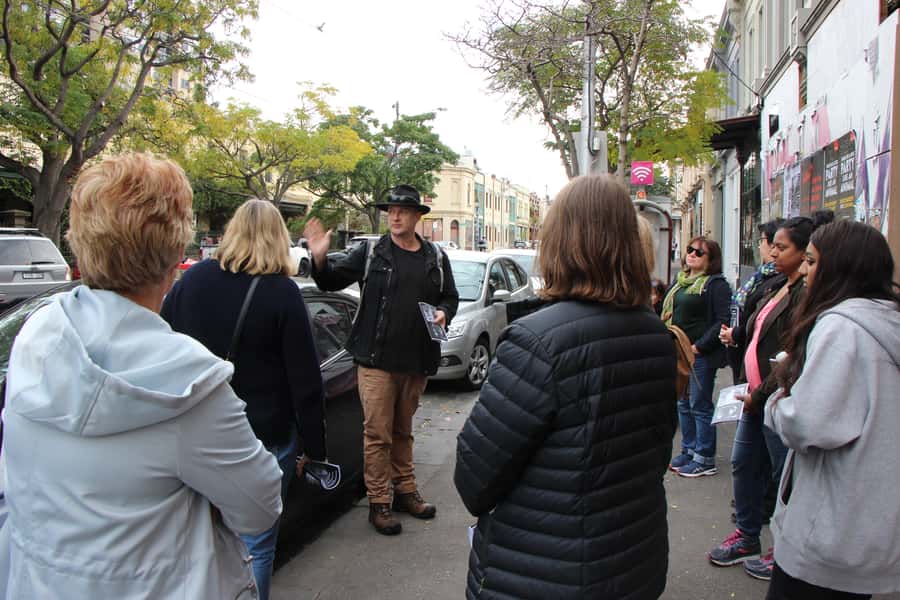
This tour works because it doesn’t treat true crime like camp. It uses original police material as the backbone, which gives the stories a firm spine: who was involved, what happened, and how it was recorded at the time. You still get the street-level grit, but the tone stays more grounded than rumor.
You’ll also notice something important right away: the crime story in Fitzroy isn’t just one plot. It’s a web of struggling people, shady businesses, and neighborhoods that were wired for survival. That makes the gang war talk feel less like movie trivia and more like social reality.
And yes, the topic is grim at points. Still, the guide’s job is to explain what happened and where, not to sensationalize it. If you’re the type who likes your history specific and evidence-led, you’re going to enjoy the approach.
You can also read our reviews of more walking tours in Melbourne

Where you start: Melbourne Museum’s orange bench seat
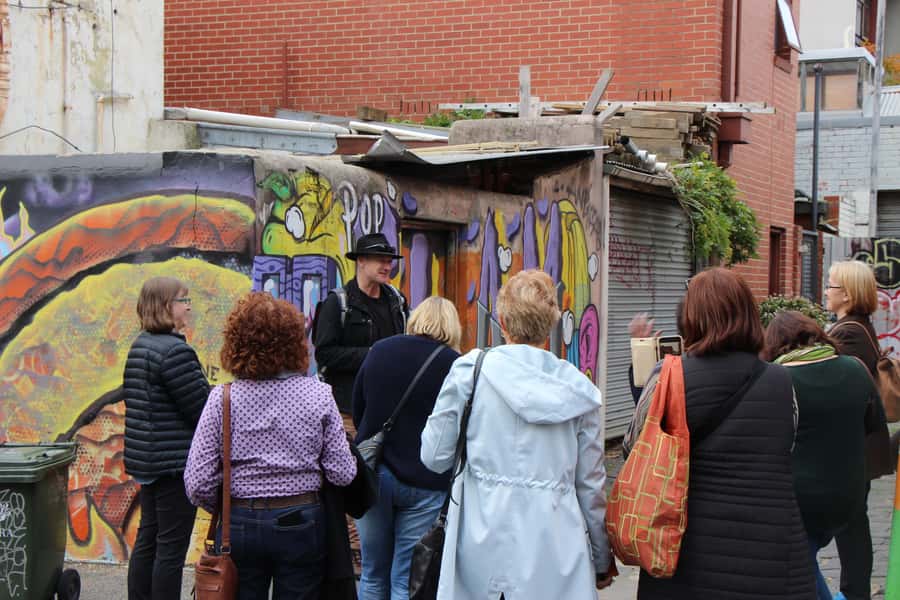
You’ll meet outside Melbourne Museum, at the entrance doors by the orange bench seat. It’s an easy, central meeting point, and it helps you get oriented before the tour starts.
Because this is a walking tour through inner-city streets and laneways, wear shoes you’re comfortable in for uneven pavement and frequent turns. Bring sunglasses if the weather is bright, and a light layer if Melbourne’s temperature swings on you. In fact, one reason the tour is popular is that guides can keep the flow going even if conditions aren’t perfect.
The 2-hour route through southern Fitzroy streets and alleys
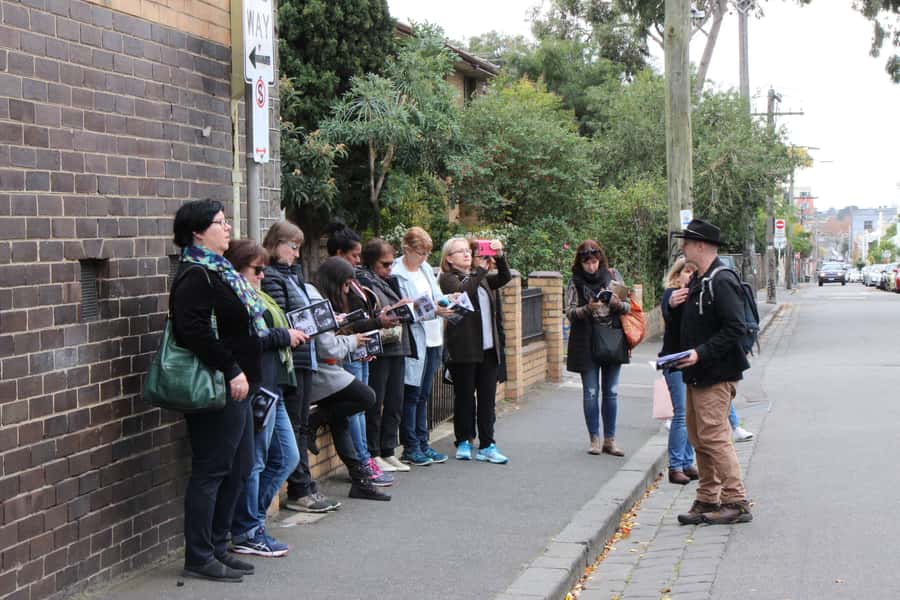
The tour focuses on southern Fitzroy, where Melbourne’s most notorious criminals lived and operated. In other words, you’re not just looking at landmarks from the outside—you’re walking through the same kinds of lanes and business areas where illegal trade, violence, and trouble would have felt normal.
Expect the guide to connect several themes as you go:
- The illegal economy (including alcohol)
- Places tied to brothels and other underground activity
- Locations associated with gangland murders
- Streets and back alleys tied to gang conflict
You’ll also be handed a booklet at the start, which helps you track names and places as the tour moves. It’s much easier to follow when you can glance down and match faces and stories to the street in front of you.
Sly grog shops and dens of thieves: the speakeasy trail
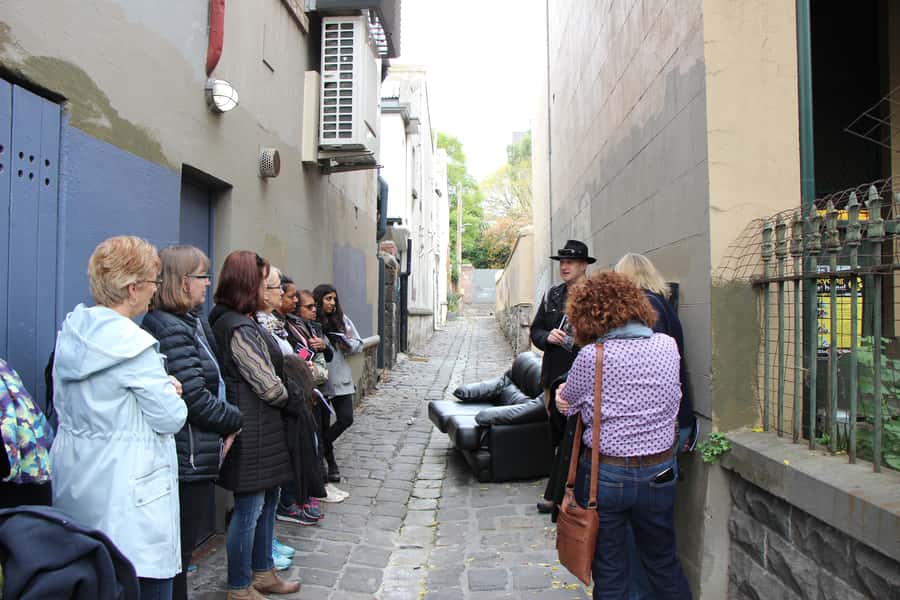
One of the standout threads is sly grog, Australia’s version of speakeasies—illegal alcohol traded under the radar. This is where the tour feels especially practical, because it turns old buildings into clues. You’ll look at the kind of sites that once functioned as sly grog shops and hiding places for people doing criminal work.
What I like about this segment is that it shows how crime wasn’t only about violence. It was also about business. Alcohol was a profit engine, and sly grog spots became nodes where people gathered, argued, and sometimes got pulled into the bigger fight.
As you walk, pay attention to the guide’s descriptions of what the buildings were used for and why those locations mattered. Even if you don’t spot any obvious “crime vibe” from today’s street scene, the guide helps you reconstruct how it would have worked back then.
Former brothels, illegal trade, and the reality of survival
The tour also moves through the darker edges of Fitzroy’s past, including sites tied to former brothels. That matters because it widens the picture beyond gangland violence. You start to see how some people were trapped by circumstance, how businesses operated in the shadows, and how neighborhoods carried reputations that followed them.
You’ll get a sense of what it meant to struggle for survival in an area considered by many to be a criminal center. That doesn’t excuse anything, but it does explain why certain patterns repeated. When a district becomes known for underground activity, people adapt. That includes criminals, but it also includes everyone orbiting them—workers, residents, rivals, and law enforcement.
This is also the point where the tour’s balance shows. The guide isn’t trying to romanticize harm. Instead, you get the social mechanics: the human pressure, the opportunism, and the constant risk.


Gangland murders and back-alleys where wars played out
Fitzroy’s reputation in this era wasn’t abstract. The tour takes you to the streets and back alleys where gangland wars were fought, and it references the sites of gangland murders tied to those conflicts.
Walking this portion of the route can feel a bit surreal, because today you’re looking at normal street life. But the guide places each story in context—what conflict was going on, what the likely stakes were, and why the specific spot mattered. That’s what turns a street corner into a real historical reference point.
If you’re into crime stories, this segment will likely be the most exciting. If you’re not, it still works as neighborhood history. You’ll come away understanding how public space—lanes, crossings, and late-night gathering areas—can become part of a conflict map.
Squizzy Taylor and the Fitzroy Vendetta storyline
A major thread is Squizzy Taylor. The guide ties him to key parts of his life—places where he drank, fought, and faced trial—so you’re not just learning a name. You’re tracking a person through the geography of crime in Fitzroy.
You’ll also hear the wider story arc that links individual episodes into something larger, including the Fitzroy Vendetta. This matters because it turns scattered incidents into a sequence. You start to understand how rivalries escalate, how reputations affect outcomes, and why the neighborhood itself seems to become a character in the story.
I like tours that use a central figure like this because it gives your brain an anchor. Without that, walking through a maze of names can become noise. With Squizzy Taylor as a guidepost, the tour stays readable even when the events are intense.
The free booklet: photos, maps, and documents you can keep
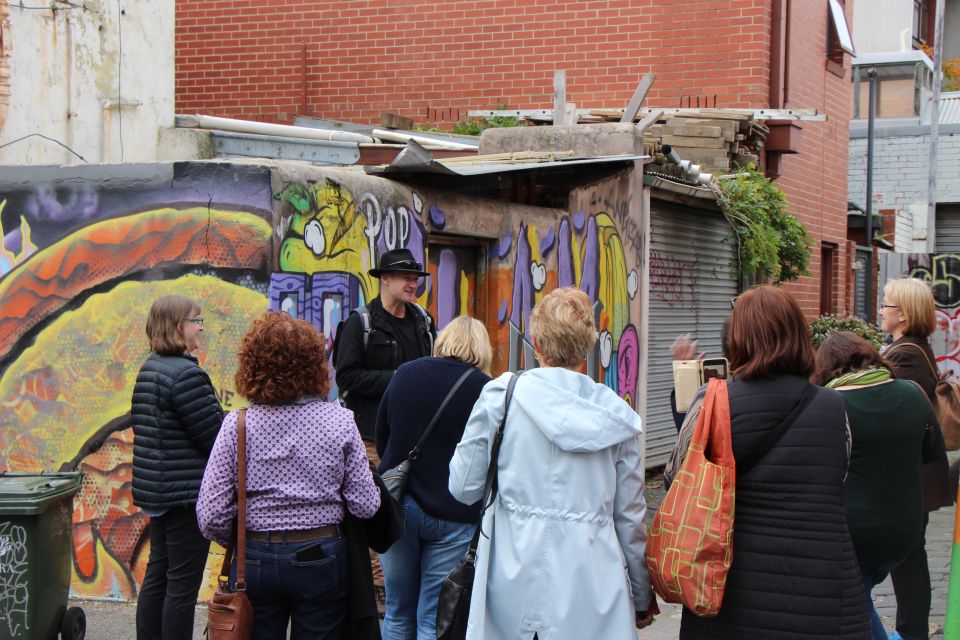
A big practical win here is that you don’t just hear the tour and forget it. You receive a free booklet with:
- Photos of the characters featured
- Crime scene maps and other interesting documents
I love this because it changes how you remember the walk. On the street, you get the story in motion. Afterward, the booklet lets you slow down and connect names to faces and places at your own pace.
If you’re the type who likes to revisit information, take notes, or share a few stories with friends later, this booklet is genuinely useful. It also helps you place the guide’s narrative into a clearer timeline once you’re back home.
Guides who can answer questions and keep the pace human
The tour is led by a live English guide, and the energy of the guiding matters a lot with true crime. In particular, guides like Michael and Andrew have been praised for being passionate and for bringing the characters to life without turning it into noise.
Pacing is another real factor. The tour is short enough—2 hours—that you shouldn’t feel stuck for a long time, but it still has room to connect the dots. If you like a tour where you can ask questions and get real answers, you’re more likely to enjoy this style.
One more small detail from lived experience: guides have shown they can adapt if the weather changes mid-walk. Melbourne rain is no joke, so having a guide who can keep things moving (and keep people comfortable) is a real plus.
Price and value: $35 for a focused, take-home experience
At $35 per person for a 2-hour walking tour, you’re paying for more than the time on the pavement. You’re paying for:
- A guided route through places tied to old crime activity
- A story structure built from police records
- A tangible takeaway booklet with photos and maps
For me, that makes the price easier to swallow. You’re not just buying narration for the moment; you’re getting material you can refer back to later.
Also, because the route is focused on a specific pocket of Fitzroy, the tour doesn’t feel like it’s trying to cover half the city. It sticks to what it promises: the southern Fitzroy crime district, the sly grog trail, brothel sites, murder locations, and the gang conflict storylines.
Who this Fitzroy true crime walk is best for
This is a smart pick if you:
- Like your history grounded in evidence (the police-file angle helps)
- Enjoy walking tours that feel like neighborhood storytelling, not just sightseeing
- Want a true crime experience without it being purely sensational
It’s also a good choice if you like structured narratives anchored by a central figure, since Squizzy Taylor gives the tour a storyline thread.
One caution: if you only want the most graphic details or you expect nonstop action with no background context, the tour’s broader “how things worked” framing might not match your exact taste. That doesn’t make it less interesting, just potentially less laser-focused than some people want.
Should you book the Melbourne: True Crime Walking Tour of Fitzroy?
If you’re planning a visit and you want one activity that adds texture to Melbourne—something darker, more local, and still grounded—this tour is worth booking. The combination of police-file storytelling, an efficient 2-hour route, and the free booklet makes it good value for the money.
I’d especially recommend it if you like Fitzroy as a place you want to understand, not just walk through. You’ll leave with names, maps, and a clearer sense of how old vice businesses and street conflict shaped the neighborhood.
FAQ
How long is the Fitzroy true crime walking tour?
The tour lasts 2 hours.
How much does the tour cost?
It costs $35 per person.
Where do I meet for the tour?
Meet outside Melbourne Museum, at the entrance doors next to the orange bench seat.
Is the tour guided and in English?
Yes. It’s a live tour with an English-speaking guide.
What do I get with the tour?
You get a free booklet containing photos of the characters featured and other items such as crime scene maps and documents.
Is the tour based on real sources?
Yes. The tours are based on original police files.
Is the walking tour wheelchair accessible?
Yes, the tour is listed as wheelchair accessible.
Is free cancellation available, and can I pay later?
There is free cancellation up to 24 hours in advance for a full refund, and you can reserve now & pay later.