REVIEW · MELBOURNE
Melbourne Zoo General Entry Ticket
Book on Viator →Operated by Zoos Victoria · Bookable on Viator
Melbourne Zoo is one of Australia’s easiest animal days near town, with 320 species across continents. This is general entry, so you can set your pace and still catch the standout exhibits—from marine life in the Wild Sea to primates up in the trees.
I love how simple the ticket format feels with a mobile entry option, and I like that the zoo is planned for real wandering, not rushing. I also appreciate that keeper talks and presentations are included, so your visit isn’t just look-and-snap.
The main drawback is that it’s a large park, so plan for lots of walking and know that some animals can be hard to spot at any given moment (especially if they’re resting or an area is being updated).
In This Review
- Quick hits before you go
- Getting In Right Where the Action Is: City-Friendly Zoo Access
- Wild Sea Exhibit: Marine Life You Can Actually See
- Trail of Elephants and the African Savannah: Big Animals, Open Air Viewing
- Lemur Island and Orangutans: Tree-Level Watching Without Guesswork
- Gorillas, Rainforest Tropics, and the Pygmy Hippo Detail
- Butterfly House: Tiny Wings, Big Attention
- Kid Zones and Interactive Play: More Than Just Watching
- Food Stops That Work for Real Family Time
- Timing Tips: How Long You Really Need
- Price and Value: Is $40.88 Fair for a General Entry Ticket?
- Who Should Book This Zoo Ticket
- Should You Book the Melbourne Zoo General Entry Ticket?
- FAQ
- How much does a Melbourne Zoo general entry ticket cost?
- What’s included with the ticket?
- Do I get food included?
- How long should I plan to spend at the zoo?
- Is the ticket mobile?
- What are the opening hours?
- What animal zones and exhibits are part of the experience?
- Is the zoo close to public transportation?
- What’s the cancellation rule?
Quick hits before you go
- Wild Sea puts penguins, fur seals, sharks, and seahorses under one roof-like encounter zone
- Trail of Elephants connects you to the zoo’s big-scale habitats without forcing a rigid route
- Lemur Island is a classic family stop with active, visible behavior
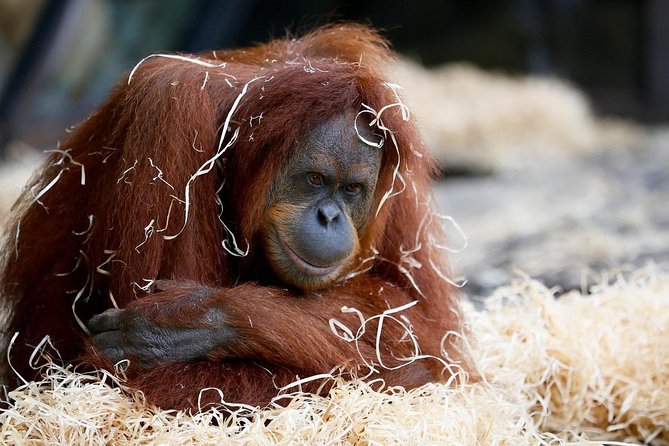
- Orangutans from an elevated walkway mean you can watch them from a better angle than ground level
- Rainforest gorillas and tropical neighbors give you a mix of powerful and unusual species
- Butterfly House can put calm, close-by nature on your kids’ radar fast
Getting In Right Where the Action Is: City-Friendly Zoo Access
Melbourne Zoo sits close to the city center, which matters more than people think. When you’re paying for a full-day attraction, you want the day to start fast, not after a long transit puzzle. This ticket is general admission, so you’re not tied to a set group schedule.
You’ll likely use public transport or a taxi/ride-share approach, since the zoo is near public transportation. That flexibility is helpful if you’re traveling with kids, pushing a stroller, or just trying to avoid parking stress. Service animals are allowed too, which is good to know if you’re traveling with a working companion.
The big practical point: because it’s self-guided, your “plan” is more about deciding which zones are must-sees. You don’t need a battle map, but you do need comfortable shoes and some common sense about how long you want to spend.
You can also read our reviews of more tours and experiences in Melbourne


Wild Sea Exhibit: Marine Life You Can Actually See
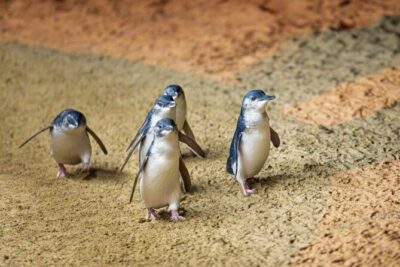
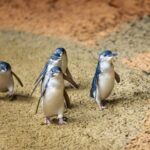
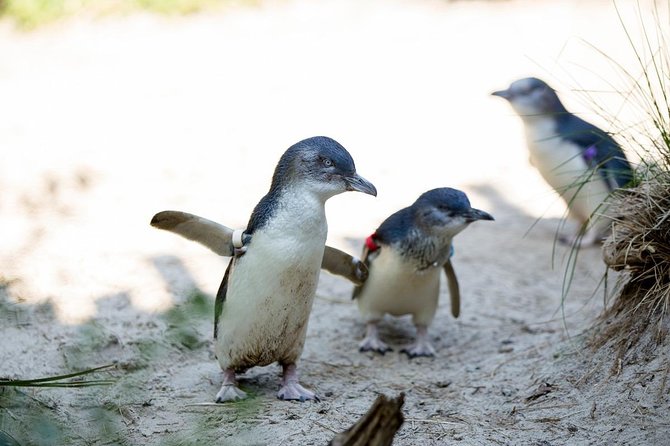
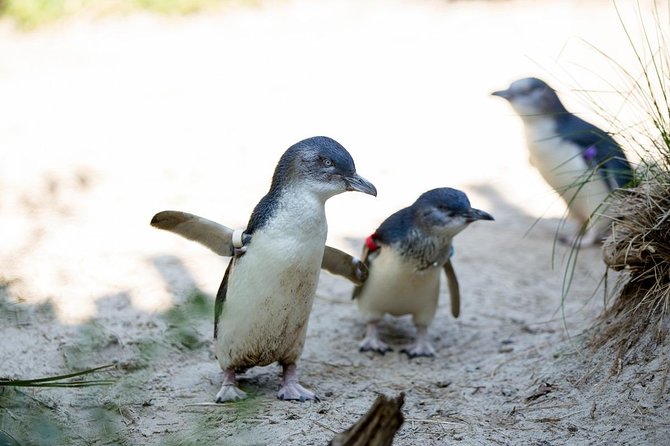
The Wild Sea exhibit is one of the best reasons to choose Melbourne Zoo as your animal day. Instead of sending you off to separate marine displays, it focuses on a tight set of species you can compare side-by-side: penguins, fur seals, sharks, and seahorses.
For families, it’s also an easy win. Marine exhibits can be hit-or-miss if kids get bored waiting for action. Here, you’re walking through a sequence of animals that naturally draw attention. Fur seals and penguins tend to be the “quick wow” stops, while seahorses and sharks are the “slow wow” stops once you’re willing to pause and look.
If you love animals that live in and around water, build your day around Wild Sea early or late. Early means you can watch before the day heats up your energy. Late means you might catch different animal rhythms. Either way, this zone gives you variety fast without requiring a long detour.
Trail of Elephants and the African Savannah: Big Animals, Open Air Viewing
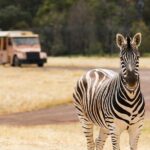
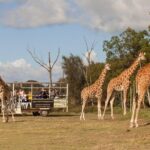
One of Melbourne Zoo’s strengths is scale. You get open-air habitats for animals that feel more like you’re visiting a habitat than staring at a wall. The African savanna area is where you’ll see giraffes and zebras grazing in open-air enclosures.
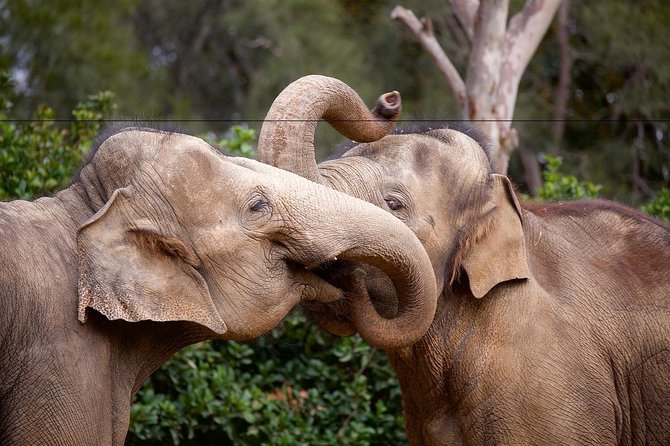
Then the Trail of Elephants adds another level. Walking this area feels different because elephants are a “size changes the whole scene” animal. Even if you don’t get a perfect view every second, elephants pull your attention in a way that smaller exhibits can’t.
A quick reality check: open-air enclosures mean the animals control how visible they are. If it’s hot, windy, or they decide to shift positions, your view may vary. That doesn’t mean the visit is wasted—it just means you’ll want patience. I’d rather plan for flexible viewing than assume every animal will perform on command.
Lemur Island and Orangutans: Tree-Level Watching Without Guesswork
Two highlights that fit together well are Lemur Island and the orangutan exhibit with the elevated walkway.
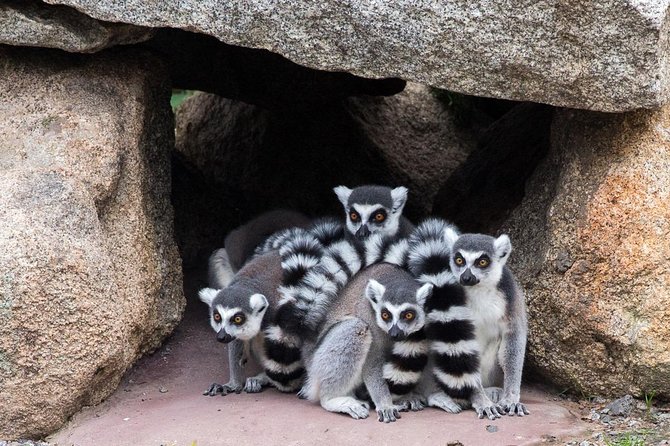
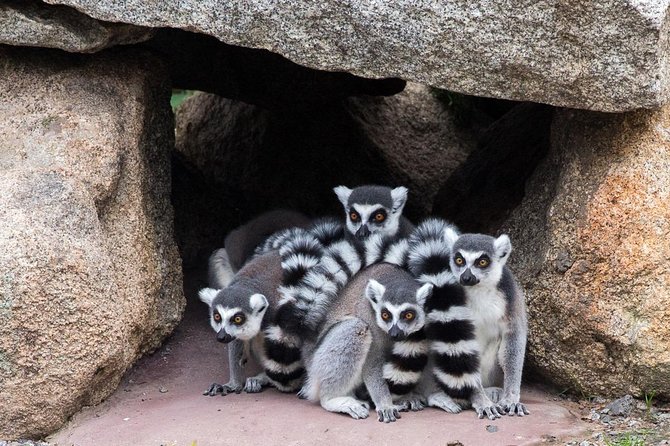
Lemur Island is designed for being in the middle of the action. Ringtail lemurs are known for being active and social, so this is a great zone when you want movement rather than just stillness. It also works well if you have younger kids, because the exhibits support short attention spans and frequent “look over there” moments.
Then there’s the orangutan area. Watching orangutans from an elevated walkway can change everything. Instead of hoping you catch them from the ground, you’re positioned to see their treetop routines more easily. It’s the kind of exhibit where a moment of quiet pays off.
If you like planning around photo opportunities, think in terms of “angles.” A walkway gives you angles you can’t easily reach with a crowd pressing from one spot. For me, that’s one of the best ways to make a zoo day feel less stressful.
Gorillas, Rainforest Tropics, and the Pygmy Hippo Detail
The rainforest exhibit is where Melbourne Zoo leans into drama and depth. Gorillas are the headline attraction, but you’re not walking into a one-animal zone. The rainforest setting also includes other tropical species, such as the pygmy hippopotamus.
What’s valuable here is that the exhibit design can help you understand the animals as living pieces of a broader system, not just isolated attractions. Even if you’re not a “science museum” person, you’ll likely enjoy how the environment supports the animals’ natural behaviors.
This is also a good exhibit to slow down for. Rainforest areas can feel cooler than open-air sections, so if you’re trying to manage energy levels for kids, it’s a nice mid-day reset.
You can also read our reviews of more tours and experiences in Melbourne

Butterfly House: Tiny Wings, Big Attention
The Butterfly House is exactly the kind of stop families love because it can be gentle and interactive without being chaotic. The greenhouse enclosure is lush and calm, and butterflies may land right on you as you make your way through.
Even if your kids don’t care about butterflies at the start, this is a great “let’s see what happens” zone. It’s sensory. It’s close. And it’s easier to enjoy than chasing big animals that might be hidden by distance or shade.
A practical tip: give yourself time here. If you rush, you miss the point. If you slow down, you’ll see more than you expect. And if you’re traveling with a stroller, go in with the mindset that the path is narrow at times in greenhouse-style exhibits.
Kid Zones and Interactive Play: More Than Just Watching
Melbourne Zoo doesn’t treat kids like an afterthought. There are play spaces where kids can learn what it’s like to be a zookeeper, plus giant tunnel play that mimics a meerkat burrow experience.
These sections matter because zoo days can get long fast. If you only have “look at animals” stops, the day can feel exhausting. Interactive play breaks that up and gives kids a way to use energy while still keeping the day on theme.
This is also where you’ll get the best family rhythm. Adults can take a breather, kids can move, and everyone can reset their attention for the next animal zone.
If a few days of weather have you stuck indoors at other attractions, the mix of outdoor enclosures plus greenhouse-style stops like the Butterfly House helps keep the day varied.
Food Stops That Work for Real Family Time
Food and drinks aren’t included with the ticket, so you’ll need to plan for meals and snacks on your own. The good news is there are many restaurants and cafés inside the zoo area.
In a place like this, food planning is mostly about timing. If you eat too early, you’ll get hungry again right when the best exhibits are calling. If you wait too long, you’ll end up spending time searching for a workable option while everyone gets cranky.
I like to treat food as a schedule tool. Choose a café stop when your legs want a break, not when your hunger hits a crisis point. And if your group includes kids, plan a snack midway through the day so you can protect your end-of-day energy.
Timing Tips: How Long You Really Need
The ticket is flexible for a 2 to 8 hour day, depending on how deep you want to go. For many people, 2 to 4 hours is enough for the big highlights. For families with younger kids, 4 to 6 hours is common because you’ll naturally stop for play zones, restrooms, and photo pauses.
If you want to see a lot of the zoo without feeling rushed, aim for a longer middle window. Melbourne Zoo is the oldest zoo in Australia, and it’s home to more than 320 species, which means your day can stretch if you like to watch behavior rather than just view animals.
Also consider the season. Some areas may be closed for renovations at times, which can affect your route and expectations. And like any zoo, animal visibility changes with daily conditions. The best strategy is to prioritize your “can’t-miss” exhibits, then let the rest happen at your pace.
Price and Value: Is $40.88 Fair for a General Entry Ticket?
At $40.88 per person, this general admission ticket is priced like a full-day attraction, not a short stop. The value comes from two things you get without paying extra: general entry and included keeper talks and presentations.
That combination matters. If you only visited exhibits, you might wonder if the cost matches the number of animals you actually see at that moment. With keeper talks included, you get education that can make the time feel more meaningful, even if an enclosure is quieter than you hoped.
You’ll also get a zoo with a lot of moving parts: open-air habitats, rainforest and greenhouse areas, marine viewing, and kid-oriented interactive spaces. If you’re going with family, that mix can stretch your budget further than a smaller attraction with fewer “types” of experiences.
If you’re visiting solo and want a fast hit, you might feel the price is high for time spent. If you’re planning a proper zoo day, the price starts to feel normal—and you’ll likely spend more time than you originally planned.
Who Should Book This Zoo Ticket
This is a smart choice if you want a family-friendly day with real animal variety and exhibits that cover different environments. It also fits well if you like zoos that focus on conservation messaging as part of the overall experience, with conservation efforts highlighted as you learn about endangered species protection.
It’s especially good for:
- Families with kids who need play zones to keep the day moving
- Animal lovers who like comparing habitats (open air, rainforest, greenhouse, marine)
- Travelers who prefer a self-paced day over a tight group schedule
- People who want city-close access and a practical transport setup
It may be less ideal if you expect constant animal action on demand or you dislike lots of walking. If you’re in a group with limited mobility, plan for shorter loops and rest breaks, since the zoo is spread out.
Should You Book the Melbourne Zoo General Entry Ticket?
Yes, you should book if you’re after a classic Melbourne animal day with variety built in: Wild Sea, elephants, African savanna viewing, primates from smart angles, rainforest gorillas, and the Butterfly House. The included keeper talks and presentations help justify the ticket price, turning it into more than just sightseeing.
I’d think twice if you’re only looking for a quick one-spot visit or you’re sensitive to lots of walking. Go anyway if you can manage pace and build your day around a few top exhibits.
FAQ
How much does a Melbourne Zoo general entry ticket cost?
The ticket price is $40.88 per person.
What’s included with the ticket?
General admission is included, along with all keeper talks and presentations.
Do I get food included?
No. Food and drinks are not included, so you’ll need to buy meals and snacks on your own.
How long should I plan to spend at the zoo?
You can spend about 2 to 8 hours inside during opening hours, depending on how much you want to see.
Is the ticket mobile?
Yes. The ticket is a mobile ticket.
What are the opening hours?
For the dates listed, opening hours are 9:00 AM to 5:00 PM (Monday through Sunday).
What animal zones and exhibits are part of the experience?
The zoo features multiple exhibits such as Wild Sea, Trail of Elephants, African savanna enclosures, Lemur Island, an elevated orangutan exhibit, a rainforest gorilla exhibit, and the Butterfly House.
Is the zoo close to public transportation?
Yes. It’s near public transportation.
What’s the cancellation rule?
Free cancellation is available up to 24 hours in advance for a full refund. Within 24 hours of the experience start time, there is no refund.