REVIEW · MELBOURNE
Melbourne: SEA LIFE Aquarium Entrance Ticket
Book on GetYourGuide →Operated by SEA LIFE Melbourne · Bookable on GetYourGuide
One ticket, one big ocean day in Melbourne. SEA LIFE Melbourne Aquarium sits in the CBD, right by the Yarra River, so it’s easy to tack onto a sightseeing day.
I really like two things about this visit: the chance to see King and Gentoo penguins up close, and the unforgettable “wait, that’s real” moment with Pinjarra, a huge saltwater crocodile.
One consideration: it can get crowded, especially on school holidays and wet days, and that can make it harder to get prime viewing spots.
Key highlights at a glance
- 12 zones and 10,000+ animals mean you can move at your own pace without feeling rushed.
- Bay of Rays is built for close-up sting ray viewing.
- Pinjarra the saltwater crocodile is a headline act in the building.
- World’s only elephant shark display is a rare species-focused stop.
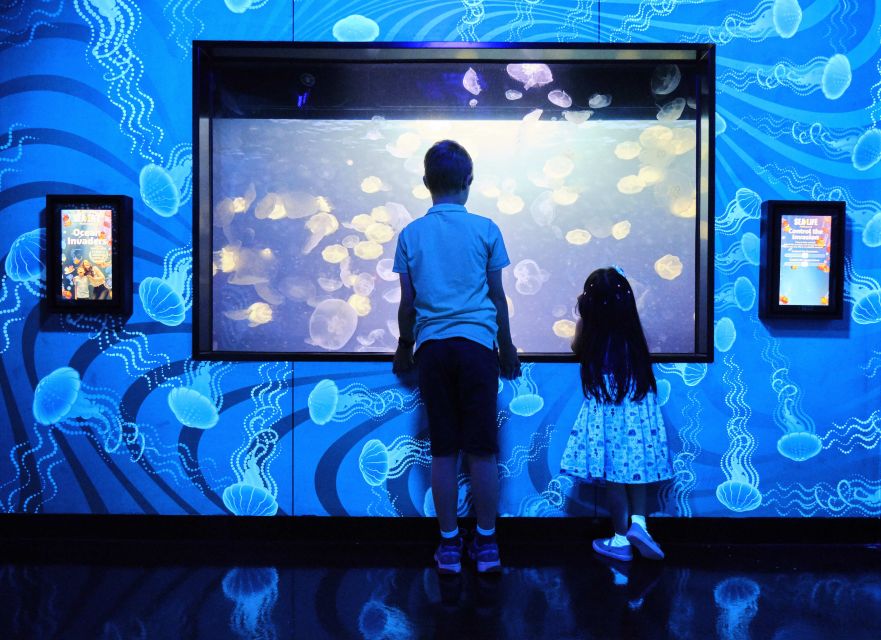
- Ocean Invaders brings you into the jellyfish world plus daily animal presentations.
- Penguins on Antarctic ice is the kind of ending that keeps people smiling as they leave.
In This Review
- SEA LIFE Melbourne Aquarium in the CBD: finding the entrance fast
- What a one-day ticket really gets you (self-guided and built for repeat viewing)
- Penguins on Antarctic ice: why this exhibit is the crowd favorite
- Bay of Rays and the Ocean Invaders jellyfish hall
- Pinjarra the crocodile and the elephant shark moment you’ll remember
- Oceanarium feeding from the 2.2 million liter tank (and why it matters)
- 4D cinema, touch pools, and the extras that fill the gaps
- How long to plan, and when crowds can slow your day down
- Price and value: is $28 a good deal?
- Who should book this ticket?
- Should you book SEA LIFE Melbourne Aquarium?
- FAQ
- Where is SEA LIFE Melbourne Aquarium located?
- How long is a SEA LIFE Melbourne Aquarium entrance ticket valid for?
- How many animals can you see?
- What are some of the top exhibits included in the ticket?
- Is there anything besides self-guided exhibits?
- Can I use the ticket later if my date changes?
SEA LIFE Melbourne Aquarium in the CBD: finding the entrance fast
Start at Flinders Street and King Street, on the banks of the Yarra River, opposite Crown Entertainment Complex. The location is a big deal. You’re not staging a special trip. You’re stepping into an attraction that’s already inside the rhythm of central Melbourne.
The corner entrance makes first impressions easy: you can orient quickly, and it’s straightforward to get everyone moving in the same direction. If you’re combining this with other CBD stops, you’ll also appreciate that you can grab food nearby and then return when you’re ready.
One practical note from real-world experience: if it’s a popular school-day slot, expect more movement around the entrance areas. People tend to funnel toward the same “first big wow” displays, so arriving earlier in your day helps.
What a one-day ticket really gets you (self-guided and built for repeat viewing)
This is an entrance ticket for a 1-day visit, and once you’re inside, the flow is designed around 12 different zones. That matters because it means you’re not locked into a strict route. You can follow what grabs your attention—then double back if you missed something.
You’ll see 10,000+ aquatic animals, including standout specialty areas like the seahorse paternity ward and the world’s only display of elephant sharks. The setup is meant to be educational, but it doesn’t feel like a lecture. It’s more like: stop, look, read a bit, then move on when you want.
Also, you’ll catch daily animal presentations and feedings (including shark and ray feedings). Those moments add structure to a self-guided day. Think of them as built-in “checkpoints” that help you time your walk.
You can also read our reviews of more tours and experiences in Melbourne



Penguins on Antarctic ice: why this exhibit is the crowd favorite

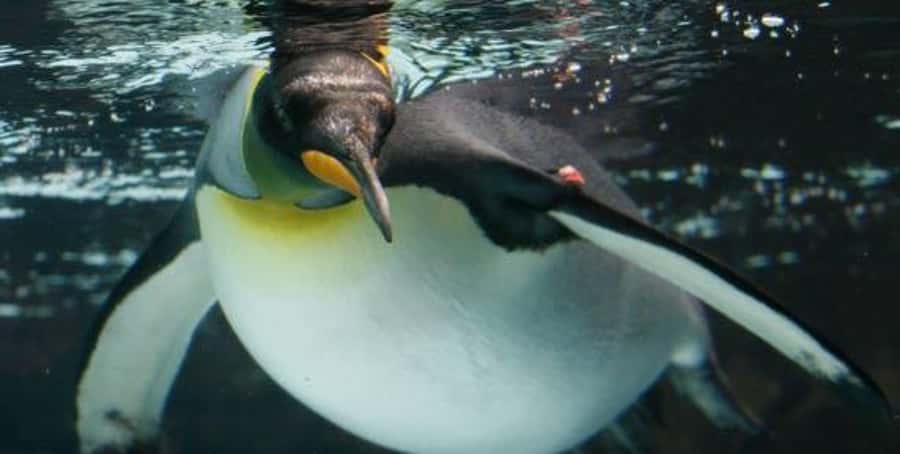
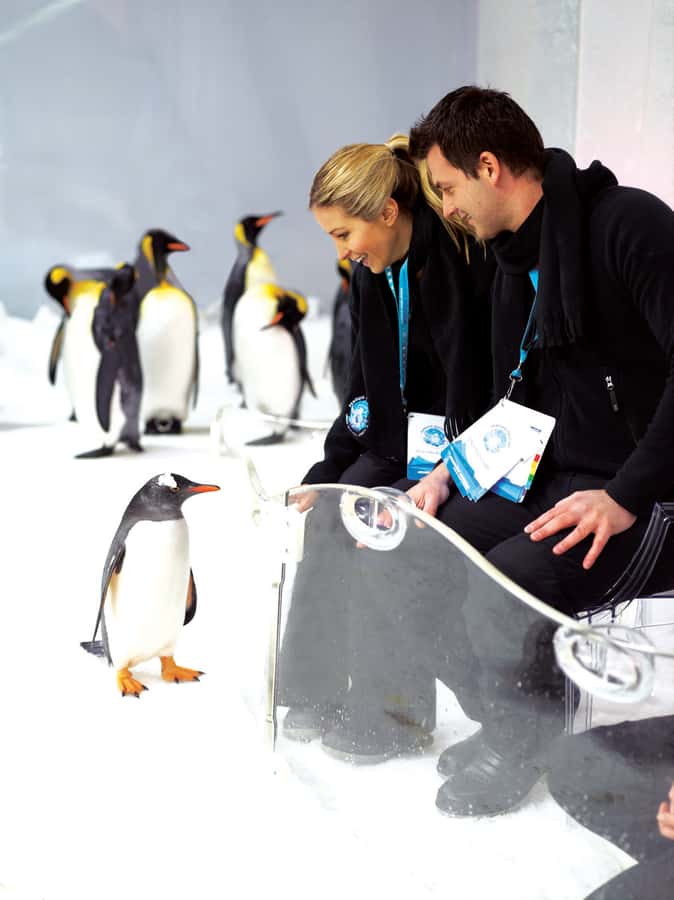
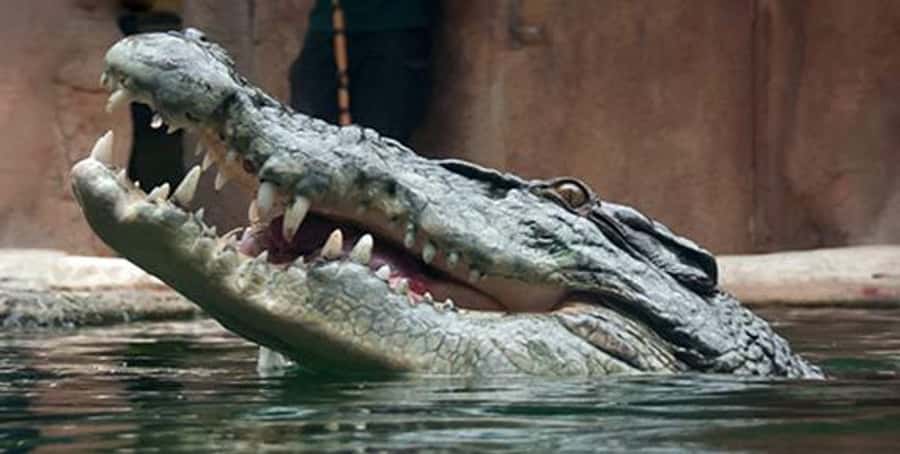
The penguin section is the headline for a reason. The Antarctic-style ice exhibit lets you sit among King and Gentoo penguins, which is a very different vibe from typical tank viewing. The animals aren’t just behind glass at the side of the room. The design makes it feel like part of your day, not a quick glance.
Expect the penguin stop to draw the biggest attention. On busy days, you may need a little patience to get the view you want, especially if families are arriving in waves. But even when it’s crowded, the exhibit is the kind that keeps people leaning in—because penguins do their own thing, and that’s the fun.
If you’re trying to plan your visit, I’d treat penguins as your anchor. Aim to reach it when you can give it time, not right at closing. It’s also a great “end point” exhibit: you’ll likely finish the day on a high note.
Bay of Rays and the Ocean Invaders jellyfish hall
The Bay of Rays is one of the most practical “close-up” areas in the aquarium experience. Sting rays don’t always look impressive at distance. Here, the display encourages you to get closer and actually track movement, which makes the animal feel more real.
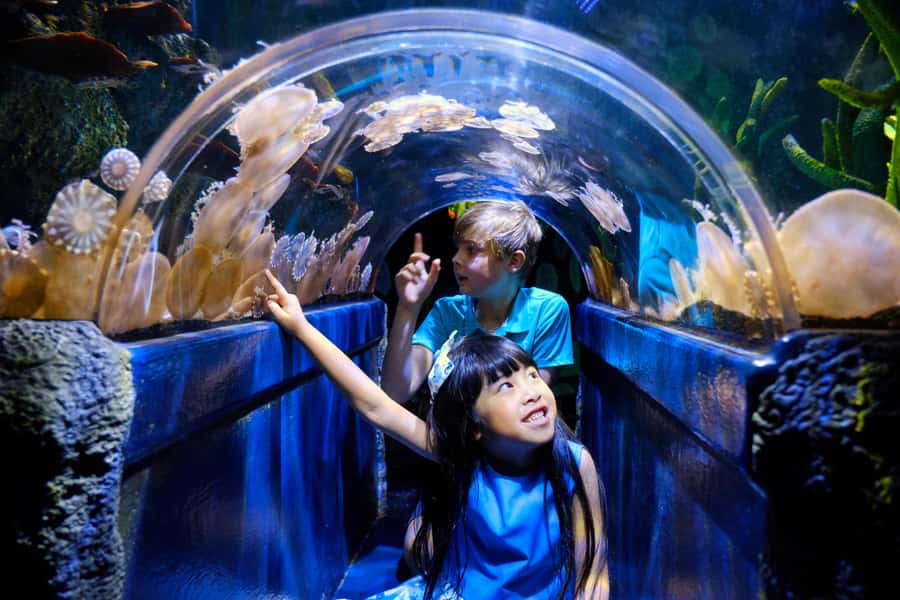
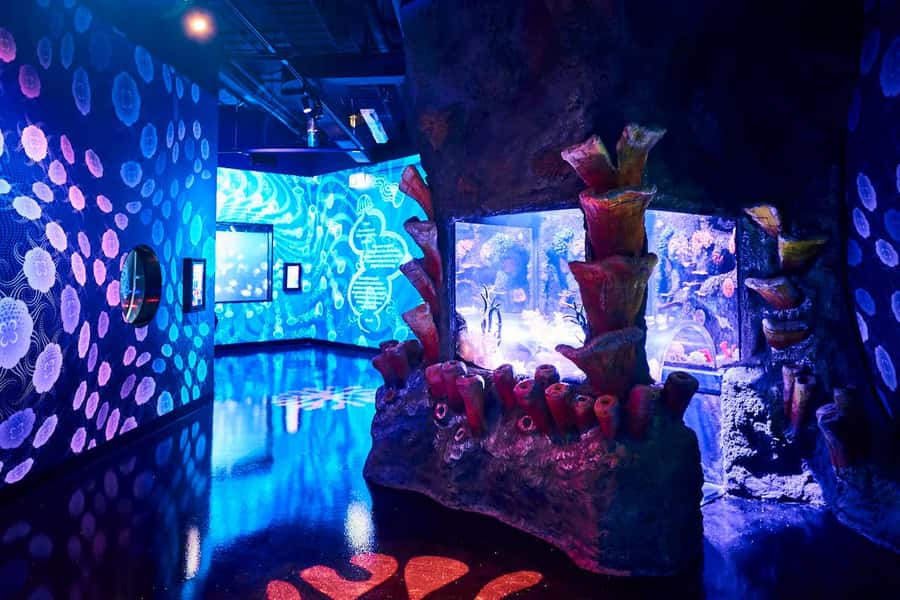
Then there’s the Ocean Invaders exhibit, which focuses on jellyfish. If you like exhibits that feel like you’ve entered another underwater world, this is one of those sections. It also helps break up the day so it’s not just fish and tanks in a row.
My tip: don’t rush the ray and jellyfish sections as if they’re chores. Spend a little extra time watching how the animals move. That attention is where the learning happens, and it’s also what makes photos look better even when you’re not trying.
Pinjarra the crocodile and the elephant shark moment you’ll remember
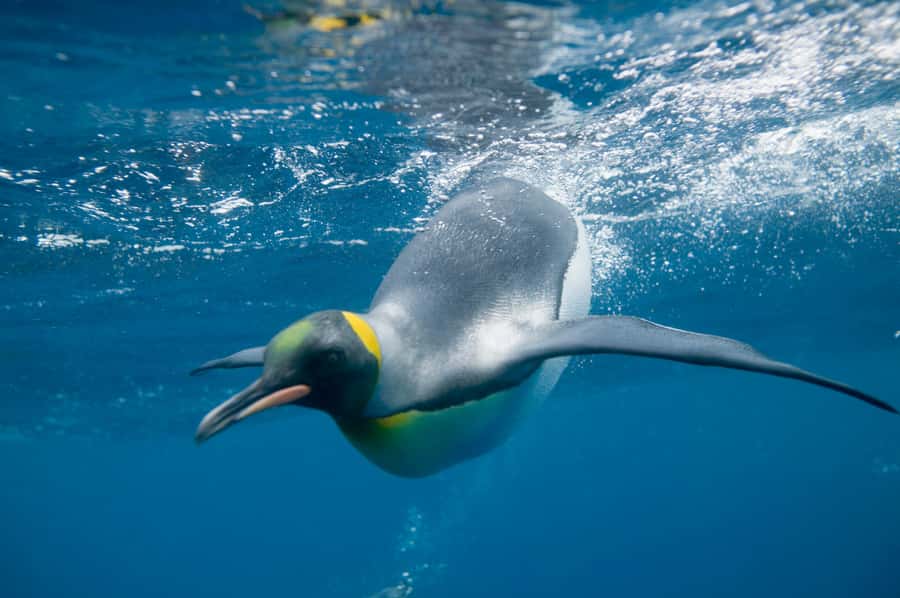
This is the “how is that in an aquarium?” stop. Pinjarra is a saltwater crocodile and one of Australia’s largest. The fact that you can come face-to-face with a creature that big is enough to make the day feel special, even if you’re not a lifelong aquarium person.
Another standout is the world’s only display of elephant sharks. Elephant sharks are the kind of animal that many people only know from random facts. Seeing them in a dedicated display makes the “wow” more specific and more memorable.
There’s also a seahorse section with a seahorse paternity ward. It’s a smaller exhibit compared to penguins, but it tends to reward people who like detail—because seahorses aren’t fast, and the exhibit focus gives you time to really look.
If an animal area is unexpectedly busy or partially unavailable on the day you go, don’t panic. Staff support can be helpful in getting you what you came for, including photos when something doesn’t line up.
Oceanarium feeding from the 2.2 million liter tank (and why it matters)
One of the biggest “activity” moments is feeding in the 2.2 million liter Oceanarium. It’s not just a show. It helps you understand the scale of what you’re looking at, because feeding draws attention to the water column, not just the edges of a tank.
This is also the kind of moment that works well for mixed groups. Kids get the action. Adults get the sense of place and the chance to watch behavior. Even people who claim they only came for penguins often end up lingering for the feeding.
If you’re sensitive to crowding, plan to be in the area a bit early for feedings. When the moment starts, everyone moves at once, and the best viewing spots go fast.





4D cinema, touch pools, and the extras that fill the gaps
This SEA LIFE visit includes more than walk-through viewing. You’ll find daily presentations plus add-ons like:
- 4D cinema
- hands-on touch pools
- kids activities
These extras make the visit easier to manage if you’re traveling with children. They also prevent the day from feeling like one long corridor.
A practical way to use these: if a particular exhibit is packed, shift to an extra. The 4D cinema and touch pools can give your group a reset before you return to the high-demand animal areas like penguins or the crocodile.
For adults traveling without kids, the animal displays still do the heavy lifting. You might find you prefer pacing—choose a few “must see” areas, then wander with intention instead of trying to catch everything.
How long to plan, and when crowds can slow your day down
The attraction is big enough that you can easily spend several hours. Some people suggest 2–3 hours as a realistic time window if you’re prioritizing the biggest hits, while others spend longer because there’s a lot to read and watch.
Timing matters. On school holidays, you can end up with more people and more noise. Wet weather also tends to increase indoor crowding. In those situations, not every view will be comfortable for everyone, especially if you’re trying to see small animals.
If you want a smoother experience:
- Go earlier in the day if you can.
- Keep a flexible plan so you can switch to the 4D cinema or touch pools if a hallway becomes too tight.
- Expect that kids’ movement can block sightlines in narrow parts of the route. A little patience goes a long way.
Price and value: is $28 a good deal?
At $28 per person, the value depends on how you like to travel. If you enjoy structured stops with big “anchor” exhibits (crocodile, penguins, rays, jellyfish), it’s a strong day out. The ticket includes admission plus access to zones with 10,000+ animals, specialty displays, and recurring animal presentation moments.
Where the price feels less ideal is when the day is short for your group. Some kids burn through the visit quickly, especially if they’re not interested in reading placards or watching feedings. If you’re visiting during a time when your group loses interest fast, consider treating this as a half-day plan and pairing it with another nearby activity.
On the upside, this is also a ticket you can work around. Tickets are valid for 1 year from purchase, so you’re not trapped on a single date.
For families, the value usually lands well because there’s enough variety to keep different ages engaged—penguins for the big emotional moment, rays and touch pools for interaction, and jellyfish/Oceanarium for calmer fascination.
Who should book this ticket?
I’d book this if you want a straightforward Melbourne plan that includes famous animals, interactive moments, and a location that’s easy to reach. It’s a good match for:
- Families with kids (penguins, touch pools, 4D)
- Groups that want a mix of show moments and self-guided wandering
- People who enjoy animal behavior more than just “looking at tanks”
If you’re traveling as a couple and your interests are narrow, you can still enjoy it, but I’d go with a strategy: pick your must-sees first (penguins, crocodile, elephant sharks), then use the extras only if the crowd level feels manageable.
If you hate crowds and you’re flexible, target a calmer time slot. The aquarium is at its best when you can slow down and watch.
Should you book SEA LIFE Melbourne Aquarium?
Yes, if you want an easy, central, high-contrast experience in Melbourne that works for families or mixed-age groups. The big reasons to book are simple: penguins on Antarctic ice, Pinjarra the saltwater crocodile, the Bay of Rays, and specialty stops like the elephant shark display and seahorse paternity ward.
I’d skip or wait if you know your group is only interested in one or two exhibits and doesn’t want to walk. Also, if you’re very crowd-sensitive, choose your entry time carefully and plan to use the 4D cinema or touch pools as a pressure-release valve.
If that sounds like your kind of day, this ticket is a solid way to spend it in the city.
FAQ
Where is SEA LIFE Melbourne Aquarium located?
It’s on the corner of Flinders Street and King Street, on the banks of the Yarra River, opposite Crown Entertainment Complex.
How long is a SEA LIFE Melbourne Aquarium entrance ticket valid for?
The ticket is valid for 1 day. You select a timeslot for entry on the supplier’s website.
How many animals can you see?
SEA LIFE Melbourne Aquarium has over 10,000 aquatic animals on display, across 12 zones.
What are some of the top exhibits included in the ticket?
Expect major areas like Bay of Rays, Pinjarra the saltwater crocodile, the elephant shark display, a seahorse paternity ward, Antarctic penguin viewing, and the Ocean Invaders jellyfish exhibit.
Is there anything besides self-guided exhibits?
Yes. The experience includes daily animal presentations and feedings, plus extras such as the 4D cinema show, touch pools, and kids activities.
Can I use the ticket later if my date changes?
Your ticket is valid for 1 year from the purchase date.