REVIEW · MELBOURNE
Moonlit Sanctuary Conservation Park Entry Ticket
Book on GetYourGuide →Operated by Moonlit Sanctuary Wildlife Cons. Park · Bookable on GetYourGuide
Native animals at dusk, in bushland. Moonlit Sanctuary Conservation Park turns a simple entry ticket into a full day of animal encounters and presentations in 10 hectares of native bush, including the chance to see free-ranging kangaroos and wallabies roaming through the grounds.
I love how the park uses daily keeper talks and wildlife shows to connect what you’re seeing to the sanctuary’s conservation work, from dingoes and wombats to birds like the orange-bellied parrot.
One heads-up: special encounters can be fully booked, so if you want something timed like wombat encounters or a koala experience, plan earlier.
In This Review
- Key Takeaways Before You Go
- Pearcedale Entry Point: Getting to Moonlit Sanctuary with an easy day plan
- What Your $24 Ticket Really Includes (and what might cost extra)
- Free-Ranging Kangaroos and Wallabies: the moment the day clicks
- Keeper Talks and Wildlife Shows: how to time your day without missing the good stuff
- Beyond Kangaroos: koalas, wombats, dingoes, Tasmanian devils and pythons
- Birds and wetlands: where the orange-bellied parrot fits in
- Comfort and practical tips: shade, breaks, and the flies situation
- Parking, location flow, and how to pair this with Melbourne or Phillip Island
- Price and value: does $24 per person make sense?
- Who Moonlit Sanctuary is best for (and who should adjust expectations)
- Should you book Moonlit Sanctuary Entry Ticket?
- FAQ
- How much is the Moonlit Sanctuary Conservation Park entry ticket?
- Where is the meeting point for Moonlit Sanctuary?
- How long is the experience?
- What kinds of animals can you see at the sanctuary?
- Can you feed kangaroos and wallabies?
- Is the park wheelchair accessible?
- Are unaccompanied minors allowed?
- Is there free cancellation?
Key Takeaways Before You Go
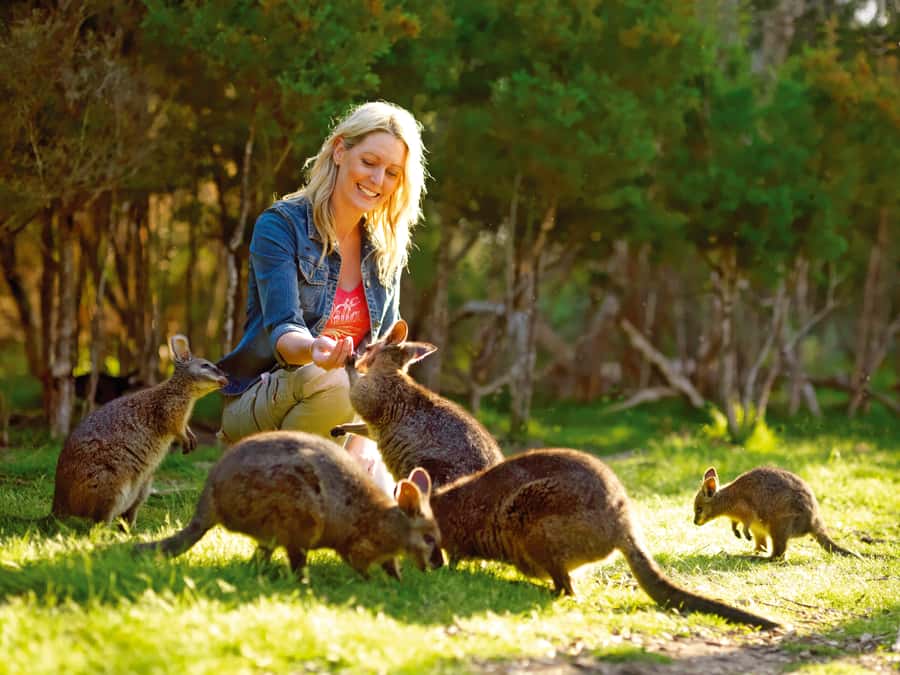
- Free-ranging kangaroos and wallabies move through the bush, and you can pet and feed them with animal food as an add-on
- Daily keeper talks and wildlife shows keep the day moving and cover mammals, reptiles, birds, fish, amphibians, and insects
- Over 60 native Australian species including dingoes, eagles, wombats, Tasmanian devils, and pythons
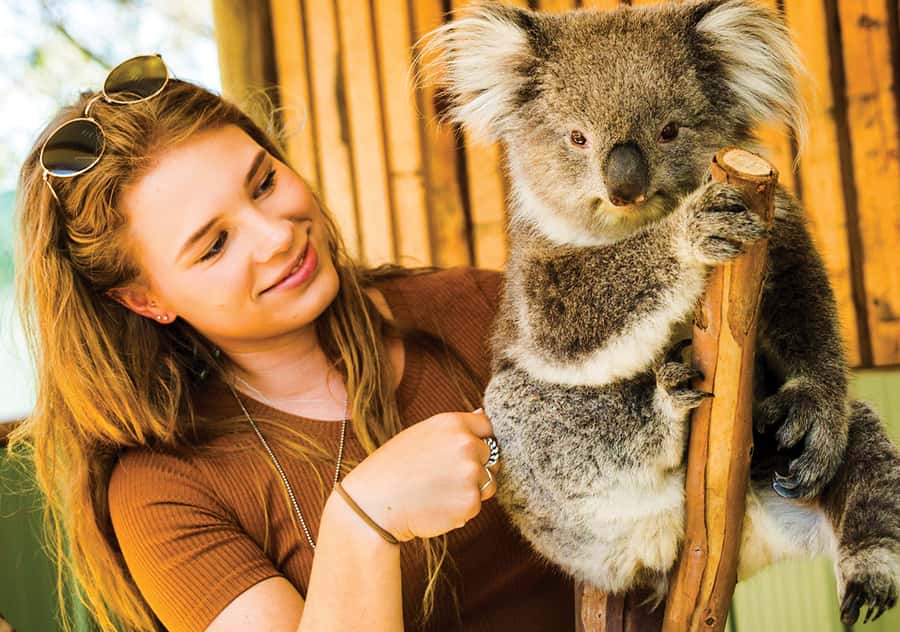
- Optional close-up experiences such as a koala experience (you might meet a koala named Victor, described as especially soft)
- Conservation is part of the visit, with animals in large natural enclosures and protection of endangered species
Pearcedale Entry Point: Getting to Moonlit Sanctuary with an easy day plan
Moonlit Sanctuary is in Pearcedale, about 50 minutes south-east of central Melbourne. That makes it a solid half-day to full-day outing if you’re already in Melbourne, especially because it’s also on the way to the Penguins on Phillip Island.
The meeting point is straightforward: 550 Tyabb-Tooradin Rd, Pearcedale, VIC 3912. Plan to arrive with enough time to park, check in, and settle before the day’s talks and animal presentations start. The park runs like a living itinerary, so being a little early helps you catch the first sessions without stress.
Practical tip: you’ll spend time walking paths between animal areas and show spaces. If you’re with kids, older relatives, or anyone who tires fast, aim for comfortable shoes and a light layer. You can build in breaks, and the grounds are designed with plenty of resting spots and shade in mind.
You can also read our reviews of more tours and experiences in Melbourne


What Your $24 Ticket Really Includes (and what might cost extra)
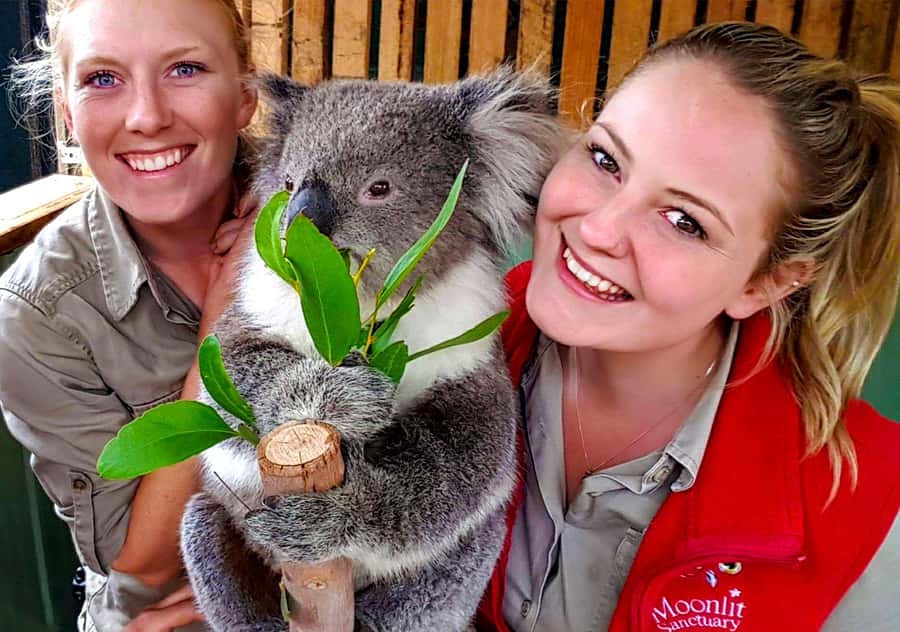
This is a 1-day entry ticket, priced at $24 per person. The ticket covers access to the sanctuary and its daytime animal presentations. In other words, you’re not just buying entry gates. You’re buying a day with scheduled keeper talks and wildlife shows.
There are also add-on experiences. The big one is animal food for the free-ranging kangaroos and wallabies. People describe it as a small extra cost for feeding access. If you want a more structured, close-up moment, you may also be able to purchase a koala experience for an additional fee. One visitor even pointed out that a koala pat experience option wasn’t shown at booking time, but it was still available once they got there.
So think of your day as two layers:
- the included sanctuary access plus presentations
- optional upgrades like feeding supplies and special animal encounters
If you’re trying to stay budget-friendly, you can still have a great day on the entry ticket alone. If you want the hands-on moments, budgeting a bit extra makes the whole visit more satisfying.
Free-Ranging Kangaroos and Wallabies: the moment the day clicks
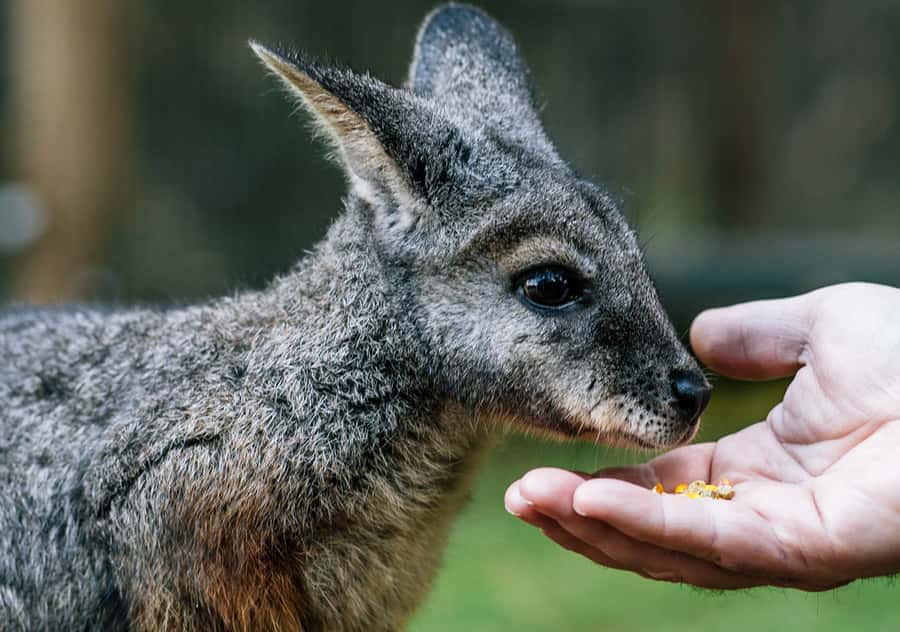
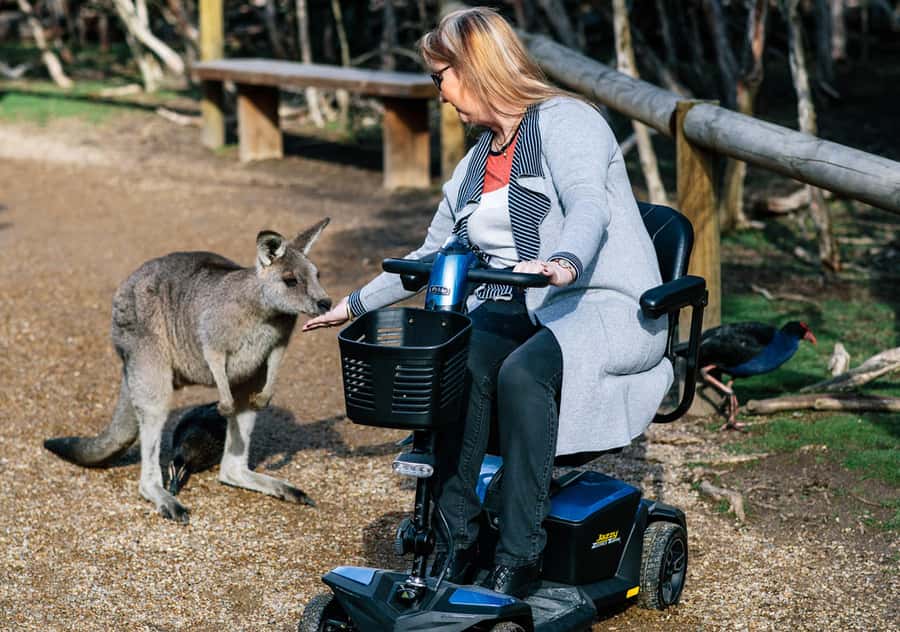
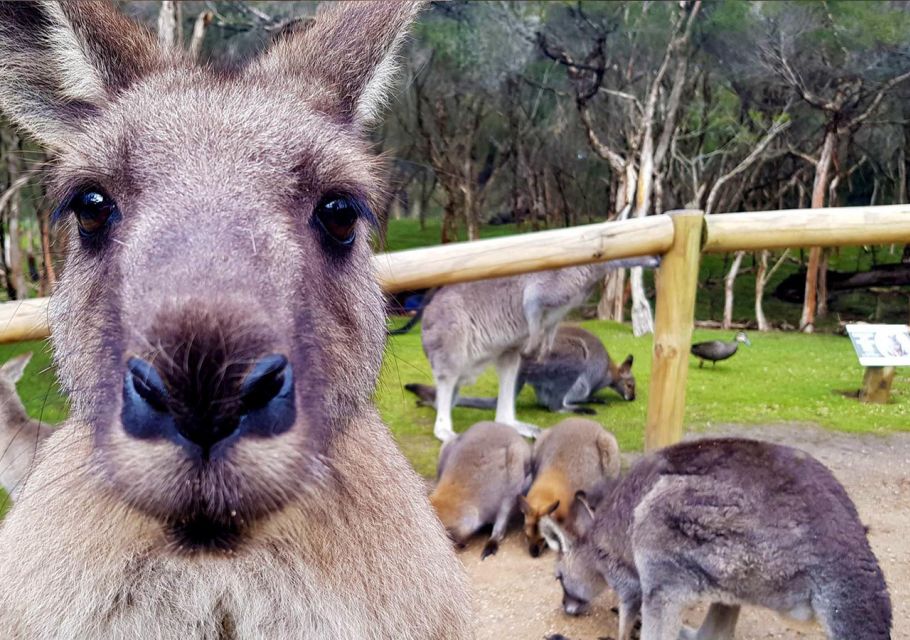
The reason many people come here is simple: you can get up close with kangaroos and wallabies in a free-ranging setting. The park describes about 80 kangaroos and wallabies roaming through the bush areas, with others in large natural enclosures. That mix matters because it changes the vibe. You’re not staring at animals behind the typical glass-wall pattern. You’re moving through an environment where the animals have space to behave naturally.
Feeding and petting are part of the experience. Visitors note that the kangaroos and wallabies are often most interested in the morning, so if you can choose your starting time, go earlier rather than later. In summer, you’ll also want to adjust your expectations: as the heat builds, animals may tuck under trees. Early in the day can mean more active interactions.
One more practical thing: the walking areas for the kangaroo and wallaby section are built to handle crowds without feeling like a bottleneck maze. People also mention the space around the wallaby walkway as roomy enough to accommodate a lot of visitors.
What to bring:
- a sense of patience (wild animals decide how close they get)
- animal-encounter photos, not selfies-per-second
- a plan for small kids who might get excited fast
Keeper Talks and Wildlife Shows: how to time your day without missing the good stuff
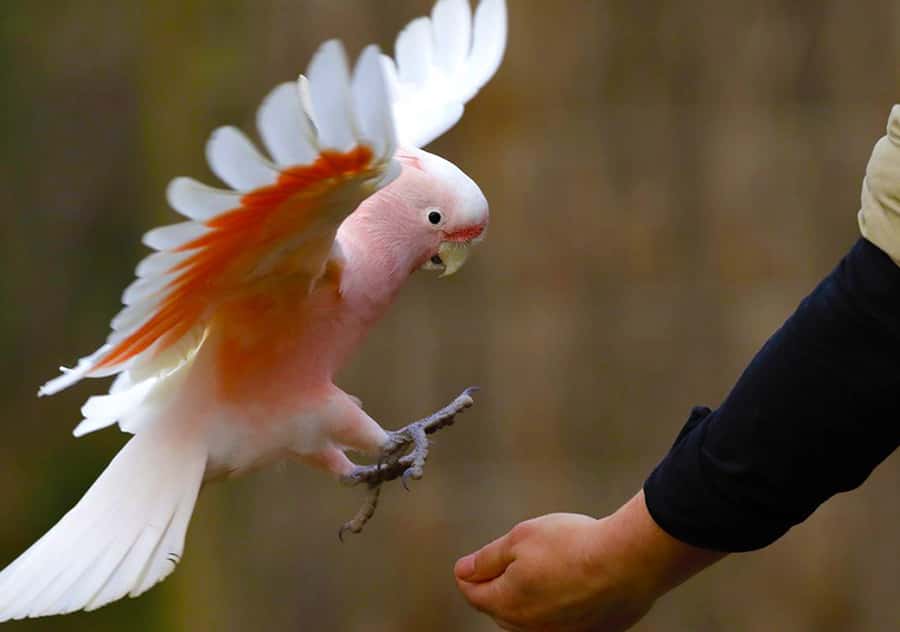
Moonlit Sanctuary’s day is structured around daily keeper talks and wildlife presentations. These are more than entertainment. They help you understand what you’re looking at, and they frame why the sanctuary protects specific species.
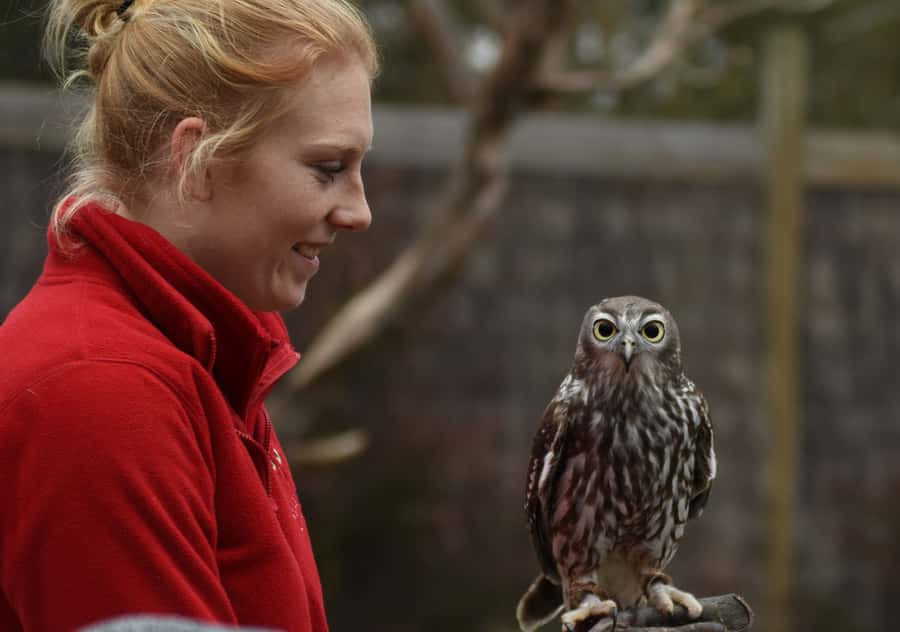
I like that the content covers a wide range of animals: mammals, reptiles, birds, fish, amphibians, and insects. That means your day doesn’t become repetitive. One session might focus on mammals you can see nearby. Another might connect with something you’ll spot in enclosures, like birds in the wetlands or reptiles in their habitat spaces.
The shows also create a rhythm. If you jump from one animal area to another without checking timing, you can end up wandering during the quieter windows. The easiest strategy is to:
- arrive early enough to catch the first talk or show
- take short walks between sessions
- sit down for presentations so you get the full story behind what you’re seeing
If you’re a fan of guided interpretation, this is where the value grows. The park’s keepers explain animal behavior and conservation connections in a way that makes the animals feel less like a checklist and more like living residents.
Beyond Kangaroos: koalas, wombats, dingoes, Tasmanian devils and pythons
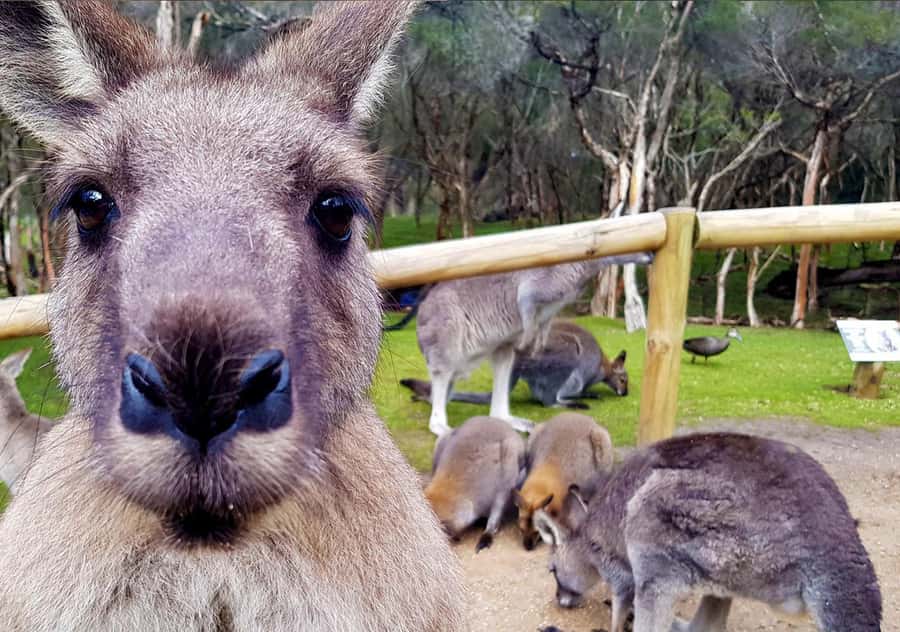
Once you’re through the kangaroo and wallaby areas, you’ll keep finding wildlife across the grounds, with over 60 native Australian species. Some of the well-known names you’ll see listed include eagles, wombats, dingoes, and Tasmanian devils, plus reptiles like pythons.
Koalas are a big draw here too. If you want a closer, more interactive koala moment, you may be able to add on a koala experience. One person specifically mentioned a koala named Victor as especially soft, which is the kind of detail that helps you understand what that add-on is really about: a special, guided encounter rather than just spotting koalas from afar.
Wombats can also be a focus. One visitor wished for more time slots for wombat encounters and noted that it was fully booked. That’s a useful warning: some of these closer encounter opportunities have limited scheduling. If wombats or koalas are your must-do, treat that as a priority, not an afterthought.
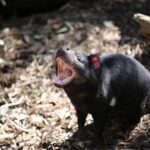
Tasmanian devils and endangered species are also part of the mix. The park notes protection of animals such as Tasmanian devils and several other species, including red-bellied pademelons, southern bettongs, and spot-tailed quolls. Seeing these animals in a conservation-focused setting is often more meaningful than seeing them in a basic viewing setup.

Birds and wetlands: where the orange-bellied parrot fits in
Moonlit Sanctuary isn’t only about the cute megafauna. It also has bird areas and wetlands where waterbirds can be seen. Colorful parrots fly through the air, and the park calls out the critically endangered orange-bellied parrot as one of the bird species it protects.
That detail matters, because it’s a reminder the sanctuary isn’t just a big petting-zoo style stop. It’s a place where conservation work is part of the day’s message, and birds are one of the ways that message comes through.
If birds are your thing, try to keep some time unplanned. You might pass an area and think you’ll come back, then the talks pull you in another direction. Give yourself a little flexibility so you can pause when you see movement overhead.
Comfort and practical tips: shade, breaks, and the flies situation
A day at the sanctuary can be hot or mild depending on the season, and you’ll be outside more than you might expect. The good news is that people mention shade and places to rest, which makes a big difference for families.
Two comfort tips based on real on-the-ground experience:
- Go earlier in summer. Animals may spend more time under trees as it warms up.
- Plan for flies. One review said flies bothered a child, but the park provided spray. You might still want your own insect repellent if you’re sensitive, but at least you know the sanctuary has a response.
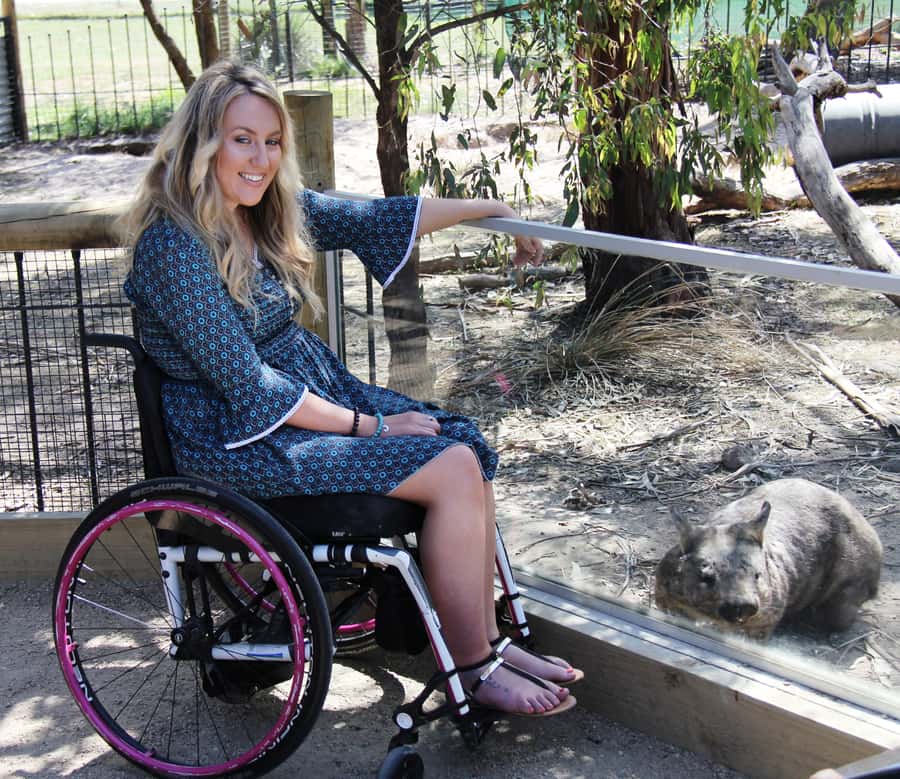
Also, if you’re traveling with anyone who uses a wheelchair, the park is wheelchair accessible, so you won’t need special workarounds to move around the grounds.
Parking, location flow, and how to pair this with Melbourne or Phillip Island
Moonlit Sanctuary’s location makes it easy to stitch into a bigger itinerary. You can roll it into:
- a Melbourne day with a trip down south-east
- a Phillip Island route, since it’s on the way to the penguin area
Parking is described as close to the entrance, which saves time and reduces that first-day fatigue. If you’re driving, you can keep the day simple: park, enter, follow the day’s talks and shows, then exit when you’re done rather than rushing to hit another scheduled activity.
If you’re doing Phillip Island later, plan your start time so you’re not arriving at two attractions with a full-day schedule already stacked. This place can take a solid chunk of your day, especially if you spend time interacting with kangaroos and wallabies.
Price and value: does $24 per person make sense?
At $24 per person, the entry ticket is fairly approachable, especially compared with the cost of specialty animal experiences elsewhere. The value rises if you:
- take part in the included presentations and talks
- use the feeding opportunity for kangaroos and wallabies (with the small added cost for food)
- add on a koala experience if it’s available when you go
That said, it’s not a “single activity ticket.” It’s a full-day sanctuary visit. So if you want one quick stop and nothing more, this may feel like extra time. But if you want a real animal day with multiple species and conservation context, it’s the kind of attraction where the ticket price stretches.
Also, the sanctuary has facilities like a cafe and a gift shop. One visitor mentioned a feed in the restaurant and described the overall day as relaxed and well-supported. If you plan food breaks instead of snacking all day, you’ll likely enjoy the day more.
Who Moonlit Sanctuary is best for (and who should adjust expectations)
Moonlit Sanctuary works especially well for:
- families who want a mix of hands-on feeding and indoor-style sitting for talks
- animal lovers who enjoy seeing lots of species across different categories
- people planning a nature-focused day near Melbourne without building an expensive itinerary
It’s also a strong option if you like interpretation. Keeper talks help connect animals you might otherwise only recognize by name to the sanctuary’s conservation role.
One group to note: unaccompanied minors are not allowed. So if you’re planning a trip and your teen wants to go solo, you’ll need an adult with them.
Should you book Moonlit Sanctuary Entry Ticket?
Book this if you want a one-day, native-wildlife experience that’s more than a quick zoo visit. The standout for most people is the combination of free-ranging kangaroos and wallabies plus scheduled keeper talks and wildlife shows. The added optional experiences can make it even more memorable, especially if koalas and wombats are on your list.
Skip or adjust expectations if you only want a short stop, or if you’re hoping for specific, limited-time encounters without any flexibility. Those closer encounters can run out, so check availability early and treat the must-do animal moments as priorities.
If you’re already in Melbourne or heading to Phillip Island, this is a practical way to add a meaningful animal day without overcomplicating your travel plans.
FAQ
How much is the Moonlit Sanctuary Conservation Park entry ticket?
The ticket price is $24 per person.
Where is the meeting point for Moonlit Sanctuary?
The meeting point is 550 Tyabb-Tooradin Rd, Pearcedale, Victoria, 3912, Australia.
How long is the experience?
The ticket is valid for 1 day.
What kinds of animals can you see at the sanctuary?
You can see over 60 different species of Australian animals, including kangaroos, koalas, Tasmanian devils, pythons, eagles, wombats, dingoes, birds, reptiles, fish, amphibians, and insects.
Can you feed kangaroos and wallabies?
Yes. The experience includes the opportunity to pet and feed free-ranging kangaroos and wallabies.
Is the park wheelchair accessible?
Yes, the park is wheelchair accessible.
Are unaccompanied minors allowed?
No. Unaccompanied minors are not allowed.
Is there free cancellation?
Yes. Free cancellation is available up to 24 hours in advance for a full refund.