REVIEW · VICTORIA
Victoria Butterfly Gardens Ticket
Book on Viator →Operated by Butterfly Gardens · Bookable on Viator
Butterflies float through Victoria like a living postcard. With this Victoria Butterfly Gardens ticket, you walk into a tropical conservatory where free-flying butterflies share space with birds, reptiles, frogs, and the newer insectarium exhibit.
I like two things most: the way you can see butterfly life-cycle stages up close, and how the pond, stream, and waterfall pull everything into one calm wildlife loop.
One downside to plan for: the indoor climate runs hot and humid, so you’ll want light clothing and a relaxed attitude about getting warm.
In This Review
- Key Things I’d Plan Around
- Victoria Butterfly Gardens Ticket: What This Admission Gets You
- Entering the Conservatory: Butterflies With Room to Fly
- Life-Cycle Stages and Butterfly Education Without the Lecture Vibe
- More Than Butterflies: Frogs, Turtles, Iguanas, Birds, and Fish
- The Insectarium: Invertebrates From Around the World
- How Long It Takes: 45 Minutes vs. 2 Hours
- What to Wear in Victoria’s Hot, Humid Jungle
- Getting There and Pairing It With Butchart Gardens
- Value for Money: Is $15.77 Worth It?
- Who This Ticket Suits Best
- Should You Book This Victoria Butterfly Gardens Ticket?
- FAQ
- What is the price of the Victoria Butterfly Gardens ticket?
- How long should I plan to spend at the gardens?
- What are the opening hours?
- Is the ticket mobile?
- Do children need to be accompanied by an adult?
- Is free cancellation available?
Key Things I’d Plan Around
- Free-flying butterflies (up to 70 species): Thousands of them fly through a large indoor space.
- Wildlife besides butterflies: Look for poison dart frogs, tortoises, large iguanas, flamingos, tropical ducks, and more.
- A real insect education stop: The insectarium adds invertebrates from around the world.
- Easy photo setup: With wildlife roaming close to the paths, you can get great shots without rushing.
- Heat management matters: The conservatory stays warm for the butterflies.
Victoria Butterfly Gardens Ticket: What This Admission Gets You
For $15.77 per person, you’re buying straightforward admission into one of Victoria’s most relaxing “walk-through wildlife” experiences. The typical visit runs about 45 minutes to 2 hours, depending on how long you linger with the signs, watch where the butterflies settle, and make time for photos.
This ticket is designed to be easy to use once you arrive: you get a mobile ticket, the experience is offered in English, and the group size is capped at 20 travelers. That small cap is a nice touch because it keeps the space feeling more like a calm stroll than a crowded shuffle.
And the key point for value: you’re not paying just for butterflies. The gardens are built as a whole environment—pond life, reptiles, birds, and the insectarium—so your time doesn’t feel “single-theme only.”
You can also read our reviews of more tours and experiences in Victoria


Entering the Conservatory: Butterflies With Room to Fly
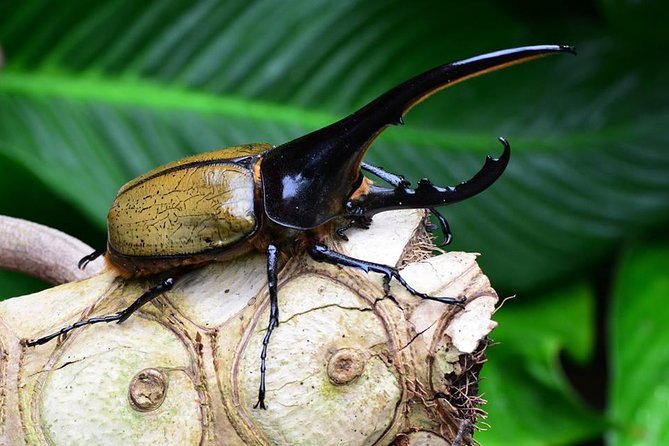
When you step into the main garden space, it’s less like looking at a display case and more like walking through a controlled slice of the tropics. The facility is about the size of almost three basketball courts, and the butterflies fly freely through it.
Expect lots of motion and lots of chances to see behavior up close. Butterflies come and go through the garden, so the best strategy is to slow down for a few minutes at a time rather than trying to spot everything in one lap. Even if you don’t catch every species, you’ll still see plenty of butterflies using the same paths you’re walking.
This is also why the time range is wide. If you’re the type who reads quietly, watches where they land, and checks out the plants, 90 minutes can disappear faster than you’d think. If you’re short on time, 45 minutes can work—but you may feel like you rushed the best parts.
Life-Cycle Stages and Butterfly Education Without the Lecture Vibe
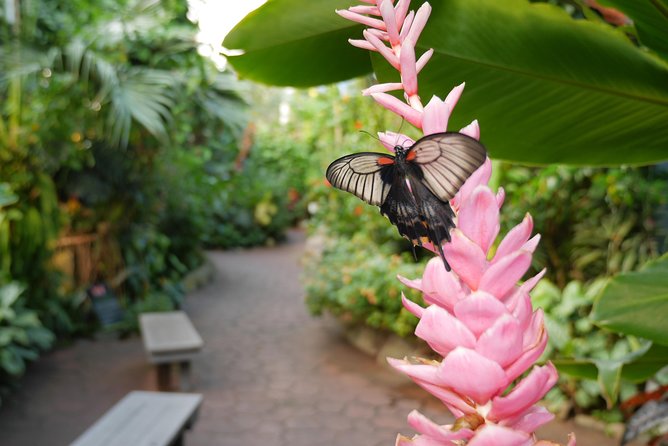
One of the strongest appeals is how the gardens teach you what you’re seeing. You don’t just get fluttering color; you get the story behind it. The experience includes education about the ecosystems and the environment where butterflies live, and you can also see different stages of the butterfly.
That matters because it changes how you look. Instead of thinking, Butterflies everywhere!, you start noticing details: where butterflies might rest, how the environment supports them, and why certain plants are included. It’s learning that feels connected to what’s in front of you, not something you’re told and then forget.
If you’re visiting with kids, this is one of those rare attractions where attention can actually hold. If you’re going solo, it still works because the information helps you make sense of the chaos in a good way.
More Than Butterflies: Frogs, Turtles, Iguanas, Birds, and Fish
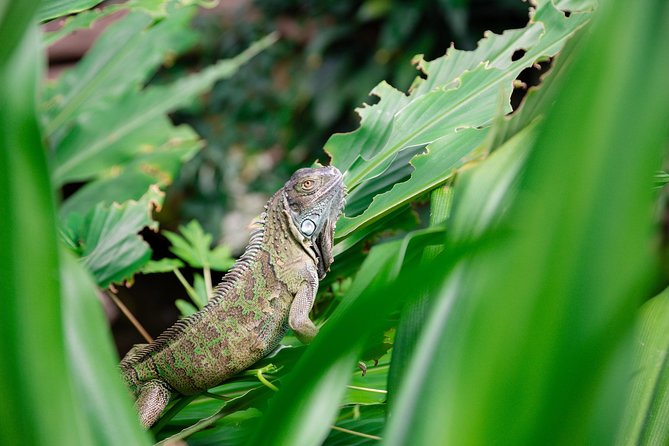
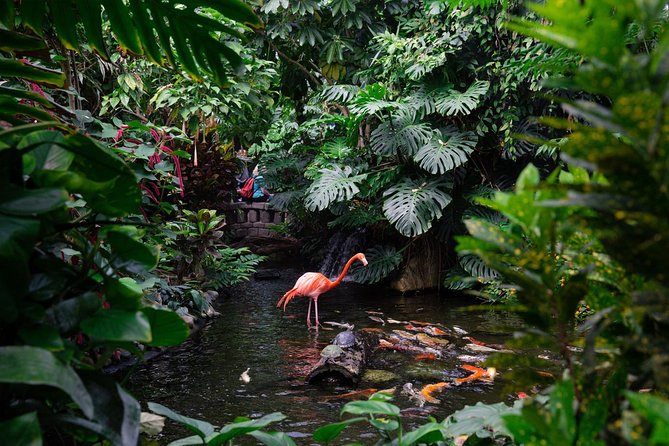
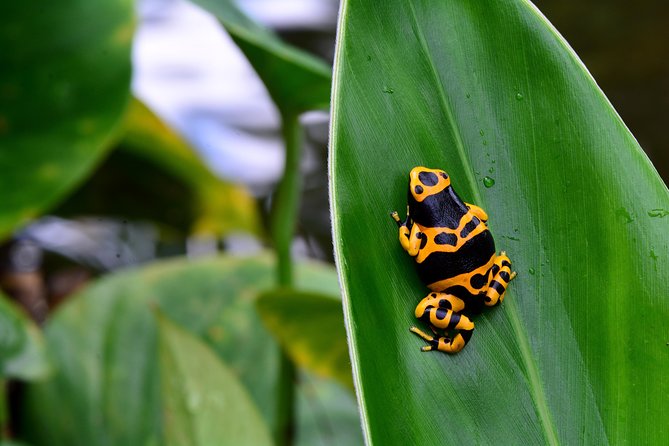
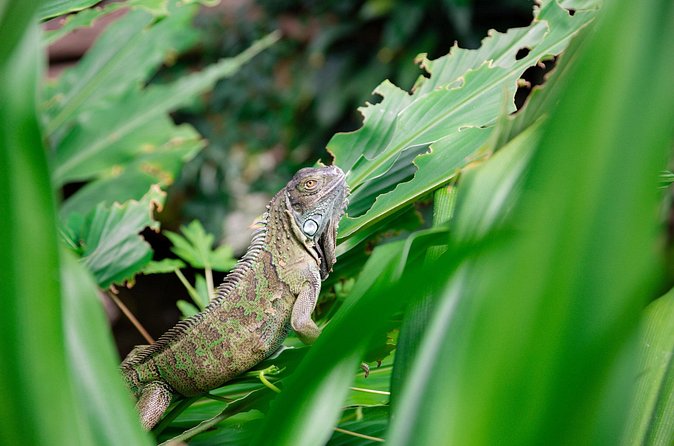
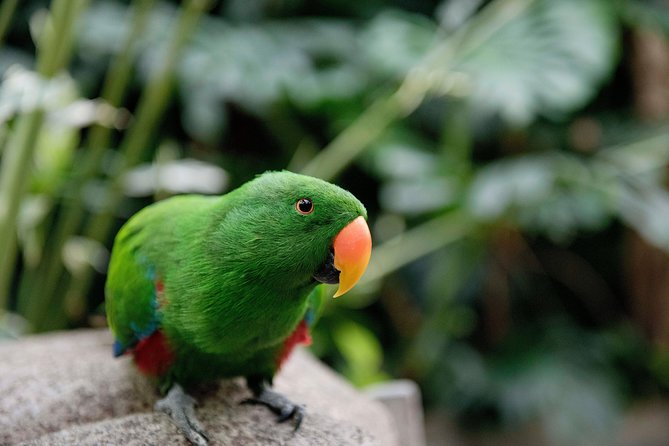
What keeps the experience from feeling repetitive is the animal variety sharing the same walkways. You’ll find poison dart frogs, tortoises, and large iguanas. You’ll also see flamingos and tropical ducks, plus free-flying tropical birds moving through the garden.
Then there’s the water element, which adds a second set of things to watch besides wings. The gardens include a pond with a large variety of tropical fish, and there’s also a stream that’s circulated by a waterfall. Koi fish and other fish activity are part of the charm, especially if you like slow, peaceful scenes.
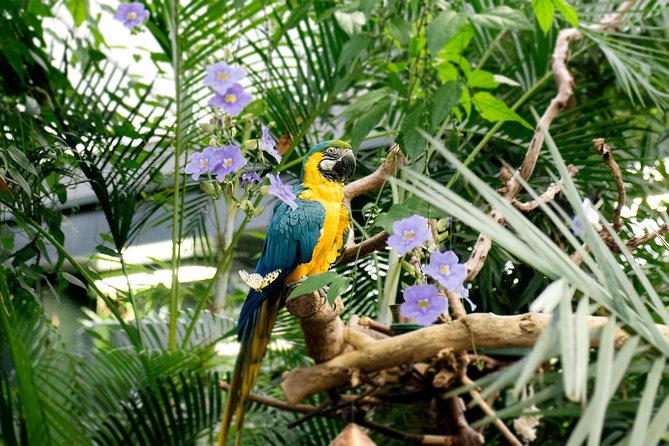
A few extra species may show up depending on what’s on display that day, including macaws and other types of parrots, along with small birds like finches (or similar small songbirds). The exact mix can vary, but the overall experience stays the same: it’s one compact wildlife world built in one place.
For photography, this is a big plus. You can frame your shots around more than butterflies—turtles, koi, birds, and even the garden plants give you visual variety.
The Insectarium: Invertebrates From Around the World
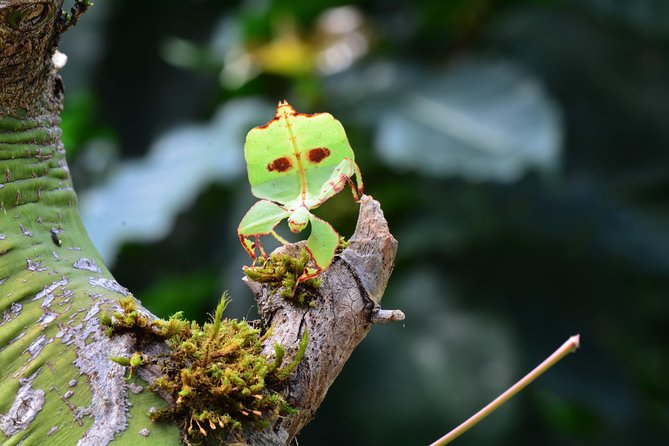
The newer insectarium exhibit is a meaningful add-on for anyone who likes creepy-cool nature details. The gardens highlight a range of invertebrates from around the world, and it sits right in the flow of your visit.
Why I think this matters: once you’ve spent time watching butterflies fly and land, the insectarium gives you a different angle on the same ecosystem idea. It helps you think beyond butterflies as a single species and toward the bigger web of insects and invertebrates that butterflies depend on indirectly.
If insects are your favorite category of wildlife, plan to give the insectarium a little more time than you expect. If insects aren’t your thing, it still helps the visit feel complete, because it makes the gardens feel like a true education stop rather than only a photo stop.






How Long It Takes: 45 Minutes vs. 2 Hours
The official range is about 45 minutes to 2 hours, and that’s a realistic spread based on your pace. Here’s how the time usually breaks down:
- If you want a quick loop: you can focus on butterflies first, add a brief look at the insectarium, then finish at the pond/water areas.
- If you like to linger: you’ll slow down for life-cycle stages, pause for birds and reptiles, and take more time with photo opportunities.
The gardens aren’t huge in the way a big zoo is huge. This place is compact enough that you don’t lose your day to walking. That’s great if you’re pairing it with another Victoria highlight and want a low-stress stop that won’t swallow your schedule.
What to Wear in Victoria’s Hot, Humid Jungle
This is the advice that will save your comfort. The indoor environment is warm and humid because it’s meant to support tropical butterflies. In plain terms: wear light clothes.
You’ll likely end up feeling warm quickly, even if the weather outside is mild. Some visitors recommend avoiding jackets inside and plan to use whatever jacket storage the gardens provide. If you’re someone who runs cold, this might still be enjoyable, but you’ll need to adjust expectations.
Practical tips:
- Go with breathable tops and lightweight bottoms.
- Expect condensation and stickiness on warm days.
- If you’re bringing a camera, be ready for the humid air—keep lenses covered when moving between areas if you need to.
This isn’t a “dress like it’s outdoors” place. It’s indoors-as-tropics, and your clothing should match that reality.
Getting There and Pairing It With Butchart Gardens
The gardens are near public transportation, so you’re not locked into a car-only plan. If you like bus routes, that’s often how people handle the short trips between Victoria sights. (One commonly used route people report is bus 75.)
Hours run from 10:00 AM to 4:00 PM, Monday through Sunday, during the listed operating dates. If you’re pairing the stop with another major garden like Butchart Gardens, this makes it easy to build a day that doesn’t feel frantic. The butterfly gardens work well as a calm breather either before or after a longer outdoor attraction.
Because you get the education, the photos, and the wildlife variety in one go, it’s a smart use of limited time in Victoria. It’s also a good option when you don’t want to commit to a multi-hour activity.
Value for Money: Is $15.77 Worth It?
For what you get, the price is fairly easy to justify. You’re paying for a focused, ticketed visit that combines:
- thousands of free-flying butterflies (up to 70 species),
- reptiles, frogs, and turtles,
- birds and koi/pond life,
- and an insectarium exhibit.
At larger attractions, you often pay more for less density—more walking, more time spent in lines, and more distance between you and the animals. Here, the experience is compact and built around wandering through the same ecosystem spaces.
Also, the small group size cap of 20 travelers helps the visit stay relaxed. If you prefer wildlife experiences that don’t feel crowded, that’s a quiet quality-of-life upgrade.
If you’re the type who wants wildlife but hates humidity, then $15.77 may feel like a bad deal because you won’t enjoy yourself. But if you can handle warm conditions for a short walk-through, it’s a great value for the variety packed into one ticket.
Who This Ticket Suits Best
I’d aim this experience at a few specific kinds of people:
- Families with kids: It’s easy to wander and still feel like you learned something.
- Solo visitors: The space is calm, and you can go at your own pace without needing a tour script.
- Couples and friends on a half-day: It’s a satisfying detour when you want something peaceful and photo-friendly.
- Butterfly and insect fans: The insectarium and life-cycle focus make it more than a pretty walk.
One more note from the rules: children must be accompanied by an adult. Service animals are allowed, and most people can participate.
Should You Book This Victoria Butterfly Gardens Ticket?
I’d book if you want a short, low-stress wildlife experience that feels like a tropical weather break from normal routines. The biggest selling point is not only the butterflies, but the way the gardens blend butterflies with birds, frogs, reptiles, and pond life into one continuous route. The insectarium gives you an extra layer if you like your nature experiences educational, not just scenic.
I’d skip it if heat and humidity make you miserable or if you’re looking for a massive facility where you could spend most of a day. This is more of a focused, walk-through attraction where comfort matters and patience pays off.
If you’re visiting Victoria and doing the big-name gardens, this one is a smart pairing. It’s compact, calming, and full of surprises at every turn—without demanding a huge chunk of your schedule.
FAQ
What is the price of the Victoria Butterfly Gardens ticket?
The ticket price is $15.77 per person.
How long should I plan to spend at the gardens?
Plan for about 45 minutes to 2 hours.
What are the opening hours?
The gardens are open daily from 10:00 AM to 4:00 PM.
Is the ticket mobile?
Yes, the ticket is a mobile ticket.
Do children need to be accompanied by an adult?
Yes. Children must be accompanied by an adult.
Is free cancellation available?
Yes. You can cancel up to 24 hours in advance for a full refund. If you cancel less than 24 hours before the start time, there’s no refund.