REVIEW · MELBOURNE
Melbourne: Aboriginal Heritage Walking Tour
Book on GetYourGuide →Operated by Koorie Heritage Trust Inc · Bookable on GetYourGuide
This short walk packs real meaning into an easy one-hour slot. You’ll start in the middle of modern Melbourne, then head toward the Birrarung Wilam Aboriginal art installations along the river, with a guide explaining how the Kulin Nation connects to this place.
I particularly like the pacing: it’s short enough that you won’t feel rushed, yet it still covers both the outdoor river area and the indoor Koorie Heritage Trust session. I also like the hands-on element, where you can engage with Aboriginal tools and artifacts rather than just watch from a distance. The main drawback to consider is that, based on past experiences, the depth can depend heavily on your guide and whether the tour fully includes the Trust entry as promised.
In This Review
- Key highlights to know before you go
- Birrarung Wilam to the Trust in 60 minutes: the tour vibe and pacing
- Meeting at Federation Square and finding the Birrarung Wilam art installations
- Birrarung Marr and Kulin Nation stories: what the guide should connect for you
- Koorie Heritage Trust visit: the hands-on artifacts session you’ll remember
- What you should bring (and how to ask better questions on this walk)
- Price and value: is $28 for an hour worth it?
- Who should book this Aboriginal heritage walking tour
- Should you book it? My quick decision guide
- FAQ
- FAQ
- Where is the meeting point for the tour?
- What time does the tour start?
- How long is the Aboriginal heritage walking tour?
- How big is the group?
- What language is the tour guide?
- Is the Koorie Heritage Trust entry included?
- What will I do at the Koorie Heritage Trust?
- Do I get to see the Birrarung Wilam art installations?
- What should I bring?
- Is the tour suitable for kids or older adults?
Key highlights to know before you go
- Birrarung Wilam art installations: learn why the River Camp matters to the Kulin peoples
- Kulin Nation context: you’ll connect place names like Birrarung Marr to cultural stories
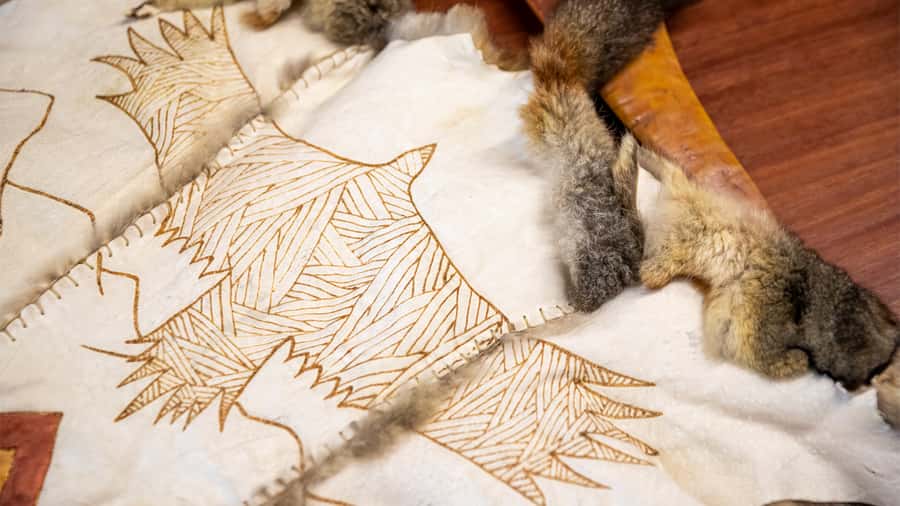
- Hands-on tools and artifacts: expect structured interaction with items such as shields and possum-skin cloaks
- A small group: capped at 10 people, which makes questions more realistic
- Federation Square start: easy meeting point in a well-known hub before you walk down to the river
Birrarung Wilam to the Trust in 60 minutes: the tour vibe and pacing
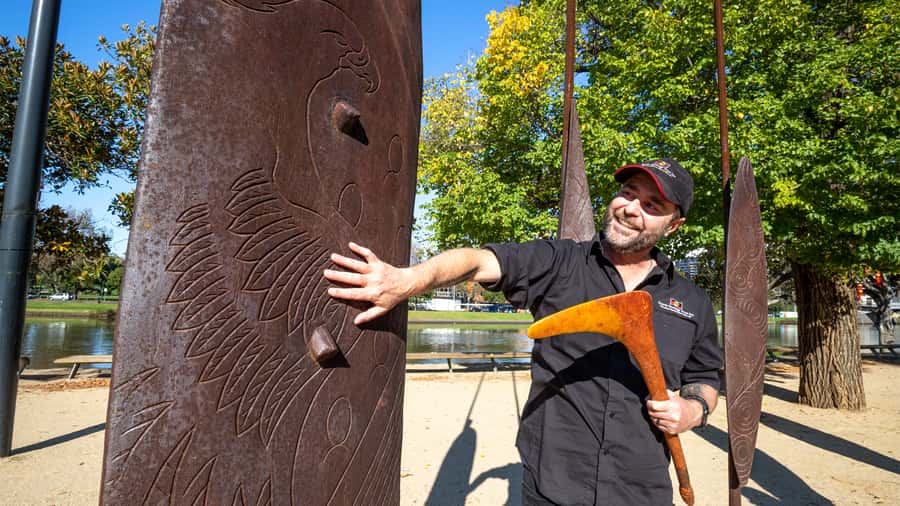
This Melbourne Aboriginal heritage walking tour is built for people who want something focused, not a marathon. The total time is 1 hour, and it runs daily at 1:00 PM, so you can slot it into a half-day plan without reorganizing everything around it.
The group stays small (limited to 10), which matters more than it sounds. In a topic this personal and place-based, a big group can push people into passive mode. With fewer people, you’re more likely to get real back-and-forth—especially when the session moves from storytelling outside to hands-on artifacts inside.
One practical note: you’re on foot from Federation Square toward Birrarung Wilam. You’ll want comfortable shoes, plus water and sunscreen, because the schedule doesn’t suggest indoor time until later. In other words, plan like it’s a city walk with weather in charge.
You can also read our reviews of more walking tours in Melbourne


Meeting at Federation Square and finding the Birrarung Wilam art installations
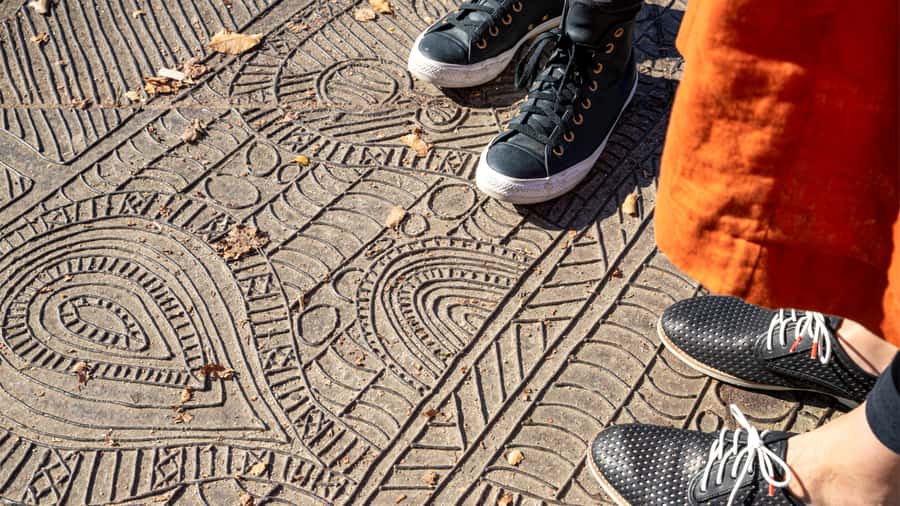
You start at the Koorie Heritage Trust, Level 1 in The Birrarung Building at Federation Square. Check in at reception, then you’ll be moving together from there toward the Birrarung Wilam Aboriginal art installations.
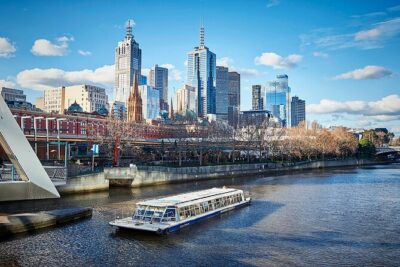
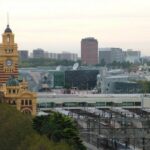
Why this start works: Federation Square is a busy, modern landmark, so the contrast hits fast. You’re not “drifting” through Melbourne’s history. You’re being guided from a contemporary meeting point to a river place that carries meaning far beyond today’s skyline.
At Birrarung Wilam, the focus isn’t just the visuals. The guide connects the art installations to the idea of Birrarung Wilam as the River Camp—an important gathering place. You’ll get context for why this spot is treated with respect, and why locals understand this river corridor as a living part of cultural continuity, not just a scenic waterfront.
If you’re the type who likes to understand what you’re looking at, this stop is usually the payoff. If you’re expecting a long scenic hike, manage expectations: the tour is compact by design. The goal is understanding and interaction in a short window.
Birrarung Marr and Kulin Nation stories: what the guide should connect for you
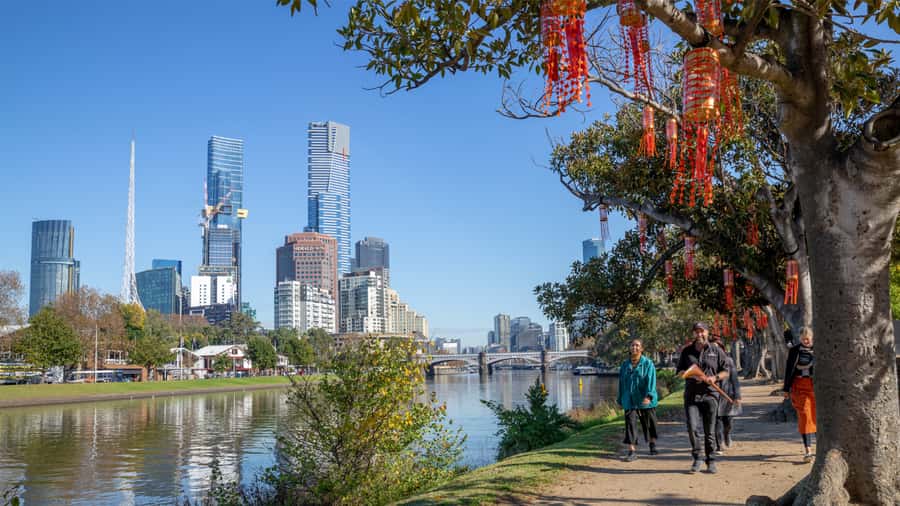
Along the walk, you’ll hear about Birrarung Marr, including what the name means—“Beside the river of mists.” That small detail is worth paying attention to. Place names are often the shortest path to deeper stories, and this one points directly to the relationship between people and the river over time.
You’ll also get an introduction to the Kulin Nation—the broader Indigenous peoples connected to the area where Melbourne stands. The tour framing is about how the land has changed and how meaning has been carried through those changes. You’ll hear how the local people’s connection to the river and its resources shaped life long before modern development.
Here’s how to make this segment work for you. Listen for the guide’s cause-and-effect explanations. For example: what the river provided, how that shaped gathering, and why the River Camp location matters. When the guide gives you that chain of reasoning, the walking route stops being “just directions” and becomes part of the story.
A balanced heads-up: one negative experience reported that a guide provided limited content and struggled to answer questions. That doesn’t mean every tour is like that, but it does suggest you should show up ready to ask questions and, if something feels off, speak up early.
Koorie Heritage Trust visit: the hands-on artifacts session you’ll remember
The final phase is where this tour earns its name as a cultural experience. You’ll enter the Koorie Heritage Trust for a hands-on, guided encounter with Aboriginal tools and artifacts.
The items you may engage with include:
- tools
- shields
- possum-skin cloaks
This is the part that tends to land best because it changes the role you play. Instead of being an observer, you’re invited into careful interaction—guided, structured, and meant to help you understand what these objects are for. From one positive experience, the session also included discussion around how Indigenous people hunted and foraged, plus time looking at weapons and related material. Even if every session doesn’t cover the same examples, the overall approach is active and instructional.
What to watch for during this indoor portion:
- Do you get time to actually engage with artifacts, or is it mostly a quick look?
- Does the guide explain what you’re seeing in a respectful, grounded way?
- Is there room for questions, or does everything feel like it’s being rushed?
And here’s a practical action item: the tour description includes entry to the Koorie Heritage Trust. So at check-in, make sure you understand that your tour includes the indoor visit on your scheduled time. If the tour you join skips that component, you’re not getting the full value you paid for.
What you should bring (and how to ask better questions on this walk)
This is a small-group, outdoor-to-indoor experience. That means your “bring list” is simple, but it matters:
- Comfortable shoes
- Sunscreen
- Water
You’ll likely be in the sun for the outdoor segment, and 1 hour doesn’t mean you can ignore heat. Also, don’t count on benches or long stops. The tour is short, so you’ll move steadily between points.
Now, about questions. If you want the best possible experience, come prepared with curiosity you can express quickly. Since the tour covers Birrarung Wilam, Birrarung Marr, and Kulin Nation context, you can ask things like:
- Why does this river area function as a gathering place?
- What does the name Birrarung Marr point to in how people related to the river?
- When you’re looking at tools and cloaks, what’s the purpose or role of each object?
This kind of question helps a good guide shine. It also helps you detect early if the tour is struggling to deliver meaningful information.
You can also read our reviews of more historical tours in Melbourne
Price and value: is $28 for an hour worth it?
At $28 per person for a 1-hour guided experience, you should treat this as a focused primer. You’re not buying a full-day museum visit or a long hike. You’re buying a guided connection between a river place, Aboriginal art installations, and an indoor artifacts session.
So what makes it good value?
- Small group size (10 max) tends to improve interaction.
- You get both outdoor and indoor components.
- The hands-on artifacts element is a real differentiator versus standard sightseeing walks.
- It’s a clear meeting point with a defined schedule (daily at 1:00 PM).
What could make it feel expensive?
- If the walking portion feels too short for your expectations, you may wish it covered more ground.
- If the guide’s knowledge feels shaky or the group isn’t engaged, the tour can feel flat.
- If your tour doesn’t actually include entry to the Koorie Heritage Trust, then you’re missing a core part of what’s included.
Based on past feedback you’ve got at least two signals to watch for: guides can vary, and the Trust entry matters. Your best strategy is simple: confirm at reception that your tour will go into the Koorie Heritage Trust as part of the experience, then check that you’re actually getting the hands-on portion during your indoor time. If not, you’ll want to address it promptly.
Who should book this Aboriginal heritage walking tour
This tour fits best if you want:
- A short, guided introduction to Melbourne’s Aboriginal heritage
- Place-based context tied to Birrarung Wilam and Birrarung Marr
- A hands-on cultural experience with tools and artifacts
It also suits families and mixed-age groups, since it’s stated as suitable for all ages. That said, it’s still a city walk on foot. Comfortable shoes and basic heat management help everyone.
I’d be a little cautious if you’re expecting a long, deep academic seminar or a large area walking route. The format is compact. It’s better described as a guided cultural encounter than a deep, multi-hour education program.
If you’re someone who thrives on Q&A and interaction, you’ll likely get the most out of the small group. If you prefer quiet self-exploration, you might still enjoy it, but you’ll get more from being actively curious with the guide.
Should you book it? My quick decision guide
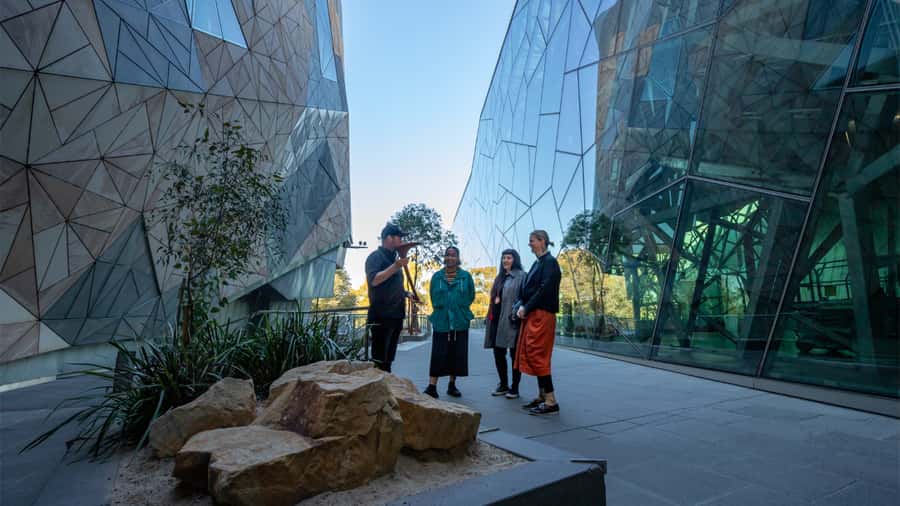
Book this tour if you want a short, structured experience that links Melbourne’s present-day city center to the Birrarung Wilam art installations and finishes with a guided, hands-on artifacts session at the Koorie Heritage Trust.
Consider another option or at least go in with eyes open if you’re extremely detail-heavy and long-form in your expectations. This is one hour, and the experience quality can depend on how well your specific guide leads and whether the Trust entry and hands-on portion happen fully on your schedule.
FAQ
FAQ
Where is the meeting point for the tour?
The tour meets at the Koorie Heritage Trust, Level 1 The Birrarung Building, Federation Square. Go to reception.
What time does the tour start?
The tour starts at 1:00 PM daily.
How long is the Aboriginal heritage walking tour?
It lasts 1 hour.
How big is the group?
It’s a small group limited to 10 participants.
What language is the tour guide?
The live tour guide is in English.
Is the Koorie Heritage Trust entry included?
Yes, entry to the Koorie Heritage Trust is included.
What will I do at the Koorie Heritage Trust?
You’ll have a hands-on, guided experience engaging with Aboriginal tools and artifacts, including tools, shields, and possum-skin cloaks.
Do I get to see the Birrarung Wilam art installations?
Yes, the tour includes a visit to the Birrarung Wilam Aboriginal art installations.
What should I bring?
Bring comfortable shoes, sunscreen, and water.
Is the tour suitable for kids or older adults?
It’s stated as suitable for all ages.