REVIEW · MELBOURNE
Melbourne: Immigration Museum Entry Ticket
Book on GetYourGuide →Operated by Museums Victoria · Bookable on GetYourGuide
Migration stories, right in a historic building.
The Immigration Museum in Melbourne’s Old Customs House turns personal journeys into clear, human-scale history about identity, migration, community, and belonging.
I especially love how the entry ticket covers the permanent exhibitions along with a discovery center and community gallery, so you are not stuck with just one room and a quick walk-through. I also like that the temporary exhibition Joy is included until 29 August 2025, adding a fresh layer to the day’s theme of what it means to keep going.
One thing to plan around: food and drinks aren’t included, so you’ll want to sort snacks and water before you go or during a break nearby.
In This Review
- Key things that make this ticket worth your time
- Old Customs House: the setting that frames Victoria’s migration stories
- Permanent exhibitions, discovery center, and community gallery: how to plan your path
- The Joy exhibition (included until 29 August 2025): what it adds to the day
- The first-floor library and interactive moments: slow down where it helps
- Identity, belonging, and community resilience: what the museum is really about
- Price and value: is $10 per person a smart use of a travel day?
- Timing, meeting point, and what to bring for a smooth visit
- Who this museum suits best (and who might want a different plan)
- Should you book the Melbourne Immigration Museum entry ticket?
- FAQ
- Where is the Immigration Museum?
- How much does the ticket cost?
- How long is the ticket valid?
- What’s included with the ticket?
- What exhibitions can I see?
- Is food and drinks included?
- Do they offer a cancellation option?
- Is the museum wheelchair accessible?
- What language is the host or greeter?
Key things that make this ticket worth your time
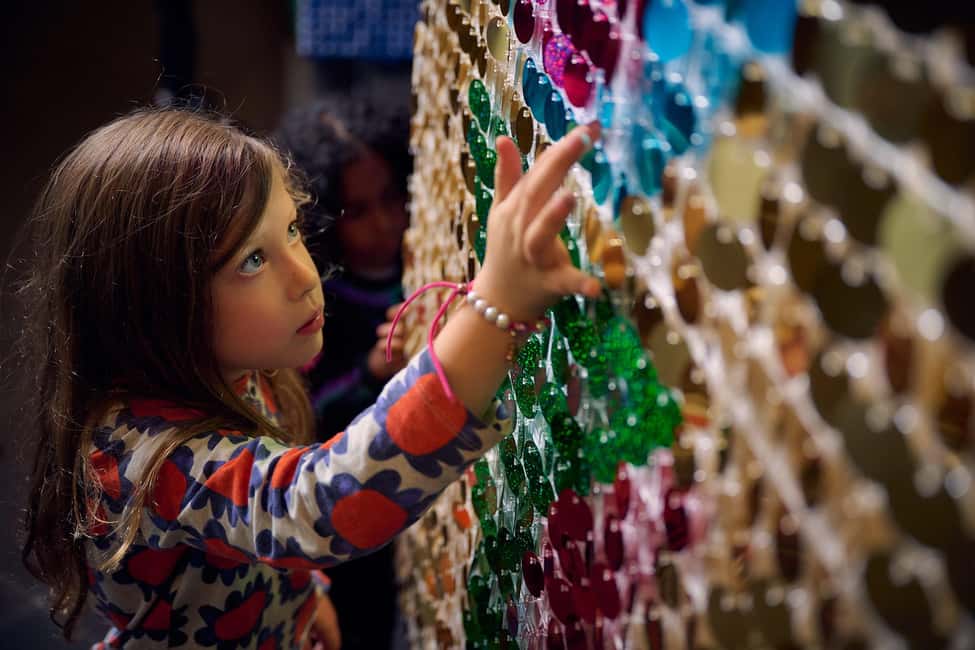
- Old Customs House setting: the museum’s home gives migration history extra weight
- Multiple exhibition zones: permanent halls plus a discovery center and community gallery
- Joy exhibition included until 29 August 2025
- First-floor library browsing: immigration history books organized by country
- Interactive exhibition moments: iPad-style interaction has been used in exhibitions while running
- Strong visitor rating: about 4.7/5 across 14 reviews
Old Customs House: the setting that frames Victoria’s migration stories
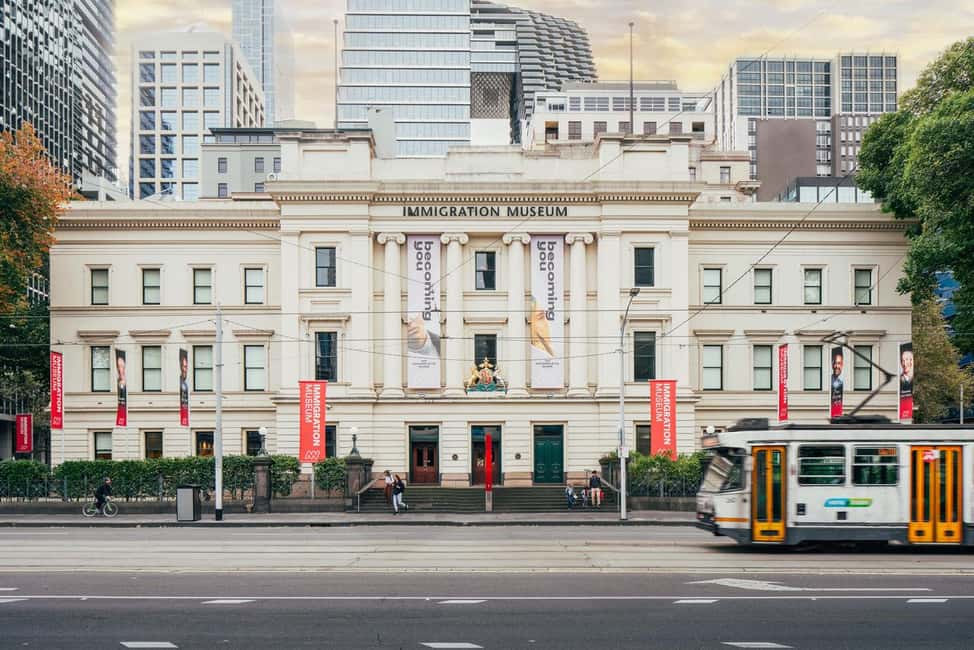
The Immigration Museum sits in the Old Customs House area, and that matters more than you might expect. This is not a generic museum box. The building itself helps you feel the old process of borders, paperwork, arrival, and official scrutiny—then the exhibitions shift that focus to the people behind the paperwork.
I like museums that connect “big history” to daily reality. Here, the theme is identity and migration, and the message stays grounded: migration is not just a date on a timeline. It’s also a question of belonging, and what families carry with them when they move.
You will see the story of migration and settlement in Victoria in particular, and it is presented as a community-building experience—not just a one-time arrival. The museum also celebrates diversity as a shared part of life, not a side note.
You can also read our reviews of more tours and experiences in Melbourne



Permanent exhibitions, discovery center, and community gallery: how to plan your path
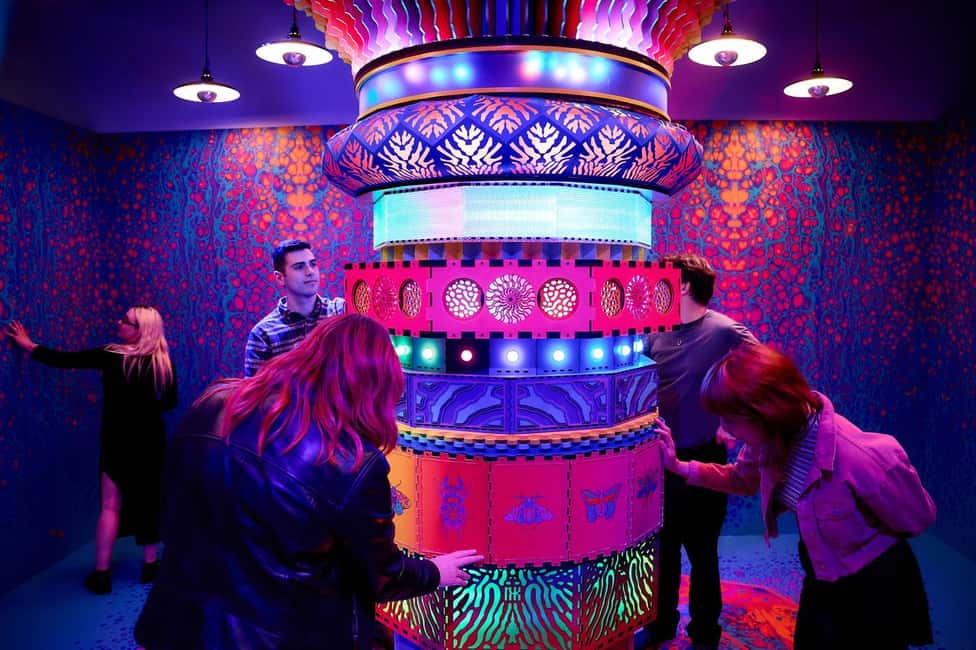
With just one ticket, you get access to the museum’s main permanent exhibition areas, plus the discovery center and community gallery. That trio is a smart mix if you want both meaning and momentum during the day.
Here is a practical way to tackle it without rushing:
Start with the permanent exhibitions first. They set the tone and explain how migration connects to identity—where you come from, what you lose, what you rebuild, and how community forms over time. After that, shift to the discovery center. This is where the museum supports learning through interactive-style exploration, including a focus on empathy and understanding.
Then move into the community gallery. That space is there for a reason: migration does not end at arrival. Communities keep evolving, and the gallery format supports that ongoing story. If you are visiting with kids or anyone who learns best with different formats, this section helps keep the visit varied.
One detail I really appreciate is the museum’s emphasis on reflection. You are not only “collecting information.” You get pauses built into the experience—moments where the themes of community resilience and belonging have time to land.
The Joy exhibition (included until 29 August 2025): what it adds to the day
The temporary exhibition Joy is included with your entry ticket, and it is scheduled to run until 29 August 2025. Temporary exhibits often feel like optional extras, but this one is tied directly to the museum’s main message about shared human experience.
Think of Joy as a lens you add on top of the permanent stories. The museum’s broader theme covers identity, migration, community, and belonging. A temporary show like Joy is a chance to explore the theme from a different angle—often through objects, stories, and emotional framing that feel distinct from the permanent galleries.
If you like structured museum days, plan extra time for Joy so you do not have to choose between seeing everything and reading enough to understand what you are looking at. And if you are traveling with family, temporary exhibits are usually the part that makes the day feel lighter without losing meaning.
The first-floor library and interactive moments: slow down where it helps
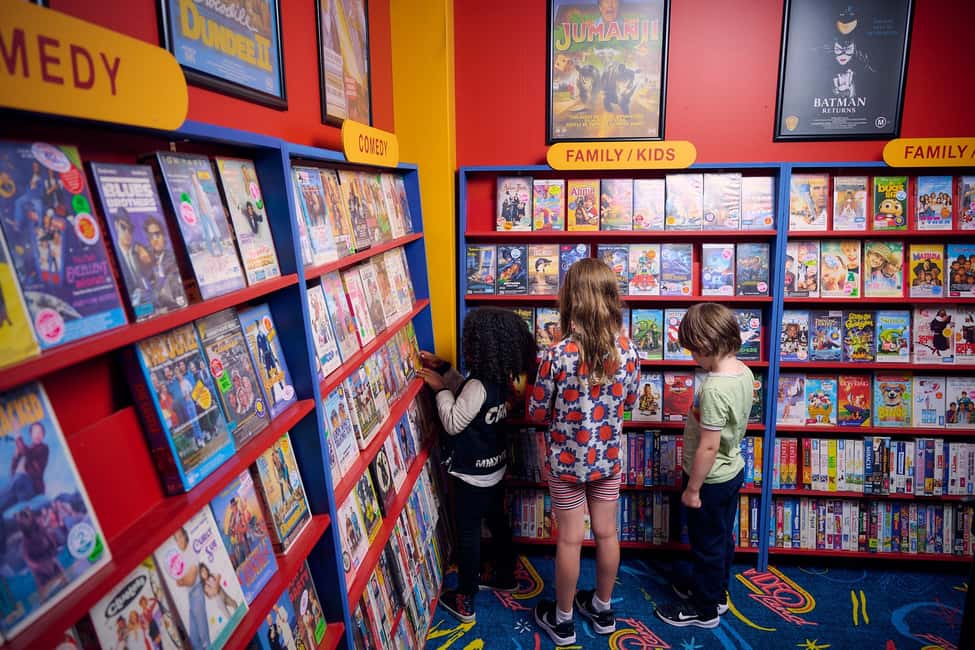
One of the best-supported “small” details here is the first-floor library. You can browse books on immigration history organized by country. That is useful if you already know a bit about where your own family story connects, or if you want to pick a country and see how the bigger migration picture plays out in specific cases.
This is also a good option when you want control. Not everyone wants to read every label in every room. The library gives you a quieter, choice-based way to keep learning.
You may also encounter interactive elements using iPads in exhibitions. One review highlights an interactive iPad experience connected to a Notre-Dame exhibition, and that gives you a clue about the museum’s approach: when tech is used, it’s meant to make engagement easier, especially for families.
Practical tip: if you see an interactive screen, try one prompt and then read the surrounding context. The “pairing” between media and the written story is where the learning stays solid.
Identity, belonging, and community resilience: what the museum is really about
Yes, this is a museum about immigration history. But it is also about what comes after immigration: how people build a place to live, work, celebrate, raise children, and figure out how cultures overlap.
The museum frames the universal human spirit as something you can recognize in your own life. It’s not about inventing a connection. It is about acknowledging one truth: most people want a place where they feel safe, seen, and included.
The museum also highlights community connection through a discovery center and a space for reflection, plus community festivals. Even if you are not there during a festival, the museum’s design still points you toward the idea that community is active—made, not just inherited.
If you want an authentic experience (not just a checklist of exhibits), focus on one or two human stories rather than trying to cover every room. That approach makes the themes clearer and makes the day feel personal.
You can also read our reviews of more museum experiences in Melbourne






Price and value: is $10 per person a smart use of a travel day?
At $10 per person, this ticket price is straightforward. The value comes from what you actually receive: access to permanent exhibitions plus the discovery center and community gallery, with the temporary Joy exhibition included.
A lot of museums in major cities charge more, but you often only get one main exhibition storyline. Here, the ticket supports multiple learning formats. You get museum-style storytelling, interactive discovery, and space for reflection—all tied to the same central themes of identity and belonging.
The museum also has strong feedback, averaging around 4.7 out of 5 across 14 reviews. That does not replace your own judgment, but it does suggest people generally leave feeling they understood the point of the visit.
If you are on a tight schedule, this is one of the better “meaning-per-hour” options. You are not paying just for a building. You are paying for the story and the way the museum helps you process it.
Timing, meeting point, and what to bring for a smooth visit
The meeting point is the Immigration Museum (Museums Victoria). Show up with enough time to settle in before you start moving room to room.
Your ticket is valid for one day, and you should check availability for starting times. That matters if you are planning around other city stops, especially in Melbourne where you may want to group nearby attractions.
You also should plan around basic comfort. Since food and drinks aren’t included, bring water if the museum allows it, or plan a nearby café break. Even if you intend to go straight through, museum days tend to turn into “read, pause, rethink, keep going.” Snacks help keep that loop from wearing you down.
What to bring depends on you, but I recommend simple basics: comfortable shoes for indoor walking between exhibition spaces, and a charged phone or camera only if you know you can use it respectfully inside exhibition areas.
Who this museum suits best (and who might want a different plan)
This ticket is a great fit if you want a calm, thoughtful museum day with real emotional content. It works well for:
- Families who can handle story-based exhibits and like interactive elements
- People traveling with a personal reason to understand migration and settlement
- Visitors who want a deeper look at Melbourne and Victoria beyond landmarks
It may be less ideal if you want a fast, purely entertainment-heavy experience. The Immigration Museum is built around themes—identity, belonging, and community—and that takes a bit of mental attention. You can still enjoy it if you like museums with meaning, but you will likely want to slow your pace.
Also, if you are a traveler who only wants a single exhibition and then out the door, the museum’s multiple areas might feel like more choice than you planned. The fix is simple: pick your starting zone and commit to one main pathway plus Joy.
Should you book the Melbourne Immigration Museum entry ticket?
Yes—if you want a visit that is both educational and human. The Old Customs House setting adds weight, the ticket gives you access to multiple exhibition areas, and the included Joy exhibition through 29 August 2025 gives you a time-specific reason to go now.
Book it especially if you like museums that make you think about identity and community, and if you enjoy learning through different formats like gallery storytelling and a discovery center. If you prefer quick hits and you hate reading, you might feel stretched by how theme-driven the day is—but you can still shape it by focusing on one or two strong threads, including the library on the first floor.
If you are in Melbourne for only a short stretch, this is a solid use of a day where you will leave with more than facts—you’ll have a clearer sense of how communities become communities.
FAQ
Where is the Immigration Museum?
It’s at Immigration Museum (Museums Victoria) in Melbourne.
How much does the ticket cost?
The price is $10 per person.
How long is the ticket valid?
It’s valid for 1 day. You’ll need to check availability to see starting times.
What’s included with the ticket?
The ticket includes entry to the Melbourne Immigration Museum.
What exhibitions can I see?
You can access permanent exhibitions, a discovery center, and a community gallery. The temporary exhibition Joy is included until 29 August 2025.
Is food and drinks included?
No. Food and drinks are not included.
Do they offer a cancellation option?
Yes. Free cancellation is available if you cancel up to 24 hours in advance for a full refund.
Is the museum wheelchair accessible?
Yes, the experience is wheelchair accessible.
What language is the host or greeter?
The host or greeter is English.