REVIEW · MELBOURNE
Melbourne: Melbourne Museum Entry Ticket
Book on GetYourGuide →Operated by Museums Victoria · Bookable on GetYourGuide
Dinosaur bones in Melbourne? That is a hook. I like how the Melbourne Museum turns natural science and Victoria’s local stories into one well-paced visit. The triceratops fossil is an instant draw, with an authentic specimen weighing over 1,000 kilos. And I really enjoyed Bunjilaka Aboriginal Cultural Centre, because it brings in living Koori traditions and knowledge (not just background facts).
This isn’t a museum you speed through. With multiple galleries packed into one ticket—Forest Gallery, Science and Life, Melbourne Gallery, and a Children’s Gallery—you’ll want at least 3 hours to see the highlights properly. One more note: the ticket includes museum entry only, and IMAX Melbourne is not included.
In This Review
- Key Highlights You’ll Actually Care About
- Why Melbourne Museum Is a Solid Value for Your Day
- Ticket + Timing: How to Plan Without Losing Time
- Forest Gallery: Tall Trees, Wildlife Energy, and Local Environment
- Science and Life Gallery: Horridus and the Real Meaning of Fossils
- Melbourne Gallery and Phar Lap: City Storytelling with a Big-name Star
- Children’s Gallery: Fun Learning Without Feeling Like Homework
- Bunjilaka Aboriginal Cultural Centre: Living Knowledge, Not Just a Section
- Price and Value: Is $12 Worth One Day at Melbourne Museum?
- What a 1-Day Visit Feels Like (and How to Arrange It)
- Tips to Make the Most of Your Visit
- Should You Book This Melbourne Museum Entry Ticket?
- FAQ
- How long should I plan to spend at Melbourne Museum?
- What is included with the Melbourne Museum entry ticket?
- Is IMAX Melbourne included in the ticket price?
- Where should I arrive?
- Is Melbourne Museum wheelchair accessible?
- Is there free cancellation?
Key Highlights You’ll Actually Care About
- 1,000-kilo triceratops fossil from the late Cretaceous period, discovered in Montana and buried under 3.5 meters of sandstone
- Horridus skeleton with 87% real bones, one of the most complete real dinosaur fossils in Australasia
- Forest Gallery as the museum’s living heart, with tall trees and wildlife
- Phar Lap’s stable in the Melbourne Gallery, tied to one of Australia’s best-known racing stories
- Bunjilaka Aboriginal Cultural Centre, focused on living Koori knowledge and wider cultural stories from across Australia
Why Melbourne Museum Is a Solid Value for Your Day
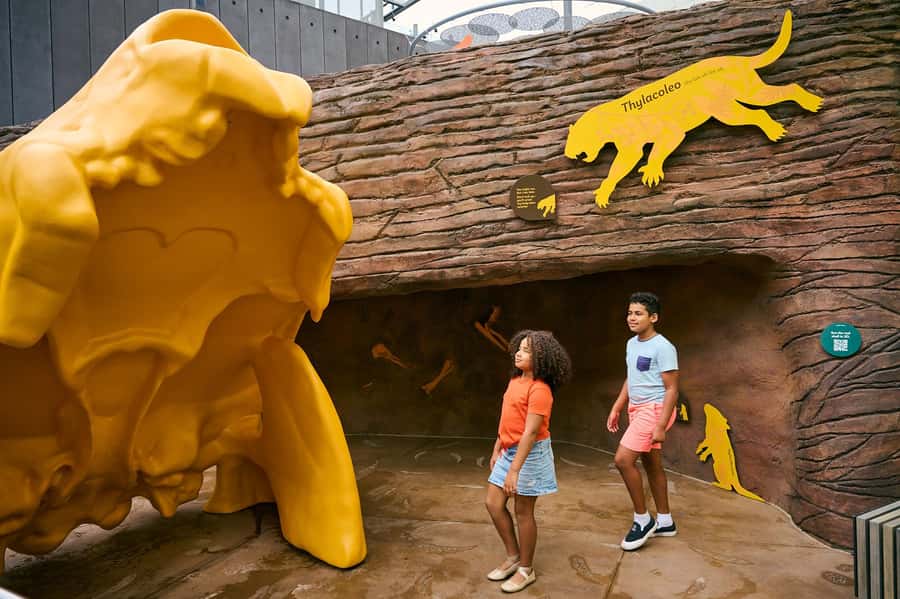
Melbourne Museum is one of those places where you don’t have to pick a single theme. One moment you’re looking at dinosaur fossils; the next you’re learning about Victoria’s environment, the city’s story, and how people understand culture across Australia. Even if you only have a half-day, the museum is built so the best parts are hard to miss.
The value here is mostly about density. For one straightforward entry ticket, you get several major galleries plus Bunjilaka Aboriginal Cultural Centre under the same roof. At around $12 per person, it’s priced like an admission ticket, not like a premium attraction with add-ons for everything.
You can also read our reviews of more tours and experiences in Melbourne


Ticket + Timing: How to Plan Without Losing Time
Your entry is tied to a pre-booked ticket, and you simply arrive directly at Melbourne Museum. There’s an English host/greeter, which helps if you’re trying to get oriented fast.
The one timing tip that matters: plan for 3 hours minimum if you want more than a quick walk-through. The museum covers natural history, human biology themes, local culture, and hands-on areas for kids. If you give yourself less than that, you’ll end up sprinting between galleries and missing the details that make this place worthwhile.
Also keep an eye on temporary exhibition schedules and potential closures on the museum website. Museums like this sometimes shift what’s on display, and you’ll enjoy the day more if you know what’s open.
Forest Gallery: Tall Trees, Wildlife Energy, and Local Environment
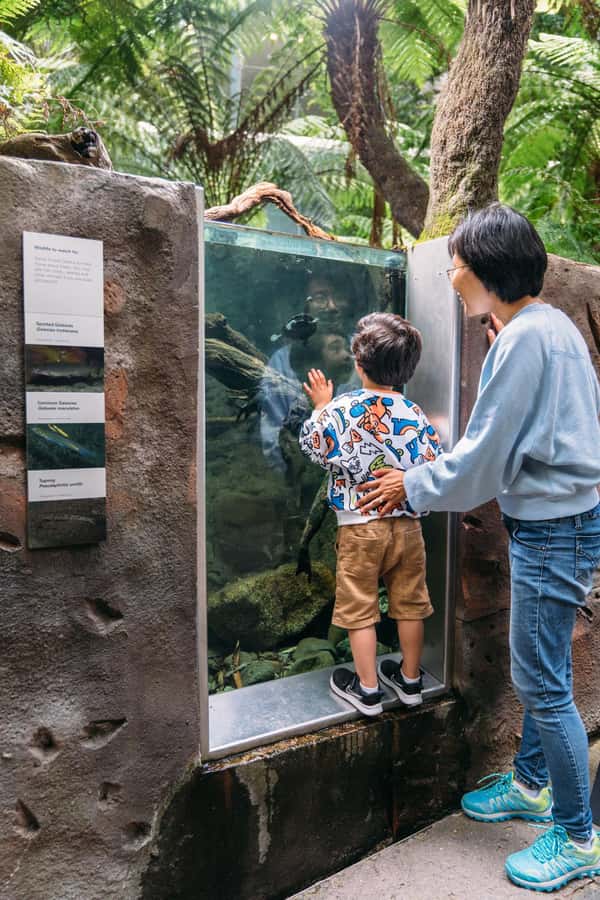
Start with the Forest Gallery if you like an easy entry into the museum. This is described as the museum’s living heart, with tall trees and wondrous wildlife. Even without a science degree, it helps you switch gears from outside Melbourne into an indoor world that feels connected to the environment.
Why I think this matters: it gives context before you hit fossils and big science. You’re not just collecting facts. You’re building a mental model for how local ecosystems work, which makes the later Science and Life content feel more grounded.
If you’re traveling with kids, this gallery is also a great early stop. It’s visually engaging and less intimidating than a fossil hall. You’ll likely get more momentum right away.
Science and Life Gallery: Horridus and the Real Meaning of Fossils

The Science and Life Gallery is where the museum flexes. This is where you’ll find the dinosaur material that anchors the visit, especially Horridus the Triceratops fossil and the museum’s broader mix of insects, fossils, animals, and even human biology themes.
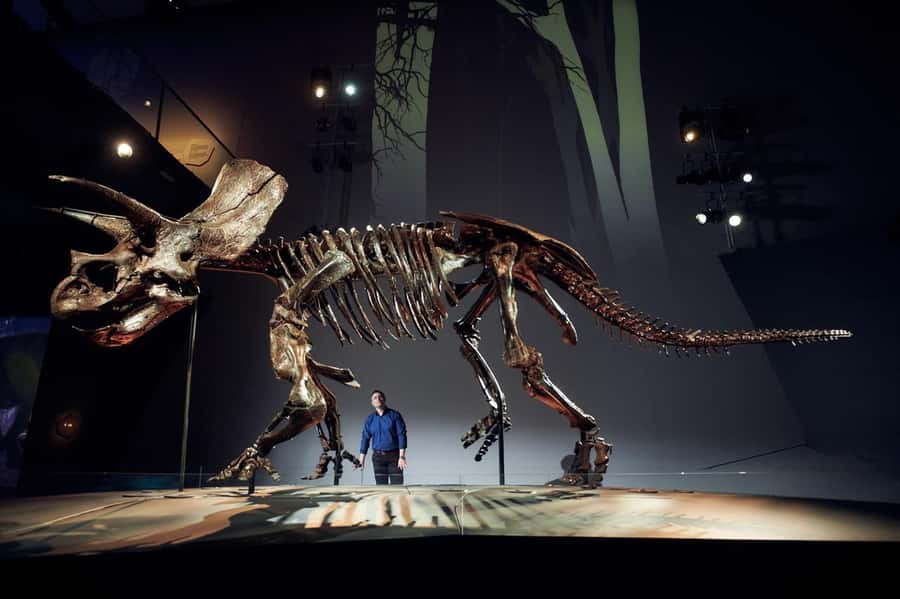
The standout fossil is Horridus, described as a skeleton with 87% real bones. It’s presented as the most complete real dinosaur fossil anywhere in Australasia. That phrase is doing work. It signals that this isn’t just a model or a partial find—you’re looking at something close to the real thing, and that changes how the experience lands.
Then there’s the triceratops fossil detail that you’ll hear repeated for good reason: it’s an authentic specimen weighing more than 1,000 kilos, uncovered in Montana, buried under 3.5 meters of sandstone. Even if you’re not into geology, that kind of burial-and-discovery story explains why fossils can take millions of years to show up—and why museums spend so much effort preserving them.
Practical note: fossil displays can be visually busy. Give yourself a moment to slow down. Look for the sections that explain how scientists identified the specimen and what makes it significant, not just the skeleton itself.
Melbourne Gallery and Phar Lap: City Storytelling with a Big-name Star
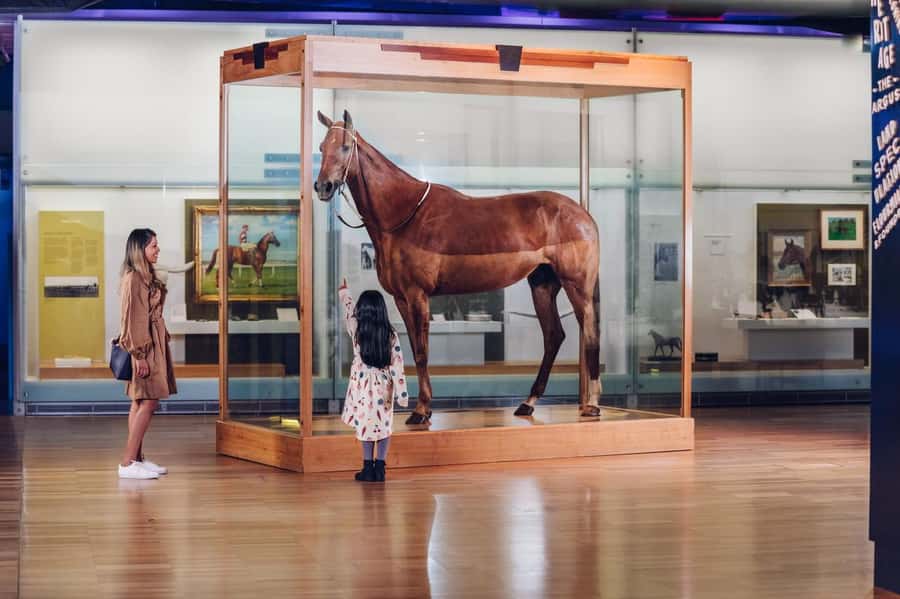
On the east end, the Melbourne Gallery shifts from natural science to the city and its larger cultural story. You’ll learn the story of Melbourne here, and one of the big named moments is Phar Lap’s stable.
This is a great change of pace if the dinosaur halls start to blur together. Fossils and environment tell you how the natural world changed over time. The Melbourne Gallery adds a different kind of timeline: human history, local identity, and the famous racehorse story that still sticks in Australian memory.
If you’re visiting for the classics—what Melbourne is known for beyond coffee and laneways—this section helps you balance the day. You’ll feel like you’re learning the place, not just touring an attraction.
You can also read our reviews of more museum experiences in Melbourne




Children’s Gallery: Fun Learning Without Feeling Like Homework
The museum also has a Children’s Gallery, aimed at younger kids who can explore and learn in a fun way. The listing doesn’t promise a specific set of activities, but the intent is clear: this is a zone designed for hands-on curiosity rather than quiet looking.
This matters if you have little ones, because it can save your day. Instead of trying to “make” kids tolerate long exhibits, you can pivot into a space built for them. It also makes your own visit smoother. You’ll spend more time in the parts you actually want, because you’ll have an option when energy levels dip.
Bunjilaka Aboriginal Cultural Centre: Living Knowledge, Not Just a Section
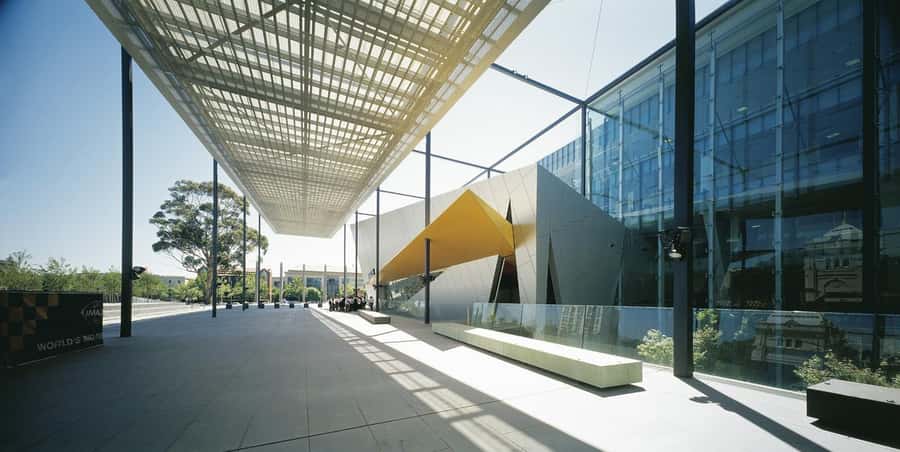
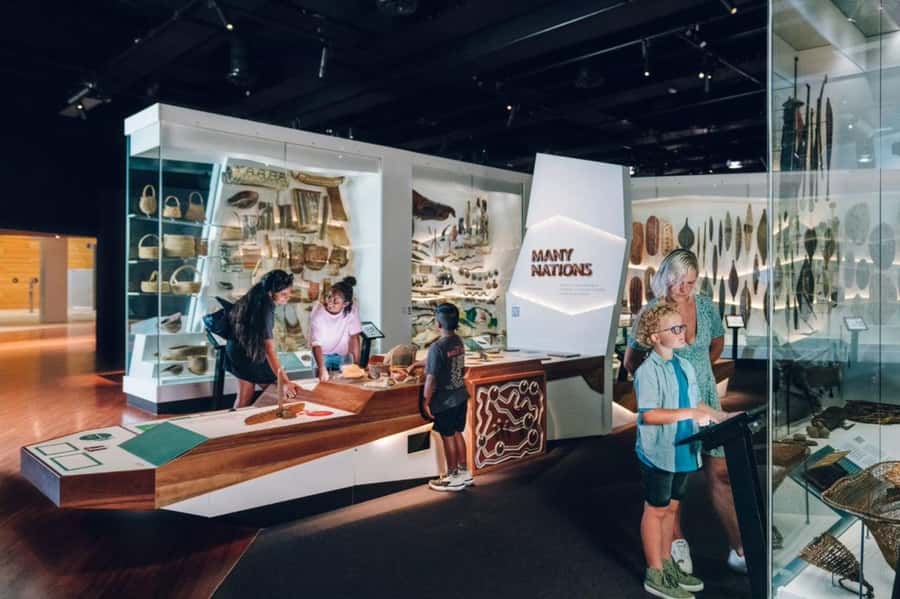
At the museum, Bunjilaka Aboriginal Cultural Centre is one of the most important stops on the map. It’s described as a place imbued with living traditions and knowledge of Koori people, along with other cultures from around Australia.
This isn’t framed like a side exhibit. It’s positioned as a key experience. If you care about understanding Australia in a fuller way—beyond landmarks and dates—this centre helps you do that through cultural knowledge and ongoing tradition.
How to get more out of it: don’t treat it like a quick hallway stop. Give yourself time to read what’s on display, and let the themes land. Even if you only spend part of your visit here, you’ll likely walk away feeling the day has more meaning.
Price and Value: Is $12 Worth One Day at Melbourne Museum?
At $12 per person for admission, Melbourne Museum sits in that sweet spot: affordable enough that you won’t feel pressured to justify every minute, but substantial enough that the visit can genuinely replace other paid attractions.
Here’s why the value is strong:
- You’re not just paying for dinosaurs. You get Forest Gallery, Science and Life, Melbourne Gallery, and the Children’s Gallery.
- The museum includes major set-piece displays tied to real fossils and major collections (like the triceratops fossil and Horridus).
- You also get cultural depth through Bunjilaka, which adds weight to the experience.
The main value “catch” is that IMAX Melbourne is not included. If you’re an IMAX fan, you may want to decide ahead of time whether you’ll add that ticket later. Otherwise, your museum day can still feel complete without it.
What a 1-Day Visit Feels Like (and How to Arrange It)
You’ve got a valid 1-day ticket, and the listing recommends time for a full experience (at least 3 hours). In practice, that often translates into a simple flow:
- Start in Forest Gallery to get your bearings in the natural environment theme
- Move into Science and Life for the fossil highlights, especially Horridus and the large triceratops specimen details
- Take a breather with Melbourne Gallery to switch from natural history to city storytelling, including Phar Lap’s stable
- If you’re with kids, add Children’s Gallery at a natural energy break
- Finish with Bunjilaka when you have enough calm to focus on cultural content
This pacing helps you avoid the most common museum mistake: doing all the big draws back-to-back until you’re mentally tired. With fossils plus cultural content in the same building, the switch between themes is actually a feature, not a challenge.
Tips to Make the Most of Your Visit
A few practical moves will help you get more from the time you spend:
- Wear comfortable shoes. You’ll likely walk a lot through multiple galleries.
- Build in slack. Even a strong plan gets slow when something grabs your attention—like a major fossil display.
- Check the museum website for temporary exhibition schedules and any closures before you go.
- Use the museum’s internal logic: go from environment (Forest Gallery) to fossils (Science and Life) to culture/history (Melbourne Gallery and Bunjilaka).
- If you’re traveling with mixed ages, treat Children’s Gallery as a reset, not an add-on.
And for the biggest highlight displays: don’t just glance. Spend an extra minute on the story behind the fossil and what makes the discovery significant. That’s often where the meaning lives.
Should You Book This Melbourne Museum Entry Ticket?
I’d book this if you want a one-day plan that mixes real science, local history, and cultural learning under a single admission price. The fossil attractions—especially Horridus and the over 1,000-kilo triceratops—make it a strong choice for families, dinosaur lovers, and anyone curious about how museums interpret evidence from the past.
Skip it or adjust expectations if you only want one narrow theme. If you’re only interested in dinosaurs and nothing else, you might feel the other galleries are extra. But for most visitors, the blend is the point: you get more than a single exhibit, all in a day.
If you’re in Melbourne and have a few hours free, this ticket is a smart use of time—especially because 3 hours is enough to hit the highlights without rushing.
FAQ
How long should I plan to spend at Melbourne Museum?
The guidance for a full experience is to allow at least 3 hours.
What is included with the Melbourne Museum entry ticket?
Your ticket includes admission to Melbourne Museum.
Is IMAX Melbourne included in the ticket price?
No. IMAX Melbourne tickets are not included.
Where should I arrive?
Arrive directly at Melbourne Museum.
Is Melbourne Museum wheelchair accessible?
Yes, it is wheelchair accessible.
Is there free cancellation?
Yes, free cancellation is available up to 24 hours in advance for a full refund.