REVIEW · VICTORIA
Tae Rak (Lake Condah) 2-Hour Cultural Tour
Book on Viator →Operated by Budj Bim Cultural Landscape Tourism · Bookable on Viator
A trip to Lake Condah feels like stepping into lived history. This 2-hour Tae Rak (Lake Condah) Cultural Tour takes you past Gunditjmara eel-country—stories, wildlife you can actually spot, and the old engineering behind the kooyang aquaculture system. I especially like how it links creation stories with what you see on the ground, instead of treating culture like a museum label.
Two things I really liked: first, the guide points out fauna and flora tied to Gunditjmara life, so you leave noticing more than just a view. Second, you get a focused look at the eel system, including the kooyang holding tank and processing area before you walk the lake edge.
One possible drawback: it’s short—2 hours—and coffee, snacks, and tasting options are not included, so if you want a longer sit-down or a full meal, plan on grabbing something at the cafe or nearby retail afterward.
In This Review
- Key highlights you should know before you go
- Tae Rak and Lake Condah: why this 2-hour walk matters
- The flow of the tour: 2 hours that cover centre + shoreline
- Stop 1 at the Tae Rak Aquaculture Centre: kooyang, tanks, and the creation story
- Walking the western edge to the weir: stone fish traps and lava-flow aquaculture
- Wildlife spotting that actually feels tied to culture
- What the tour includes (and what it leaves out)
- Group size, transport, and who this tour suits best
- Price and value: is $63.83 fair for 2 hours?
- Booking wisely: timing, weather, and what to do on arrival
- Should you book the Tae Rak (Lake Condah) 2-hour cultural tour?
- FAQ
- How long is the Tae Rak (Lake Condah) cultural tour?
- Where does the tour start and end?
- How much does the tour cost?
- What is included in the price?
- Is coffee, tea, or snacks included?
- Do I choose a morning or afternoon walk?
- What happens if the weather is bad?
Key highlights you should know before you go
- Gunditjmara creation stories tied directly to Tae Rak and Lake Condah
- Kooyang (eel) focus, from holding tanks to harvesting traditions
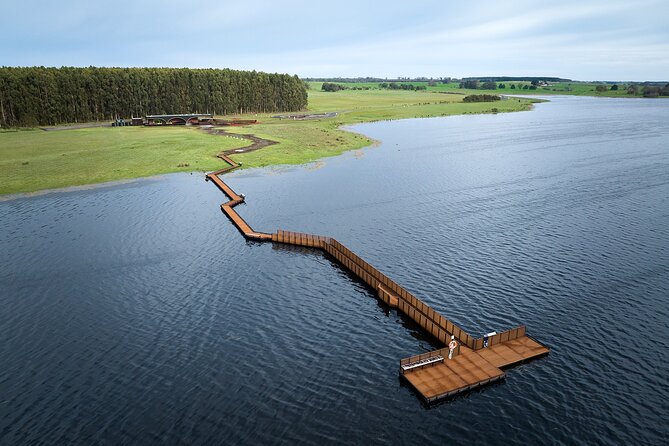
- A walk along the western edge to see weir and stone fish-trap sites
- Wildlife spotting built into the tour, not an afterthought
- Small group experience with a maximum of 30 people
- Two time options: you can choose a morning or afternoon walk
Tae Rak and Lake Condah: why this 2-hour walk matters
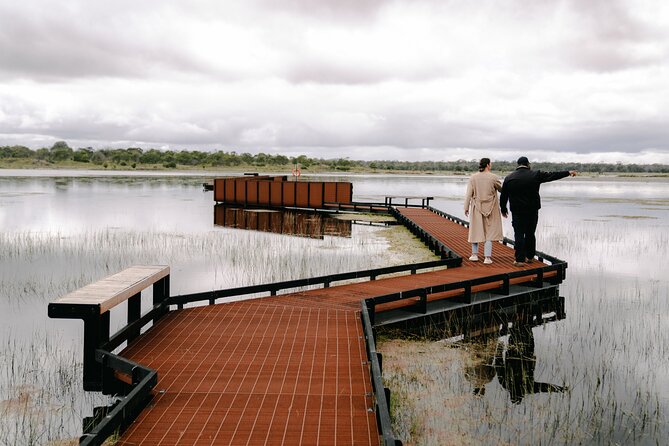
Tae Rak is one of those places where time shows up in the details. You’re not just hearing about the Gunditjmara people—you’re learning how their relationship with water, food, and living systems shaped an aquaculture network that still makes sense when you’re standing there.
The tour does something I appreciate: it connects story to observation. The creation stories you hear are placed next to what you can look at—marine and bird life on the lake, culturally significant flora and fauna, and the physical traces of ancient eel management. That makes the experience feel grounded. It’s not only about learning facts. It’s about learning how to see.
Also, you’re in Victoria’s Budj Bim Cultural Landscape area, which is a big deal in Australian cultural heritage. The eel aquaculture system you’ll discuss is part of that broader story. If you care about reconciliation and how historical knowledge gets shared respectfully, this tour’s tone—based on what people say about the guide and the approach—leans serious, careful, and human.
You can also read our reviews of more historical tours in Victoria
The flow of the tour: 2 hours that cover centre + shoreline
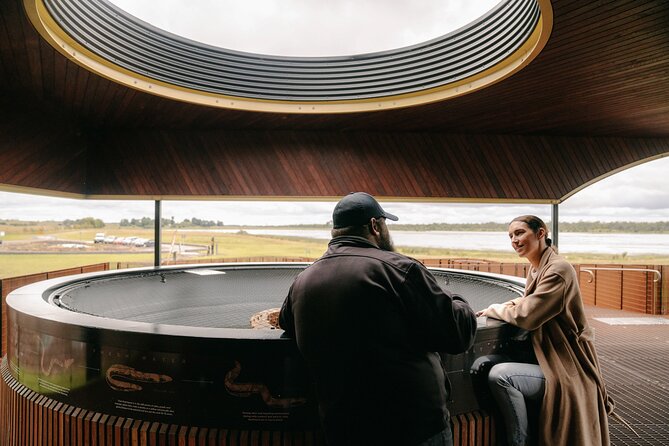
This is a 2-hour guided walk. It runs at a pace meant for listening and looking, not sprinting. You start at the Tae Rak Aquaculture Centre, then you walk along the western edge of Lake Condah to reach the weir and see stone aquaculture sites and fish traps.
Why this pacing works: you get context first (centre explanations and eel-related spaces), then you go outside to connect the story to the lake’s physical layout. If you do the order wrong, it can feel like random ruins or random wildlife. Here, it’s built to make the pieces click.
You can choose either a morning or afternoon tour. That helps if you’re juggling other plans in Victoria. Just remember it’s weather-dependent: the experience requires good weather, and if it’s cancelled for poor conditions, you’ll be offered a different date or a refund.
Stop 1 at the Tae Rak Aquaculture Centre: kooyang, tanks, and the creation story
Your guide meets you at the Tae Rak Aquaculture Centre. This first stop is where the tour earns its value, because you’re not only hearing legends—you’re learning the system behind them.
Inside, you’ll get an overview of the centre and the elements that support the eel pathway, including the kooyang (eel) holding tank and a processing facility. There’s also a cafe & retail space on site. Even if you don’t plan to buy anything, it’s handy to know it’s there so you’re not scrambling later for coffee or snacks.
Then the guide brings in the Gunditjmara creation story connected to the area. They also point out marine and bird life across the lake, which is a big part of what makes the walk feel like more than a history lecture.
A small but meaningful detail: people mention the tour environment as peaceful and natural, which helps the cultural content land better. When you’re learning stories meant for place, not performance, calm surroundings matter.
Walking the western edge to the weir: stone fish traps and lava-flow aquaculture
After you get your bearings at the centre, you head along the western edge of Lake Condah. The goal is a look at the ancient landscape elements used for aquaculture, including the weir and stone aquaculture sites.
This part of the tour focuses on how older generations managed living waterways. You’ll learn about the Tae Rak landscape and the stone fish traps. You’ll also hear how ancient people created systems using lava flows—specifically, the management features formed as water moved through the ancient volcanic terrain.
Here’s what I think you’ll appreciate: these aren’t abstract concepts. You can stand there and visualize why certain spots matter. A weir isn’t just a “thing on the ground.” In this context, it’s water management infrastructure for feeding and harvesting eels.
If you’re the type who likes to connect culture to engineering, this stop is a highlight. It explains how a community used the environment thoughtfully over a very long time—over 39,000 years is part of the story you’ll hear.
Wildlife spotting that actually feels tied to culture
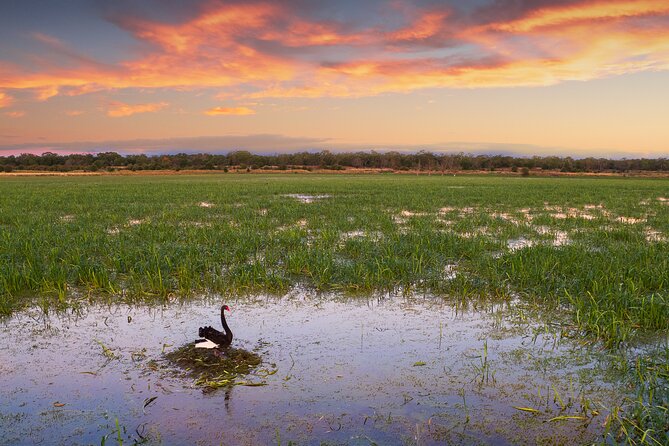
One of the tour’s best qualities is that fauna and flora aren’t treated as generic “look at the birds.” Your guide’s job is to point out what’s culturally significant, and that changes what you notice as you walk.
You’ll observe extensive marine and bird life around the lake. And you’ll also be shown culturally significant plants. That makes the experience feel like it’s about place-based knowledge, not wildlife tourism.
Practical tip based on how these tours usually work: bring a moment of patience. Wildlife spotting can be slow. If the birds aren’t super active at that exact time, listen anyway. Guides often explain cues about where activity tends to be—so you still get value even if you don’t collect a long list of sightings.
You can also read our reviews of more tours and experiences in Victoria

What the tour includes (and what it leaves out)
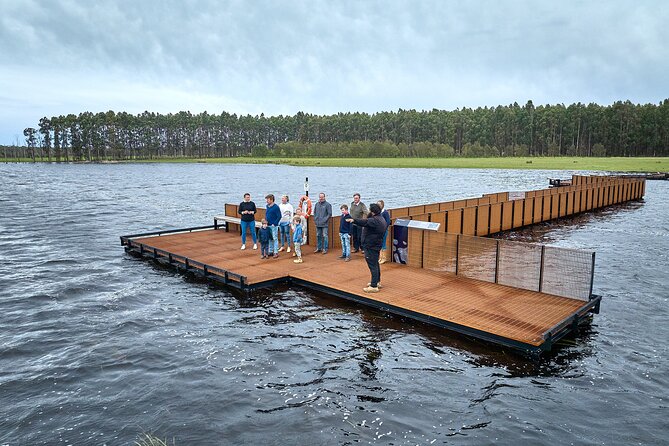
You’re paying for a guided cultural walk with access to the key centre features and the lake-edge sites. The essentials included are:
- A restroom on site
- Air-conditioned vehicle service as part of the experience logistics
- Admission to the tour activities (the tour is sold as an admission ticket, tied to entry and guide time)
- A mobile ticket for check-in
What’s not included is also worth planning for. Coffee/tea and snacks are not included. The good news is the centre does have a cafe & retail area, so you can likely solve the hunger/coffee issue there before or after—just know it won’t be part of your tour price.
One review mentioned getting an eel charcuterie afterwards, which is a useful hint: there may be tasting or food options at the cafe, but you should treat that as “check and ask,” not guaranteed for your exact booking time. If you’re curious about eel samples, I’d recommend asking the guide or the cafe staff what’s available during your visit.
Group size, transport, and who this tour suits best

With a maximum of 30 travelers, this isn’t a huge crowd. It should feel more like a group walk with a guide than a mass event. And because you get a vehicle with air-conditioning, it’s also easier to stay comfortable if Victoria’s weather turns.
Most people can participate. Service animals are allowed too. If you’re someone who wants cultural learning without a long day of driving across multiple stops, this fits nicely: it’s compact, focused, and not exhausting.
Who I think it’s best for:
- You want Gunditjmara culture explained through story and real place
- You like wildlife, but you also want the “why this matters” part
- You’re interested in eel aquaculture, traditional harvesting, and how communities managed waterways
- You prefer a guided walk where you can ask questions and process information slowly
Who might want to skip or adjust expectations:
- If you’re looking for an all-day food experience or a full meal included in the price, plan ahead. Coffee and snacks aren’t included.
- If you want a long hiking-style trek, this is designed as a short cultural walk, not a big outdoor workout.
Price and value: is $63.83 fair for 2 hours?
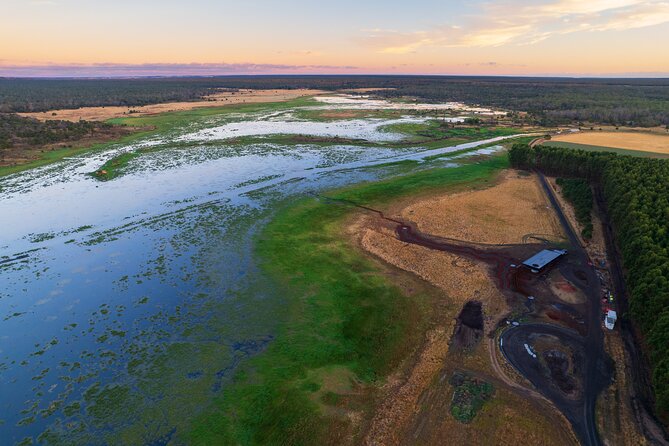
At $63.83 per person for about two hours, the price lands in a mid-range zone. What makes it feel fair is what you get in that time: a guided cultural explanation, access to centre spaces connected to kooyang eel management, and a structured walk that ties story to physical evidence.
Value often comes down to whether you leave with understanding, not just photos. This tour is set up so you leave understanding the relationship between Gunditjmara culture and eel aquaculture: the kooyang emphasis, the creation stories, and the weir and fish-trap features along the lake edge.
The only value warning is the same one that applies to most tours like this: if you want food and drink included, you’ll need to pay extra at the cafe. Also, if you’re specifically hoping for an eel tasting moment, you should ask in advance or plan to check what’s offered on the day so you don’t feel like you missed an option.
Booking wisely: timing, weather, and what to do on arrival
This is the kind of tour that runs best when you arrive ready to listen. It’s also weather-sensitive. Since good weather is required, choose a slot that fits your day with flexibility in mind—especially if you have other outdoor plans.
When you book, keep the following in mind:
- Bring your mobile ticket.
- Plan to start and finish at the same meeting point area (it ends back where you started).
- Since it’s a short tour, wear comfortable shoes and be ready to spend most of the time following the guide on foot.
If you care about food, do a quick mental checklist before you go: coffee and snacks aren’t included. The centre has a cafe & retail space, so you can handle that either before you meet up or after the walk. One review specifically suggested there was an eel-sampling recommendation you might want to know about. So ask what tastings are offered when you’re there—then you’ll know what to look for.
Should you book the Tae Rak (Lake Condah) 2-hour cultural tour?
I’d book it if you want a respectful, place-based cultural walk with a very specific theme: Gunditjmara knowledge of eel country and the living systems tied to Lake Condah. The mix of story, wildlife spotting, and visible aquaculture features makes it more than a generic heritage tour.
Skip it or rethink timing if you need included refreshments, or if you’re expecting a long walk or a big outdoor adventure. This is designed to be thoughtful and focused. That’s also why it works.
If you’re visiting Victoria and you care about authentic cultural experiences—especially ones tied to reconciliation and real heritage work—this is a strong choice. It’s short, but it doesn’t feel skimpy once you connect the centre explanations to what you see along the lake edge.
FAQ
How long is the Tae Rak (Lake Condah) cultural tour?
It runs for about 2 hours.
Where does the tour start and end?
It meets at WRRG+Q2 Breakaway Creek VIC, Australia and ends back at the same meeting point.
How much does the tour cost?
The price is $63.83 per person.
What is included in the price?
The tour includes restroom access on site and an air-conditioned vehicle as part of the experience. It also includes the tour admission as shown for the experience.
Is coffee, tea, or snacks included?
No. Coffee/tea and snacks are not included. There is a cafe & retail space at the Tae Rak Aquaculture Centre where you can get refreshments.
Do I choose a morning or afternoon walk?
Yes. You can choose from a morning or afternoon walk.
What happens if the weather is bad?
The experience requires good weather. If it’s canceled due to poor weather, you’ll be offered a different date or a full refund.